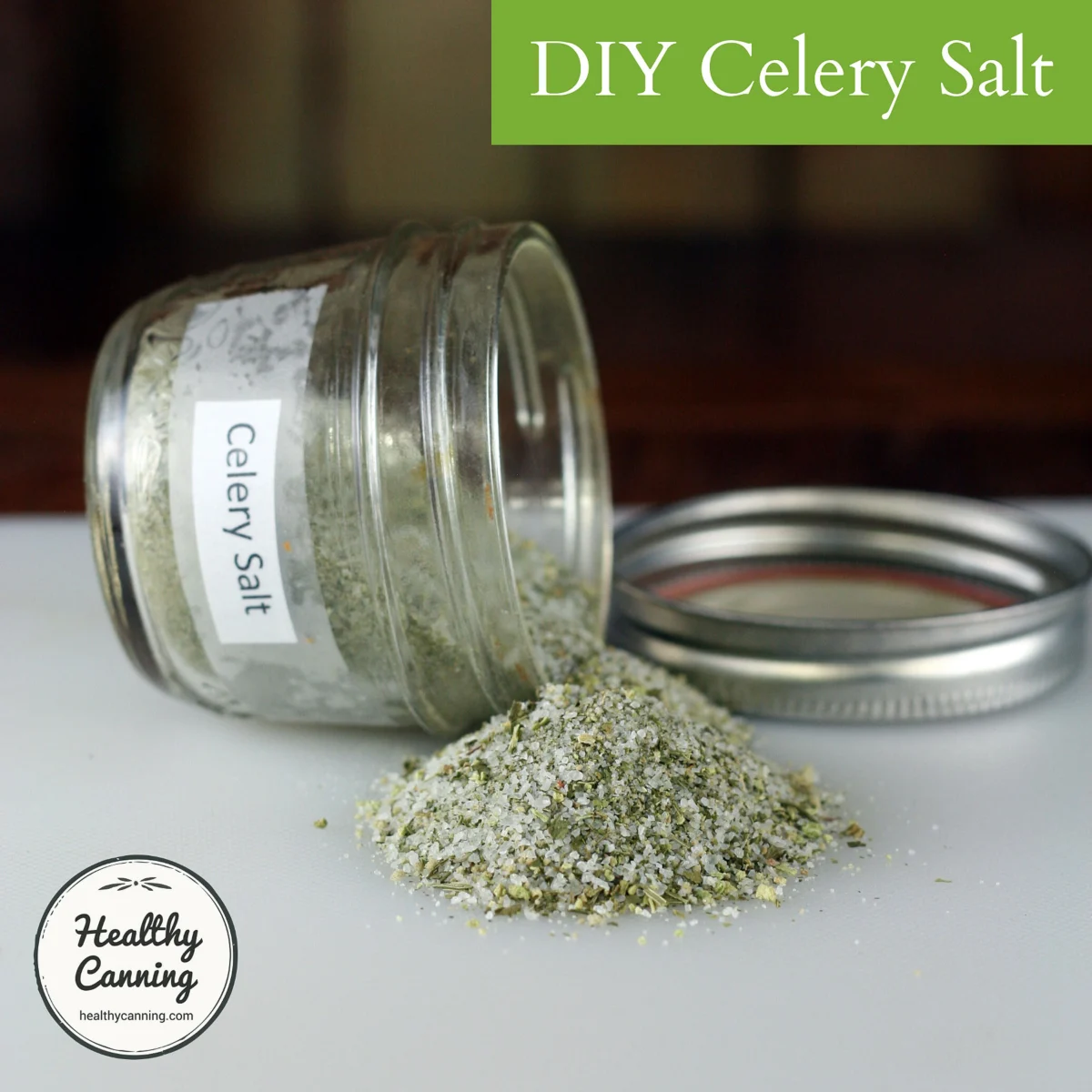

The modern culinary landscape is witnessing a significant shift toward artisanal self-sufficiency, with home cooks increasingly opting to produce pantry staples that were once exclusively purchased from commercial retailers. Among these, celery salt—a fundamental seasoning in American cuisine—has emerged as a primary candidate for do-it-yourself (DIY) production. This trend is driven by a combination of economic pressures, health consciousness, and a desire for high-quality, "clean label" ingredients. By blending ground celery seeds or dehydrated celery powder with various types of salt, individuals are able to create a superior product at a fraction of the retail cost, while simultaneously tailoring the mixture to meet specific dietary requirements.
The Economic Landscape of DIY Spices
The financial incentive for producing homemade celery salt is substantial. In the current inflationary environment, the retail price of specialized spice blends has seen a marked increase. A standard 4-ounce jar of brand-name celery salt can retail for anywhere between $4.00 and $6.00. In contrast, purchasing celery seeds in bulk and combining them with standard sea salt reduces the cost to mere pennies per ounce.
Data from consumer price indices suggests that processed seasonings carry some of the highest markups in the grocery sector, often exceeding 100% of the raw material costs due to packaging, marketing, and distribution overheads. By bypassing these supply chain costs, the DIY approach allows households to reallocate their grocery budgets toward high-quality whole foods. Furthermore, the ability to produce small, fresh batches prevents the common issue of spice degradation, where large, expensive jars of store-bought seasonings lose their potency before they can be fully consumed.
Culinary Versatility and the Gourmet Evolution
The transition from commercial to homemade celery salt represents more than just a cost-saving measure; it is a move toward culinary customization. Commercial celery salt is typically a rigid ratio of approximately two parts salt to one part ground celery seed. The DIY method allows for the integration of "gourmet" components that are rarely found in mass-market products.
Cooks are now experimenting with a variety of salt bases to alter the flavor profile and mineral content of the seasoning. Options include:

- Smoked Salt: Adds a campfire depth to the seasoning, ideal for dry rubs and grilled meats.
- Pink Himalayan Salt: Provides a subtle mineral complexity and a visual aesthetic.
- Sea Salt: Offers a cleaner, sharper saltiness compared to the iodized table salt often found in commercial blends.
Moreover, the "celery" component itself has evolved. While traditional recipes call for ground celery seeds, the rise of home food dehydration has introduced celery powder as a viable alternative. Celery powder, made by dehydrating fresh celery stalks and leaves before grinding them into a fine dust, offers a brighter, more vegetal flavor than the more bitter, earthy notes of the seed. This allows the producer to create a "True Celery Salt" that captures the essence of the fresh vegetable.
Health Implications and Sodium Management
Perhaps the most significant driver of the DIY seasoning movement is the growing necessity for sodium management. According to the World Health Organization (WHO), the majority of global populations consume far more sodium than the recommended 2,000 mg per day, contributing to hypertension and cardiovascular disease.
Homemade celery salt provides a critical solution for those on restricted diets. By utilizing salt substitutes such as potassium chloride blends or herbal bases like Herbamare, consumers can produce a "sodium-free celery salt." This allows individuals with heart conditions or kidney issues to enjoy the iconic flavor of celery salt in dishes like Chicago-style hot dogs or Bloody Marys without the associated health risks. The transparency of the DIY process ensures that no anti-caking agents, such as silicon dioxide or sodium aluminosilicate, are added to the mixture—additives that are ubiquitous in commercial spice jars but often avoided by health-conscious consumers.
Historical Context and Cultural Significance
Celery salt holds a storied place in the American culinary tradition, particularly within the Midwest. Its prominence rose in the early 20th century, most notably as a defining ingredient of the "Chicago-style" hot dog. During the Great Depression, the "Depression Sandwich" (a hot dog with "the works") relied on celery salt to provide a complex, savory punch that mimicked more expensive seasonings.
The ingredient is also the backbone of Old Bay Seasoning, a staple of Chesapeake Bay seafood culture, and a non-negotiable component of the classic Bloody Mary cocktail. The history of the seasoning is intertwined with the history of celery itself, which was once considered a luxury vegetable in the Victorian era. As celery cultivation became more widespread, the seeds and salt were combined to preserve the flavor of the short-lived stalks, leading to the creation of the shelf-stable condiment we recognize today.
Technical Methodology: The Dehydration and Grinding Process
The production of high-quality celery salt requires a basic understanding of food science and preservation. For those choosing the celery powder route, the process begins with the selection of fresh, organic celery.

Chronology of Production:
- Preparation: Celery stalks and leaves are washed and sliced thinly to ensure even drying.
- Dehydration: The celery is placed in a food dehydrator at approximately 125°F (52°C) for 8 to 12 hours. This low-temperature process removes moisture while preserving volatile oils and enzymes.
- Pulverization: The dried celery is processed in a high-speed blender or spice grinder until it reaches a fine powder consistency.
- Blending: The powder or ground seeds are combined with the chosen salt. A common ratio is 2:1 (salt to celery), though this is frequently adjusted based on personal preference.
- Storage: The final product is stored in an airtight glass jar away from direct sunlight to prevent oxidation and clumping.
The result is a seasoning with a potency and aromatic profile that far exceeds commercial counterparts, which may have sat in warehouses for months before reaching the consumer.
Industry Trends and Market Response
The spice and seasoning industry has not ignored the shift toward DIY blending. Market research indicates that sales of whole spices and high-end salts have outpaced the growth of pre-mixed seasonings in recent years. Retailers have responded by expanding their "bulk" sections, allowing consumers to purchase exactly the amount of celery seed or specialty salt they need for their home batches.
Furthermore, the popularity of kitchen appliances like electric spice grinders and home dehydrators has surged. Data from consumer electronics reports show a 15% year-over-year increase in the sale of food preservation tools, suggesting that the "homemade" trend is a long-term shift in consumer behavior rather than a passing fad.
Expert Perspectives and Analysis
Culinary experts suggest that the move toward homemade seasonings like celery salt reflects a broader "Clean Label" movement. "Consumers want to know exactly what is in their food," says food historian and analyst Sarah Jenkins. "When you make your own celery salt, you eliminate the mystery of ‘natural flavors’ or ‘fillers’ that companies often use to bulk up their products. It is a return to a more honest form of cooking."
Nutritionists also praise the trend for its educational value. By mixing their own spices, consumers become more aware of the volume of salt they are adding to their food. This "flavor-first" approach encourages the use of more herbs and seeds and less sodium chloride, leading to naturally healthier eating habits.
Broader Implications for Sustainability
Beyond economics and health, the DIY production of seasonings has environmental implications. The traditional spice supply chain involves significant plastic packaging and long-distance shipping of small, lightweight containers. By purchasing ingredients in bulk and reusing glass spice jars, home cooks significantly reduce their household’s plastic waste and carbon footprint.
The ability to use the entire celery plant—including the leaves and the base, which are often discarded—to create celery powder also aligns with the "zero-waste" cooking philosophy. This maximizes the caloric and nutritional yield of the produce, contributing to a more sustainable domestic food system.
Conclusion
The rise of DIY celery salt is a microcosm of a larger movement toward intentional consumption. By taking control of a simple pantry staple, consumers are realizing significant gains in flavor, health, and financial savings. Whether it is through the use of smoked salts for a gourmet twist or the adoption of salt substitutes for medical necessity, the homemade approach transforms a humble condiment into a versatile tool for modern gastronomy. As the tools for home food preservation become more accessible, the transition from consumer to producer is likely to continue, redefining the relationship between the modern kitchen and the industrial food complex.