The universal human aspiration to live longer and healthier has never been more pronounced, particularly in an era characterized by unprecedented access to information and a burgeoning wellness industry. While the desire for extended vitality is deeply ingrained, the contemporary landscape is saturated with diverse, often conflicting, claims promising pathways to "optimize" health, reverse aging, and even achieve extreme longevity. This proliferation of advice, disseminated through fitness influencers, authors, and podcasters, raises critical questions about the efficacy, necessity, and true cost—in terms of effort, time, and financial investment—of these advanced protocols. Ultimately, the central inquiry remains whether the perceived benefits of such intensive optimization efforts truly outweigh their substantial trade-offs for the average individual seeking a balanced, fulfilling life.
The Enduring Quest for Longevity and Vitality
Humanity’s pursuit of a longer, healthier existence is not new. Throughout history, cultures have sought elixirs, practices, and diets believed to extend life. However, the 20th and 21st centuries have witnessed a dramatic shift in global life expectancy, largely due to advancements in public health, sanitation, medical science, and nutrition. According to the World Health Organization (WHO), global average life expectancy at birth increased by more than six years between 2000 and 2019, reaching 73.4 years. This remarkable progress was primarily driven by successes in combating infectious diseases, reducing child mortality, and improving maternal health.
As populations in developed nations began to live longer, the focus shifted from merely extending life to enhancing its quality, particularly in later years. The rise of chronic non-communicable diseases (NCDs) such as heart disease, diabetes, and certain cancers—often linked to lifestyle factors—further fueled interest in preventative health measures. This backdrop set the stage for the modern "health optimization" movement, which aims to move beyond baseline health to a state of peak physical and cognitive function, often promising to push the boundaries of human lifespan.
The Rise of the "Optimization" Industry
In recent decades, the concept of "health optimization" has gained significant traction, morphing into a multi-billion-dollar industry. This sector encompasses everything from specialized dietary supplements and biohacking gadgets to personalized genetic testing, intensive fitness regimens, and anti-aging clinics. Driving this trend is the powerful combination of technological innovation, social media influence, and a pervasive cultural narrative that encourages individuals to constantly strive for self-improvement and peak performance.
The digital age has democratized the dissemination of health information, but it has also created a fertile ground for unverified claims. Platforms like Instagram, YouTube, and various podcast networks host countless individuals—many without formal medical or scientific training—who present themselves as health gurus. These figures often advocate for highly specific, complex, and sometimes extreme protocols, ranging from obscure dietary restrictions and intermittent fasting schedules to cold plunge therapies, elaborate supplement stacks, and advanced biomarker tracking. Their narratives frequently emphasize the notion of "biohacking" one’s body to unlock its full potential, promising outcomes like reversing chronic disease, enhancing cognitive function, and extending youthfulness far beyond conventional expectations.
Distinguishing Evidence-Based Practices from Speculative Protocols
A critical challenge for individuals navigating this landscape is discerning genuinely effective, evidence-based health strategies from those that are largely speculative, unproven, or even potentially harmful. Mainstream medical and public health organizations consistently emphasize foundational pillars for long-term health and longevity:
- Balanced Nutrition: A diet rich in whole foods, fruits, vegetables, lean proteins, and healthy fats, with limited processed foods, added sugars, and unhealthy fats.
- Regular Physical Activity: A combination of aerobic exercise and strength training, tailored to individual capabilities.
- Adequate Sleep: Consistent, high-quality sleep patterns are crucial for physical and mental restoration.
- Stress Management: Effective strategies to cope with stress, such as mindfulness, meditation, or hobbies.
- Social Connection: Strong social ties and community engagement are consistently linked to better health outcomes and increased longevity.
- Avoidance of Harmful Substances: Limiting or abstaining from tobacco, excessive alcohol, and illicit drugs.
- Routine Medical Care: Regular check-ups, screenings, and adherence to medical advice for existing conditions.
These foundational elements are supported by extensive scientific research, including large-scale epidemiological studies and clinical trials, demonstrating their profound impact on reducing the risk of NCDs and extending healthy lifespan.
In contrast, many "optimization" protocols delve into areas with far less robust scientific backing. For example, while basic vitamin and mineral supplementation can address deficiencies, the efficacy of mega-dosing specific vitamins or taking complex blends of exotic compounds for general health optimization often lacks definitive evidence. Similarly, extreme dietary regimens like highly restrictive ketogenic diets or prolonged fasting protocols, while showing promise in specific clinical contexts (e.g., epilepsy management, certain metabolic disorders), are not necessarily beneficial or sustainable for the general population and can carry risks if not medically supervised. The pursuit of "optimal" biomarker levels, often far beyond clinically accepted healthy ranges, can also lead to unnecessary anxiety and interventions without clear health benefits.
The Tangible and Intangible Costs of Optimization

The pursuit of "optimal" health, as defined by many contemporary influencers, comes with significant costs that extend beyond mere financial outlay.
Financial Investment:
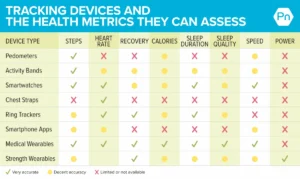
The "optimization" lifestyle can be incredibly expensive. Specialized supplements, often marketed with proprietary blends and premium pricing, can easily cost hundreds of dollars monthly. Biohacking devices, such as red light therapy panels, advanced sleep trackers, continuous glucose monitors, and even hyperbaric oxygen chambers, represent substantial investments, ranging from hundreds to tens of thousands of dollars. Custom meal delivery services, personal trainers specializing in "longevity," and bespoke wellness retreats add further layers of expense. For many, these costs are prohibitive, raising questions about equity in health access and the potential for a two-tiered system where "optimal" health is a luxury. The global wellness market was valued at over $4.7 trillion in 2023 and is projected to reach $7.7 trillion by 2029, underscoring the vast economic engine behind this pursuit.
Time and Effort:
Beyond money, these protocols often demand an extraordinary commitment of time and mental energy. Adhering to ultra-specific meal timings, preparing specialized foods, performing elaborate exercise routines, tracking numerous biomarkers, and researching the latest trends can consume a significant portion of an individual’s day. This intensive commitment can detract from other aspects of life that are equally crucial for well-being, such as spending time with family and friends, engaging in hobbies, or focusing on career development. The mental load associated with constant monitoring and adherence can also lead to burnout and stress, ironically counteracting the very goal of improved health.
Psychological and Social Trade-offs:
Perhaps the most overlooked costs are the psychological and social implications. The relentless pursuit of perfection in health can foster an unhealthy obsession, sometimes leading to conditions like orthorexia nervosa—an eating disorder characterized by an unhealthy obsession with healthy eating. The pressure to conform to idealized body images or longevity metrics can also induce anxiety, guilt, and a sense of failure when individuals inevitably fall short of unrealistic expectations.
Furthermore, highly restrictive diets or demanding routines can isolate individuals socially. Declining invitations to social events that involve food or late nights, or prioritizing a rigid schedule over spontaneous activities, can erode social connections—a factor consistently linked to longevity and mental well-being. The joy and spontaneity of life can be sacrificed at the altar of "optimization," leading to a life that might be technically "optimized" but is ultimately less enjoyable and fulfilling.
Expert Perspectives and Calls for Balance
Medical and public health experts frequently voice concerns about the uncritical adoption of extreme health optimization strategies. Dr. Peter Attia, a prominent physician focused on longevity, emphasizes the importance of "Medicine 3.0," which prioritizes preventing chronic disease and extending "healthspan" (the period of life spent in good health) rather than just lifespan. However, even within this field, there’s a strong emphasis on evidence-based interventions and a cautious approach to unproven methods.
Public health bodies, such as the Centers for Disease Control and Prevention (CDC) in the U.S. and the National Health Service (NHS) in the UK, consistently advocate for accessible, sustainable lifestyle changes. Their guidelines typically focus on achievable goals that promote overall well-being without requiring excessive financial or temporal commitments. For instance, the American Heart Association recommends at least 150 minutes per week of moderate-intensity aerobic activity or 75 minutes per week of vigorous aerobic activity, along with two days of moderate-to-high intensity muscle-strengthening activity. These recommendations are designed to be practical for the majority of the population, providing significant health benefits without necessitating extreme measures.
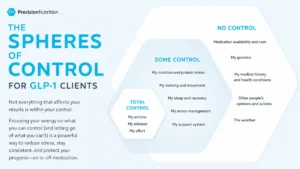
Experts warn against the dangers of misinformation and the "tyranny of optimization," where the quest for marginal gains can overshadow the substantial benefits derived from fundamental, accessible health practices. They advocate for critical thinking and consultation with qualified healthcare professionals before embarking on any radical health regimen.
The Path Forward: Sustainable Health and Enjoyable Longevity
The fundamental question posed by the burgeoning health optimization industry—"Are the benefits worth the trade-offs?"—demands careful consideration. For the vast majority of people, the answer leans towards prioritizing sustainable, enjoyable habits over ultra-specific, advanced protocols that require immense effort, time, and money for often marginal or unproven gains.
The path to a longer, healthier life need not be paved with deprivation and relentless self-monitoring. Instead, it can be built on a foundation of balanced nutrition, consistent physical activity, adequate rest, effective stress management, and meaningful social connections. These are the practices that consistently demonstrate robust evidence for extending both lifespan and healthspan, without demanding an unsustainable sacrifice of one’s finances, time, or mental well-being.
Ultimately, true longevity and health are not merely about the absence of disease or the maximum possible number of years lived. They are about fostering a life rich in vitality, purpose, and joy. This involves finding an equilibrium where health practices are integrated seamlessly into a fulfilling life, rather than becoming an all-consuming obsession. Individuals are encouraged to seek clarity by critically evaluating health claims, consulting reputable sources and healthcare professionals, and focusing on foundational habits that offer the greatest return on investment for a life that is both long and genuinely well-lived. The real "optimization" lies not in pushing human limits through extreme means, but in cultivating sustainable habits that enhance well-being and allow for the enjoyment of every precious year.