
Cooking and serving duck, a protein renowned for its rich flavor and luxurious texture, inherently transforms any meal into a special occasion. The success of such a dish, however, hinges not only on the preparation of the duck itself but also on the thoughtful selection of accompanying sides. These accompaniments must possess the character to stand alongside the star of the plate without eclipsing its distinctive qualities. Drawing from extensive culinary experience, this exploration delves into a curated list of sides that have consistently elevated duck courses, guiding diners from a delicious experience to one that is truly mouthwatering.
The Nuance of Duck Pairings
Duck, in its various forms – from the crispy skin of Peking duck to the tender, slow-cooked succulence of duck confit – presents a complex flavor profile. Its inherent richness, often underscored by a subtle gaminess and rendered fat, demands sides that can either provide a counterpoint of acidity and freshness or echo its decadent nature. The culinary world offers a vast spectrum of possibilities, but a discerning approach is key to achieving a harmonious balance on the plate. This guide aims to provide that direction, offering insights gleaned from both formal culinary education and the demanding environment of professional kitchens.
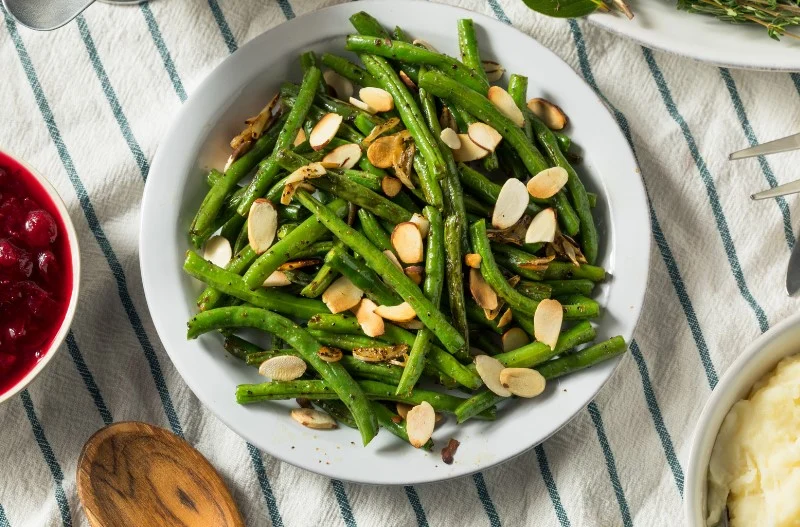
1. Sauteed Green Beans with Garlic: A Classic Counterpoint
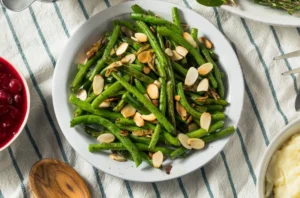
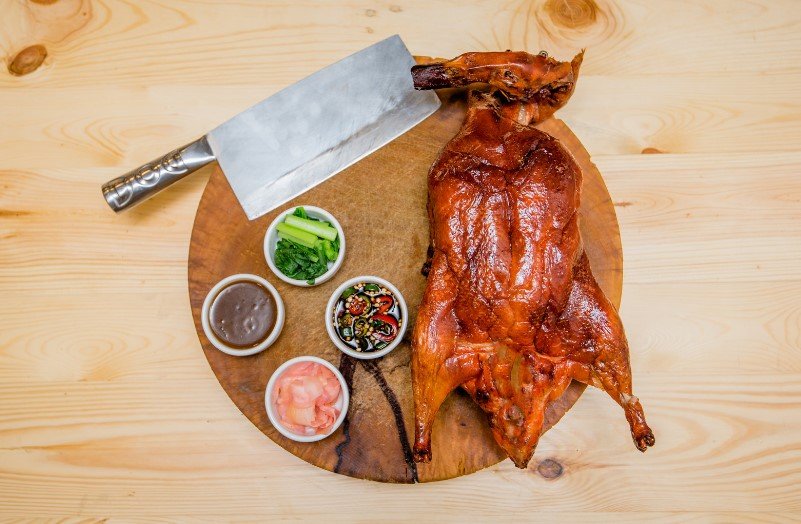
For many, the quintessential duck experience is Peking duck, celebrated for its shatteringly crisp skin and succulent meat. To complement the intricate flavors of Asian-inspired duck preparations, sauteed green beans with garlic emerge as a remarkably effective choice. This side, while seemingly simple, offers a refreshing crispness and aromatic punch that beautifully contrasts the richness of the duck.
The preparation of green beans with garlic is deceptively straightforward, yet its impact is profound. The vibrant green hue adds visual appeal to the plate, while the garlic imparts a savory depth. These beans, when cooked to a perfect al dente, provide a satisfying textural element. As noted in various culinary resources, a well-executed sauteed green bean dish can hold its own against even the most robustly flavored duck. For a more substantial meal, a simple side of steamed or seasoned rice can be introduced, creating a well-rounded Asian-inspired ensemble. The practice of pairing crisp vegetables with rich meats is a time-honored culinary tradition, often seen in cuisines across Asia and the Mediterranean.
2. Honey Garlic Veggie Stir-Fry: A Symphony of Sweet and Savory
Continuing with the theme of Asian-inspired pairings, a honey garlic vegetable stir-fry presents another exceptional option for complementing roast duck. The beauty of this dish lies in its inherent adaptability; it can be tailored to incorporate a wide array of vegetables, utilizing whatever is in season or readily available. This flexibility ensures a dynamic and visually appealing side dish.

The appeal of a honey garlic stir-fry extends beyond its customizable nature. The sauce, a delicate balance of sweet honey and savory garlic, often infused with umami-rich ingredients like soy sauce, creates a complex flavor profile. This glaze not only coats the vegetables but also provides a delightful base for dipping pieces of duck, allowing the meat’s flavors to meld with the sweet and savory notes of the sauce. The inclusion of ingredients such as shallots, chickpeas, snap peas, and red peppers can create a vibrant, rainbow-like presentation on the plate, enhancing the overall dining experience. The concept of a glaze that complements rather than overpowers is a key principle in sophisticated culinary pairings.
3. Duck Fat Fries: The Indulgent Embrace
A direct nod to traditional culinary practices, duck fat fries, or Pommes de Terre à la Sarladaise, offer an undeniably decadent and authentic pairing, particularly with duck confit or pan-seared duck breast. These are not merely ordinary French fries; they are a celebration of the duck’s own rendered fat, transformed into a crispy, flavorful delicacy.
Historically, this dish originated in the Périgord region of France, where duck fat is a cornerstone of the local cuisine. The traditional preparation involves thick, coin-sized slices of potato fried in the rendered fat from the duck. Modern interpretations often embrace different potato varieties, such as fingerling potatoes, which, when halved lengthwise, offer a delightful contrast of crispy skin and edges against a pillowy soft interior. The preparation is remarkably simple, often requiring only potatoes, duck fat, and salt, yet the resulting flavor is profound. The use of coarse, flaky sea salt to finish the fries further enhances their texture and taste. The strategic use of an ingredient inherent to the main protein is a hallmark of classic French cooking and creates an unparalleled depth of flavor.

4. Scalloped Potatoes: A Creamy Indulgence
The assertion that scalloped potatoes pair well with virtually everything is a sentiment echoed by many. This classic dish, featuring thinly sliced potatoes bathed in a rich, creamy cheese sauce, embodies a comforting decadence that can beautifully complement the inherent richness of duck. When duck is already a luxurious protein, doubling down with an equally decadent side dish can result in an unforgettable meal.
The preparation of homemade scalloped potatoes is surprisingly accessible, offering a far superior flavor and texture compared to boxed alternatives. This side dish is versatile enough to accompany a variety of duck preparations, including pan-seared, roasted, or braised duck. The creamy sauce, often infused with cheese, provides a velvety texture that coats the palate, while the tender potatoes offer a comforting base. For larger gatherings, the recipe can be easily scaled, ensuring that all guests can enjoy this indulgent pairing. The concept of pairing rich meats with creamy, comforting starches is a widespread culinary practice, offering a sense of warmth and satisfaction.
5. Sesame Glazed Carrots: Sweet Simplicity with an Elegant Finish
Sesame glazed carrots offer a dish that is both visually appealing and deceptively simple to prepare, yet possesses an elegant finish that belies its ease. This side dish proves to be a versatile accompaniment, harmonizing with duck preparations regardless of the cooking method or spices employed.

The inherent sweetness of carrots, particularly petite or baby varieties, when enhanced by a simple glaze, creates a delightful counterpoint to the savory notes of duck. The addition of sesame seeds imparts a subtle nuttiness and a pleasing textural contrast. The glaze, often a blend of honey or another sweetener with soy sauce and sesame oil, creates a glossy finish that is both attractive and flavorful. This dish can be easily adapted, with the option to incorporate additional vegetables or serve it over rice, further enhancing its versatility. The artful balance of sweet and savory, with a hint of nuttiness, makes this a standout pairing.
6. Fresh Herb Polenta with Parsnip Chips and Maple Butter: The Culinary Revelation
For those seeking to truly "wow" their guests, the combination of fresh herb polenta with parsnip chips and maple butter presents a sophisticated and unforgettable side dish. This offering, often found in high-end restaurant settings, brings together a symphony of textures and flavors that elevate duck to an entirely new level.
The creamy, herbaceous polenta provides a smooth, comforting base that beautifully absorbs the rich flavors of the duck. The parsnip chips introduce a welcome crunch and a subtle, earthy sweetness, adding a layer of complexity. The unexpected element of maple butter, with its distinct sweet and slightly savory profile, acts as a surprising yet delightful bridge between the duck and the other components of the dish. This particular combination has been lauded for its ability to transform a meal, offering a truly next-level dining experience. The interplay of creamy, crunchy, herbaceous, and sweet elements creates a dynamic and memorable culinary experience.

7. Balsamic Spinach Salad: A Bright and Refreshing Contrast
In instances where a lighter accompaniment is desired to balance the inherent richness of duck, a bright and refreshing balsamic spinach salad emerges as an ideal choice. Duck, often cooked with its own rendered fat, benefits from the acidity and freshness that a well-crafted salad can provide.
This salad can be served alongside any duck preparation, regardless of the cooking method. A classic green salad offers a palate-cleansing quality that can be particularly welcome after a rich duck course. To enhance its substance and ensure it can stand as a complete side dish, the salad can be generously bulked up with ingredients such as toasted nuts, seeds, creamy avocado, and sharp cheeses. Alternatively, a simpler rendition can serve as an elegant starter to the meal. The inclusion of a creamy balsamic vinaigrette adds a tangy depth that complements the duck without overwhelming it. The strategic use of acidity and fresh ingredients to cut through richness is a fundamental principle in balanced meal composition.
Frequently Asked Questions About Duck Pairings
What kind of wine do you drink with duck?
Pinot Noir is widely considered a classic and reliable companion for most duck dishes, offering its earthy notes and bright acidity. For grilled or crispy duck breast, consider bolder options such as Malbec, Syrah, or Chianti, which can stand up to the robust flavors and textures.

What sides go with duck confit?
Traditionally, duck confit is paired with Pommes de Terre à la Sarladaise, a dish of thick, coin-sized potatoes fried in the rendered duck fat. This preparation leverages the inherent flavors of the duck, creating a deeply satisfying and authentic accompaniment.
The thoughtful selection of side dishes is an art form that can significantly enhance the dining experience of a meticulously prepared duck. By understanding the inherent characteristics of duck and employing a range of complementary flavors and textures, any meal can be elevated from ordinary to extraordinary. The suggestions provided offer a starting point, encouraging culinary exploration and the discovery of personal favorites that transform the humble act of dining into a memorable gastronomic event.