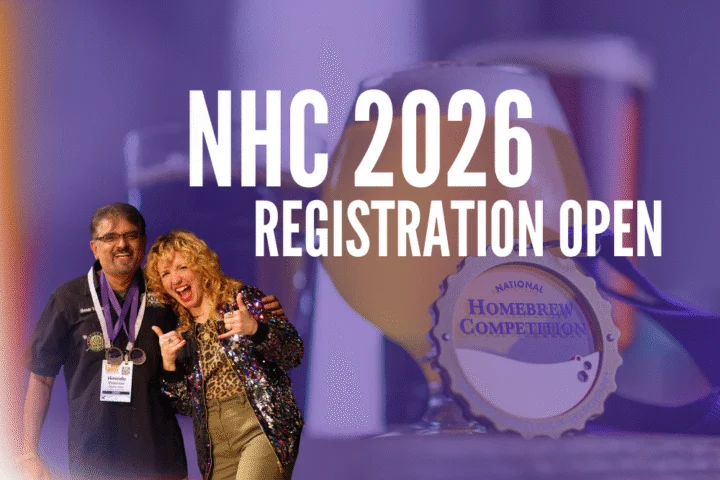

The registration period is currently active and is scheduled to conclude promptly on February 25, 2026, at 8:00 AM Mountain Time. Prospective entrants are encouraged to act quickly, as the competition features a strict participation cap across its regional sites. This year’s competition structure involves a multi-tiered judging process designed to ensure rigorous evaluation and high-quality feedback for all participants. The event serves not only as a contest for medals but also as an educational cornerstone for the homebrewing community, providing entrants with professional-level sensory analysis from some of the most qualified judges in the industry.
Historical Context and the Evolution of Homebrewing Excellence
The National Homebrew Competition has been the heartbeat of the American homebrewing movement for nearly five decades. Its origin in 1979 followed closely on the heels of the federal legalization of homebrewing in the United States, which occurred when President Jimmy Carter signed H.R. 1337 in late 1978. Since that pivotal moment, the AHA, founded by Charlie Papazian, has utilized the NHC to elevate the standards of amateur brewing from a clandestine kitchen hobby to a sophisticated craft that frequently rivals commercial production.
Over the last 48 years, the NHC has mirrored the explosive growth of the American craft beer industry. Many of the most celebrated figures in the professional brewing world—including founders of iconic breweries like Sierra Nevada, Dogfish Head, and Bell’s Brewery—trace their roots back to the homebrewing community and the competitive spirit fostered by the AHA. The 2026 competition represents a continuation of this legacy, providing a platform where innovation meets tradition. The sheer scale of the event, with over 170,000 historical entries, highlights the enduring passion of the community and the persistent drive for technical perfection in fermentation.
Competition Structure and the Road to Asheville
The 2026 National Homebrew Competition is organized into eleven distinct events, comprising nine First Round judging sites and a culminating Final Round and awards ceremony. The First Round judging sites are strategically distributed to manage the volume of entries, though the AHA allows brewers to select their preferred site regardless of their geographic proximity. This flexibility is a significant logistical advantage for brewers who may have specific preferences for regional hubs.
Each First Round location is limited to a maximum of 750 entries. This cap is essential for maintaining the integrity of the judging process, ensuring that each entry receives the appropriate amount of time and attention from the judging panels. The First Round evaluation period involves thousands of volunteer hours from BJCP-certified judges, Cicerones, and experienced members of the brewing community. These experts use standardized scoresheets to provide quantitative and qualitative feedback, which is then delivered to the entrants via the Brewing Application Portal (BAP).
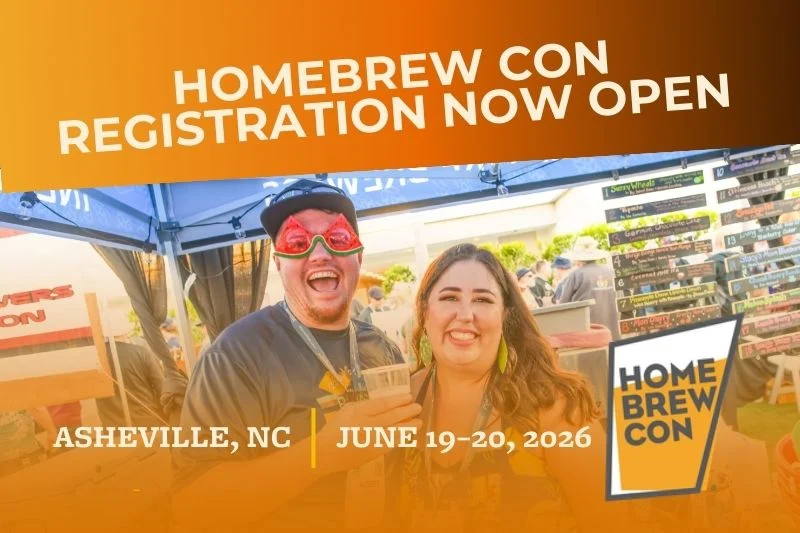
The 2026 Final Round and the subsequent awards ceremony will take place in June in Asheville, North Carolina, coinciding with Homebrew Con, the AHA’s annual national conference. Asheville, frequently cited as "Beer City USA," provides a fitting backdrop for the finale. The city’s dense concentration of craft breweries and its vibrant fermentation culture offer an immersive environment for the hundreds of finalists who will advance from the regional rounds. To qualify for the Final Round, an entry must secure a Bronze, Silver, or Gold medal in its specific category during the First Round judging.
Technical Standards and the Judging Process
Central to the prestige of the NHC is its partnership with the Beer Judge Certification Program (BJCP). The BJCP provides a standardized framework for evaluating beer, cider, and mead, ensuring that every entry is judged against established style guidelines. This rigorous approach minimizes subjectivity and provides brewers with a clear understanding of how their products compare to the "gold standard" for any given style.
Judges at the NHC are among the most highly trained sensory analysts in the world. Many hold National, Master, or Grand Master rankings within the BJCP, or are Advanced and Master Cicerones. The evaluation process involves a blind tasting where judges assess appearance, aroma, flavor, mouthfeel, and overall impression. For the amateur brewer, the feedback provided on the scoresheet is often more valuable than a medal, as it offers professional insight into technical flaws, such as oxidation, off-flavors like diacetyl or acetaldehyde, and suggestions for recipe refinement.
The competition categories cover the full spectrum of fermented beverages. While traditional beer styles like India Pale Ale, Stout, and Pilsner remain the most populated categories, the NHC also places a significant emphasis on mead and cider. The inclusion of these categories reflects the diverse interests of the AHA membership and the historical importance of all fermented beverages in the homebrewing tradition.
Logistical Timeline and Key Dates
The 2026 competition follows a strict chronological framework to manage the thousands of entries expected from across the country and abroad.
- Registration Window: Open now through February 25, 2026 (8:00 AM MT).
- First Round Site Selection: Brewers must secure their spot at one of the nine regional sites during the registration window.
- First Round Judging and Receiving: Dates vary by location, with specific windows for shipping and drop-off to be finalized and communicated to entrants.
- Final Round Notification: Brewers whose entries advance to the Final Round will be notified by May 1, 2026.
- Final Round Receiving: Shipping windows for finalists will be confirmed by May 1.
- Awards Ceremony: Held in June 2026 during Homebrew Con in Asheville, NC.
The AHA emphasizes that the National Homebrew Competition is an exclusive benefit for its members. To participate, brewers must hold an active AHA membership. This requirement ensures that the competition remains a community-focused event that supports the advocacy and educational missions of the association.
The Broader Impact on the Craft Beverage Industry
The implications of the National Homebrew Competition extend far beyond the awarding of medals. The NHC serves as a vital R&D lab for the entire beer industry. Trends that eventually dominate the commercial market—such as the rise of hazy IPAs, the resurgence of sour ales, and the experimentation with ancient grains—often find their first expression in the homebrewing circuit. By providing a platform for these innovations, the NHC helps drive the evolution of flavor profiles and brewing techniques.
Furthermore, the competition has a significant economic impact. The homebrewing hobby supports a robust network of small businesses, including local homebrew supply shops and ingredient manufacturers. The drive to compete at the national level encourages hobbyists to invest in high-quality equipment and premium ingredients, contributing to a niche but vital sector of the agricultural and manufacturing economies.
From a professional development perspective, the NHC is a talent scout’s dream. Commercial breweries frequently look to the results of the NHC to identify rising stars in the brewing world. Winning a medal at the NHC is a significant credential that can launch a professional career, providing proof of a brewer’s technical proficiency and creativity.
Official Responses and Community Engagement
The leadership of the American Homebrewers Association has expressed high expectations for the 2026 cycle. In a move to increase transparency and engagement, the AHA has invited members to participate in a deep-dive Q&A session on the official AHA forum. This session, featuring the Chair and Deputy Chair of the competition, allows participants to ask technical questions about the Brewing Application Portal (BAP), category requirements, and the logistics of the Asheville finals.
"The National Homebrew Competition is the ultimate celebration of the hobbyist’s craft," stated the AHA in their official announcement. "It is a chance for brewers to step onto the world stage and have their hard work recognized by the best in the business."
As registration moves toward the February deadline, the brewing community is already buzzing with activity. Local homebrew clubs often organize internal competitions to determine which of their members’ brews are most likely to succeed at the national level. This grassroots engagement is the foundation of the NHC, turning a solitary kitchen activity into a collective pursuit of excellence.
Conclusion and Future Outlook
As the 2026 National Homebrew Competition enters its registration phase, it remains a testament to the enduring appeal of craft fermentation. By maintaining high standards of judging, providing a clear path to national recognition, and fostering a sense of community among amateur brewers, the NHC continues to be the gold standard of brewing competitions. Whether a participant is a first-time entrant looking for feedback or a seasoned veteran aiming for a "Homebrewer of the Year" title, the 2026 NHC offers a unique opportunity to be part of brewing history. With the final awards ceremony set against the backdrop of Asheville’s storied beer scene, the 48th year of the competition promises to be one of the most exciting and competitive to date. Participants are urged to complete their registration and site selection before the February 25 deadline to ensure their place in this historic event.