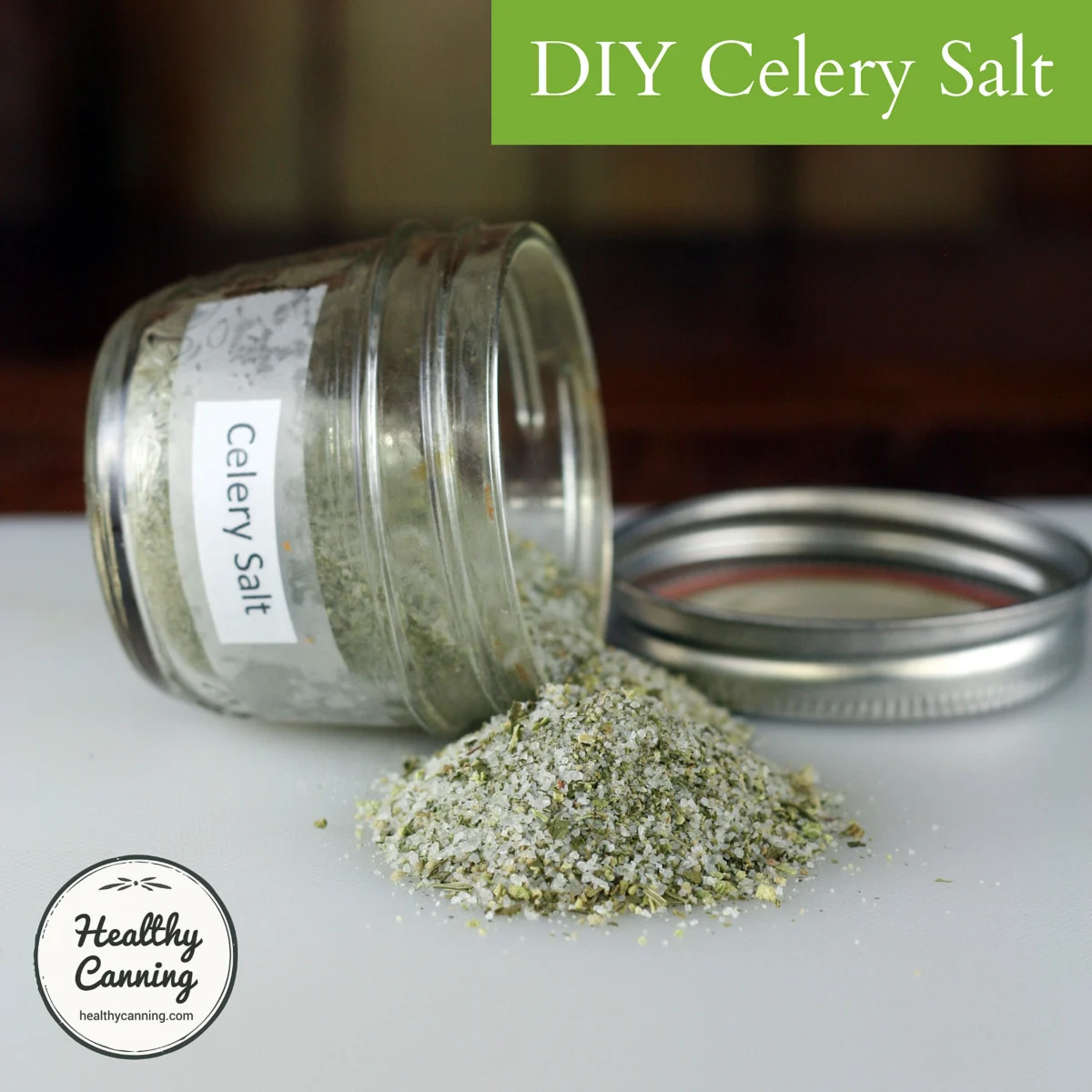

The global culinary landscape is currently witnessing a significant shift toward artisanal self-sufficiency, as consumers increasingly opt to manufacture staple seasonings like celery salt within the domestic environment rather than relying on commercially processed alternatives. This movement, driven by a combination of economic necessity, health consciousness, and a desire for gourmet customization, has transformed a once-simple condiment into a focal point of the modern "clean label" movement. Celery salt, a fundamental ingredient in classic American recipes ranging from the Chicago-style hot dog to the Bloody Mary cocktail, is now being reimagined by home economists and culinary enthusiasts who prioritize ingredient transparency and cost-efficiency.
The Economic Context of Homemade Seasonings
The financial incentive for producing celery salt at home is substantial, often described by home economists as costing "pennies on the dollar" compared to retail prices. In the current inflationary environment, the price of bottled spices has seen a marked increase. A standard 4-ounce jar of brand-name celery salt typically retails between $4.00 and $6.00 in North American supermarkets. Conversely, the raw materials—bulk celery seeds and table salt—can be acquired for a fraction of that cost. When households utilize "celery powder" derived from dehydrated celery scraps that would otherwise be discarded, the cost of the celery component drops to nearly zero, effectively making the salt the only overhead expense.
Data from consumer price indices suggests that the markup on pre-packaged spice blends often exceeds 1000% of the raw material cost. By transitioning to a Do-It-Yourself (DIY) model, a household can produce a high-quality 75-gram yield (approximately five tablespoons) for an estimated cost of less than $0.20. This economic advantage is a primary driver for the resurgence of home preservation techniques, as documented by organizations such as the Master Food Preserver groups.

Technical Methodology and Culinary Customization
The production of celery salt involves a relatively straightforward ratio, typically two parts salt to one part celery component, though this is frequently adjusted to suit specific palates. The "gourmet" evolution of this staple lies in the diversity of the ingredients used. Unlike commercial versions, which almost exclusively utilize standard table salt and ground celery seed, the DIY approach allows for the integration of diverse mineral salts.
- Base Salt Selection: Enthusiasts are increasingly utilizing sea salt, smoked salt, and Himalayan pink salt. Each variation imparts a different chemical profile and "mouthfeel." Smoked salt, for instance, adds a phenolic depth that complements grilled meats, while pink salt introduces trace minerals such as magnesium and potassium.
- The Celery Component: There are two primary methods for sourcing the celery flavor. The traditional method involves grinding whole celery seeds (Apium graveolens) into a fine powder. The modern "gourmet" method involves the use of a food dehydrator to dry fresh celery stalks and leaves, which are then pulverized into a vibrant green powder. This latter method is praised for its intense, fresh aroma and its role in reducing household food waste.
- Sodium-Free Alternatives: For individuals with hypertension or other cardiovascular concerns, the DIY model facilitates the creation of sodium-free "celery salt." By substituting traditional sodium chloride with potassium-based alternatives or herbal blends like Herbamare, consumers can replicate the flavor profile of the seasoning without the associated health risks.
Health Implications and the "Clean Label" Trend
The medical community, including the American Heart Association (AHA) and the World Health Organization (WHO), has long advocated for a reduction in global sodium intake. Commercial celery salts often contain anti-caking agents such as silicon dioxide or calcium silicate to ensure a free-flowing consistency and a long shelf life. While these additives are generally recognized as safe (GRAS) by the FDA, a growing segment of the population seeks to eliminate non-essential chemicals from their diet.
By producing celery salt at home, consumers gain absolute control over the ingredient list. This "clean label" approach ensures that no fillers or preservatives are present. Furthermore, the ability to adjust the salt-to-celery ratio allows for a "low-sodium" version where the celery flavor is intensified, reducing the need for excessive salt to achieve the desired seasoning effect. Health analysts suggest that this granular control is essential for managing chronic conditions while maintaining culinary satisfaction.
Historical Chronology and Cultural Significance
The history of celery salt is deeply intertwined with the industrialization of the American food supply. Celery itself was a luxury item in the mid-19th century, often served in elaborate "celery vases" on the tables of the wealthy. As cultivation expanded in the late 1800s, particularly in the marshlands of Michigan, the vegetable became more accessible.

- Late 1800s: Celery salt emerges as a shelf-stable way to preserve the flavor of the highly seasonal vegetable.
- 1920s: The "Chicago Style" hot dog is popularized during the Great Depression, famously featuring a "dash of celery salt" as a signature requirement.
- 1939: The creation of Old Bay Seasoning by Gustav Brunn in Baltimore cements celery salt as a foundational component of American seafood spice blends.
- 2010s-Present: The DIY movement gains momentum via digital platforms, focusing on food preservation and "from-scratch" cooking.
Today, the seasoning is considered a regional icon in the Midwestern and Mid-Atlantic United States, but its utility has expanded globally as a versatile flavor enhancer for soups, stews, and vegetable juices.
Official Responses and Expert Perspectives
Culinary experts and food safety advocates emphasize that while making dry spice mixes is low-risk, the equipment used must be properly maintained. Master Food Preserver groups, which provide technical assistance to home cooks, note that the moisture content in homemade celery powder must be near zero to prevent clumping and the potential for mold growth.
"The shift toward DIY seasonings is not merely a hobby; it is a sophisticated response to a centralized food system," states a representative from a leading home preservation advocacy group. "When a consumer chooses to grind their own celery seed or dehydrate their own stalks, they are reclaiming a level of food sovereignty that was lost during the mid-20th century."
Furthermore, nutritionists point out that the volatile oils in celery seed, such as limonene and p-cymene, begin to degrade immediately after grinding. Therefore, homemade celery salt often possesses a superior aromatic profile compared to commercial versions that may have sat on warehouse shelves for months or years.
Broader Environmental and Social Impact
The implications of the DIY celery salt trend extend beyond the individual kitchen. From an environmental perspective, the reduction in single-use plastic and glass spice jars contributes to a decrease in the carbon footprint associated with packaging and transportation. Consumers who buy bulk seeds and salt and reuse their existing containers are participating in a circular economy.
Socially, the sharing of custom recipes and "salt-free" formulations has fostered online communities dedicated to health-conscious cooking. This democratization of culinary knowledge allows individuals with restricted diets to enjoy complex flavors that were previously unavailable in the "one-size-fits-all" retail market.
Conclusion: The Future of Home Seasoning
As technology such as high-efficiency dehydrators and precision spice grinders becomes more affordable, the barrier to entry for producing professional-grade seasonings continues to lower. The case of celery salt serves as a microcosm for a larger trend in the food industry: the move away from ultra-processed, standardized products toward customized, high-quality, and ethically produced ingredients.
While commercial manufacturers will likely always maintain a market share due to convenience, the rise of the "gourmet DIY" sector represents a permanent shift in consumer behavior. The ability to produce a 75-gram batch of premium, additive-free seasoning for a few cents is a compelling proposition that aligns with the modern values of health, economy, and culinary excellence. As this trend matures, it is expected that more households will view their spice cabinets not as a collection of store-bought jars, but as a laboratory for personal health and gastronomic creativity.