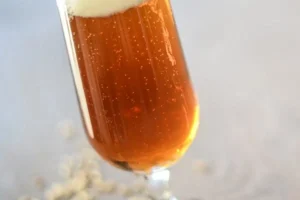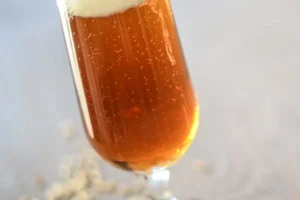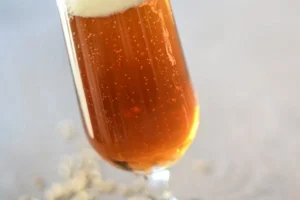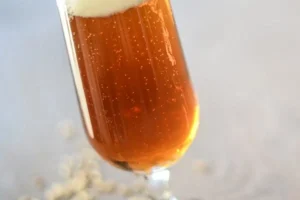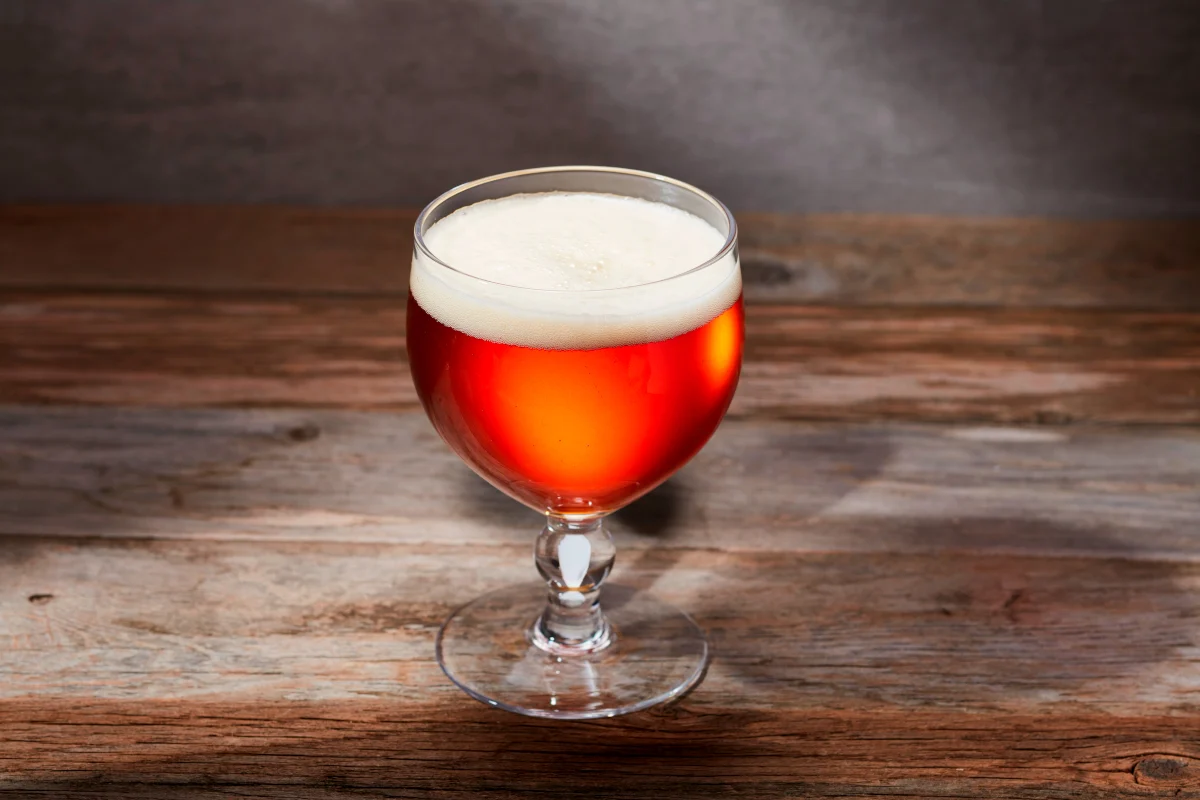

The American Homebrewers Association has released the technical specifications for a gold-medal-winning copper ale, providing a detailed blueprint for a beer that exemplifies the intersection of traditional German brewing methodology and modern homebrewing precision. This specific entry, which secured a top honor at the National Homebrew Competition, represents a masterclass in balance, featuring a 5% alcohol by volume (ABV) and a refined bitterness profile of 20 International Bitterness Units (IBU). The recipe serves as a significant case study for enthusiasts and professional brewers alike, illustrating how meticulous temperature control and water chemistry contribute to the production of world-class lager-style ales.
Technical Specifications and Profile Analysis
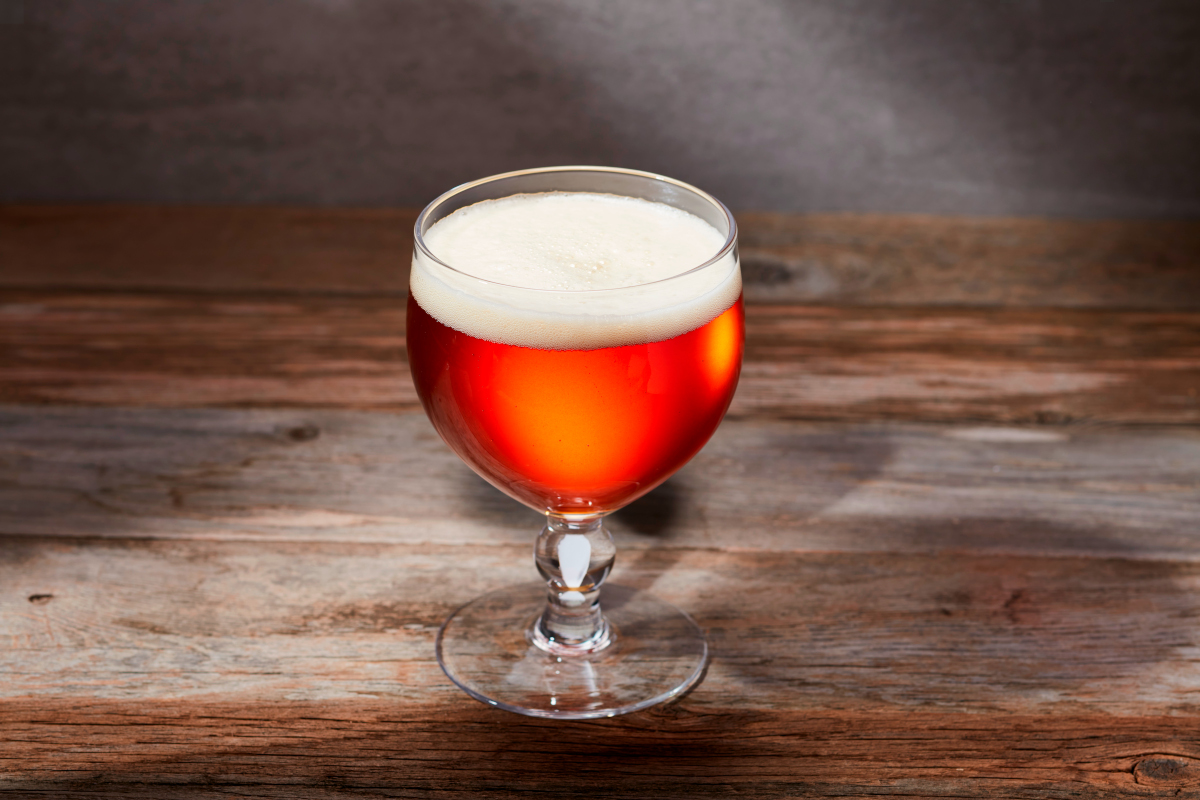
The recipe is designed for a standard 5.5-U.S. gallon (20.8 L) yield, targeting an original gravity (OG) of 1.049 (12.2°P) and a final gravity (FG) of 1.011 (2.7°P). This specific gravity delta ensures a medium-light body with a crisp finish, characteristic of high-quality amber or copper-colored session beers. With a Standard Reference Method (SRM) color rating of 11, the resulting beverage presents a deep copper hue, achieved through a precise blend of base and specialty malts.
Efficiency is calculated at 68%, a realistic figure for home-scale systems that prioritizes quality extraction over sheer volume. The low IBU count of 20 indicates that the hop profile is intended to be supportive rather than dominant, allowing the malt complexity and fermentation purity to take center stage. This balance is a hallmark of the Vienna Lager or Altbier categories, though the technical directions suggest a lager-process approach.
The Hochkurz Mash: A Tradition of Efficiency
A defining feature of this gold-medal process is the utilization of the Hochkurz mash schedule. This traditional German mashing technique, which translates to "high-short," is designed to optimize enzymatic activity while minimizing the time the mash spends in temperature zones that might negatively impact foam stability or clarity.
The process begins with Reverse Osmosis (RO) water, providing a "blank slate" for the brewer. By treating the strike water with specific brewing salts, the brewer can tailor the mineral profile to accentuate the malt’s sweetness or the hop’s crispness. The mash-in occurs at 146°F (63°C), a temperature that favors beta-amylase activity. This enzyme is responsible for breaking down complex starches into maltose, the primary fermentable sugar for yeast. Holding this temperature for 20 minutes ensures a highly fermentable wort, contributing to the beer’s dry finish.
The temperature is then increased to 156°F (69°C) for a 35-minute hold. This stage prioritizes alpha-amylase, which produces longer-chain sugars (dextrins) that provide body and mouthfeel. By splitting the saccharification rest into these two distinct steps, the brewer achieves a level of control over the beer’s attenuation and "chewiness" that a single-infusion mash cannot offer. Finally, the mash is raised to 168°F (76°C) for the mashout, a step that halts enzymatic activity and reduces the viscosity of the wort for more efficient lautering.
Boil Dynamics and Hopping Strategy
The recipe mandates a 90-minute boil, which is longer than the standard 60-minute cycle. This extended duration serves several critical functions in professional-grade brewing. First, it ensures the complete volatilization of S-Methylmethionine (SMM), a precursor to Dimethyl Sulfide (DMS), which can impart an undesirable cooked-corn flavor to the finished beer. Second, the longer boil aids in the coagulation of proteins (hot break), leading to a clearer final product.
The hopping schedule is notably minimalist, utilizing Magnum hops at the 60-minute mark. Magnum is prized in the industry for its "clean" bitterness; it provides the necessary structural balance to the malt without introducing overwhelming floral or citrus aromatics that might clash with the delicate copper ale profile. A Whirlfloc tablet is added with 10 minutes remaining in the boil to further assist in protein precipitation and clarity.
Fermentation Science and Temperature Management
Perhaps the most critical phase of this award-winning process is the fermentation and lagering schedule. After chilling the wort to a precise 50°F (10°C), the brewer oxygenates the liquid—a vital step for yeast health—and adds a Servomyces nutrient capsule. The yeast is then pitched at this cool temperature to suppress the production of esters and fusel alcohols, ensuring a clean, "lager-like" fermentation profile.
The fermentation chronology is divided into three distinct phases:
- Primary Fermentation: Held at 50°F (10°C) for five to seven days. This is where the bulk of the sugar conversion occurs under strict thermal control.
- Diacetyl Rest: The temperature is allowed to "free rise" to 58°F (14°C) and held for seven days. This warmer phase encourages the yeast to reabsorb diacetyl, a byproduct of fermentation that tastes like artificial butter.
- Cold Crashing and Lagering: Once a forced diacetyl test confirms the absence of off-flavors and gravity readings show full attenuation, the temperature is dropped gradually by 2–4°F per day. This slow ramp-down prevents yeast shock and encourages the beer to clear naturally as it reaches a storage temperature of 35–37°F (2–3°C).
The Path to Competition Success
The inclusion of a "forced diacetyl test" in the directions highlights the rigorous standards required for competition-level brewing. In this test, a sample of the fermenting beer is heated in a sealed container and then cooled; the heat accelerates the conversion of precursors into detectable diacetyl, allowing the brewer to know with certainty if the beer requires more time on the yeast before being chilled.
For the final presentation, the recipe suggests the addition of gelatin—a fining agent—during the kegging process to ensure "brilliant" clarity. The beer is carbonated to 2.6 volumes of CO2, a moderate level of effervescence that enhances the aroma without being overly prickly on the palate.
Context and Industry Implications
The release of this recipe comes at a time when the American craft beer landscape is seeing a resurgence of interest in "brewer’s beers"—styles like the Vienna Lager, Helles, and Altbier that prioritize technical perfection over extreme hop levels or adjunct additions. The National Homebrew Competition, organized by the American Homebrewers Association, remains the premier proving ground for these styles.
Winning a gold medal in a category like "Copper Ale" requires a brewer to navigate a narrow window of stylistic acceptability. Any flaw—be it a slight haze, a hint of diacetyl, or an unbalanced bitterness—is immediately apparent to the certified judges of the Beer Judge Certification Program (BJCP).
Industry analysts suggest that the transparency provided by the AHA in sharing these winning recipes helps elevate the entire hobby. By detailing the use of RO water, Hochkurz mashing, and specific fermentation ramps, the association provides a roadmap for newer brewers to improve their technical proficiency. Furthermore, many professional craft breweries began as homebrewing operations; thus, the techniques seen in gold-medal homebrew recipes often find their way into commercial production.
Conclusion: The Precision of the Craft
The success of this 5% ABV copper ale lies not in a "secret ingredient," but in the disciplined execution of every stage of the brewing process. From the mineral composition of the water to the gradual temperature shifts during lagering, every variable is accounted for. This recipe stands as a testament to the fact that in the world of competitive brewing, technical mastery of the fundamentals is the most reliable path to the podium.
As homebrewing continues to evolve, the emphasis on laboratory-grade precision—such as the use of yeast nutrients, forced diacetyl tests, and specific enzymatic rests—indicates a narrowing gap between the hobbyist and the professional. For those looking to replicate this gold-medal success, the message is clear: the beauty of a copper ale is found in its balance, and that balance is achieved through the rigorous application of brewing science.