
The quest for extended youth and a prolonged, healthy lifespan has captivated humanity for centuries, but never before has it manifested with such public spectacle and scientific scrutiny as through the efforts of individuals like Bryan Johnson. Johnson, a tech entrepreneur and the subject of the Netflix documentary Don’t Die, has become a prominent figure in the burgeoning longevity space, famously dedicating millions of dollars annually to an ambitious regimen aimed at reversing his biological age. His journey has thrust the concept of "bio age testing" into the mainstream, prompting widespread curiosity and critical examination of its scientific validity and practical utility.
The Pursuit of Youth: Bryan Johnson’s Blueprint for Biological Reversal
Bryan Johnson’s anti-aging protocol, known as Project Blueprint, is a meticulously engineered daily routine designed to optimize every facet of his biological functioning. Reportedly spending upwards of $2 million each year, Johnson’s regimen is a complex mosaic of cutting-edge treatments and disciplined lifestyle choices. It includes dozens of daily supplements tailored to specific cellular pathways, weekly acid peels to maintain skin elasticity, collagen-boosting injections, regular hyperbaric oxygen therapy sessions, and controversially, plasma infusions derived from his 17-year-old son.
Central to Project Blueprint is the constant measurement and analysis of Johnson’s biological markers. He claims these rigorous tests indicate a significant reversal, stating his biological age is now 5.1 years younger than when he commenced his anti-aging quest. This assertion, that he is "aging in reverse," has been met with both fascination and skepticism. A notable New York Times exposé, for instance, challenged Johnson’s claims, suggesting that his biological age had, in reality, increased by 10 years. This divergence highlights a critical debate within the scientific community regarding the reliability and interpretation of bio-age measurements.
Despite the controversy, Johnson’s "don’t die" crusade continues to gain traction. The concept of biological age testing is a frequent topic on popular health and science podcasts hosted by figures like Peter Attia, Joe Rogan, and Andrew Huberman. A simple Google search for "bio age testing" yields dozens of advertisements for mail-order blood or urine testing kits, promising to reveal one’s biological age, pace of aging, and other intricate health metrics. As the price point for these tests becomes increasingly accessible, a fundamental question emerges for both individuals and health professionals: should one engage in bio age testing, and if so, what is the most effective approach and how should the results inform personal health decisions?
Defining Biological Age: Beyond the Birthday Candles
At its core, biological age (or bio age) refers to the physiological and functional state of an individual’s cells and tissues, independent of their chronological age. Unlike chronological age, which is simply the number of years since birth, biological age reflects the cumulative impact of genetics, lifestyle, environmental exposures, and disease on the body’s systems. This distinction is crucial because two individuals of the same chronological age can exhibit vastly different biological ages.
Consider the hypothetical example of Chang and Jabari, both 50 years old. Chang leads a sedentary life, works at a desk, spends evenings in front of the TV, resides in a highly polluted urban environment, consumes processed foods, and smokes. In stark contrast, Jabari exercises several times a week, lives in a pristine mountainous region, abstains from smoking, prioritizes a diet rich in vegetables, practices meditation, and engages in gardening. Genetics aside, it is reasonable to infer that Jabari’s lifestyle choices contribute to a younger biological age compared to Chang, whose habits accelerate cellular wear and tear. This illustrative comparison underscores the profound influence of modifiable lifestyle factors on the aging process.
The Science Behind the Tests: Unpacking Biomarkers of Aging
Bio age testing kits aim to quantify this physiological age by measuring specific biological markers of aging, often referred to as biomarkers. These biomarkers are measurable indicators of a biological state or condition. The scientific understanding of aging has advanced significantly, identifying several key molecular and cellular processes that contribute to age-related decline.
-
Telomeres: Some tests focus on the length of telomeres, which are protective caps at the ends of chromosomes. Telomeres shorten with each cell division, acting as a "mitotic clock" for cells. Critically short telomeres can trigger cellular senescence or apoptosis (programmed cell death), processes implicated in aging and age-related diseases. While telomere length is a recognized biomarker of cellular aging, the correlation between average telomere length in a blood sample and an individual’s overall biological age or health span remains a subject of ongoing research. Commercial telomere tests often face criticism for their methodology and the clinical relevance of their results for healthy individuals.
-
DNA Methylation: A more sophisticated approach involves measuring DNA methylation, a physiological process that chemically alters DNA without changing its underlying sequence. These epigenetic modifications can influence gene expression and are profoundly affected by aging. Scientists have developed "epigenetic clocks," such as the Horvath Clock and DunedinPACE, which analyze methylation patterns at specific sites across the genome to estimate biological age and even the pace of aging. These clocks were initially developed as research tools to study the effects of various interventions, environmental factors, and diseases on the aging process. While highly promising, their direct application for individual health decisions outside of a research context is still evolving. The cost for these advanced tests typically hovers around $300.
These high-tech methods contrast with traditional clinical biomarkers, many of which are routinely tracked by healthcare professionals. Blood pressure, cholesterol levels (LDL, HDL, triglycerides), and blood glucose are established biomarkers that predict the risk of future cardiovascular disease and type 2 diabetes, both leading causes of premature mortality. The key difference lies in the validation and clinical actionability: traditional biomarkers have clear thresholds and established medical interventions, whereas the clinical utility of many novel bio-age markers for healthy individuals is still being robustly investigated.
The Point of Biomarker Testing: Proactive Wellness and Motivation
The underlying rationale for biomarker testing, both advanced and conventional, is to empower individuals to monitor their wellness proactively rather than merely reacting to the onset of disease symptoms. For many, receiving objective data about their internal health state can serve as a powerful motivator. Discovering that one’s bones show signs of accelerated aging, for instance, might provide the necessary impetus to adopt a consistent strength training regimen.
Furthermore, biomarkers offer objective data, enabling individuals and their healthcare providers to quantitatively track and evaluate the efficacy of various health-related interventions. By monitoring blood pressure, an individual might observe that consistent physical activity lowers their readings, while a late-afternoon energy drink has the opposite effect. This data-driven approach allows for personalized adjustments to lifestyle and treatment plans.
Accessible Insights: Free and Routine Biomarker Assessments
While commercial bio-age tests can be costly, numerous scientifically validated assessments offer valuable insights into biological age and functional fitness—often for free. These readily accessible methods were used by researchers to assess the pace of aging long before the advent of high-tech blood-based tests.
-
The Sitting-Rising Test (SRT): This test simultaneously assesses strength, balance, and flexibility, all crucial components of healthy aging. Research indicates a strong correlation between low SRT scores and a higher risk of mortality. A 12-year study involving 4,200 adults aged 46-75 found that individuals with lower scores had a higher risk of dying from cardiovascular disease. To perform the test, lower yourself to the floor into a crisscross leg position, then stand back up, maintaining the same leg position. Start with 10 points and deduct one point for each body part (hand, shin, knee) used for leverage, and half a point for unsteadiness. A low score suggests that balance, coordination, muscle strength, and mobility may require attention.
-
Grip Strength: Your grip strength is a robust indicator of overall muscular strength and general fitness. Weakness in hand muscles often correlates with generalized muscle weakness throughout the body. Studies have linked poor grip strength to a higher likelihood of future mobility issues, such as slow walking speed and difficulty rising from a chair, even 25 years later. Furthermore, low grip strength has been associated with an increased risk of all-cause mortality, cardiovascular disease, stroke, and diabetes. One study even suggested grip strength to be a better predictor of longevity than blood pressure. To test it, squeeze a standard tennis ball as hard and as long as possible. Maintaining a strong grip for 15-30 seconds is considered good, while 90 seconds places one in the upper percentile.
-
Single Leg Balance Test: The ability to balance on one foot for an extended period is a critical measure of neuromuscular control and a predictor of fall risk, a leading cause of injury-related death among older adults. This test requires the coordinated effort of multiple bodily systems, including the eyes, inner ear (vestibular system), skeletal muscles, and brain. Impaired balance can serve as a warning sign for underlying health issues such as diabetes, heart disease, or cancer. To perform the test, stand near a wall or chair for safety, place hands on hips, lift one leg, and time how long you can hold the position. Compare your times to age-matched averages, such as those from a Duke University study (e.g., 30-39 year olds averaging 56-59 seconds, 80+ year olds averaging 11-13 seconds).
-
Perceived Fatigability (Pittsburgh Fatigability Scale): Chronic fatigue, distinct from temporary tiredness, can be an early indicator of an underlying health problem. If common culprits like poor sleep, dehydration, excessive caffeine, or chronic stress have been ruled out, persistent fatigue may signal conditions such as anemia, obesity, depression, cancer, or diabetes. For individuals aged 60 and older, fatigability—the perceived effort and exhaustion after an activity—is a recognized predictor of longevity. Higher scores on fatigability scales correlate with increased mortality risk and declines in physical function. The Pittsburgh Fatigability Scale asks individuals to rate their expected fatigue (0-5) after various activities. A total score below 15 is excellent, 15-24 is a warning, and 25 or above is considered severe and warrants medical consultation.
-
Body Composition: The ratio of muscle mass to body fat, or body composition, is more indicative of health and longevity than overall body weight. Both excessive body fat (linked to heart disease, high blood pressure, cancer, diabetes, inflammation) and insufficient muscle mass (sarcopenia, associated with similar risks, plus falls and cognitive issues) negatively impact health. While gold-standard methods like DEXA scans are costly, a simple tape measure can provide a comparably accurate estimate. Measurements of waist, hip, and neck circumference, along with age, sex, height, and weight, can be entered into online calculators to estimate body fat percentage.
Doctor-Approved Biomarker Tests: Essential for Preventative Care
Beyond these functional assessments, routine medical screenings provide invaluable, doctor-approved biomarker data, often covered by insurance as part of preventative care.
-
Comprehensive Blood Panel: Annual blood work is a cornerstone of preventative medicine. Key markers such as total cholesterol, LDL, HDL, triglycerides, Apolipoprotein B (Apo B), Lipoprotein (a), C-reactive protein (an inflammation marker), fasting glucose, and Hemoglobin A1C offer a snapshot of cardiovascular and metabolic health. These markers can often be influenced within 6-12 weeks through lifestyle changes, supplements, or medication, making them practical tools for monitoring interventions. Healthcare professionals use these numbers, along with blood pressure, to calculate an individual’s cardiovascular disease risk score.
-
Bone Density (DEXA Scan): Strong bones are a hallmark of healthy aging. Research on "super-agers" (individuals living robustly into their 90s and beyond) consistently highlights strong bone health as a defining feature. Bones are metabolically active organs that secrete substances like osteocalcin, a hormone thought to influence muscle function and brain neurotransmitters. As bone density declines, osteocalcin levels may drop, potentially contributing to age-related problems. Loss of bone density, or osteoporosis, significantly increases fracture risk, which in turn elevates mortality risk for up to a decade post-break. DEXA (Dual-energy X-ray absorptiometry) scans measure bone mineral content. While typically recommended for individuals over 65 or those with documented risk factors for osteoporosis, they provide crucial insights into skeletal health. A T-score between +1.0 and -1.0 indicates normal density, while scores below -1.0 suggest osteopenia or osteoporosis.
Commercial Bio-Age Tests: A Closer Look at High-Tech Options
For those willing to invest financially, the market offers advanced bio-age tests that delve deeper into molecular mechanisms of aging. However, it’s crucial to approach these with an understanding of their current limitations and scientific context.
-
DNA Methylation Tests (Epigenetic Clocks): As discussed, these tests analyze specific DNA methylation patterns to estimate biological age and aging pace. While tools like the Horvath Clock and DunedinPACE are invaluable in research, their commercial application to predict an individual’s complete health trajectory is still nascent. Aging is a heterogeneous process, affecting different organs at varying rates. A blood-based DNA methylation test provides insights into the methylation status of blood cells, but not necessarily the entire body or specific organs like the heart or brain. Such tests typically cost around $300 and should not replace comprehensive medical check-ups.
-
Telomere Analysis (qPCR Telomere Test): While the flow-FISH test is used in medicine to diagnose genetic diseases linked to abnormally short telomeres, the qPCR telomere test marketed to the public (around $100) is generally not used in research or clinical practice. Its reliability and clinical relevance for predicting aging in healthy individuals are widely debated. While offering a glimpse of curiosity, health and fitness decisions should not be solely based on these results.
-
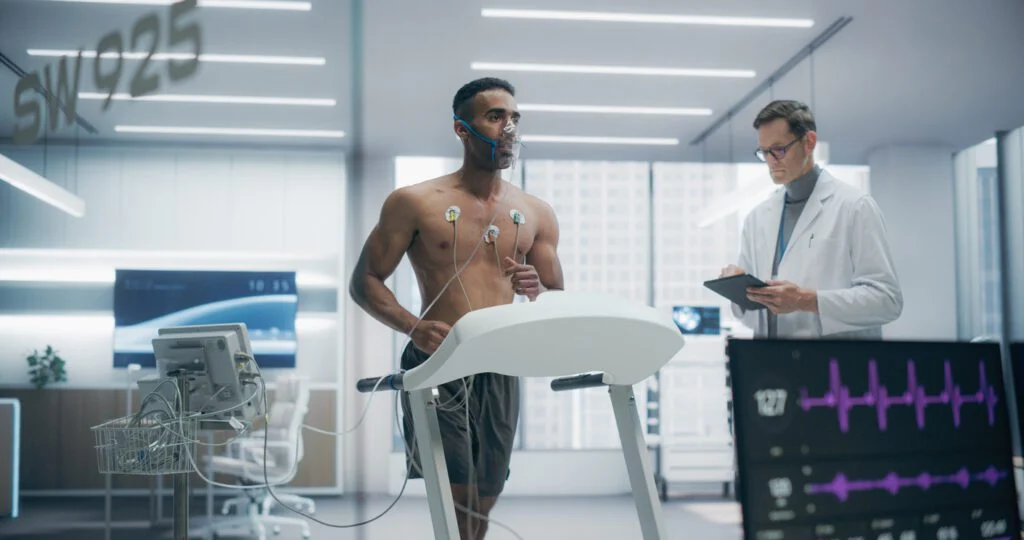
VO2 Max Testing: VO2 max, the maximum amount of oxygen the body can utilize during exercise, has long been a key metric for elite athletes. Increasingly, it is recognized as a powerful predictor of health span and longevity for the general population. High VO2 max correlates with improved physical fitness and a lower risk of heart disease, diabetes, cancer, and stroke. Studies have shown that individuals with above-average VO2 max in middle age live significantly longer. A decline in VO2 max with age (typically 10% per decade after 30) reflects a multitude of physiological changes, including reduced lung elasticity, weaker respiratory muscles, decreased heart efficiency, and mitochondrial dysfunction.
The most accurate VO2 max measurement requires laboratory testing, involving a metabolic mask and heart monitor during exhaustive exercise, costing around $150. However, more accessible alternatives exist:
- 1-Mile Walk Test: Walking one mile on a flat surface while wearing a heart rate monitor allows for VO2 max estimation using a specific formula or online calculator.
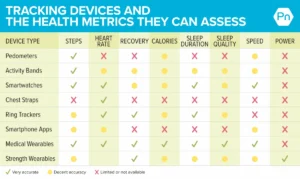
- Smartwatch Estimates: Many smartwatches provide VO2 max estimates based on workout data, sex, and age. While not as precise as lab tests, they can effectively track trends in fitness over time.
- 12-Minute Run (Cooper Test): This validated test involves running as far as possible on a flat surface for 12 minutes. The distance covered can then be plugged into a formula or online calculator to estimate VO2 max, showing a high correlation (approx. 90%) with lab-based measurements.
Caveats and Considerations for Commercial Tests:
It is important to acknowledge several caveats regarding commercial bio-age tests. Biological age can fluctuate with periods of intense stress or focused recovery. Furthermore, different organs can age at different rates. Most importantly, these commercial tests may not always accurately reflect the positive changes an individual is making. If one consistently adopts healthy lifestyle behaviors—eating well, exercising, managing stress, prioritizing sleep—the overall health benefits will manifest regardless of specific commercial test results. Finally, extreme caution is advised if test results are paired with aggressive sales pitches for proprietary and expensive supplement protocols. Consulting a trusted healthcare professional for interpretation and guidance is always paramount.
Translating Data into Action: How to Change Your Biological Age
The information gleaned from biomarker testing, whether free, routine, or commercial, should be viewed as precisely that: information. It is not a moral judgment nor a permanent verdict on one’s health. Crucially, biological age is not fixed; it is dynamic and can be influenced. You have options to improve it. However, many individuals make two common mistakes when it comes to longevity-related lifestyle changes.
Mistake #1: Ignoring Evergreen, Big-Impact Strategies
The most effective strategies for improving biological age and extending healthy lifespan are often the most straightforward, universally acknowledged, and, paradoxically, the most overlooked. These are the "big rock" health practices that, when consistently applied, accumulate into profound, lasting benefits. We are talking about foundational elements such as:
- Consuming a diverse, nutrient-dense diet rich in fruits, vegetables, lean proteins, and healthy fats.
- Engaging in regular physical activity, combining cardiovascular exercise with strength training.
- Prioritizing adequate, high-quality sleep.
- Effectively managing stress through practices like meditation, mindfulness, or hobbies.
- Avoiding harmful substances like tobacco and excessive alcohol.
- Maintaining healthy social connections.
- Minimizing exposure to environmental toxins.
Thousands of studies consistently demonstrate that individuals who integrate these high-impact strategies not only live longer but experience a significantly higher quality of life in their later years, marked by greater strength, happiness, and reduced incidence of disability or chronic pain. Yet, many people gravitate towards trendy supplements or unproven interventions that offer minimal impact, rather than committing to these fundamental behavioral changes. The challenge lies in the fact that these "big rock" strategies require consistent effort and behavioral modification, which can be difficult to sustain without support, highlighting the value of professional health coaching.
Mistake #2: Not Turning Data into Action
The allure of data from biomarker aging tests often stems from a desire for control and insight. However, data in isolation, without subsequent behavioral change, is ultimately meaningless. Collecting biomarker data without altering one’s habits is akin to observing spinach lodged between your teeth in a mirror and then simply walking away. The value lies in taking action to remove the spinach.
Biomarker testing serves as a baseline or a progress marker. Its true utility emerges when it informs and motivates behavioral change. It allows individuals to assess whether specific lifestyle modifications, dietary changes, or medical interventions are effectively moving them closer to their overarching goal of living a longer, healthier, and more vibrant life. Without this translation from data to actionable change, the time and financial investment in bio-age testing are largely wasted.
The Future of Longevity Science and its Broader Implications
The field of longevity research is rapidly advancing, moving beyond simple bio-age estimations towards a deeper understanding of the molecular mechanisms of aging. This progress holds the promise of personalized medicine, where interventions are tailored to an individual’s unique genetic and epigenetic profile. However, it also raises complex ethical questions about access, equity, and the societal implications of significantly extending human lifespan.
For now, the overarching message remains clear: while the pursuit of biological age reversal is an intriguing scientific frontier, the most powerful and evidence-based tools for influencing health span and longevity are the foundational lifestyle choices that have been known for decades. These evergreen strategies, supported by routine medical monitoring, offer the most reliable path to not just a longer life, but a better one.