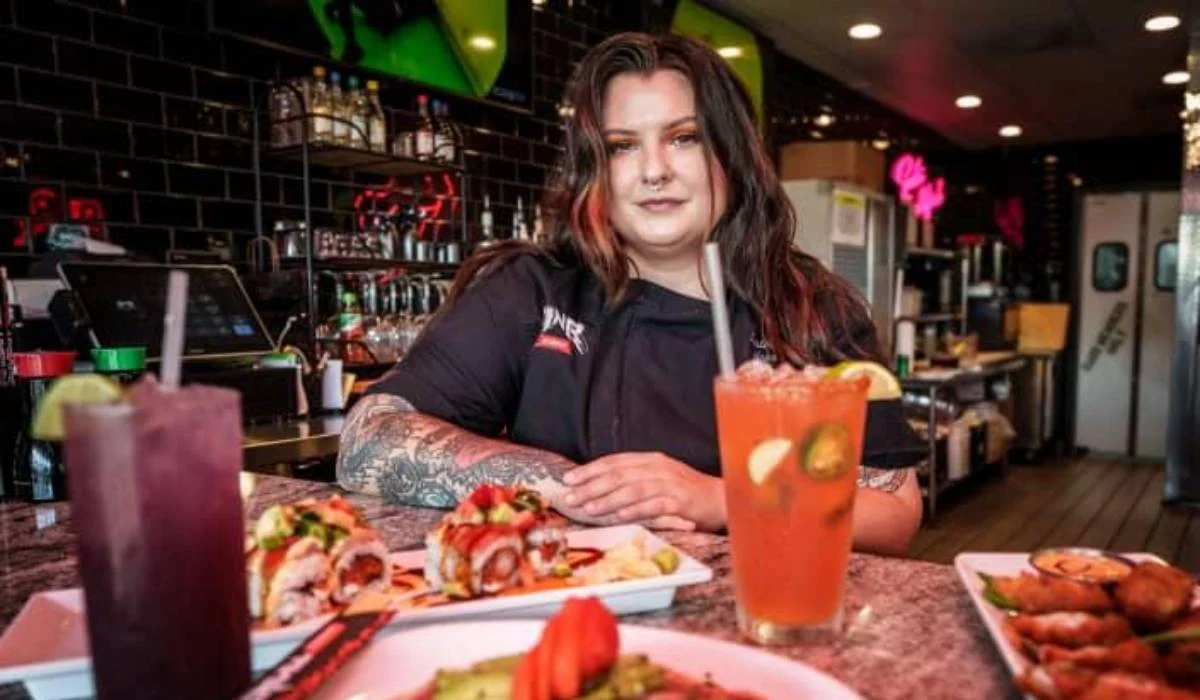

The revitalization of the Rock N’ Roll Sushi location in Clarksville, Tennessee, serves as a definitive case study in how tactical operational discipline and a robust internal culture can rescue a struggling enterprise. When Kristen Winters assumed leadership of the franchise, she did not inherit a flourishing business; instead, she took over a location that had previously failed to meet the brand’s standards and the community’s expectations. The turnaround required a comprehensive overhaul of three critical areas: supply chain management, local marketing integration, and physical restaurant upkeep. By focusing on these pillars, Winters transitioned the establishment from a cautionary tale of franchise failure into a high-performing unit with a 4.4 Google rating and a loyal local following.
Identifying the Core Operational Failures
Upon her arrival in Clarksville, Winters conducted an immediate diagnostic of the restaurant’s failures. The most glaring issue was "undisciplined ordering," a common pitfall in the high-pressure environment of food service. In many struggling restaurants, management delegates inventory procurement to staff members who may lack a holistic understanding of the budget or the kitchen’s actual needs. This leads to overstocking, increased food waste, and a direct hit to the bottom line. Winters observed that without a centralized, data-driven approach to ordering, the restaurant was essentially "guesstimating" its needs, which created a volatile financial environment.
To rectify this, Winters implemented a system centered on the Product Mix (PMIX). By analyzing which items were selling and in what quantities, she was able to create an average consumption rate that informed every order placed with suppliers. This shift from reactive to proactive inventory management allowed the restaurant to reduce overhead costs significantly. In the restaurant industry, where margins are notoriously thin—often hovering between 3% and 5% for struggling units—reclaiming even a few percentage points through disciplined ordering can be the difference between insolvency and profitability.
The Chronology of a Turnaround
The timeline of the Clarksville turnaround began with an assessment phase, followed by a period of intensive restructuring. Within the first quarter of her leadership, Winters focused on the "aesthetic first impression." Recognizing that the Rock N’ Roll Sushi brand relies heavily on its unique, high-energy atmosphere, she prioritized restaurant upkeep. This involved ensuring that the guest experience began the moment they approached the building. The philosophy that "you eat with your eyes first" was applied not just to the sushi rolls, but to the cleanliness of the parking lot, the condition of the front door, and the immediate ambiance of the dining room.
By the second quarter, the focus shifted toward workplace culture. Winters made the strategic decision to slow down the hiring process. Rather than hiring out of desperation to fill shifts—a practice that often leads to high turnover and toxic environments—she waited for candidates who possessed both the necessary technical skills and the right personality fit for the existing team. This patience resulted in a cohesive unit where staff members were genuinely invested in one another’s success.
The third phase of the turnaround involved aggressive community engagement. Clarksville, a city with a significant military presence due to its proximity to Fort Campbell, is a market that values local connection over corporate anonymity. Winters recognized that the restaurant lacked the benefit of "tourist seasons" or major local attractions to drive foot traffic. Consequently, the business had to become its own attraction by weaving itself into the fabric of the community. This was achieved through food donations and the sponsorship of local events, prioritizing presence over simple monetary contributions.
Strategic Enrichment: The Role of PMIX and Cost Control
A deeper analysis of Winters’ strategy reveals a sophisticated understanding of restaurant economics. The use of PMIX data is more than just a tool for ordering; it is a diagnostic for menu engineering. By understanding which rolls were the "stars" (high popularity, high margin) and which were "dogs" (low popularity, low margin), Winters could ensure that the kitchen was optimized for efficiency.
Furthermore, the emphasis on "restaurant upkeep" addresses the psychological aspect of consumer behavior. Industry data suggests that guest satisfaction scores are heavily influenced by perceived cleanliness and brand consistency. In a franchise model, the guest expects a certain level of "brand promise." When a location falls into disrepair, it breaks that promise. Winters’ insistence on maintaining the "rock n’ roll aesthetic" ensured that the Clarksville location met the national brand’s standards while maintaining its own local identity.
Cultivating a "Come as You Are" Workplace Culture
Perhaps the most significant driver of the restaurant’s long-term stability was Winters’ approach to human resources. The hospitality industry has faced unprecedented labor challenges over the last several years, with turnover rates often exceeding 70% in the fast-casual and full-service sectors. Winters mitigated this by creating an environment where individuality was celebrated.
By allowing staff to display tattoos and piercings—elements often discouraged in traditional corporate settings—she tapped into the authentic "rock n’ roll" spirit of the brand. This move did more than just improve morale; it fostered a sense of belonging. Winters’ role as a mentor was informed by her own experiences as a woman in a male-dominated industry. She aimed to provide the leadership she felt was missing during her own career ascent, focusing on effective communication and professional growth. This investment in people paid off in measurable operational metrics; ticket times improved and food waste decreased as the team became more synchronized and committed to the restaurant’s success.
Community Integration and the Local Business Ecosystem
A common mistake among franchise owners is waiting for profitability before investing in marketing or community outreach. Winters took the opposite approach, engaging with Clarksville early in the turnaround process. She argued that as a locally owned business, the restaurant’s roots were in the community, regardless of its corporate affiliation.
This community-first mindset extended to networking with other local business owners. Winters emphasized that economic growth is not a zero-sum game. By building collaborative relationships with nearby entrepreneurs, she helped create a supportive business ecosystem. This networking provided her with a peer group of "like-minded individuals" who could offer support during the high-pressure days of the turnaround. This collective resilience is often what sustains an owner-operator through the "valley of death"—the period between taking over a failing business and reaching consistent profitability.
Broader Implications for the Franchise Industry
The success of the Clarksville Rock N’ Roll Sushi location offers several key takeaways for the broader franchise industry. First, it highlights the importance of the owner-operator model. Unlike "absentee owners" who manage via spreadsheets, Winters was on the ground, observing the nuances of daily operations and staff interactions. Her ability to translate national brand standards into a local context was vital.
Second, the turnaround demonstrates that "culture" is not a luxury for profitable businesses, but a prerequisite for achieving profitability. By prioritizing team cohesion and communication, Winters reduced the costs associated with staff turnover—costs that include recruitment, training, and the intangible loss of institutional knowledge.
Finally, the role of the franchisor cannot be overlooked. Winters credited the support of the Rock N’ Roll Sushi corporate structure, specifically Corporate Chef Josh Patrick, for providing the framework within which she could innovate. The balance between strict operational standards and the freedom to pursue local initiatives created a synergy that allowed the Clarksville location to thrive.
Conclusion and Future Outlook
Today, the Clarksville Rock N’ Roll Sushi stands as a testament to the power of intentional leadership. From the meticulous management of the PMIX to the celebration of staff individuality, every decision made by Kristen Winters was aimed at long-term sustainability rather than short-term fixes. The restaurant’s 4.4 Google rating serves as a public validation of these efforts, reflecting a high level of guest satisfaction that was nonexistent under previous management.
As the restaurant moves forward, the "non-negotiable" habits established during the turnaround—effective communication, disciplined operations, and community presence—will remain the foundation of its performance. For other franchise owners facing similar challenges, the message from Clarksville is clear: success is not found in a single "silver bullet" solution, but in the relentless pursuit of excellence across every facet of the operation. By treating the restaurant as both a disciplined business and a community hub, Winters has ensured that this Rock N’ Roll Sushi location will be a fixture of the Clarksville dining scene for years to come.