
The quest for the perfect sourdough loaf often centers on a single, fundamental question: how does one precisely control the level of sourness? For many bakers, the allure of sourdough lies in its complex flavor profile, a nuanced dance between mild acidity and a pronounced, mouth-puckering tang. Achieving this delicate balance is not a matter of chance, but a deliberate manipulation of the sourdough ecosystem through time, temperature, and the careful selection of ingredients. This in-depth guide explores the scientific underpinnings and practical techniques that empower bakers to sculpt the sour character of their sourdough creations, transforming a common inquiry into a mastery of flavor.
At its core, the "sourness" in sourdough is a byproduct of the symbiotic relationship between wild yeasts and lactic acid bacteria (LAB) within the starter. These microorganisms, through the process of fermentation, convert sugars in the flour into organic acids. The primary acids responsible for the characteristic tang are lactic acid, which imparts a smooth, mild, yogurt-like sourness, and acetic acid, which offers a sharper, more pungent, vinegar-like bite. The interplay between these two acids, and the overall concentration of acid produced, is directly influenced by the conditions under which the starter and dough are nurtured.
Understanding the science behind sourdough fermentation is crucial for controlling its flavor. Lactic acid bacteria are particularly sensitive to their environment, especially pH levels. As they produce acid, the dough’s pH decreases. Once the pH drops below a certain threshold, bacterial activity significantly slows down, creating a self-limiting process. Bakers can leverage this understanding by manipulating factors that influence how long bacteria remain active and the ratio of lactic to acetic acid produced.
The Science of Sourness: Acids and Environment
The distinct flavors of sourdough are a testament to the metabolic processes of its microbial inhabitants. Lactic acid bacteria (LAB) are the primary producers of the acids that define sourdough.
- Lactic Acid: This acid contributes a smooth, mild, and often described as creamy or yogurt-like sourness. It is generally perceived as a gentler acidity that complements the overall flavor profile without overpowering it.
- Acetic Acid: In contrast, acetic acid is sharper, more pungent, and possesses a distinct vinegary note. It is the key contributor to the assertive tang that many sourdough enthusiasts seek. Acetic acid is also more volatile, meaning its sharp aroma is often detectable even before tasting.
The ratio of these two acids is not fixed; it is dynamically influenced by environmental factors. The balance of lactic and acetic acid production is a complex interplay between temperature, hydration levels, and the availability of specific nutrients.
pH Sensitivity: A critical factor in acid production is the pH of the dough. As LAB produce acid, the pH of the starter and dough decreases. This increasing acidity creates an inhibitory effect on bacterial growth. When the pH becomes too low, the bacteria’s metabolic activity slows down considerably, limiting further acid production. Bakers can influence this by adjusting factors that affect the rate of acid accumulation and the dough’s buffering capacity.
Strategies for Enhancing Sourness: Cultivating a Tangy Loaf
For bakers aiming for a pronounced, assertive sourness, several key adjustments can be made throughout the breadmaking process. These techniques leverage the principles of microbial activity and acid production.
1. Utilizing a Ripe Starter
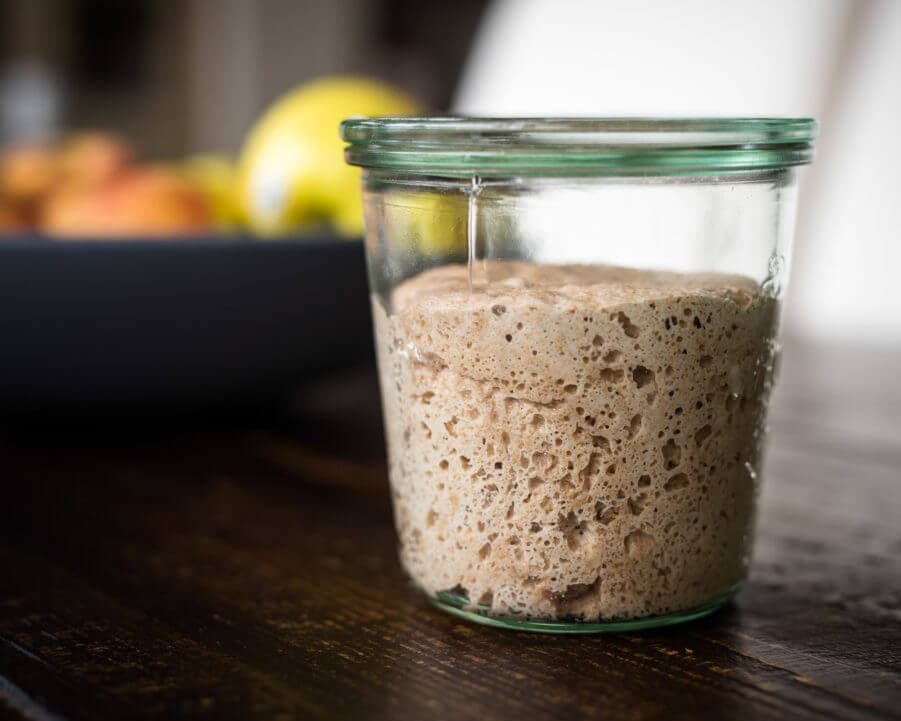
The ripeness of your starter or levain is a fundamental determinant of sourness. A starter that has passed its peak—characterized by a collapsed structure, a strong, pungent sour aroma, a loose consistency, and abundant bubbles both on the surface and throughout—has already accumulated significant acidity. Using such a starter, or building a levain from it, will carry that accumulated acidity into the final dough, resulting in a tangier loaf.
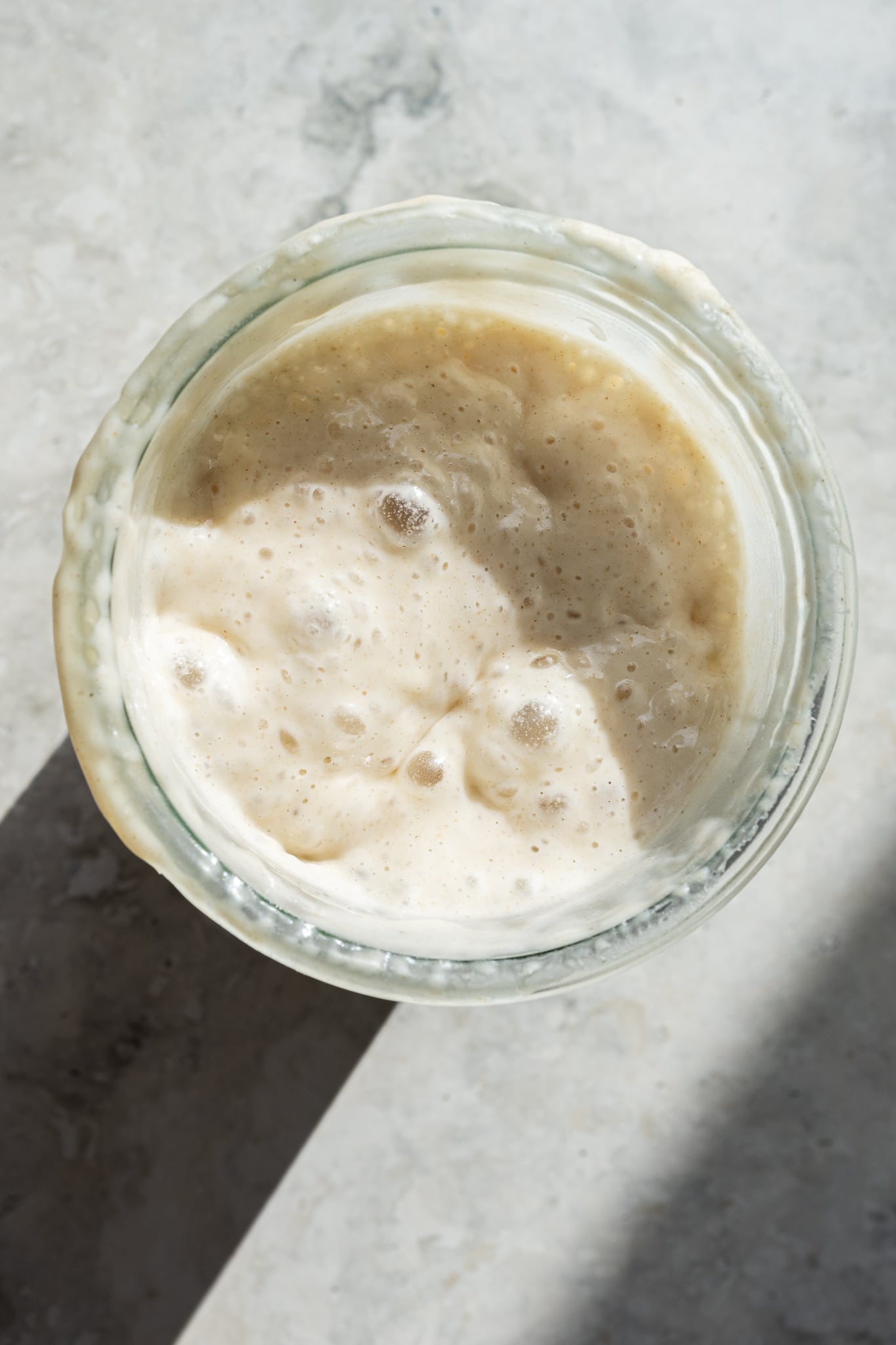
- Visual Cues: A starter past its prime will often appear deflated, with a thin, watery consistency and a sharp, vinegary smell. This indicates a higher concentration of acids.
- Impact on Flavor: Incorporating this highly acidic starter into your dough means a greater initial acid load, which will contribute to a more pronounced sour flavor in the finished bread.
2. Extending the Cold Proof (Retardation)
One of the most reliable methods for intensifying sourness is to extend the cold proofing period of the dough. Refrigeration significantly slows yeast activity but does not halt it entirely. Crucially, bacteria are also slowed, but often less so than yeast. This differential slowing allows acids to continue accumulating over an extended period.
- Mechanism: During a cold proof, yeasts continue to metabolize sugars, releasing them for bacteria. The cooler temperatures encourage bacteria to favor the production of acetic acid, the sharper, tangier component. This dual effect—increased total acid and a higher proportion of acetic acid—results in a noticeably more sour loaf.
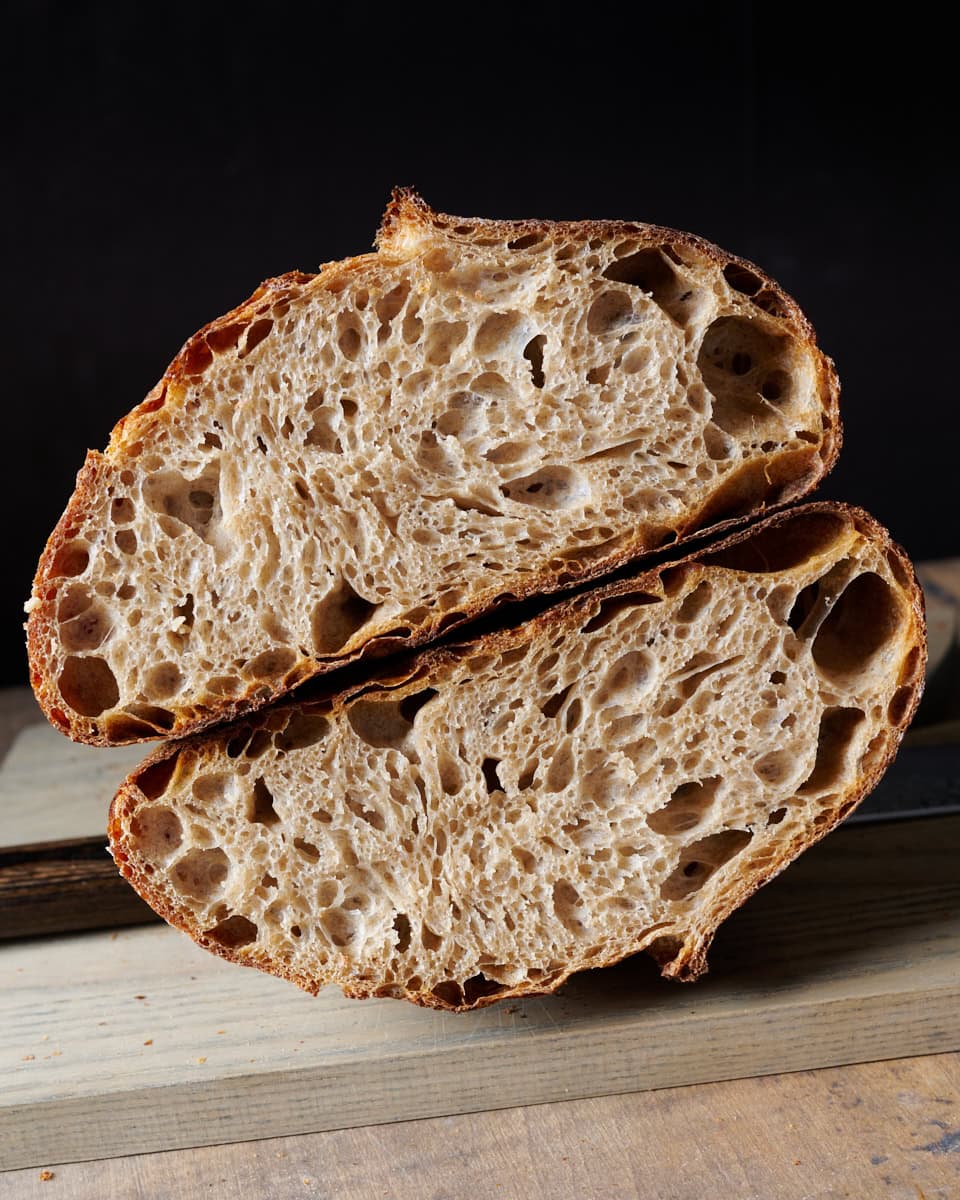
- Experimental Data: Extensive trials have shown that extending cold proofing from a standard 12-16 hours to 24, 48, or even 72 hours leads to a progressive increase in sourness. For instance, a 48-hour cold proof can result in a significantly more assertive tang compared to a 12-hour proof.
- Trade-offs: It is important to note that extended cold proofing can impact oven spring. Over prolonged periods, enzymes within the dough can degrade gluten structure, potentially reducing the dough’s ability to rise dramatically in the oven.
3. Employing a Stiffer Levain
The hydration level of your levain plays a role in the type of acid produced. Stiffer levains, typically around 50-65% hydration, tend to favor acetic acid production. This is analogous to the effect of cooler temperatures, as lower hydration environments can slow bacteria relative to yeast, shifting the balance towards acetic acid.
- The Role of Time: While stiffness is a factor, it is the combination of low hydration and adequate ripening time that truly drives increased sourness. A stiff levain that is fed frequently and not allowed to ripen fully will not develop significant sourness.
- Comparison: Liquid levains (100% hydration or higher) generally promote a smoother, milder acidity, leaning more towards lactic acid. This is evident when comparing breads made with different levain hydrations; those using stiffer levains often exhibit a more pronounced tang.
4. Incorporating Whole Grain Flours (Especially Rye)
Whole grain flours, particularly rye, are powerful allies in the pursuit of sourness. The key lies in their higher mineral content, often referred to as "ash content." These minerals act as natural buffers, absorbing and neutralizing acids.
- Buffering Capacity: Dough made with white flour has a lower buffering capacity. As bacteria produce acid, the pH drops quickly, inhibiting bacterial activity sooner. Whole grains, with their higher ash content, can buffer more acid before the pH reaches that critical inhibitory level. This allows bacteria to remain active for longer, resulting in greater total acid production.
- Rye’s Impact: Rye flour is especially effective due to its unique composition. Even small percentages of rye in the levain or dough can noticeably increase tang. A 100% whole wheat loaf, for example, will typically have a more pronounced tang than one made with mostly white flour, and adding rye amplifies this effect further.
5. Fermenting at Warmer Temperatures
Temperature exerts a dual influence on sourdough fermentation: it affects the total amount of acid produced and the ratio of lactic to acetic acid.
- Warmer Temperatures (78-82°F / 25-28°C): These conditions encourage overall bacterial activity, leading to higher total acid production. Most sourdough bacteria thrive in warmer environments, with optimal growth often cited around 89-91°F (32-33°C). Maintaining dough temperatures within this range keeps bacteria in their comfort zone, allowing them to ferment more vigorously and produce more acid.
- Cooler Temperatures: Conversely, cooler temperatures tend to shift the balance towards acetic acid production. While overall acid production may be lower, the proportion of sharper acetic acid increases.
- Balanced Approach: A moderately warm bulk fermentation (around 78°F / 25°C) followed by an extended cold proof is often considered the optimal strategy for achieving both a good volume of lactic acid and a desirable level of acetic acid.
6. Using a Smaller Levain Percentage
Counterintuitively, using a smaller percentage of levain can lead to a more sour loaf. This stems from the pH sensitivity of bacteria.
- The pH Dynamic: A large, heavily ripened levain introduces a significant amount of acid into the dough from the outset, causing the pH to drop rapidly. As discussed, bacteria’s growth slows considerably in acidic environments. Therefore, a dough that starts with a low pH offers less "runway" for bacteria to produce additional acid.
- Gradual Acid Accumulation: A smaller levain initiates the dough at a higher pH. This allows bacteria to remain active for a longer duration, fermenting sugars and gradually accumulating more total acid over the course of fermentation. This approach often necessitates longer fermentation times to achieve adequate leavening, but the extended microbial activity can result in greater sourness.
Strategies for Mellowing Sourness: Achieving a Subtle Tang
For bakers who prefer a milder, more nuanced acidity, the approach involves moderating the factors that promote aggressive sourness.
1. Maintaining a Well-Fed Starter
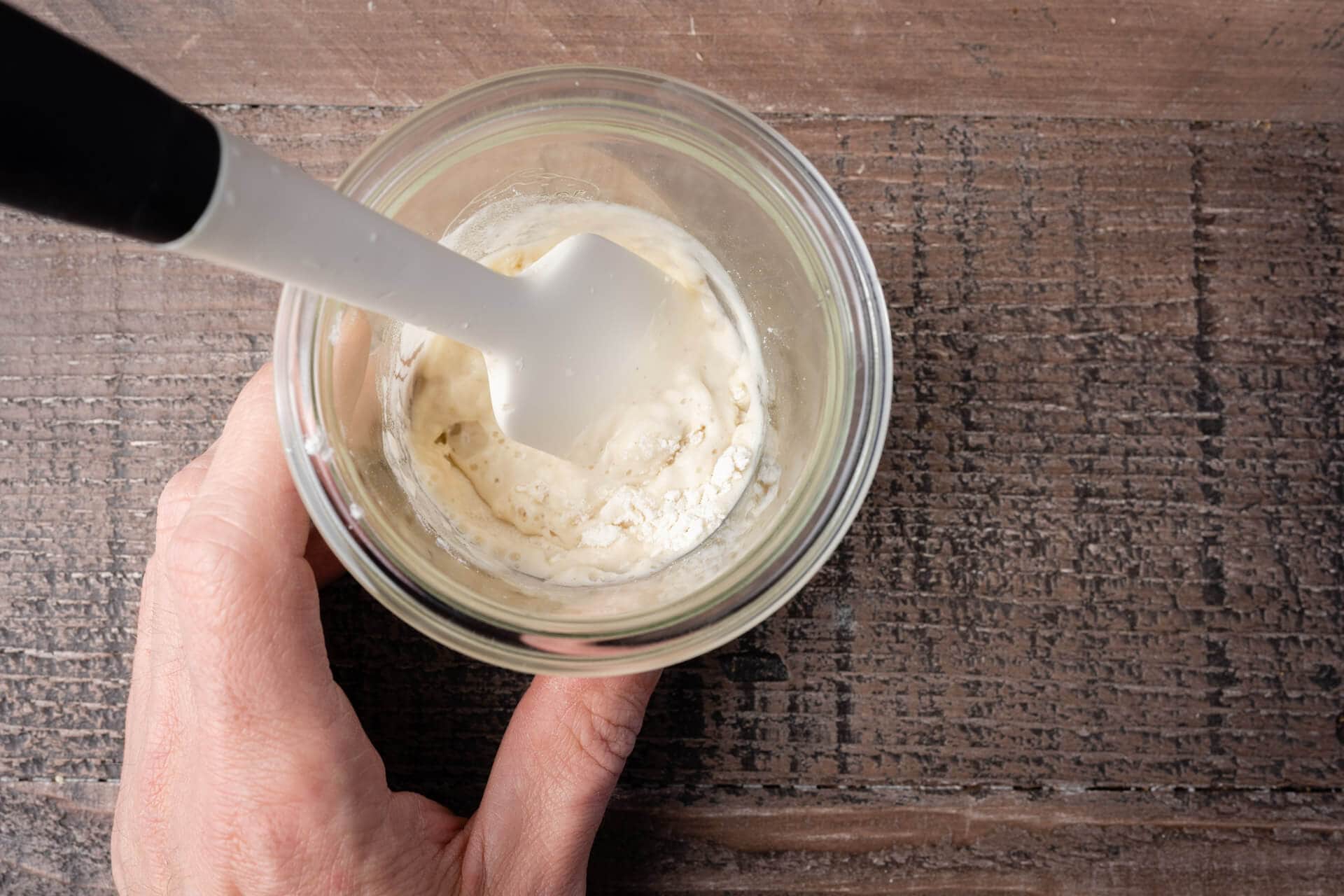
The most effective method for reducing sourness is consistent and frequent feeding of your starter. Regular feedings dilute accumulated acids, providing fresh food for yeasts and bacteria.
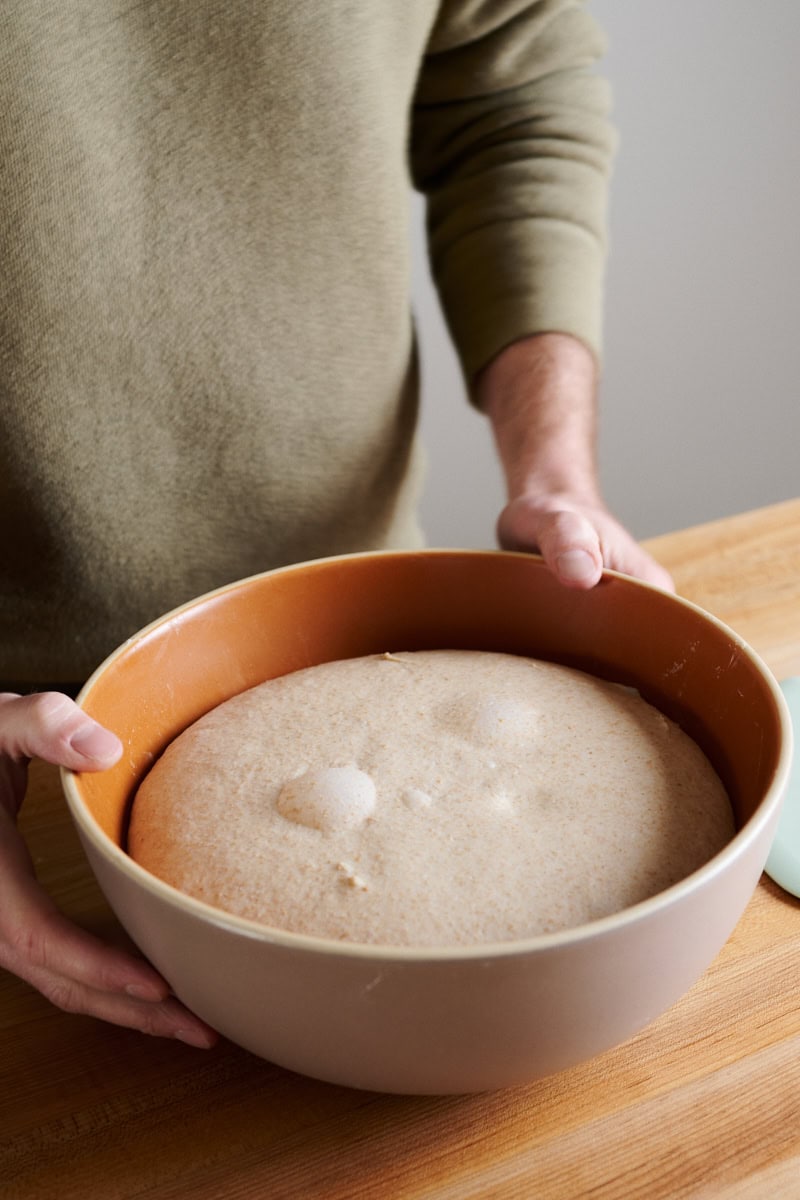
- Peak Ripeness: A well-fed starter at its peak—risen, bubbly, and dome-shaped—has consumed its food but has not yet begun to produce excessive acid. Using the starter at this stage ensures a milder flavor profile.
- Flavor Profile: Frequent feeding results in a starter that smells mildly yeasty and sweet, with only a faint hint of tang. This contributes to a more subtle sourness in the final bread.
2. Employing a Young Levain
A "young" levain is one that has risen but has not yet reached its full ripeness. Using a levain at this stage minimizes the initial acid contribution to the dough.
- Characteristics: A young levain typically shows signs of leavening, with some bubbles present and a gentle, sweet-sour aroma. It should still be cohesive in consistency.
- Impact: This approach prioritizes yeast activity over bacterial acid production, leading to a less sour loaf. This method is particularly favored for delicate bakes like sourdough pizza.
3. Shortening the Cold Proof
Reducing the duration of the cold proof directly limits the time available for acid accumulation.
- Reduced Acidity: A cold proof of 10-12 hours, or even skipping it entirely in favor of a room-temperature proof, will result in a bread with significantly less tang.
- Flavor Shift: Breads proofed without an extended cold period often exhibit a more pronounced grain-forward flavor, with the sourdough character present but not dominant.
4. Using a Liquid Levain
Higher hydration levains, such as a 100% hydration starter, tend to promote lactic acid production, the milder form of sourness.
- Acid Balance: Liquid levains keep bacteria more active relative to yeast, favoring the production of lactic acid over the sharper acetic acid.
- Subtle Character: This results in a gentler, less aggressive sourness that is present but does not overwhelm the bread’s other flavors.
5. Fermenting Cooler (For Less Total Acid)
While cooler temperatures can favor acetic acid production, they also significantly slow overall bacterial activity. This leads to less total acid being produced.
- Controlled Fermentation: A cooler, shorter bulk fermentation followed by a shorter proof can help manage acid development, resulting in a milder loaf. However, care must be taken to avoid underproofing.
6. Utilizing a Larger Levain Percentage
A larger proportion of levain introduces more pre-fermented flour and a lower initial pH into the dough.
- Limited Bacterial Runway: As noted previously, this can actually limit the bacteria’s ability to produce additional acid during bulk fermentation because the pH drops so rapidly.
- Faster Fermentation: A larger levain also accelerates the overall fermentation process, providing less time for sourness to develop. This approach, when combined with other factors like a shorter proof, can lead to a less sour outcome.
Addressing Common Sourdough Sourness Conundrums
Several recurring questions arise for bakers navigating the complexities of sourdough flavor.
Does a Longer Cold Proof Make Bread More Sour?
Yes, unequivocally. As detailed above, the differential slowing of yeast and bacteria in a cold environment leads to a prolonged period of acid accumulation, with a greater proportion of acetic acid. This results in a more pronounced and sharper tang. The duration of this effect is directly proportional to the length of the cold proof.
Does Using More Starter or Levain Increase Sourness?
This is a common misconception. While a larger amount of starter or levain introduces more pre-fermented flour, its effect on sourness is nuanced. The key factor is the initial pH of the dough. A large, highly ripened levain can drop the dough’s pH so rapidly that it inhibits further bacterial activity, limiting the potential for additional acid production. Conversely, a smaller levain starts the dough at a higher pH, allowing bacteria to work for longer and accumulate more acid gradually. Therefore, simply increasing the levain percentage does not automatically guarantee more sourness; other factors like starter maintenance, flour type, and fermentation time are crucial.
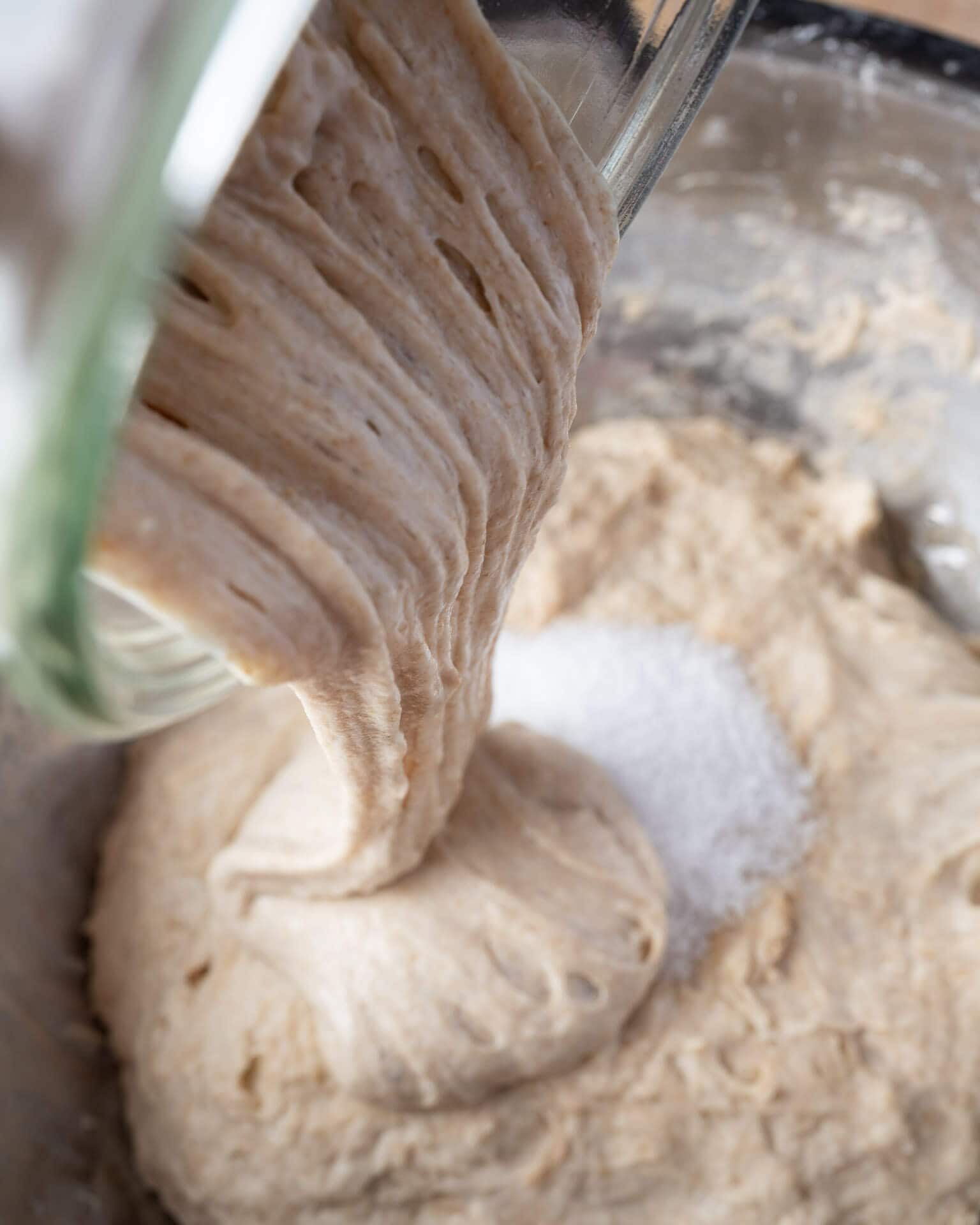
Why Does My Bread Have No Tang at All?
The absence of tang can be frustrating for sourdough enthusiasts. Several factors can contribute to this:
- Immature Starter: A starter less than 2-3 weeks old may not have developed a robust enough bacterial population to produce significant acidity. Patience and consistent feeding are key for starter maturation.
- Young Levain: Using a levain before it has adequately ripened means insufficient time for acid accumulation. Ensure your levain has at least doubled in volume and shows signs of fermentation before use.
- Short Fermentation Times: Rushed bulk fermentation or proofing, especially in warm kitchens, can lead to underdevelopment of flavor. Extending these stages, or incorporating a cold proof, allows more time for acids to develop.
- Overly Warm Kitchen: In very hot environments, fermentation can proceed too quickly, resulting in a well-leavened but bland loaf due to insufficient time for flavor development. Adjusting mixing water temperature or utilizing a cold proof can help.
- Predominantly White Flour: Low-ash refined flours have limited buffering capacity, preventing significant acid accumulation. Incorporating even a small percentage of whole wheat or rye can enhance tang.
Conclusion: The Art and Science of Sourdough Flavor
The journey to mastering sourdough sourness is a fascinating exploration of microbial ecology and the baker’s skillful manipulation of environmental variables. By understanding the interplay of time, temperature, hydration, and ingredient choice, bakers can precisely calibrate the tang of their loaves. Whether aiming for a sharp, assertive bite or a subtle, background note, the principles outlined in this guide provide a framework for deliberate experimentation and consistent success. Ultimately, the "correct" level of sourness is a personal preference, a testament to the infinitely adaptable and rewarding nature of sourdough baking.
The techniques described here are foundational and deeply rooted in the scientific principles explored in comprehensive sourdough resources. For those seeking to delve deeper into the intricacies of sourdough, further exploration of detailed guides and scientific literature is highly recommended.