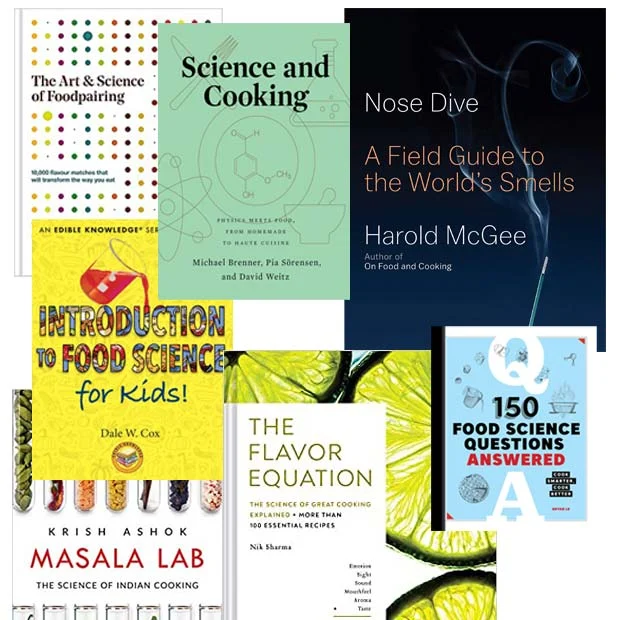

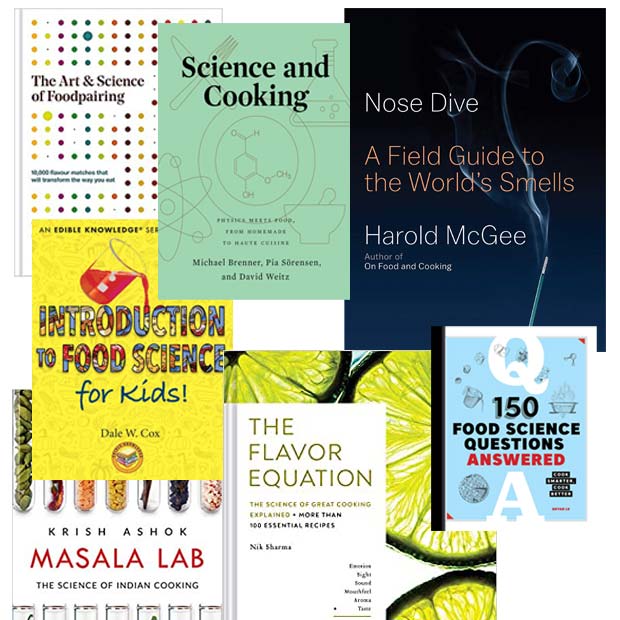
After a significant seven-year hiatus from its regular book recommendations, the esteemed Khymos blog, a long-standing authority in the intersection of food and science, has announced its return to spotlighting notable publications in the field. The blog, known for its discerning eye for works that marry culinary artistry with scientific rigor, recently unveiled a curated list of essential reads from 2020, signaling a renewed engagement with the burgeoning literature on gastronomic science. This return is particularly noteworthy given the sustained and growing public interest in understanding the scientific underpinnings of cooking, transforming the kitchen into a vibrant laboratory for both professional chefs and curious home cooks. The recommenced series promises to once again guide enthusiasts through the evolving landscape of food science literature, starting with a robust selection that underscores innovation, accessibility, and interdisciplinary approaches.
The Resurgence of Culinary Science Literature: A Chronology
The Khymos blog, which last published book recommendations in 2013, has been a pivotal resource for those seeking to delve deeper into the science behind their meals. Its initial recommendations, spanning various years, helped define the genre for many early adopters. The period between 2013 and 2020, while devoid of formal recommendations from Khymos, witnessed an explosion in the popularity of food science. This era saw the rise of molecular gastronomy from niche culinary circles into mainstream discourse, propelled by figures like Ferran Adrià and Nathan Myhrvold, and a corresponding increase in accessible scientific cooking literature. University courses, such as the renowned "Science and Cooking" program at Harvard, gained widespread recognition, further legitimizing the field and inspiring a new generation of authors. The 2020 selections from Khymos thus arrive at a mature point in this literary trend, reflecting both the foundational principles and the innovative frontiers of culinary science. The blog’s re-engagement with this topic after such a long break suggests a renewed commitment to curating the best offerings for its dedicated readership.
Key Recommendations from 2020: Bridging Science and the Plate
The 2020 list from Khymos showcases a diverse range of titles, each contributing uniquely to the understanding of food through a scientific lens. These selections collectively demonstrate the field’s breadth, from fundamental flavor chemistry to the application of physics in the kitchen, and even extending to global culinary traditions.
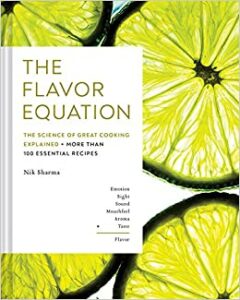
1. The Flavor Equation by Nik Sharma
Nik Sharma’s The Flavor Equation (352 pages, 2020) stands out for its innovative approach to integrating scientific principles directly into practical cooking. Sharma, a celebrated food writer and photographer, masterfully crafts approximately 100 recipes where the scientific explanation is not an add-on but an intrinsic component. Under the insightful heading "The Flavor Approach," each recipe provides concise, actionable scientific hints that illuminate the underlying mechanisms of flavor development. This methodology empowers cooks to understand why certain techniques work, fostering a deeper, more intuitive connection with their ingredients. Beyond the recipes, a significant portion of the book — roughly one-third — is dedicated to exploring flavor from multiple perspectives, encompassing perception, chemistry, and cultural context. The scientific content is presented with remarkable clarity and accessibility, making complex concepts digestible for a broad audience. A notable bonus for international readers and professional kitchens is the consistent use of metric units, enhancing its practicality and appeal. The Flavor Equation is lauded for its ability to demystify flavor, making it a highly recommended resource for anyone eager to elevate their cooking through scientific understanding.
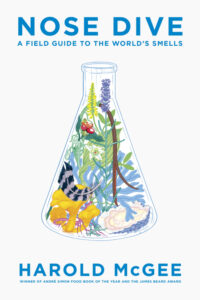
2. Nose Dive: A Field Guide to the World’s Smells by Harold McGee
Harold McGee, a titan in the realm of food science writing, follows up his seminal work On Food and Cooking: The Science and Lore of the Kitchen with Nose Dive: A Field Guide to the World’s Smells (688 pages, 2020). McGee’s earlier work ignited widespread interest in the scientific aspects of food, and his latest endeavor delves even deeper into one of the most fundamental sensory experiences: smell. This comprehensive volume is not merely confined to the aromas of food but expands to encompass the vast olfactory landscape of the entire world. McGee meticulously explores the volatile molecules responsible for countless scents, providing detailed scientific nomenclature without overwhelming the reader. While scientifically rigorous, the narrative remains engaging and accessible, catering to anyone with a profound curiosity about the sense of smell. Nose Dive promises to be an immersive journey into the invisible world of aromas, offering profound insights into how we perceive and interact with our environment through our noses. The book’s ambitious scope and McGee’s unparalleled expertise make it an anticipated deep dive for enthusiasts. (It’s also worth noting the book features distinct covers in its UK and US editions, reflecting its broad appeal).
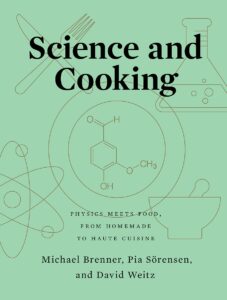
3. Science and Cooking: Physics Meets Food, From Homemade to Haute Cuisine by Michael Brenner, Pia Sørensen, and David Weitz
Born from the highly acclaimed "Science and Cooking" undergraduate course at Harvard University, this 320-page book (2020) by Michael Brenner, Pia Sørensen, and David Weitz translates academic rigor into culinary insights. The authors, whose backgrounds span applied mathematics, chemistry, and physics, were instrumental in establishing the course a decade prior. The Harvard lectures, many of which are freely available on YouTube, have famously featured a galaxy of renowned chefs, scientists, and food authors, all united by their shared passion for the scientific principles underpinning gastronomy. The book mirrors this interdisciplinary approach, seamlessly integrating advanced scientific concepts with practical food topics and recipes. It serves as an excellent bridge between the theoretical physics and chemistry of the kitchen and their tangible applications in both home cooking and haute cuisine. The inclusion of metric units further enhances its utility, particularly for a global audience and those accustomed to scientific measurement standards. This volume is an indispensable resource for anyone seeking a structured, academically grounded exploration of culinary science.
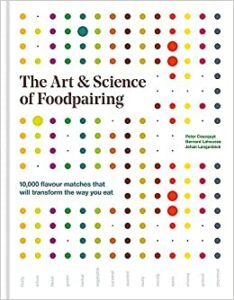
4. The Art and Science of Foodpairing by Peter Coucquyt, Bernard Lahousse, and Johan Langenbick
The Art and Science of Foodpairing (388 pages, 2020) emerges from the pioneering work of the Foodpairing company, whose innovative approach to flavor combinations has been a topic of fascination and debate within culinary circles. The concept, which posits that ingredients sharing common volatile aroma compounds will pair well, has been both praised for its scientific basis and critiqued for potentially oversimplifying the complex interplay of taste and culture. Bernard Lahousse, one of the authors, has previously engaged with the Khymos blog in interviews and at "The Flemish Primitives" conferences, underscoring the deep roots of this book within the scientific gastronomy community. This volume compiles years of research and application, offering a comprehensive look at how food pairing can be leveraged for culinary innovation. It effectively navigates the boundary where empirical science provides a framework, and artistic intuition takes over, guaranteeing a wealth of inspiration for chefs and home cooks alike. For those interested in pushing the boundaries of flavor and understanding the molecular logic behind successful ingredient combinations, this book offers an unparalleled resource.
5. Masala Lab by Krish Ashok
Masala Lab (280 pages, 2020) by Krish Ashok represents a significant milestone in the popularization of culinary science: the application of scientific principles to regional cuisines, specifically Indian cooking. Ashok, an electronic/software engineer, brings a precise and curious mind to the complexities of Indian flavors and techniques. The book is celebrated for demystifying traditional practices through a scientific lens, explaining phenomena like the tempering of spices or the fermentation of idli batter with clarity and rigor. This focus on non-Western culinary traditions is particularly welcome, as much of the existing food science literature has historically centered on European or American cooking. Masala Lab provides invaluable insights into the chemical and physical transformations that occur during the preparation of diverse Indian dishes, making it a groundbreaking work for both those familiar with the cuisine and newcomers. While the blog notes its primary availability through Amazon India, the enthusiasm surrounding this book highlights a growing demand for scientifically informed explorations of global culinary heritage.
6. 150 Food Science Questions Answered: Cook Smarter, Cook Better by Bryan Le
Bryan Le’s 150 Food Science Questions Answered: Cook Smarter, Cook Better (198 pages, 2020) offers an accessible and practical entry point for individuals looking to infuse a scientific mindset into their kitchen practices. Structured as a series of engaging Q&As, the book is divided into logical chapters covering cooking basics, fundamental flavor principles, and the main categories of ingredients. A crucial final chapter is dedicated to food safety and storage, providing essential knowledge for any home cook. This format makes it an ideal reference book, perfect for quickly looking up specific queries. However, even a casual browse reveals a wealth of fascinating insights that can spark curiosity and deepen one’s understanding of everyday cooking phenomena. The book is highly recommended for those new to the scientific side of cooking, serving as an excellent foundational text that equips readers with the knowledge to make more informed culinary decisions and experiment with greater confidence.
7. Introduction to Food Science for Kids!: A Kitchen-Based Workbook by Dale W Cox
Dale W. Cox’s Introduction to Food Science for Kids!: A Kitchen-Based Workbook (112 pages, 2020) encapsulates a vital educational philosophy: the kitchen as an ideal, engaging laboratory for young minds. As its title clearly suggests, this workbook aims to introduce children to fundamental chemical and physical concepts through hands-on, kitchen-based experiments and activities. The domestic kitchen, with its everyday ingredients and processes like heating, cooling, mixing, and dissolving, provides a perfect, low-cost environment for exploring scientific principles in a tangible and fun way. This book offers an invaluable resource for parents, educators, and guardians seeking to foster an early interest in STEM subjects. By linking scientific inquiry directly to the familiar and enjoyable world of food, it helps children develop critical thinking skills, observational abilities, and a foundational understanding of how the world around them works, all while creating delicious outcomes.
Broader Impact and Implications
The Khymos blog’s renewed focus on food science literature, particularly its comprehensive review of 2020 publications, underscores several significant trends in the culinary and scientific communities.
Market Growth and Accessibility: The sheer volume and diversity of high-quality food science books released in a single year, as highlighted by Khymos, point to a thriving market. This reflects a broader societal shift towards greater transparency and understanding of what we eat. Consumers and home cooks are no longer content with merely following recipes; they seek to understand the why and how behind culinary transformations. Publishers are responding to this demand by commissioning works that range from highly technical treatises to accessible guides for beginners and even children, democratizing scientific knowledge previously confined to academic labs or professional kitchens.
Interdisciplinary Convergence: The selected books demonstrate a powerful convergence of disciplines. Science and Cooking exemplifies the integration of physics and chemistry with culinary arts, while Nose Dive highlights the crucial role of biology and neuroscience in understanding sensory perception. The Art and Science of Foodpairing pushes the boundaries of data science and flavor chemistry. This interdisciplinary approach not only enriches the culinary landscape but also promotes a holistic view of food as a complex system.
Educational Imperatives: Books like Introduction to Food Science for Kids! and the Harvard-derived Science and Cooking emphasize the educational value of this field. Introducing scientific concepts through food makes learning tangible, relatable, and enjoyable. For adults, these books offer continuous learning opportunities, empowering them to become more skilled and confident in the kitchen. The availability of online resources, such as the Harvard lectures, further amplifies this educational impact, reaching a global audience.
Cultural and Culinary Innovation: Masala Lab is particularly significant as it extends the scientific lens to diverse global cuisines. This trend is crucial for fostering a more inclusive understanding of food science, recognizing that scientific principles underpin all culinary traditions, not just Western ones. By deconstructing the science of various regional dishes, these books can inspire new culinary innovations, encourage cross-cultural appreciation, and promote a deeper respect for traditional cooking methods.
The return of Khymos’s book recommendations is more than just a list; it is a reaffirmation of the enduring importance of scientific inquiry in the culinary world. By curating and critically assessing the latest literature, the blog continues to play a vital role in shaping the discourse around food science, guiding enthusiasts, educators, and professionals through an ever-expanding universe of gastronomic knowledge. While the blog hints at future retrospective recommendations from the 2014-2019 period, the robust 2020 selection firmly re-establishes Khymos as an essential compass for navigating the exciting frontiers where science meets the plate.