
The landscape of kitchen technology is constantly evolving, and a new contender is emerging from the bustling innovation hub of CES, promising to redefine the home cooking experience. Gambit Robotics, a startup founded by seasoned entrepreneurs Nicole Maffeo and Eliot Horowitz, is set to launch its flagship product, the "Gambit," on Kickstarter tomorrow, January 27th. While the name might evoke images of advanced robotics, the Gambit’s approach is more nuanced, focusing on intelligent guidance rather than fully automated cooking. This initiative arrives at a time when consumer interest in smart home appliances is growing, and the potential for AI to streamline complex tasks is becoming increasingly apparent.
The Genesis of Gambit: A Vision Beyond the Robotic Arm
Unlike the myriad of humanoid robots that have become a fixture at technology trade shows like CES, the Gambit’s design prioritizes a more integrated, less obtrusive role in the kitchen. The company’s vision is to create an AI-powered "sous chef" that assists home cooks through a combination of advanced computer vision and a conversational interface. This approach builds upon the foundation of guided cooking systems that saw a surge in popularity a decade ago, but with a significant technological leap powered by recent advancements in artificial intelligence.
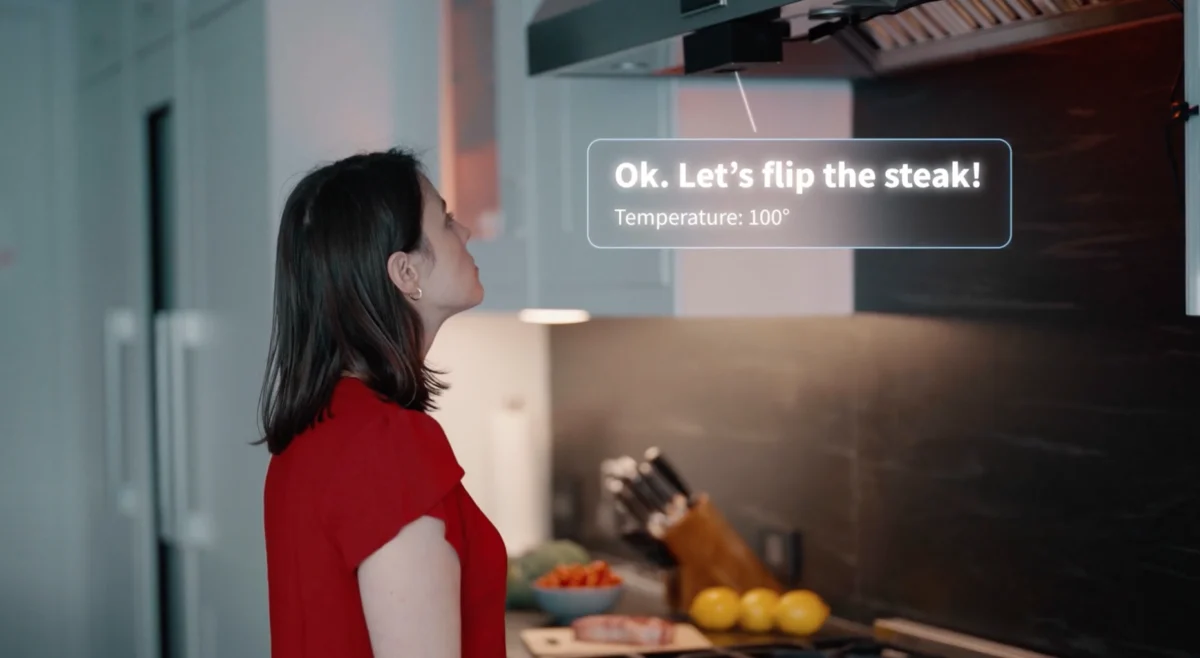
The Gambit system is mounted above the cooktop, a strategic placement that allows its AI-powered computer vision to meticulously monitor the cooking process. It can detect heat patterns, track the progress of food in the pan, monitor burner activity, and sense subtle temperature fluctuations. This sophisticated sensory input enables the Gambit to interpret and guide users through virtually any recipe. Whether the recipe originates from a website, a scanned image of a handwritten card, or a cherished family heirloom, the Gambit system is designed to parse the instructions, break them down into manageable steps, and provide real-time guidance as the user cooks. This is delivered through an intuitive, conversational voice interface and a companion mobile application, fostering a more interactive and supportive cooking environment.
A Focus on Education and Empowerment
Co-founder Nicole Maffeo emphasizes that the Gambit is not merely a passive assistant but an active coach. "You can turn on or off" the guidance, she explained, highlighting the system’s flexibility. A key differentiator is its capacity for "educational nudges," designed to help users improve their culinary skills over time. This pedagogical aspect aims to transform the cooking experience from a potentially daunting task into an opportunity for learning and growth. Maffeo further elaborated on the convenience factor, stating, "You can leave the kitchen," implying that the system’s vigilance provides a level of assurance and frees up the cook to attend to other matters without compromising the meal.
The Broader Ecosystem: A Long-Term Strategy
Gambit Robotics’ ambitions extend far beyond the initial product. Maffeo and co-founder Eliot Horowitz envision a comprehensive ecosystem of kitchen assistants. This future landscape includes devices capable of inventorying pantry and refrigerator contents, seamlessly integrating shopping, meal planning, and the execution of those plans. This holistic approach aims to address the entire culinary lifecycle, from initial inspiration to the final plated dish.
The technological bedrock for this ambitious vision is being built upon a platform developed by Horowitz for his previous company, Viam. Described by some as a "WordPress for robotics," Viam’s platform provides a flexible and scalable foundation for building and deploying robotic systems. This underlying architecture suggests that Gambit’s future could involve more sophisticated hardware integrations, such as robotic arms for automated tasks or deeper connections with smart appliances.

In the immediate future, however, Gambit is also exploring strategic software licensing opportunities with appliance manufacturers. The company sees significant potential in licensing its computer vision and thermal sensing stack, recognizing that its technology can enhance existing kitchen appliances. "We don’t need to own every piece of hardware," Maffeo stated, underscoring a partnership-oriented approach. "If there’s a hood above a stove, that software should be there." This strategy allows Gambit to expand its reach and impact without the capital-intensive burden of manufacturing all the necessary hardware.
Pricing and Availability: A Market Entry Strategy
The Gambit hardware is slated for a retail price of approximately $500. Early backers on Kickstarter will be offered a modest discount, incentivizing initial adoption. Complementing the hardware, Gambit plans to introduce a monthly subscription service, anticipated to range between $9 and $15. This recurring revenue model is becoming increasingly common in the smart home sector, allowing companies to provide ongoing software updates, new features, and enhanced support. The company is targeting the third quarter of this year for initial product shipments to consumers, providing a tangible timeline for interested buyers.
Navigating the Legacy of Guided Cooking
Gambit’s approach to guided cooking is reminiscent of earlier smart kitchen initiatives. Companies like Hestan (with its Hestan Cue system), ChefSteps, and Thermomix pioneered the integration of software, sensors, and specialized cooking hardware to create interactive cooking assistants. While these early ventures showed promise, many struggled to achieve widespread market penetration, with some products failing to meet commercial expectations.
Maffeo believes that the timing is now opportune for a resurgence of guided cooking, largely due to the significant advancements in AI systems. These technological leaps, she argues, are capable of making such tools more effective and user-friendly than ever before. The AI’s ability to interpret complex visual data and provide nuanced guidance is a critical improvement over earlier, more rigid systems.
Challenges and Opportunities Ahead
Despite the technological prowess and experienced leadership, Gambit faces two primary challenges. The first is market education. The Gambit is not a cooking appliance itself but a guidance system. Effectively communicating its function and value proposition to consumers who may be accustomed to thinking of kitchen technology in terms of automated devices will be crucial. The promised benefits, while similar to those offered by earlier guided cooking products, are delivered through a novel overhead-mounted device, which may require a paradigm shift in consumer perception.
The second significant hurdle is consumer willingness to invest. A $500 price tag for a device, coupled with an ongoing monthly subscription, represents a substantial financial commitment. Historically, consumers have shown a degree of reluctance to adopt entirely new kitchen product categories, especially at higher price points. The success of Gambit will hinge on its ability to demonstrate a clear and compelling return on investment in terms of improved cooking outcomes, reduced food waste, and enhanced culinary confidence.
The Future of the Smart Kitchen
The underlying technology powering Gambit is undoubtedly impressive. The involvement of experienced entrepreneurs like Eliot Horowitz, known for his foundational role in MongoDB, and Nicole Maffeo, suggests a robust and well-considered product development strategy. Their focus on applying AI-enabled technology to the kitchen environment is a promising indicator for the future of home cooking. The question remains whether Gambit can indeed usher in a new era of guided cooking, one that is not only powered by sophisticated AI but also lays the groundwork for future integration with robotics and other advanced kitchen automation solutions. The product’s launch on Kickstarter tomorrow, January 27th, will be a significant first step in determining its trajectory in the competitive smart home market.