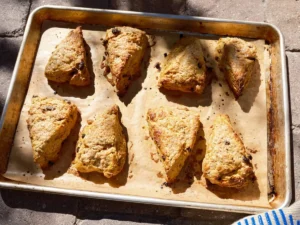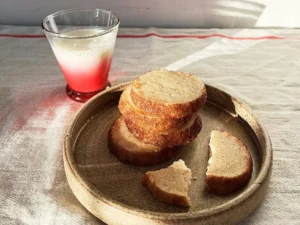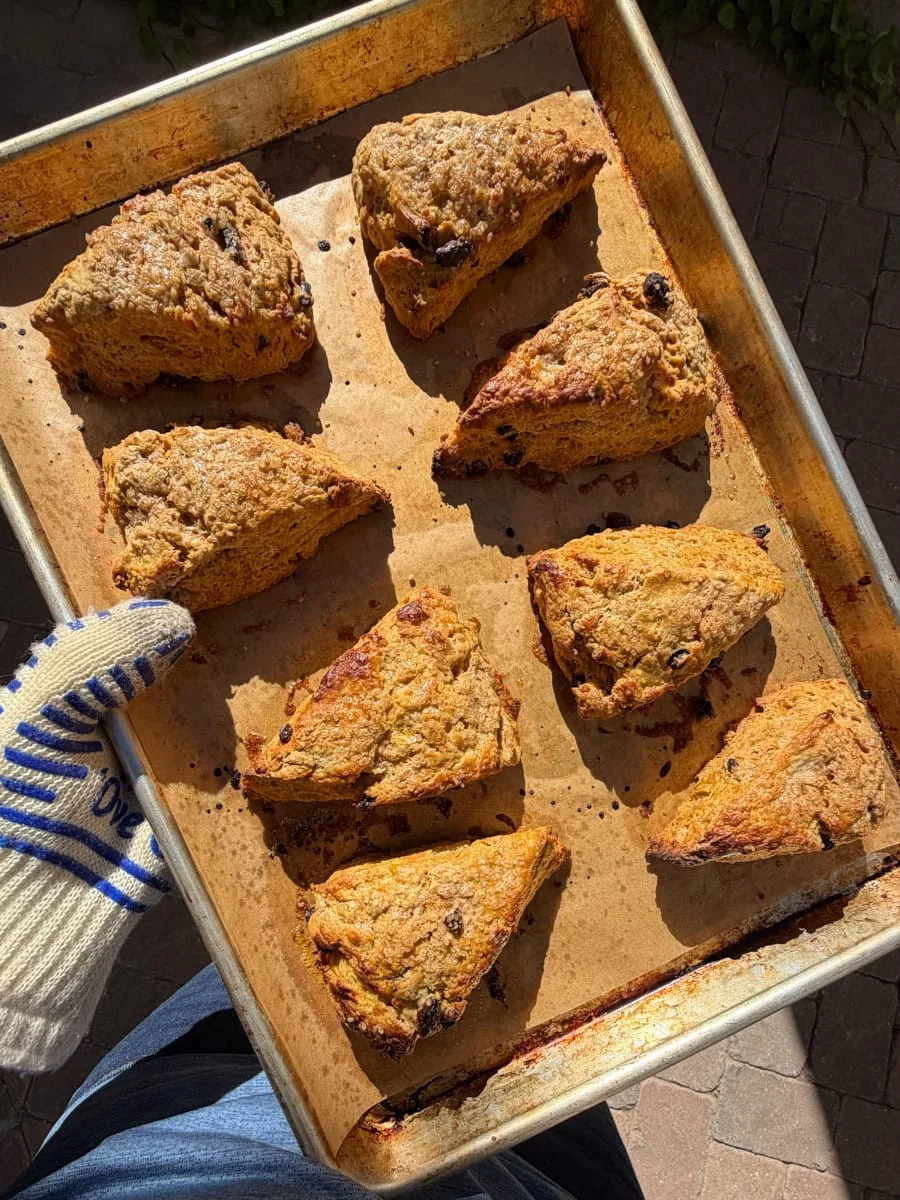

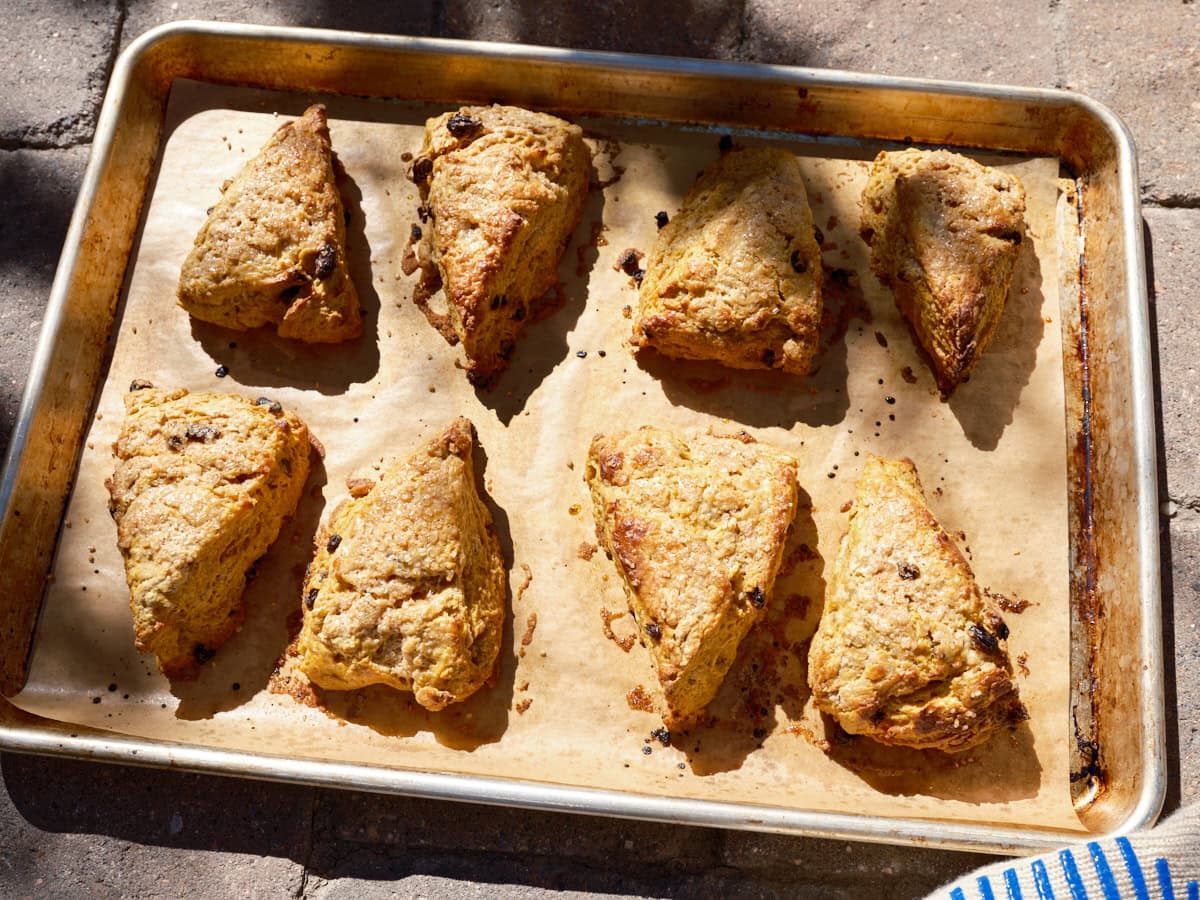
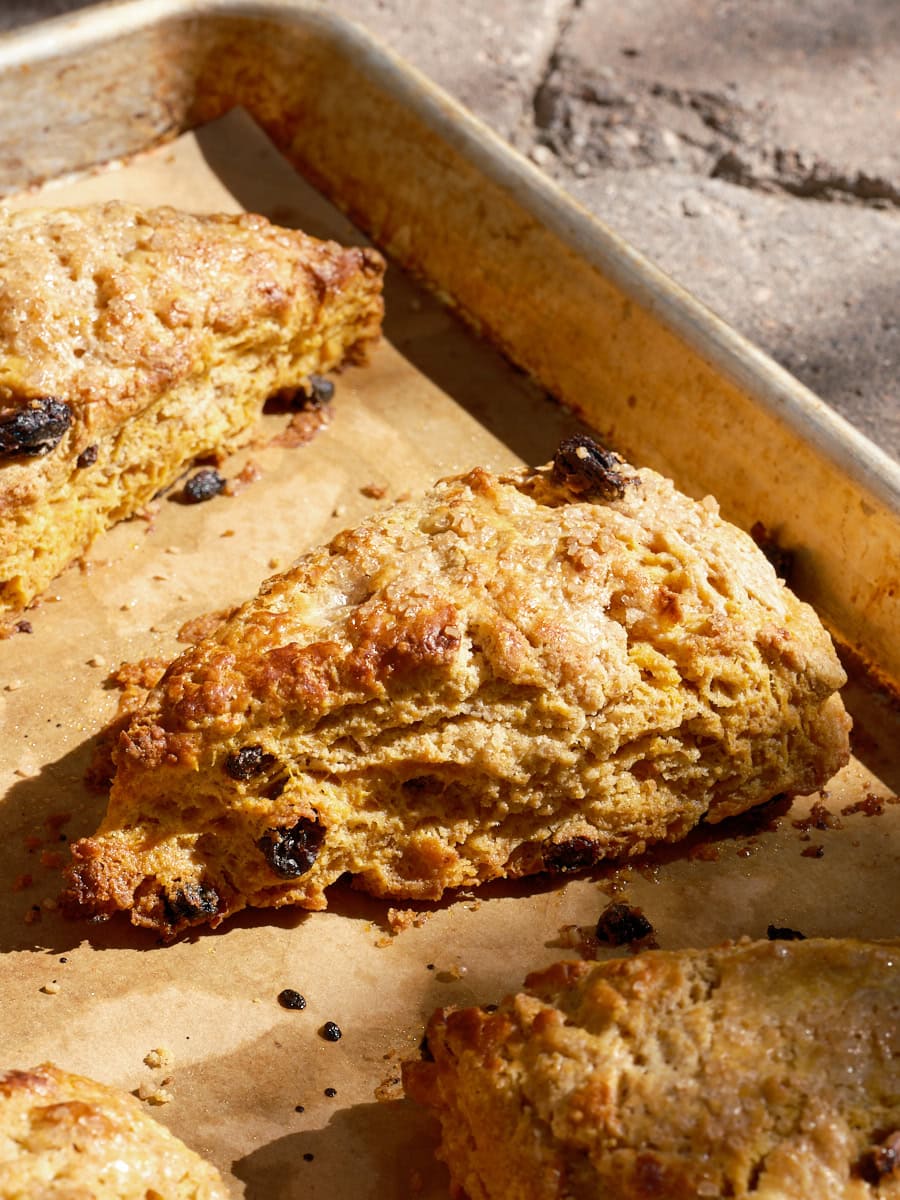
The pursuit of the perfect scone is a journey often marked by subtle nuances and personal preferences. For many, the ideal scone embodies a delicate balance: a tender, yielding interior encased in a robust, yet yielding crust. This article delves into the creation of sourdough pumpkin scones, a recipe that challenges conventional definitions and offers a unique textural experience, characterized by a soft crumb and a craggy, sturdy exterior. The author posits that these scones, while possessing qualities that might invite comparison to biscuits, are definitively scones due to their inherent sweetness, a characteristic that distinguishes them in the culinary landscape.
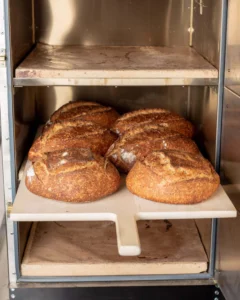
The development of this recipe has been an iterative process, yielding insights into achieving a pronounced rise, a desirable trait for scones that promotes a cleaner presentation and a more satisfying mouthfeel. This pursuit of verticality in baking is particularly pertinent for those residing at high altitudes, where atmospheric pressure can influence dough behavior. The principles applied to achieve a taller scone mirror those crucial for successful sourdough bread baking at elevation, emphasizing the importance of small adjustments in ingredient ratios or baking techniques to overcome environmental challenges.
The Essence of Einkorn and Alternative Flour Choices
A key ingredient in this recipe is einkorn flour, an ancient grain prized for its distinct nutty flavor and earthy notes. The author notes that einkorn’s inherent characteristics lend a rustic charm to the scones, effectively complementing the sweetness of the pumpkin and the tang of the sourdough starter. For bakers who may not have einkorn readily available, a direct substitution with any readily available whole wheat flour is recommended. The article specifically suggests heritage wheat varieties such as Red Fife, Butler’s Gold, or Marquis, known for their complex flavor profiles, as excellent alternatives that can replicate the desired rustic undertones. The inclusion of whole grain flours, in general, introduces a nutritional dimension and a depth of flavor that elevates these scones beyond a simple treat.
The Role of Buttermilk in Achieving Flakiness and Flavor
Buttermilk emerges as a critical component in the quest for a tender and flavorful scone. While its fat content is considerably lower than that of heavy cream, its acidity plays a pivotal role. The low pH of buttermilk interacts with the gluten structure in the dough, promoting relaxation and extensibility. This is particularly beneficial when working with whole grain flours like einkorn, which can have a more delicate gluten network. The acidic nature of buttermilk tenderizes the crumb, contributing to a soft interior, while its inherent tang harmonizes beautifully with the fermented notes of the sourdough starter and the natural sweetness of the pumpkin. This contrasts with recipes that rely on heavy cream, where the high fat content coats flour particles, creating distinct layers through the melting of cold fat during baking. Both methods achieve tenderness, but through different mechanisms, offering bakers a choice based on desired texture and flavor profile.
Harnessing Convection for Enhanced Rise and Structure
The author’s extensive experimentation has highlighted the significant advantage of using a convection oven for baking these scones. The intense and even heat generated by convection ovens is instrumental in rapidly forming a crust on the exterior of the scones during the initial stages of baking. This quick setting of the outer dough structure is crucial in preventing excessive spreading, thereby encouraging a taller, more upright scone. This phenomenon is particularly valuable for achieving the desired "tall and proud" aesthetic, distinguishing them from flatter, more widely spread varieties. For those whose ovens lack a convection setting, a practical workaround is suggested: increasing the baking temperature by approximately 25°F for the initial minutes of the bake. This adjustment aims to mimic the rapid heat transfer of convection, providing a similar effect on crust formation and rise.
Sourdough Starter Discard: A Sustainable Baking Practice
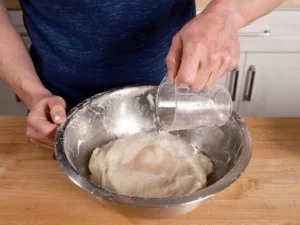
The incorporation of sourdough starter discard into the scone recipe represents a common and effective practice within the sourdough baking community. Starter discard, the portion of active sourdough starter removed before feeding, is often rich in flavor and can contribute significantly to the texture and rise of baked goods. In this context, the discard adds a subtle tang and depth, complementing the other primary flavors of pumpkin and spice. Utilizing discard not only reduces food waste but also imparts a characteristic complexity to the final product, a hallmark of well-developed sourdough recipes.
Nutritional Considerations and Ingredient Variations
The nutritional profile of these scones is influenced by the use of whole grain flours and the presence of pumpkin puree. Pumpkin itself is a good source of Vitamin A and fiber. When considering ingredient substitutions, the article offers practical advice. For those seeking alternatives to pumpkin puree, pureed sweet potato or butternut squash are recommended, maintaining a similar weight. Applesauce or mashed banana can also be used, though their higher sweetness content may require slight adjustments. For those with an aversion to raisins, dried cranberries or even fresh or frozen blueberries are suggested as viable additions, offering different flavor and textural dimensions. The FAQ section further elaborates on these substitutions, providing specific guidance for buttermilk alternatives, such as creating a homemade buttermilk substitute with milk and vinegar or lemon juice, or using kefir as a direct replacement.
The Chronology of Recipe Development and Inspiration
The development of this specific sourdough pumpkin scone recipe is noted as a multi-year endeavor, with significant inspiration drawn from an individual named Michele. This iterative process of testing and refinement underscores the dedication required to perfect a recipe, particularly one that seeks to achieve a specific textural outcome. The inclusion of a "What’s Next?" section encourages bakers to further explore pumpkin-infused sourdough creations, such as pumpkin cinnamon sourdough bread or pumpkin pancakes, demonstrating the versatility of pumpkin as a seasonal baking ingredient. This forward-looking perspective and the acknowledgment of contributing individuals highlight the collaborative and community-driven nature of culinary exploration.
High-Altitude Baking: A Persistent Challenge and Solution
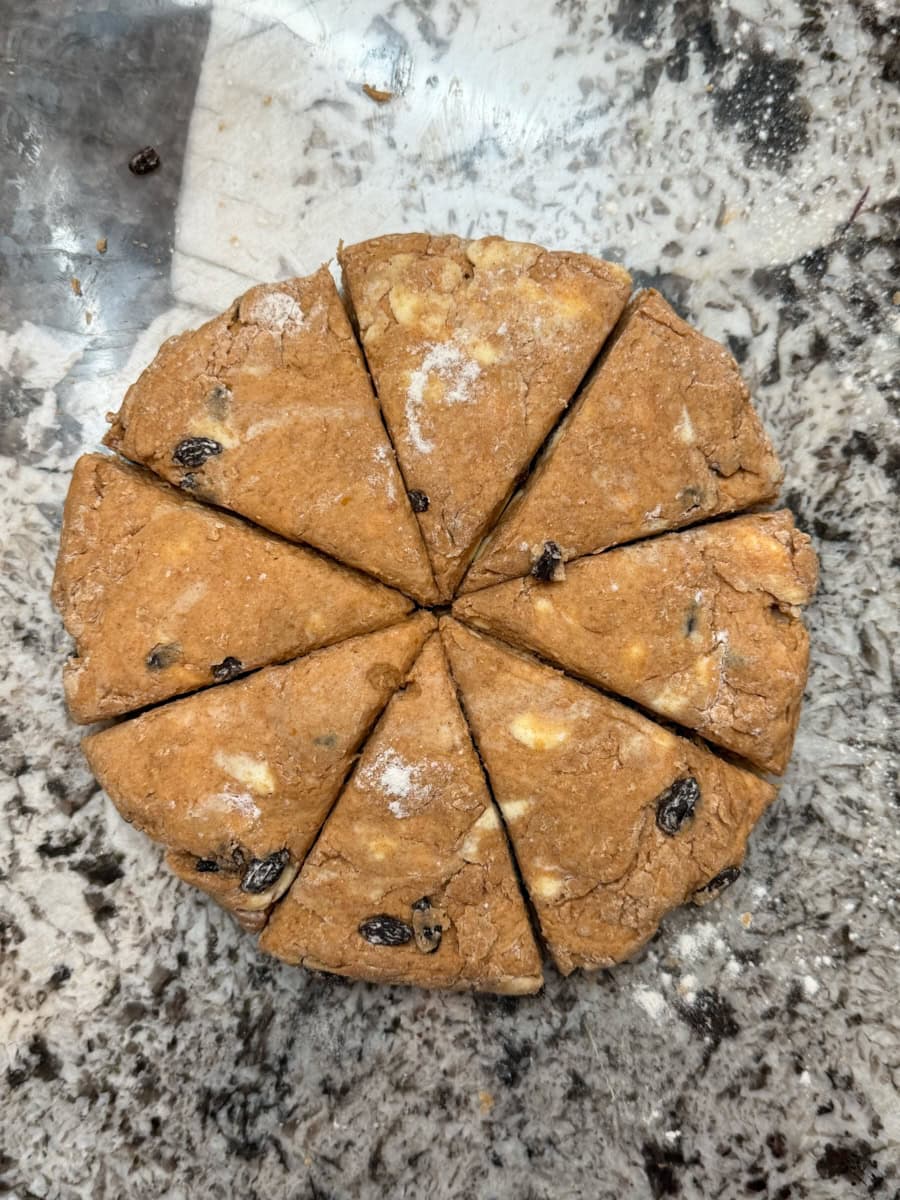
The author’s residence in the high desert serves as a practical testing ground for baking techniques, particularly those that address the challenges of high-altitude baking. The article explicitly links the success of achieving tall scones to the same principles that are vital for baking sourdough bread at higher elevations. At altitudes above 3,000 feet, lower atmospheric pressure affects the rate at which dough rises and moisture evaporates. This can lead to flatter baked goods and potentially drier textures. The techniques discussed—precise ingredient measurements, careful dough handling, and optimized baking temperatures—are crucial for mitigating these effects. The emphasis on these adjustments suggests an awareness of a significant segment of the baking population that faces these environmental hurdles, offering practical solutions derived from personal experience.
Broader Implications for Sourdough Baking and Culinary Innovation
The creation of these sourdough pumpkin scones reflects a broader trend in modern baking: the integration of traditional sourdough techniques with seasonal flavors and diverse flour types. This recipe demonstrates that sourdough is not limited to crusty loaves of bread but can be a versatile leavening agent for a wide array of baked goods, from pastries to cakes. The exploration of ancient grains like einkorn and the conscious effort to reduce waste through the use of starter discard are indicative of a growing interest in heritage ingredients and sustainable baking practices. The article’s detailed explanation of the science behind ingredient interactions, such as the role of acidity in gluten development, provides valuable educational content for home bakers seeking to deepen their understanding of the baking process. Ultimately, this recipe serves as an invitation to experiment, adapt, and discover new flavor and texture combinations within the ever-evolving world of sourdough.