
The shift toward home-based food production has accelerated significantly over the last three years, driven by a combination of rising grocery costs and an increased consumer focus on dietary transparency. Central to this movement is the "Do-It-Yourself" (DIY) pantry staple, a category that includes everything from spice blends to baking mixes. A recent analysis of home-baking trends highlights a specific recipe for a DIY Brownie Mix that offers a compelling value proposition: convenience, significant cost savings, and the ability to tailor nutritional profiles to meet specific health requirements, such as sugar-free or low-calorie diets. This particular formulation, which yields a "cake-style" brownie, demonstrates how consumers can bypass the premium pricing of commercial boxed mixes while maintaining the "just-add-water-and-oil" ease that has dominated the American kitchen since the mid-20th century.

The Evolution of the Baking Mix: From Convenience to Customization
The history of the commercial baking mix dates back to the late 1940s and early 1950s, when companies like General Mills and Duncan Hines revolutionized the domestic sphere by offering pre-measured dry ingredients. Initially marketed as a time-saving miracle for the modern housewife, these mixes eventually became a target of criticism for their high levels of preservatives, sodium, and refined sugars. In the contemporary market, a standard 18-ounce box of premium brownie mix can retail for anywhere between $3.50 and $6.00. In contrast, the DIY approach allows for the production of a high-volume batch—approximately one kilogram or eight cups of mix—for a fraction of the retail cost.
The DIY Brownie Mix recipe currently circulating in health-conscious circles provides enough dry base for five full pans of brownies. This scalability is a cornerstone of the modern "pantry loading" strategy, where households purchase raw ingredients like flour, cocoa, and sweeteners in bulk to hedge against food inflation. By preparing the mix in advance, the home baker retains the "convenience at time of use" that made commercial mixes popular, without the recurring financial premium.

Technical Specifications and Nutritional Profile
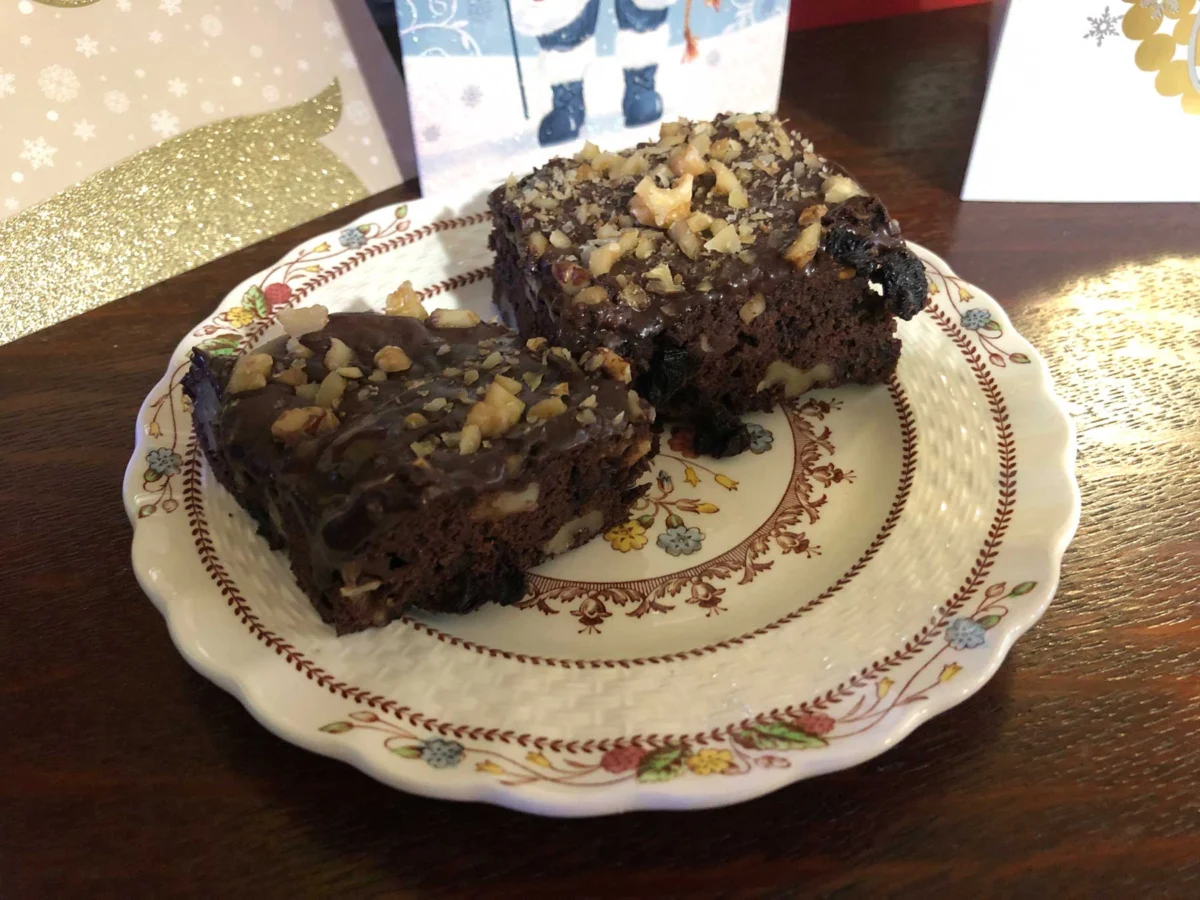
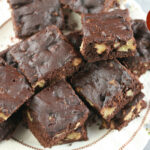
The DIY Brownie Mix is engineered to produce a specific texture: the cake-style brownie. Unlike fudgy brownies, which rely on a higher fat-to-flour ratio and often omit leavening agents, cake-style brownies utilize a balanced structure that results in a lighter, airier crumb. This makes them particularly suitable for icing or as a base for sundae desserts.
A critical feature of this specific DIY formulation is its adaptability to sugar-free diets. The recipe utilizes sucralose (commonly known by the brand name Splenda) as the primary sweetener. For those preferring traditional ingredients, the recipe is easily convertible: four cups (approximately 900 grams) of granulated white sugar serves as the equivalent for the bulk batch. The use of sucralose significantly alters the caloric density of the final product. When prepared with low-fat margarine and no nuts, a standard 50-gram square contains approximately 116 calories and 8 grams of fat. The addition of walnuts, a common modification, increases the caloric count to 131 per serving while adding 2 grams of healthy fats.
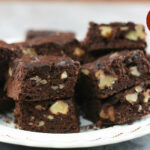
For individuals participating in weight management programs such as Weight Watchers (WW), the nutritional efficiency of this mix is notable. A single brownie calculates to 2 SmartPoints on the Freestyle program, or 3 SmartPoints if walnuts are included. This precision in nutritional data is often difficult to achieve with "from-scratch" baking unless each ingredient is meticulously weighed and recorded—a hurdle that the pre-made DIY mix effectively clears.
Safety Protocols in the Handling of Dry Mixes
A frequently overlooked aspect of DIY baking is the safety of raw ingredients. The DIY Brownie Mix instructions include a rigorous warning: raw flour must be treated with the same level of caution as raw meat. This recommendation aligns with guidelines from the Centers for Disease Control and Prevention (CDC) and the Food and Drug Administration (FDA).

Flour is a raw agricultural product that has not been treated to kill germs like Escherichia coli (E. coli) or Salmonella. These bacteria can contaminate grain while it is still in the field or during the production process. Because the DIY mix is intended for storage and subsequent baking, the risk of cross-contamination in the kitchen is present during the mixing phase. Health experts advise that after preparing the dry batch, bakers must wash their hands, utensils, and all surfaces thoroughly. Furthermore, the consumption of "raw dough" or "raw mix" is strictly discouraged until it has reached the internal temperatures required during the baking process to neutralize potential pathogens.
Chronology of the DIY Resurgence
The resurgence of the DIY baking mix can be traced through several key economic and social phases:
- The 2020 Pivot: Global lockdowns led to a massive spike in home baking. Shortages of commercial mixes forced consumers to learn the ratios of flour, leavening, and cocoa, demystifying the "black box" of the commercial food industry.
- The Inflationary Surge (2021–2023): As supply chain disruptions and labor costs drove the price of processed foods upward, the "pennies on the dollar" argument for DIY mixes shifted from a hobbyist’s talking point to a middle-class necessity.
- The Health-Conscious Integration (Present): With rising rates of Type 2 diabetes and obesity, the ability to control the glycemic index of a dessert—by using sucralose or stevia in a DIY mix—has made these recipes a staple in medical nutrition therapy and wellness communities.
Cost-Benefit Analysis: DIY vs. Store-Bought
A factual analysis of the ingredients required for the DIY Brownie Mix—all-purpose flour, cocoa powder, salt, baking powder, and sweetener—reveals a significant margin of savings. When purchased in bulk (5-lb bags of flour or 1-lb tins of cocoa), the cost per gram of the DIY mix is estimated to be 60% to 75% lower than the equivalent weight of a brand-name boxed mix.
Furthermore, the environmental impact of the DIY approach is lower. Commercial mixes require individual cardboard boxes and plastic internal liners for every 18 ounces of product. The DIY method allows for the storage of five "pans worth" of mix in a single reusable airtight container, such as a large glass jar or a food-grade plastic bin. This reduction in single-use packaging aligns with broader consumer trends toward "zero-waste" or "low-impact" living.

Professional Perspectives and Implications
Nutritionists and financial advisors alike have weighed in on the implications of the DIY food movement. Dietitians point out that the primary benefit of the DIY Brownie Mix is "ingredient agency." By choosing the quality of the cocoa (e.g., Dutch-processed vs. natural) and the type of fat (e.g., heart-healthy oils vs. saturated fats), the consumer is no longer a passive recipient of industrial food formulations.
From a psychological perspective, the "convenience at time of use" offered by a pre-made DIY mix reduces the "decision fatigue" associated with cooking from scratch. This makes it more likely that a consumer will opt for a home-baked treat over a highly processed, store-bought alternative that may contain high-fructose corn syrup and trans fats.

Conclusion and Future Outlook
The DIY Brownie Mix represents more than just a recipe; it is a microcosm of a larger shift in consumer behavior. As the public becomes more literate in food science and more sensitive to the fluctuations of the global economy, the reliance on pre-packaged convenience foods is expected to continue its decline in favor of "semi-prepared" home staples.
The future of this trend likely involves further technological integration, such as "smart pantries" that track the depletion of dry mix bases or the rise of community-based "bulk-buy" groups that share the raw ingredients for these mixes to further drive down costs. For now, the DIY Brownie Mix stands as a practical solution for those seeking the comfort of a classic American dessert without the financial or nutritional baggage of the modern supermarket aisle. Whether for a family gathering or a controlled dietary treat, the ability to produce five pans of brownies for "pennies on the dollar" remains a powerful incentive for the modern home cook.