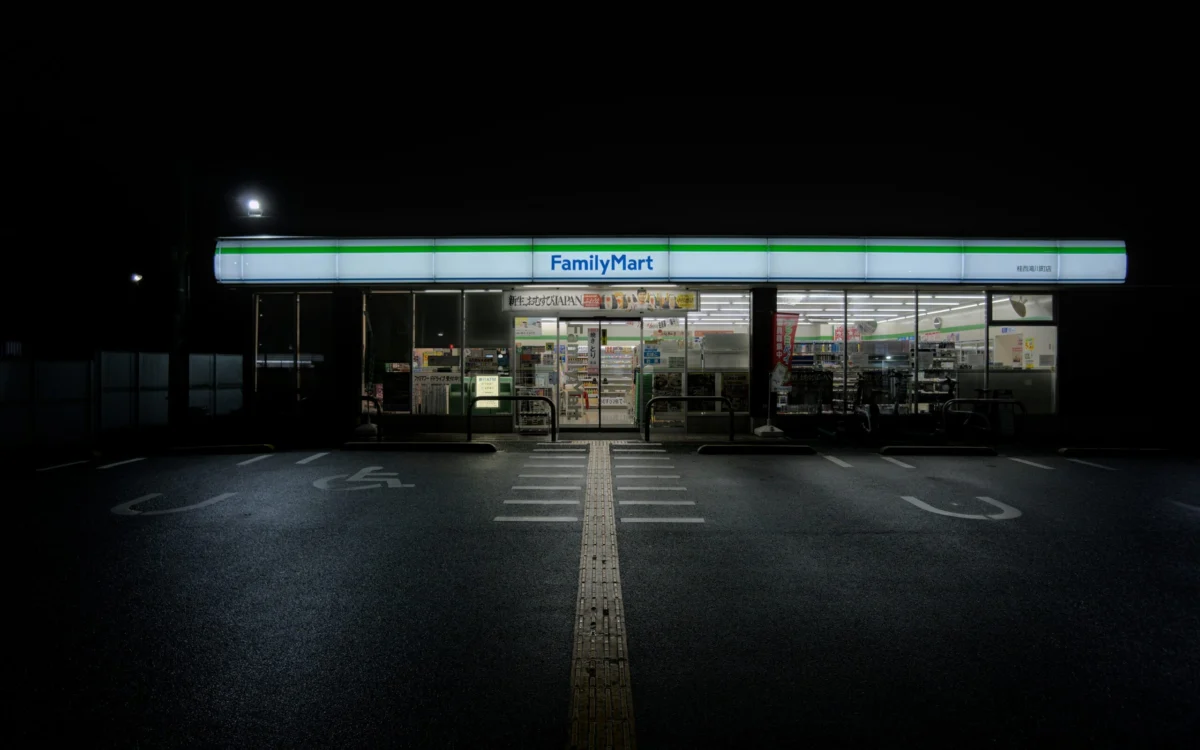

The ubiquitous roadside convenience store, often a last resort for sustenance during long journeys, may be on the cusp of a significant transformation. Gone may be the days of limited selections consisting solely of pre-packaged snacks, stale sandwiches, and overly processed beef jerky. A burgeoning vision, spearheaded by Danish food entrepreneur Daniel Baven, aims to redefine the highway dining experience by leveraging technology and existing retail infrastructure to create dynamic, in-house culinary hubs. Baven’s company, Noahs, is pioneering a platform designed to convert retail locations into distributed food centers, integrating digital ordering, modular kitchen solutions, and a flexible portfolio of culinary brands.
This innovative approach is rooted in Baven’s observation of the evolving economic landscape for traditional restaurants, particularly their struggles with the high commission rates imposed by third-party delivery platforms. Simultaneously, he recognized the untapped potential within the retail sector, identifying convenience stores and supermarkets as entities already possessing critical assets—prime locations, existing staff, and often underutilized kitchen equipment—that could be leveraged to thrive in the digital food economy.
The Retail Revolution: Transforming Convenience into Culinary Destinations
Daniel Baven articulated this vision during a recent interview with The Spoon, stating, "The biggest opportunity in the market space is actually service stations and supermarkets because they all are looking for this new revenue driver and they’re all looking to digitize. They have the staff, they have the space. Even many of them have a lot of equipment that can be utilized to actually access the digital food economy." This perspective underscores a fundamental shift in how food services can be integrated into existing commercial ecosystems.
Noahs’ proprietary platform provides the essential technological infrastructure and software layer, empowering retailers to operate a diverse array of food concepts from a single physical footprint. Baven frequently employs the analogy of a "streaming service for restaurant brands" to illustrate the model’s flexibility and scalability. "We’re building the Spotify of food," he elaborated. "We want to be the broker of great brands where we can slot in famous brands to the retailers."
While the "Spotify for X" metaphor has been applied to numerous startups, the underlying principle of offering a curated, switchable selection is particularly relevant to the dynamic food industry. Noahs’ model allows retailers to introduce and rotate various food concepts—such as pizza, tacos, or gourmet sandwiches—with minimal operational disruption. This adaptability is crucial in a market where consumer preferences can shift rapidly.
Modular Kitchens and Brand Agility: The Core of the Noahs Model
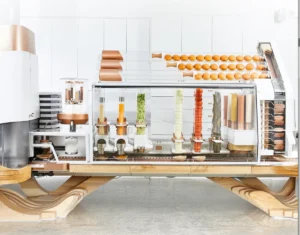
A key component of Noahs’ offering is its modular kitchen systems. These systems are designed for efficiency and can be integrated into existing retail spaces with relative ease. Furthermore, Baven highlighted instances where new food brands can be launched using equipment already present in many service stations. "We have a chicken brand where most service stations already have the equipment to run it," he explained. "So they don’t need any capex investment, and they can immediately go in and capture that sale." This circumvents the significant capital expenditure typically associated with establishing new food operations, thereby lowering the barrier to entry for retailers.
The ability to quickly onboard and offboard different food brands allows retailers to test market demand, cater to local preferences, and respond to seasonal trends. This agility is a significant departure from the traditional model of a single, fixed restaurant menu. It fosters an environment where innovation in food offerings can be rapid and data-driven, optimizing for customer satisfaction and profitability.
Addressing Shifting Consumer Habits and Declining Revenue Streams
The strategic timing of Noahs’ expansion is also driven by profound shifts in consumer behavior and the economic pressures facing the convenience store sector. Historically, revenue for these establishments has been heavily reliant on sales of tobacco and alcohol. However, data indicates a decline in these consumption patterns, particularly among younger demographics, who are increasingly adopting healthier lifestyles and exhibiting reduced engagement with traditional vices. For instance, studies by organizations like the Centers for Disease Control and Prevention (CDC) have consistently shown decreasing rates of smoking and heavy alcohol consumption among millennials and Gen Z compared to previous generations.

Concurrently, the accelerating adoption of electric vehicles (EVs) presents another challenge to traditional convenience store models. As EVs become more prevalent, the need for fuel sales—a significant revenue generator for many service stations—may diminish. This confluence of factors creates an urgent need for convenience stores to diversify their revenue streams and adapt to a changing consumer landscape.
Baven’s conviction that fresh, high-quality food is the answer to these challenges positions Noahs as a forward-thinking solution provider. By enabling retailers to offer a compelling food service, Noahs helps them capture a larger share of consumer spending and build customer loyalty beyond basic convenience needs.
Global Expansion and Future Outlook
Noahs has already established a significant presence across Europe, forging partnerships with various retailers. The company’s ambitious growth trajectory includes a target of operating 600 locations by the end of 2026, predominantly within the European market. Looking ahead, Noahs is setting its sights on a substantial expansion into the United States, with plans to enter the U.S. market within the next 12 months.
"We anticipate we would have at least around 600 locations by the end of ‘26 using the Noah’s platform," Baven confirmed. Regarding the timeline for U.S. consumers to experience Noahs-powered food offerings, he stated, "I would say definitely sometime next year." This aggressive expansion plan signals strong investor confidence and a belief in the widespread applicability of Noahs’ model.
The potential implications of Noahs’ expansion are far-reaching. For consumers, it promises a more diverse and appealing range of food options at convenient locations, transforming mundane stops into potential culinary discoveries. For retailers, it offers a tangible pathway to increased revenue, enhanced customer engagement, and adaptation to the digital economy without the prohibitive costs of building entirely new food concepts from scratch.
The success of Noahs could catalyze a broader industry trend, encouraging other retailers to explore similar hybrid models. This could lead to a significant reimagining of the service station and convenience store landscape, moving them from mere pit stops to integral parts of the modern food ecosystem. The "food court" analogy, when applied to these distributed retail hubs, aptly captures the essence of this evolving model: a centralized point offering a variety of choices, powered by technology and adaptable to diverse tastes and demands. The integration of digital ordering, efficient kitchen solutions, and a rotating selection of popular food brands is poised to redefine what it means to grab a bite on the go.
The following video provides further insights into Daniel Baven’s vision:
Why the Future of Highway Food Might Look More Like a Food Court