

The American Homebrewers Association (AHA) has officially released the January/February 2026 edition of Zymurgy, its flagship publication dedicated to the art and science of home fermentation. This latest installment serves as a comprehensive guide for the modern zymurgist, anchoring its coverage on the prestigious Great American Beer Festival (GABF) Pro-Am Competition medalists while exploring the shifting landscapes of hop-forward beer styles, international brewing frontiers, and the technological advancements currently reshaping the hobby. As the primary resource for a community of over 37,000 members, the issue provides a bridge between the grassroots origins of craft beer and the sophisticated professional industry it continues to inspire.
The GABF Pro-Am Competition: A Bridge Between Hobby and Industry
The centerpiece of the January/February 2026 issue is an in-depth look at the winners of the Great American Beer Festival Pro-Am Competition. This unique category within the world’s most renowned beer competition represents a rare intersection where amateur creativity meets professional-grade production. Under the rules of the competition, AHA members must team up with professional brewers at commercially licensed breweries to scale up their award-winning homebrew recipes for a national stage.
The Pro-Am competition serves as a vital proving ground for emerging talent. Historically, many of the industry’s most celebrated brewmasters began as homebrewers, and the Pro-Am medal often serves as a career-defining accolade. The 2026 coverage details the technical challenges faced by this year’s winners as they translated five-gallon kitchen batches into 15-barrel or 30-barrel commercial runs. Key themes among the winners included a return to classical precision, with several medals awarded to refined European lagers and traditional English ales, signaling a move away from the high-adjunct trends of previous years.
The Evolution of the West Coast IPA
A major feature in this issue explores the ongoing metamorphosis of the West Coast IPA. Once defined by aggressive bitterness and a clear, amber appearance, the style is currently undergoing a "third wave" of refinement. The article traces the chronology of the style from its roots in the early 1990s—pioneered by breweries like Sierra Nevada and Stone Brewing—to its modern iteration, which emphasizes "clean" bitterness and high-intensity aromatic profiles through advanced hopping techniques like "dip hopping" and the use of cryo-hops.
Industry analysts noted in the feature suggest that the West Coast IPA is reclaiming market share from the Hazy or New England IPA (NEIPA) by incorporating some of the juice-forward hop varieties while maintaining the crisp, dry finish that defines the style. This evolution reflects a broader trend toward drinkability and technical execution, providing homebrewers with new strategies for achieving professional-level clarity and hop saturation in their own fermentations.

Legacy Breweries and the Preservation of Craft Culture
Complementing the focus on modern trends, Zymurgy examines the role of "Legacy Breweries" in the American landscape. These are the institutions that have survived multiple decades of market volatility, including the craft beer "bubble" of the late 1990s and the more recent economic pressures of the post-pandemic era.
The reporting emphasizes that these breweries serve as the backbone of the industry, maintaining the historical standards of beer styles that might otherwise be overshadowed by fleeting trends. By interviewing veteran brewers, the issue provides readers with a historical context of how recipe formulation has changed over forty years, specifically regarding the availability of raw materials and the modernization of brewhouse efficiency. This retrospective serves as both a history lesson and a practical guide for homebrewers looking to replicate the consistency and longevity of these storied brands.
Global Frontiers: Brewing in the Steppes of Mongolia
In one of the issue’s more adventurous segments, Zymurgy travels to Mongolia to document the nascent but rapidly growing craft beer scene in Ulaanbaatar and beyond. This feature highlights the globalization of brewing knowledge and the unique challenges of producing beer in extreme climates with limited access to traditional ingredients like fresh hops and specific yeast strains.
The report details how Mongolian brewers are incorporating local ingredients—such as indigenous grains and wild botanicals—to create a distinct regional identity. For the homebrewing audience, this segment offers a lesson in adaptability and the universal language of fermentation. It also underscores the AHA’s commitment to documenting the international growth of the hobby, illustrating that the passion for high-quality beer transcends geographic and economic boundaries.
Technological Advancements and the Modern "Brewing Gadget"
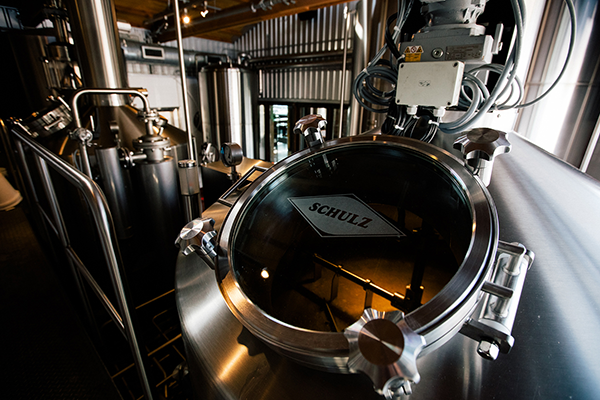
As homebrewing becomes increasingly sophisticated, the January/February 2026 issue dedicates a significant section to the latest "brewing gadgets." The focus has shifted from simple hardware to integrated smart systems. The review covers the latest in automated fermentation temperature control, digital refractometers with cloud connectivity, and electric all-in-one brewing systems that allow for precise step-mashing.
Supporting data suggests that the "automation of the home brewery" has lowered the barrier to entry for new enthusiasts while allowing veterans to achieve a level of repeatability that was once only possible in professional laboratories. The article provides a fact-based analysis of whether these high-tech tools truly improve beer quality or if they primarily offer convenience, concluding that while the "human element" remains paramount, the reduction of oxygen exposure and precise thermal management are the two greatest benefits of the modern equipment era.
Technical Resources and Recipe Analysis
Central to the magazine’s mission is the provision of validated, high-quality recipes. This issue includes 11 detailed recipes ranging from the GABF Pro-Am winning entries to experimental batches inspired by the Mongolian features. Each recipe is accompanied by a technical breakdown of the water chemistry, mash profile, and fermentation schedule required to achieve success.
Editor-in-Chief Dave Carpenter, who has led the publication since 2019, emphasizes the importance of these resources. Carpenter, a seasoned brewer and writer since 2009, has steered Zymurgy toward a balance of "beer geekery" and accessible education. Under his tenure, the magazine has expanded its focus on the science of brewing, ensuring that every recipe and technique is backed by contemporary brewing theory.
Chronology of Zymurgy and the American Homebrewers Association
To understand the impact of this latest issue, one must look at the timeline of the AHA:
- 1978: Charlie Papazian founds the American Homebrewers Association in Boulder, Colorado, and publishes the first issue of Zymurgy.
- 1979: The first Great American Beer Festival is held, eventually becoming the premier beer event in the United States.
- 2000s: Homebrewing experiences a massive surge in popularity alongside the "Craft Beer Revolution," leading to increased technical sophistication in Zymurgy’s content.
- 2020s: The hobby shifts toward high-precision electric brewing and a greater focus on lager production and traditional styles.
- 2026: The current issue marks nearly half a century of the publication, now serving a global audience of professional-leaning amateurs.
Broader Impact and Industry Implications
The release of the January/February 2026 issue comes at a pivotal time for the craft beer industry. With commercial growth slowing in some sectors, the role of the homebrewer as an innovator and brand advocate is more important than ever. The Pro-Am winners highlighted in this issue represent the "R&D department" of the craft beer world; their experimental recipes often predict the next major commercial trends.
Furthermore, the focus on legacy breweries and technical precision suggests a "maturing" of the hobby. The data indicates that while the total number of homebrewers may have stabilized, the level of expertise within the community is at an all-time high. This sophistication drives demand for high-quality ingredients and advanced equipment, fueling a secondary market that supports thousands of small businesses, from local homebrew supply shops to specialty maltsters.
As Zymurgy enters 2026, it remains the definitive record of the homebrewing movement. By documenting the achievements of Pro-Am winners and exploring the global reach of beer culture, the magazine continues to fulfill its role as both an educational manual and a historical archive for the fermentation arts. For AHA members, the January/February issue is not merely a collection of articles, but a roadmap for the next year of brewing excellence, encouraging a blend of historical reverence and technological innovation.