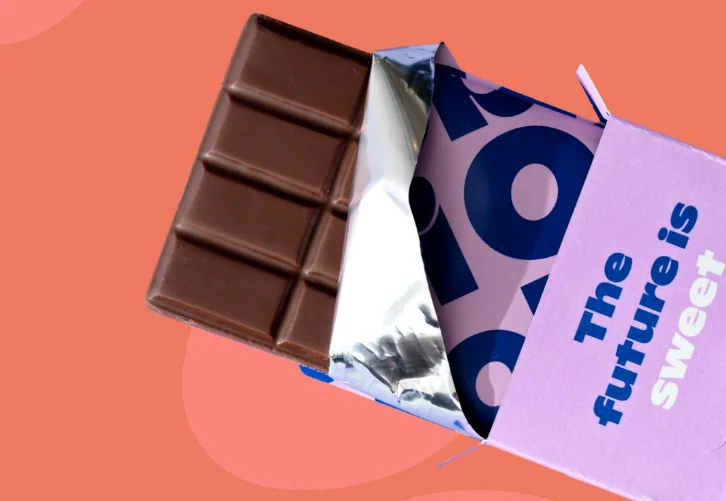

Oobli, a company at the forefront of precision-fermented sweet protein technology, is strategically pivoting its business model to capitalize on the burgeoning demand for healthier sweetening solutions, particularly in the wake of the widespread adoption of GLP-1 medications and the broader "MAHA" (Metabolism, Appetite, Health, and Aesthetics) movement. Once focused on direct-to-consumer product lines like sweet teas and chocolates, Oobli has transitioned into a B2B ingredient platform, empowering food and beverage manufacturers to reformulate their offerings with its innovative sweetener. This strategic shift aims to leverage the global scale and distribution networks of established industry players, positioning Oobli as a key enabler of next-generation sweetening systems.
The Shifting Landscape of Sweeteners and Health
The food and beverage industry has long been navigating a complex consumer landscape shaped by evolving health consciousness. For years, the focus was on reducing sugar intake, leading to the widespread adoption of artificial sweeteners and sugar alcohols. However, this era has been significantly disrupted by two powerful converging trends: the meteoric rise of GLP-1 receptor agonists (such as semaglutide and tirzepatide) and the comprehensive "MAHA" movement.
GLP-1 medications, initially developed for diabetes management, have gained immense popularity for their potent weight management properties. As millions of individuals incorporate these drugs into their health regimens, their dietary habits and preferences are fundamentally changing. Consumers on GLP-1s often experience reduced appetite and a diminished craving for intensely sweet or highly palatable foods, creating a significant market opportunity for brands that can offer satisfying sweetness without the caloric or glycemic impact of traditional sugars.
Simultaneously, the MAHA movement encapsulates a holistic approach to well-being, emphasizing not just weight loss but also metabolic health, balanced appetite regulation, and aesthetic improvements. This broad consumer sentiment drives demand for products that are not only "better-for-you" but also contribute to overall health and satiety.
Oobli’s Strategic Evolution: From Consumer Brand to B2B Powerhouse
Founded on the principle of harnessing the natural sweetness of proteins through precision fermentation, Oobli initially sought to build brand awareness by launching its own consumer products. This approach, common for innovative food technology startups, served as a crucial proof of concept, demonstrating the viability and appeal of their sweet protein technology.
"Back in 2023, when Oobli started pushing out its line of sweet teas and chocolates to gain attention for its precision-fermented sweetener, being at the intersection of protein and a healthier sweetening system seemed like a pretty good place to be," stated the original article. "After all, the protein-maxxing and better-for-you movements already seemed in pretty full swing, and the idea of using a protein as a sweetener seemed like a natural winner."
However, the pace of market evolution, particularly the rapid ascent of GLP-1s and the MAHA movement, necessitated a strategic recalibration. "While it may have seemed like we were at peak protein and the anti-sugar pushback three years ago, that was all just a warm-up act for where we are today, as MAHA and GLP-1s have taken center stage and pushed food companies to upend their businesses, reformulate large swaths of their products, and rush new ones to market to capitalize on these trends," the article further elaborated.
Recognizing this paradigm shift, Oobli’s CEO, Ali Wing, articulated the company’s refined mission. "We are first and foremost a sweet protein technology platform," Wing explained in a recent interview on The Spoon Podcast. "We really make our money and our business model is as a specialty ingredient that can be something that replaces sugar or changes sweetening systems in packaged food and beverages."
This strategic pivot from a consumer-facing brand to a business-to-business (B2B) ingredient supplier is a logical progression for a technology-centric company, especially within the capital-intensive consumer packaged goods (CPG) sector. By focusing on partnerships, Oobli avoids the immense challenges of building and scaling a standalone brand in a saturated market. Instead, it collaborates with established companies possessing existing global reach and distribution channels.
Partnering for Innovation: Ingredion and Mars Lead the Charge
Oobli’s B2B strategy centers on enabling reformulation within the existing food manufacturing ecosystem. Rather than directly engaging with CPG giants, Oobli often works through strategic partners who possess the deep industry relationships and technical expertise to integrate novel ingredients.
"So we kind of think of our partners like Ingredion as an ‘and strategy,’" Wing explained. "For dedicated projects where somebody really wants to get under the hood with us and we’re helping them develop a specific formula, we will invest the resources if there’s a co-investment. Otherwise, we have big partners that will spend time with them, helping them with their formulations."

This collaborative approach is exemplified by Oobli’s partnerships with industry leaders such as Ingredion, a global ingredient solutions provider. Through this alliance, Oobli’s sweet protein technology is being integrated into Ingredion’s existing sweetener systems, offering a pathway for Ingredion’s extensive client base to access novel sweetening solutions.
Furthermore, Oobli is collaborating with food giant Mars, a company with a vast portfolio across confectionery, pet care, and other food segments. This multi-faceted engagement with Mars signals the broad applicability of Oobli’s technology across diverse product categories. The overarching goal of these partnerships is to seamlessly plug Oobli’s sweet proteins into the established food manufacturing infrastructure, facilitating the development of innovative sweetener formulations.
"If you think of most packaged goods, packaged food and beverage very rarely has one sweetener, and it’s usually a sweetener system," Wing noted, underscoring the complexity of reformulation and the need for versatile ingredient solutions like Oobli’s.
The Sweet Protein Advantage in a Post-GLP-1 World
The cessation of Oobli’s direct-to-consumer product lines signifies a mature understanding of market dynamics. These initial offerings served their purpose as marketing proof points, effectively opening the eyes of potential brand partners to the technology’s capabilities. As the market increasingly prioritizes health-conscious options and enhanced nutrient density, particularly among consumers influenced by GLP-1 usage and the MAHA movement, Oobli is well-positioned to provide a compelling solution.
"Sweet proteins show up really well in both those places," Wing stated, referring to the dual demands for healthier sweeteners and greater nutrient density. Unlike traditional sugar substitutes that may offer sweetness but lack nutritional value, Oobli’s sweet proteins, derived from fermentation, offer a unique proposition. They provide a clean, pleasant sweetness profile while also contributing to the protein content of a product, aligning with the "protein-maxxing" trend that preceded the current GLP-1 and MAHA surge.
Supporting Data and Market Trends
The demand for sugar reduction and healthier alternatives is a well-documented global phenomenon. According to a report by Grand View Research, the global sugar substitutes market size was valued at USD 9.5 billion in 2022 and is expected to grow at a compound annual growth rate (CAGR) of 5.7% from 2023 to 2030. This growth is driven by increasing consumer awareness of health issues related to sugar consumption, such as obesity, diabetes, and cardiovascular diseases.
The impact of GLP-1 medications on the food industry is still being quantified, but early indicators suggest a profound shift. Analysts at Morgan Stanley have projected that GLP-1s could capture a significant portion of the obesity drug market, potentially reaching $74 billion by 2030. This widespread adoption is expected to lead to a decrease in the consumption of high-calorie, high-sugar foods and a corresponding increase in demand for nutrient-dense, lower-calorie alternatives.
Companies that can effectively reformulate their products to meet these evolving consumer preferences are poised for significant growth. The MAHA movement, encompassing a broader wellness perspective, further amplifies this trend. Consumers are increasingly looking for products that support not just weight management but also overall metabolic health, sustained energy levels, and satiety. Sweet proteins, with their dual benefits of sweetness and protein contribution, align perfectly with these multifaceted consumer desires.
Implications for the Food Industry
Oobli’s strategic repositioning has significant implications for the broader food industry:
- Accelerated Reformulation: By partnering with ingredient giants like Ingredion and established food manufacturers like Mars, Oobli can accelerate the adoption of its technology. This means more consumer products will be able to offer healthier sweetening options faster than if Oobli had to build its own consumer brands from scratch.
- Innovation in Sweetener Systems: The traditional approach of using single sweeteners is giving way to complex "sweetener systems." Oobli’s technology, capable of integrating with existing sweeteners, offers a flexible solution for manufacturers seeking to optimize taste, texture, and nutritional profiles.
- Response to GLP-1 Market: Food and beverage companies that proactively develop products catering to the preferences of GLP-1 users will gain a competitive advantage. Oobli’s sweet proteins provide a tangible way to achieve this, offering sweetness without the typical sugar-induced cravings or metabolic penalties.
- Sustainability and Precision Fermentation: The growth of precision fermentation as a method for producing novel ingredients aligns with broader industry trends towards sustainable and efficient food production. Oobli’s reliance on this technology positions it as a forward-thinking player in the alternative protein and ingredient space.
The company’s decision to focus on enabling its partners rather than competing on the retail shelf reflects a sophisticated understanding of the modern food landscape. As consumer demands continue to evolve at an unprecedented pace, driven by scientific advancements and a growing focus on holistic health, Oobli’s role as a key technology provider appears strategically sound, poised to contribute significantly to the next generation of sweetening solutions.
You can watch the full interview with Ali Wing on The Spoon Podcast to gain further insights into Oobli’s vision and its impact on the future of food.