
Mayonnaise, a staple in kitchens worldwide, is a polarizing condiment. For those who find themselves on the opposing side of the mayonnaise spectrum – whether due to taste aversion, dietary restrictions, or a desire for healthier options – the quest for creamy, flavorful alternatives can feel like a culinary challenge. Fortunately, a diverse array of ingredients can impart the desirable texture and taste of mayonnaise without the traditional egg and oil base. These alternatives not only offer creaminess but also introduce a wealth of nutritional benefits, transforming everyday meals into more vibrant and wholesome experiences.
The culinary landscape has seen a significant shift towards healthier eating habits, with consumers increasingly scrutinizing ingredient lists and seeking out nutrient-dense food choices. Mayonnaise, often characterized by its high fat content derived from oil and emulsified egg yolks, has become a focal point for those aiming to reduce calorie intake or avoid certain ingredients. This growing awareness has spurred innovation in food preparation, leading to the popularization of various plant-based and dairy-based substitutes that can seamlessly integrate into a wide range of dishes.
The following exploration delves into ten such alternatives, each offering a unique profile of flavor and texture, suitable for everything from sandwiches and wraps to dips and dressings. These options are not merely replacements but enhancements, capable of elevating the nutritional and gustatory appeal of meals, making them ideal for meal preparation and everyday consumption.
The Nutritional Case for Mayo Alternatives
Understanding the nutritional composition of mayonnaise is key to appreciating the benefits of its alternatives. A typical tablespoon of regular mayonnaise contains approximately 90-100 calories, with nearly all of those calories coming from fat, primarily unsaturated fats from vegetable oils like soybean or canola oil, combined with egg yolks and vinegar. While these fats can be part of a healthy diet, the overall caloric density and lack of significant protein or fiber in traditional mayonnaise lead many to seek alternatives that offer a more robust nutritional package.
The alternatives discussed below often provide valuable macronutrients and micronutrients. For instance, avocados are rich in monounsaturated fats, fiber, and potassium. Hummus, made from chickpeas, offers plant-based protein and fiber. Greek yogurt is a powerhouse of protein and probiotics. These ingredients can contribute to satiety, aid digestion, and provide essential vitamins and minerals, aligning with a health-conscious dietary approach.
Exploring the Top Ten Mayo Alternatives
1. Avocado: The Creamy Champion
Avocado stands out as one of the most straightforward and widely embraced mayonnaise substitutes. Its naturally creamy texture, when ripe, makes it an excellent spread for toast, sandwiches, and burgers. Beyond its smooth consistency, avocado contributes healthy monounsaturated fats, fiber, and a range of vitamins and minerals, including vitamin K, vitamin C, vitamin E, and several B vitamins, as well as potassium.
When used in mixed dishes like tuna salad, egg salad, or chicken salad, mashed avocado can replace mayonnaise effectively. A simple preparation involves mashing a ripe avocado with a squeeze of lemon or lime juice to prevent browning and enhance freshness, along with a pinch of salt and garlic powder. This creates a flavorful, nutrient-dense spread that is both satisfying and beneficial.
Best Uses for Avocado:
- Sandwich and wrap spread
- Base for tuna, egg, or chicken salad
- Dips and salad dressings
- Topping for toast and bowls
Helpful Tip: To preserve its vibrant green color and prevent oxidation, always add a touch of acidity, such as lemon or lime juice, when preparing avocado ahead of time for meal prep. Storing mashed avocado in an airtight container, pressing plastic wrap directly onto its surface, can further minimize browning.
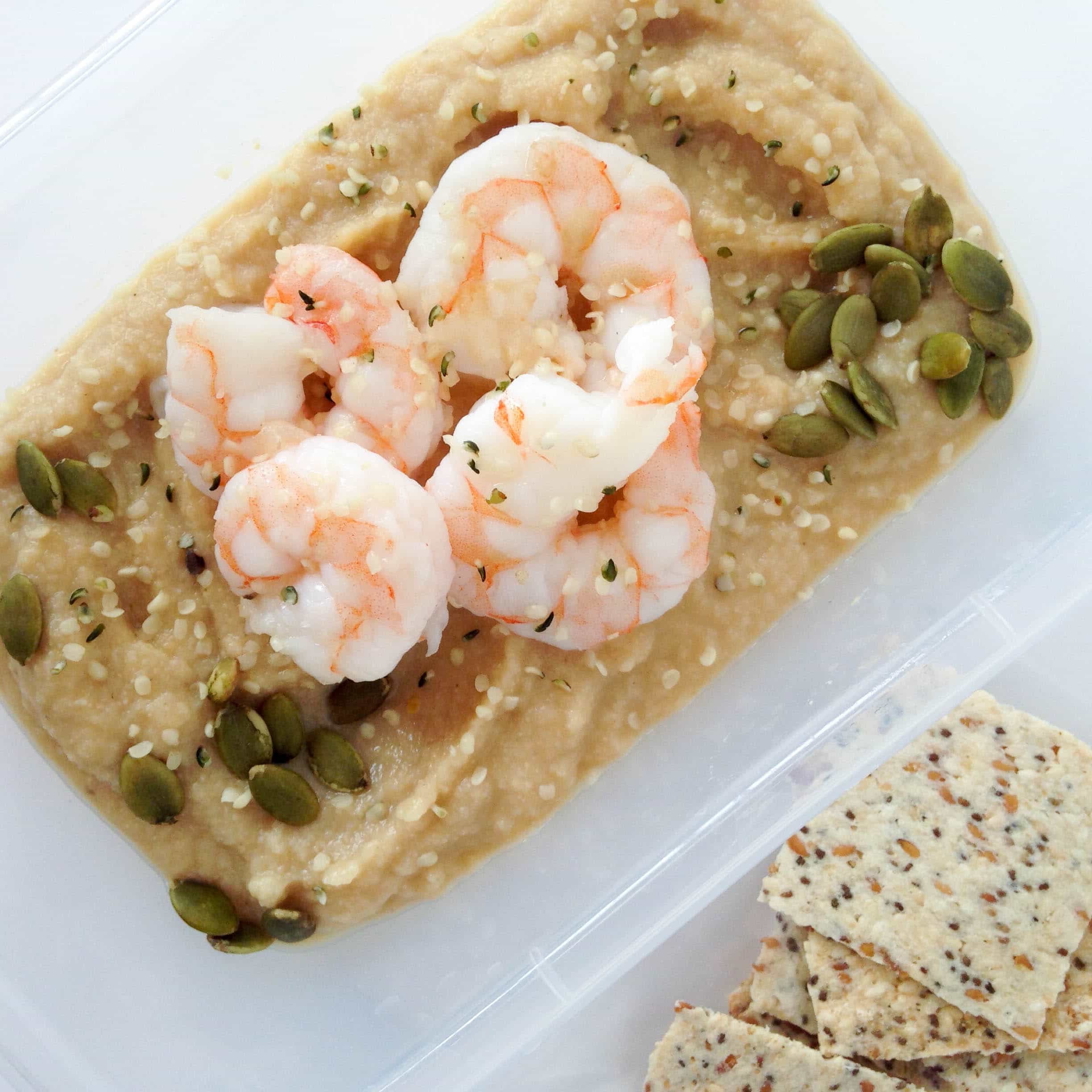
2. Hummus: Protein-Packed Versatility
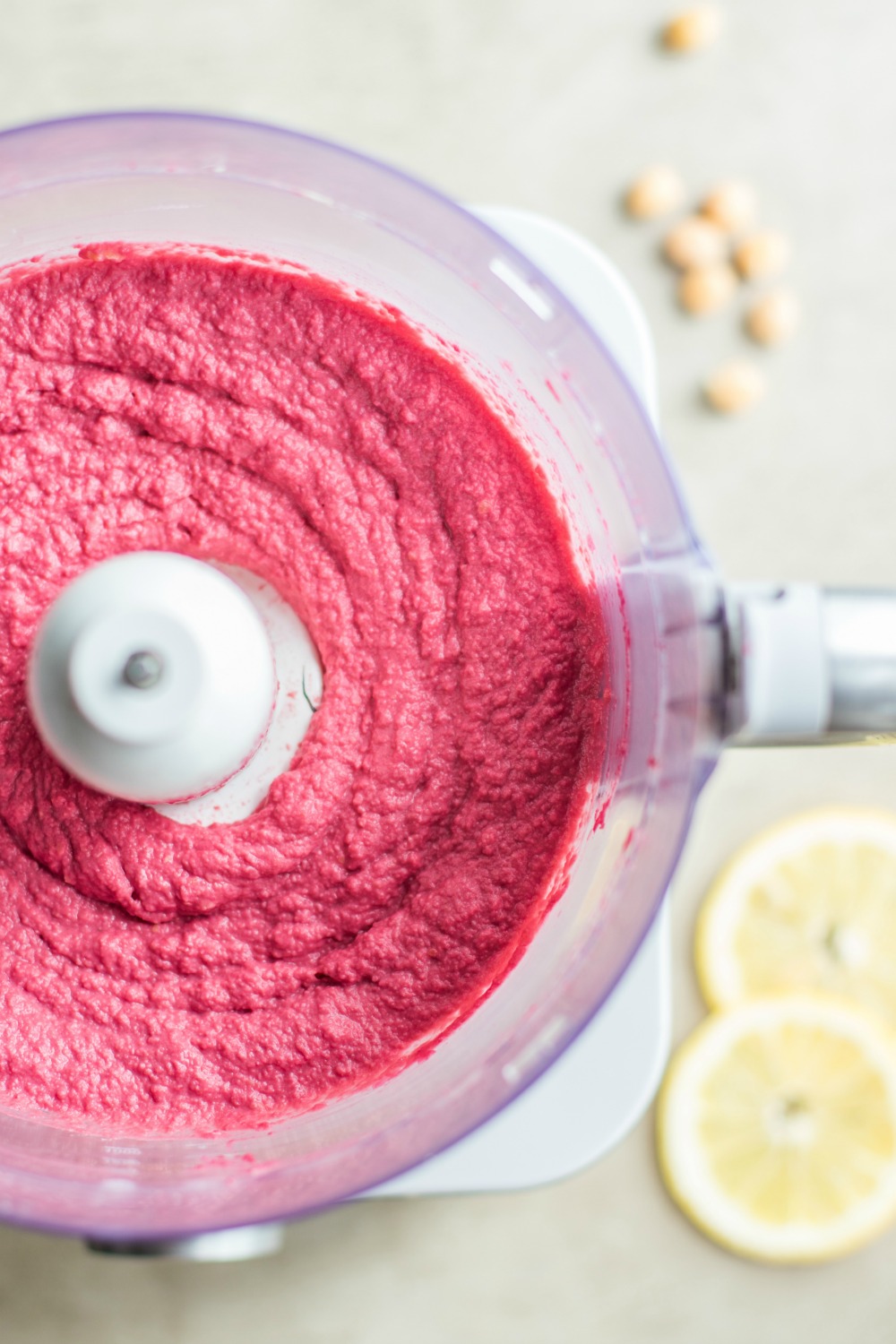
Hummus, a staple of Middle Eastern cuisine, has gained significant traction as a healthy mayonnaise alternative. Traditionally crafted from chickpeas, tahini (sesame paste), garlic, lemon juice, and olive oil, hummus is a creamy, flavorful spread that boasts plant-based protein, fiber, and healthy fats. Its nutritional profile makes it a filling and fortifying choice for various meals.
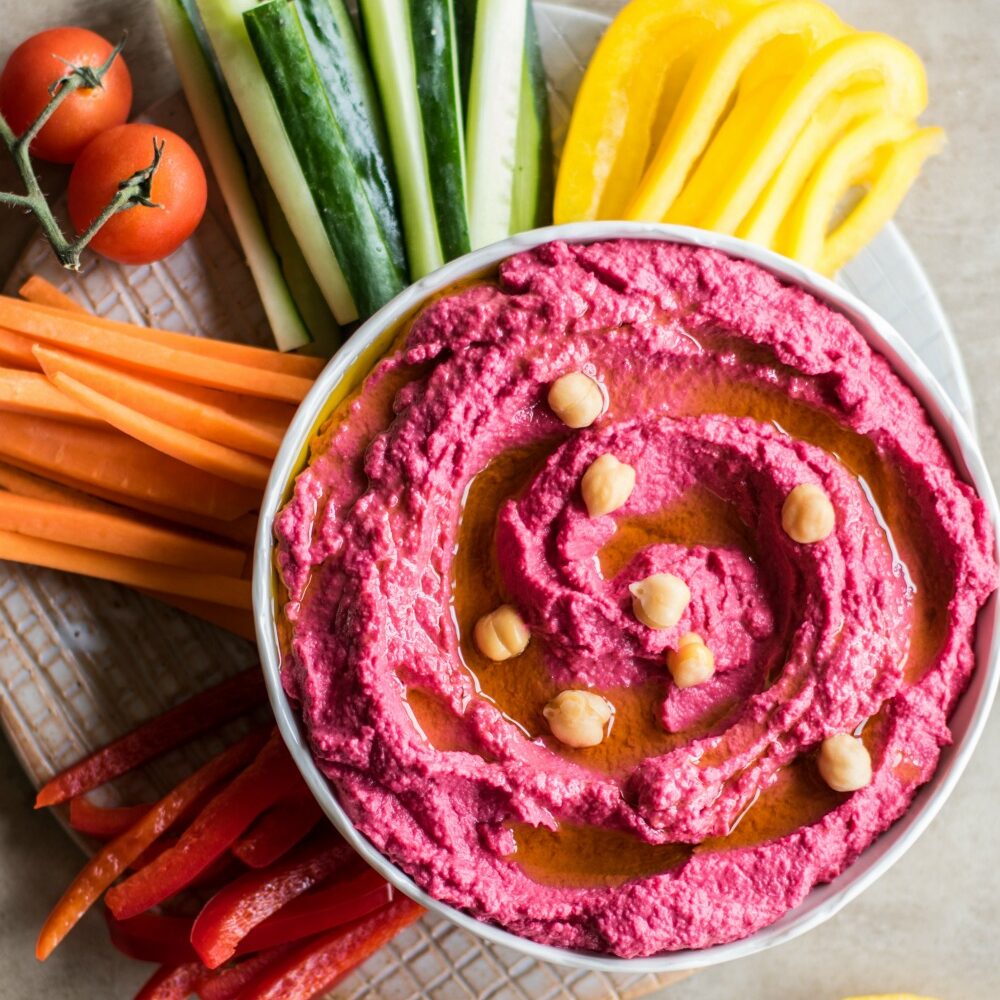
The versatility of hummus extends beyond its classic preparation. A wide array of flavored hummuses, such as roasted red pepper, caramelized onion, beet, or spicy sriracha varieties, can introduce diverse flavor dimensions to sandwiches and wraps, offering a more dynamic taste experience than plain mayonnaise.
Best Uses for Hummus:
- Spread for sandwiches, wraps, and pitas
- Dip for vegetables and crackers
- Binder in salads
- Sauce for grain bowls and roasted vegetables
Helpful Tip: For sandwiches and wraps, opt for a thicker hummus consistency to prevent the bread or tortilla from becoming soggy. This ensures a pleasant texture throughout the meal.
3. Greek Yogurt: The Tangy Protein Boost
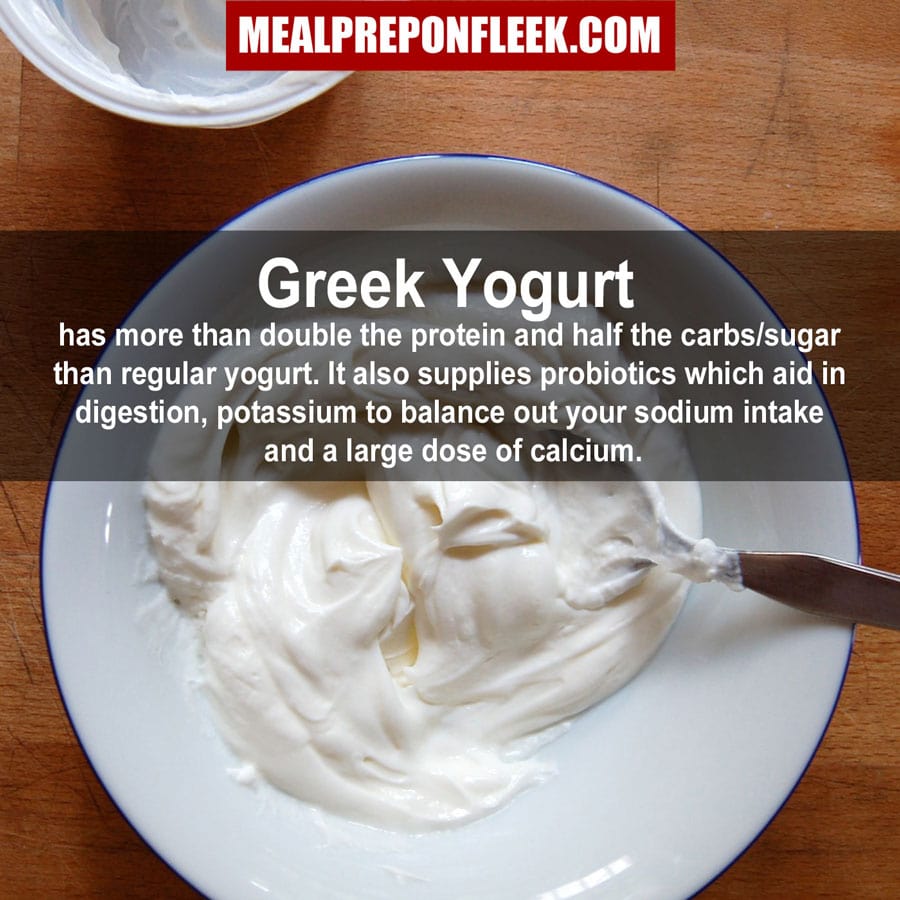
Plain Greek yogurt offers a creamy, tangy alternative that is notably higher in protein than mayonnaise. Its smooth texture makes it an excellent base for recipes where mayonnaise is typically combined with herbs, spices, or other ingredients. The protein content contributes to satiety, making it a valuable addition to weight-management plans.
Greek yogurt is particularly well-suited for preparations like chicken salad, tuna salad, homemade dressings, and creamy sauces. Its lighter profile compared to mayonnaise provides a satisfying smoothness without the same caloric density.
Best Uses for Greek Yogurt:
- Base for chicken salad, tuna salad, and egg salad
- Creamy salad dressings and dips
- Sauce for roasted vegetables or pasta
- Marinades for meats and poultry
Helpful Tip: For a richer, creamier texture, it is recommended to use full-fat or 2% plain Greek yogurt. Nonfat versions can sometimes be too sharp or watery on their own, though they can be thinned with a touch of milk or water if a lighter consistency is desired.
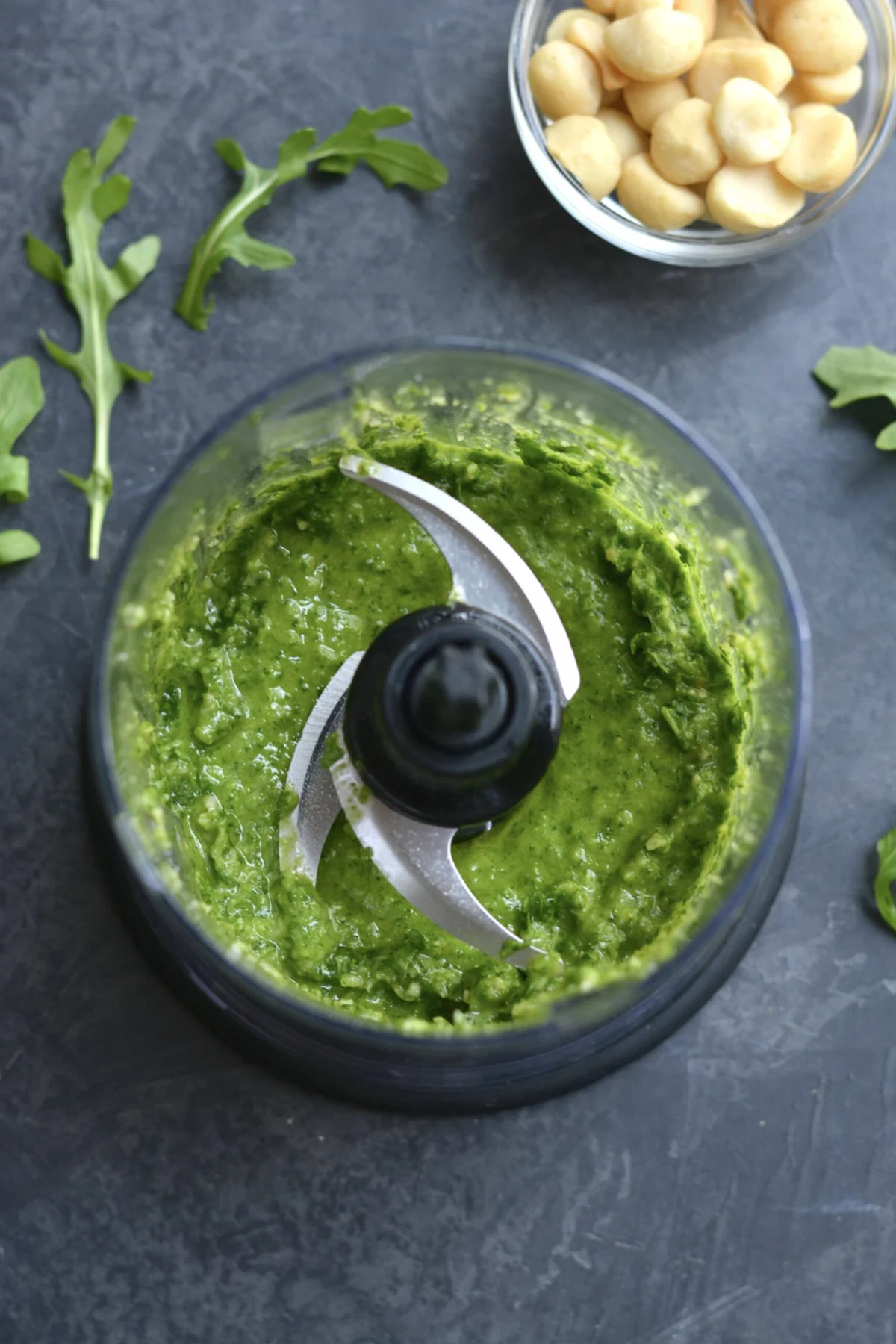
4. Pesto: A Flavorful Herbaceous Kick
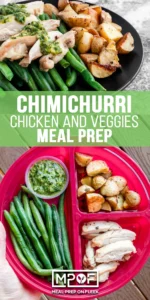
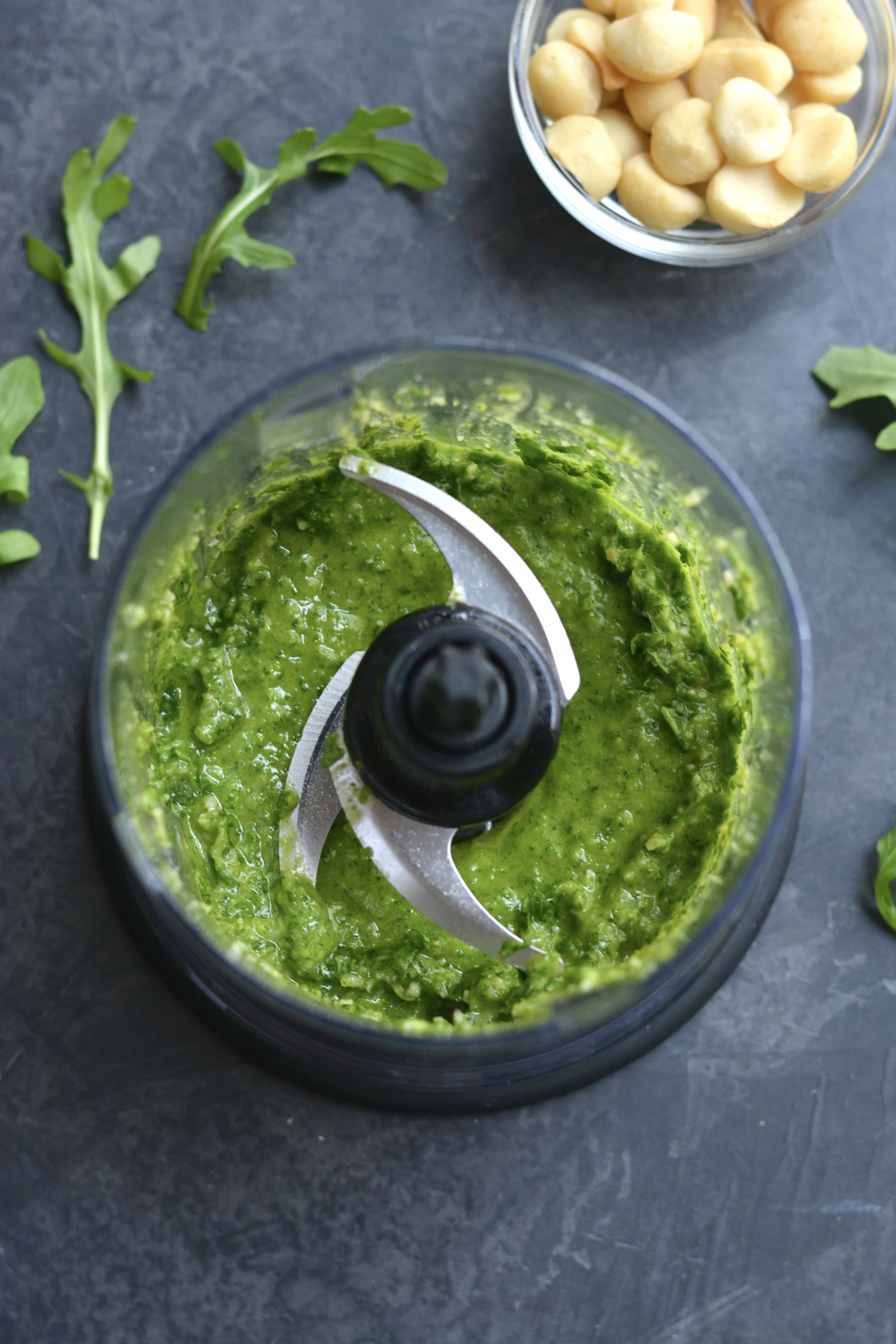
Pesto, traditionally made from basil, pine nuts, garlic, Parmesan cheese, and olive oil, offers a bold and herbaceous flavor profile that can significantly enhance dishes. While not designed to mimic mayonnaise directly, its richness and moisture content make it a compelling alternative for sandwiches, wraps, and grain bowls.
Variations of pesto, such as cilantro pesto, spinach pesto, kale pesto, or pumpkin seed pesto, can further diversify its application, allowing it to complement a wider range of cuisines and flavor preferences. The healthy fats from olive oil and the nutrients from herbs and nuts contribute to its appeal.
Best Uses for Pesto:
- Spread for sandwiches and wraps
- Flavor enhancer for pasta and grain bowls
- Sauce for grilled meats, fish, and vegetables
- Dressing for salads
Helpful Tip: A little pesto goes a long way due to its concentrated flavor. If a thinner, more spreadable consistency is desired, it can be gently thinned with a tablespoon of Greek yogurt or olive oil.
5. Cashew Cheese: A Dairy-Free Indulgence
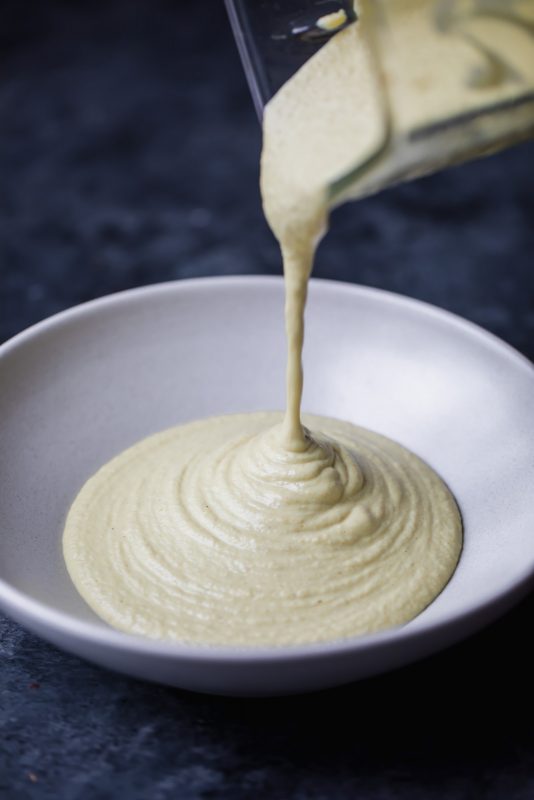
For those seeking a dairy-free and vegan mayonnaise alternative, cashew cheese provides a creamy, rich, and savory option. Typically prepared by blending soaked cashews with lemon juice, garlic, nutritional yeast (for a cheesy flavor), and seasonings, cashew cheese can achieve a texture ranging from thick and spreadable to a lighter, dip-like consistency, depending on the amount of liquid used.
This alternative is particularly beneficial for individuals with dairy allergies or those adhering to a vegan diet, offering an indulgent yet wholesome spread that can be incorporated into a variety of meals. The healthy fats in cashews contribute to its satisfying richness.
Best Uses for Cashew Cheese:
- Spread for sandwiches and burgers
- Creamy base for dips and spreads
- Sauce for pasta or vegetables
- Topping for baked potatoes or bowls
Helpful Tip: Homemade cashew cheese often benefits from chilling for a few hours. This allows the flavors to meld and deepen, resulting in a more complex and satisfying taste.
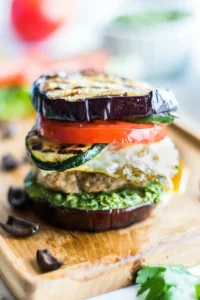
6. Baba Ganoush: Smoky Eggplant Delight
Baba ganoush, a Levantine dip made primarily from roasted eggplant, tahini, lemon juice, garlic, and olive oil, offers a wonderfully smoky and savory flavor with a consistently smooth and creamy texture. Its depth of flavor makes it a superior choice for wraps, sandwiches, and snack platters, providing a more complex taste profile than traditional mayonnaise.
The eggplant base is rich in fiber and antioxidants, while tahini contributes healthy fats and minerals. This combination results in a spread that is both delicious and health-promoting.
Best Uses for Baba Ganoush:
- Spread for sandwiches and wraps
- Dip for pita bread, vegetables, and falafel
- Accompaniment to grilled meats and vegetables
- Base for savory bowls
Helpful Tip: Pairing baba ganoush with crunchy elements, such as cucumber slices, shredded carrots, or fresh sprouts, creates a delightful contrast in textures that enhances the overall eating experience.
7. White Bean Dip: A Fiber-Rich Creamy Base
White bean dip, often made with cannellini or Great Northern beans, is another excellent option for achieving a creamy texture while boosting protein and fiber intake. These white beans blend into a smooth consistency and readily absorb a variety of flavors.
When combined with lemon juice, garlic, olive oil, and fresh herbs, white bean dip transforms into a simple yet flavorful sandwich spread that is well-suited for meal preparation. Its mild flavor profile makes it a versatile ingredient.
Best Uses for White Bean Dip:
- Spread for sandwiches and wraps
- Dip for crudités and crackers
- Binder for vegetable patties
- Sauce for roasted vegetables
Helpful Tip: To elevate the flavor of white bean dip, consider incorporating roasted garlic for a sweeter, milder garlic taste or fresh basil for a bright, herbaceous note. These additions can enhance the dip without complicating the preparation.
8. Cream Cheese Spreads: A Rich Dairy Option
For individuals who consume dairy, cream cheese offers a rich and versatile alternative to mayonnaise, particularly for sandwiches and bagels. It can be used plain or enhanced by mixing in finely chopped vegetables, fresh herbs, or spices to create custom spreads.
Vegetable-infused cream cheese spreads are especially convenient for lunch meal prep, as they tend to hold their texture well in the refrigerator and are less prone to separation than some other creamy sauces.
Best Uses for Cream Cheese Spreads:
- Spread for bagels and sandwiches
- Base for savory dips
- Binder for appetizers
- Filling for pastries
Helpful Tip: To achieve a lighter texture and make cream cheese easier to spread, whip it with a small amount of Greek yogurt. This combination also adds a protein boost.
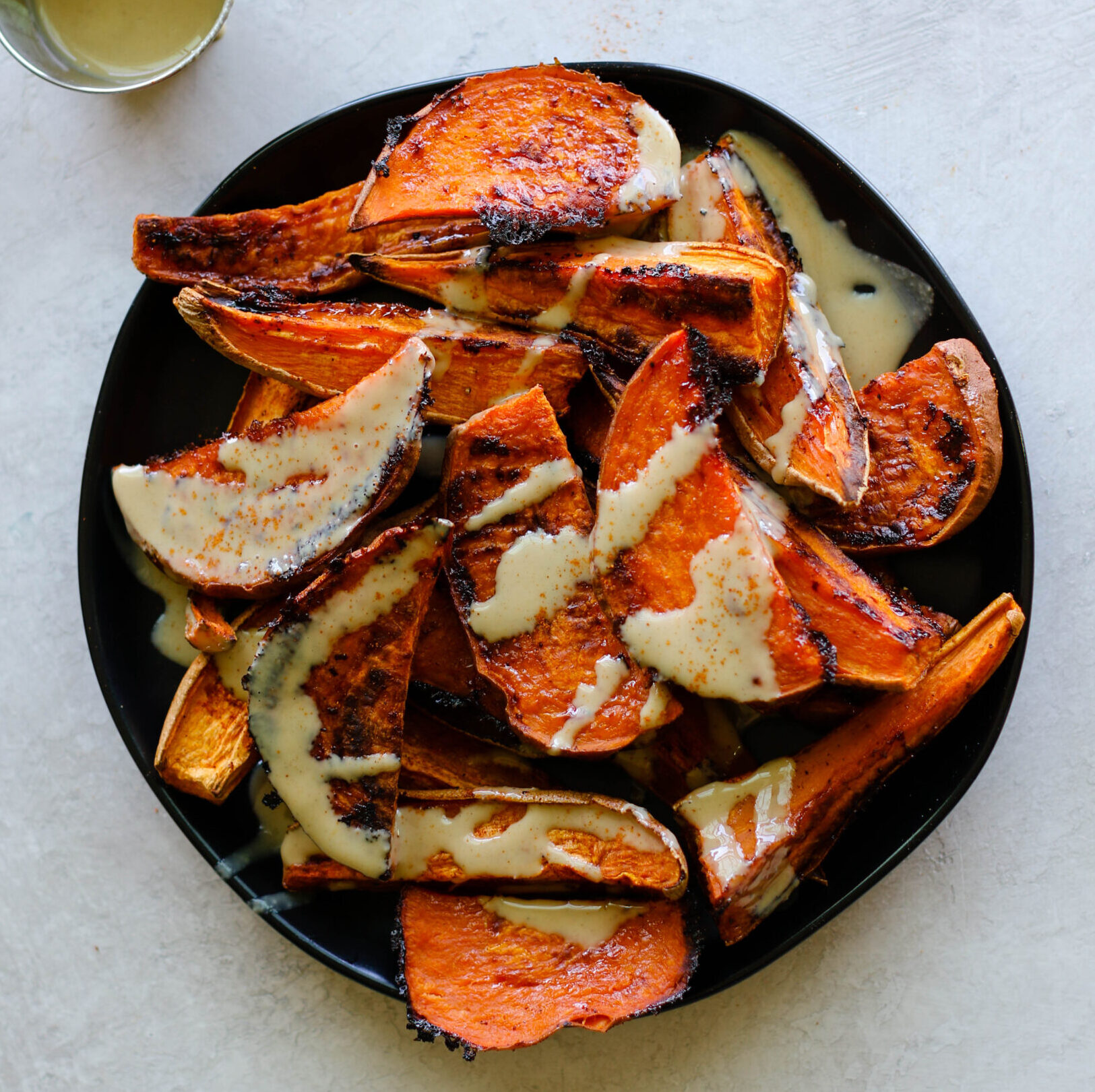
9. Tahini Sauce: Nutty Mediterranean Flair
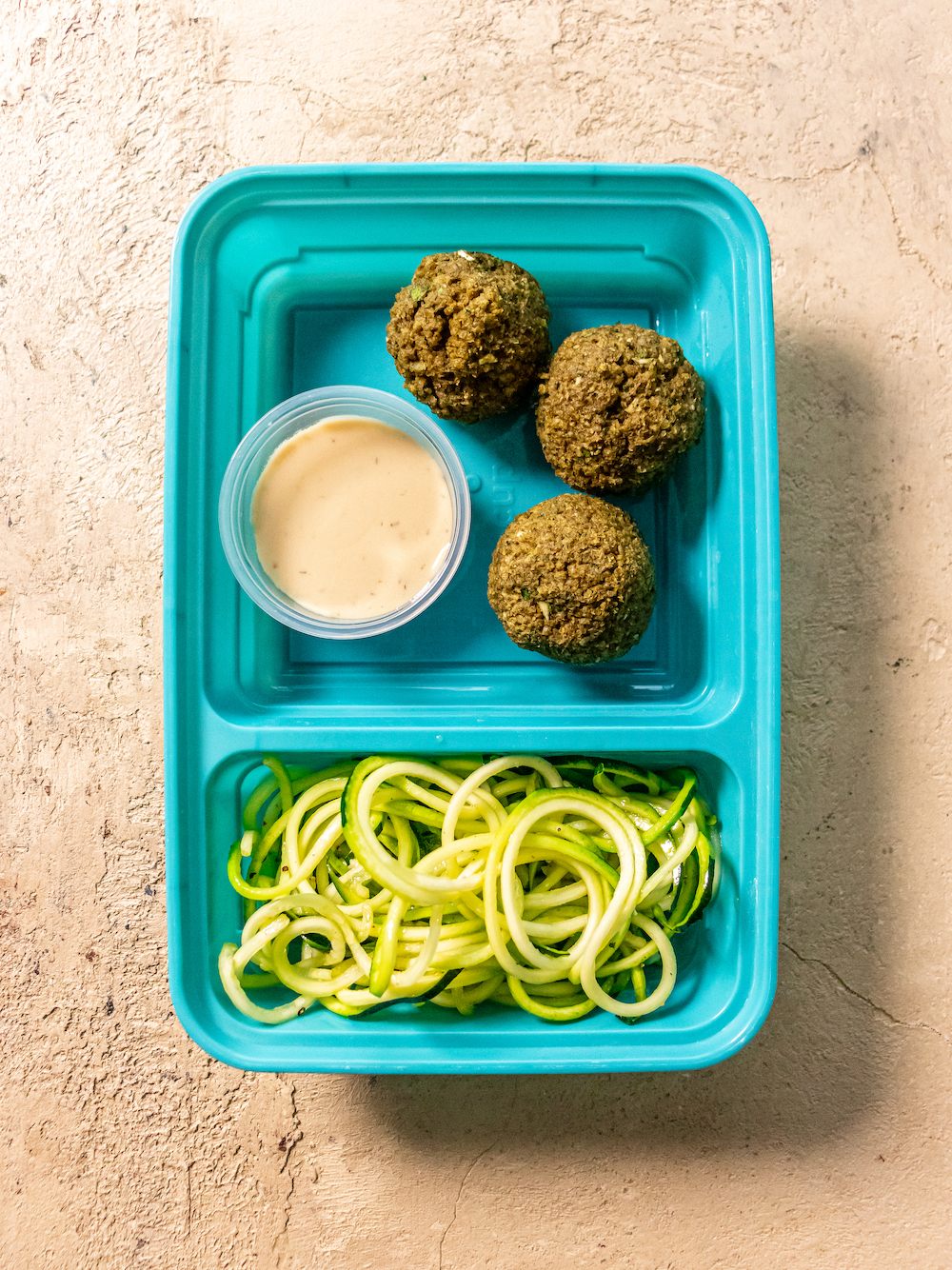
Tahini, derived from ground sesame seeds, possesses a naturally nutty flavor and a creamy consistency that makes it a robust mayonnaise substitute, especially in Mediterranean-inspired dishes, wraps, and bowls. When whisked with lemon juice, garlic, and water, it transforms into a smooth sauce that imparts both richness and a distinct flavor.
While not universally applicable to every sandwich, tahini sauce is an excellent choice when a bold, dairy-free flavor is desired. Its healthy fats and minerals add to its nutritional value.
Best Uses for Tahini Sauce:
- Drizzle for falafel, shawarma, and gyros
- Sauce for grain bowls and roasted vegetables
- Dressing for salads
- Dip for bread and appetizers
Helpful Tip: When preparing tahini sauce, add water gradually. Tahini can seize up initially when liquid is added, but with continuous whisking, it will smooth out into a creamy sauce.
10. Mustard-Based Spreads: A Zesty Alternative
Mustard-based spreads can serve as a simple and effective solution for preventing sandwiches from feeling dry, offering a zesty alternative to mayonnaise. A blend of Dijon mustard with olive oil, honey, Greek yogurt, or mashed avocado can create a creamy, flavorful spread with a sharper, brighter taste profile than mayonnaise.
This option is particularly appealing for those who prefer more pungent flavors and are looking to avoid heavy or overly rich condiments. The addition of Greek yogurt also introduces a protein element.
Best Uses for Mustard-Based Spreads:
- Spread for sandwiches and wraps
- Sauce for grilled meats and sausages
- Marinades
- Dipping sauce
Helpful Tip: Combining Dijon mustard with Greek yogurt yields a high-protein spread that maintains a creamy texture and a balanced flavor profile, making it an ideal choice for a healthier sandwich spread.
Integrating Mayo Alternatives into Meal Preparation
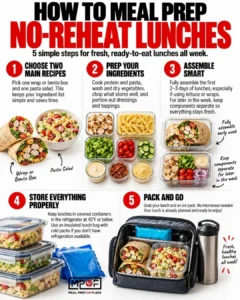
The optimal mayonnaise alternative for meal prep often depends on the specific dish. For sandwiches and wraps, thicker spreads such as hummus, avocado, and cream cheese are generally preferred as they are less likely to make the bread soggy. In mixed salads like tuna or chicken salad, Greek yogurt, mashed avocado, or a yogurt-mustard blend are excellent and easy substitutes.
For grain bowls, roasted vegetables, and more substantial lunches, pesto, tahini sauce, and white bean dip can add significant flavor and nutritional value with minimal effort. These versatile alternatives empower individuals to create varied and satisfying meal prep options that cater to diverse tastes and dietary needs.
Storage and Freezing Considerations
Proper storage of these mayonnaise alternatives is crucial for maintaining freshness and quality in meal prep. Most spreads, including avocado, hummus, Greek yogurt, cashew cheese, baba ganoush, white bean dip, cream cheese, and tahini-based sauces, should be stored in airtight containers in the refrigerator. Using clean utensils when serving helps to prolong their shelf life.
The freezer-friendliness of these alternatives varies:
Generally Freeze Well:
- Hummus
- White bean dip
- Cashew cheese (texture may change slightly upon thawing)
- Pesto (especially when frozen in ice cube trays)
Generally Do Not Freeze Well:
- Avocado (texture can become mushy and brown)
- Greek yogurt (can separate and become watery)
- Cream cheese (texture may become grainy)
- Baba Ganoush (texture can alter significantly)
- Mustard-based spreads (may separate)
For pesto, freezing in ice cube trays is a practical method, allowing for the thawing of only the required amount for a meal. This technique helps preserve the vibrant flavor and color of the herb-based sauce.
Conclusion
The culinary world offers a rich tapestry of flavors and textures, and the aversion to mayonnaise need no longer be a barrier to enjoying creamy, delicious meals. The ten alternatives presented—avocado, hummus, Greek yogurt, pesto, cashew cheese, baba ganoush, white bean dip, cream cheese spreads, tahini sauce, and mustard-based blends—provide a spectrum of options for every palate and dietary requirement. These ingredients not only replicate the desired creaminess but also infuse dishes with added nutritional benefits, transforming everyday eating into a healthier and more dynamic experience. By embracing these versatile substitutes, individuals can confidently navigate their culinary preferences, ensuring that flavorful, satisfying meals are always within reach, whether for a quick lunch or a meticulously planned meal prep session.