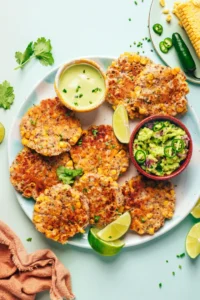

The culinary landscape of plant-based condiments has seen a significant shift toward whole-food ingredients, as evidenced by the release of a new formulation designed to challenge the dominance of traditional dairy-based dressings. This cheesy jalapeño cashew dressing represents a sophisticated intersection of convenience and nutritional density, requiring only nine ingredients and a preparation time of approximately five minutes. Utilizing a high-speed blending process, the recipe transforms raw cashews and fermented flavor agents into a versatile condiment suitable for salads, wraps, and various dipping applications. This development comes at a time when consumer demand for oil-free, vegan, and gluten-free alternatives is at an all-time high, prompting a reevaluation of how creamy textures can be achieved without animal-derived fats.
The Evolution of Plant-Based Creaminess
The reliance on cashews as a base for dairy-free dressings is not a new phenomenon, but the specific combination of jalapeño and "cheesy" umami notes marks an evolution in flavor profile complexity. Historically, vegan dressings relied heavily on oil emulsifications or soy-based mayonnaises. However, the modern culinary shift emphasizes nutrient-dense whole foods. Cashews, when blended with water, create a rich emulsion due to their high monounsaturated fat content. This specific recipe leverages that physical property to mimic the mouthfeel of traditional Ranch or Caesar dressings while providing a more robust nutritional profile.

The inclusion of nutritional yeast and white miso paste is a strategic choice rooted in food science. Nutritional yeast provides the "cheesy" flavor profile through its naturally occurring glutamates, while white miso paste adds a fermented depth that simulates the tang and complexity of aged dairy products. By combining these with the heat of fresh jalapeños, the dressing achieves a balanced flavor profile that hits multiple taste receptors: savory (umami), spicy (capsaicin), sweet (maple syrup), and acidic (lime juice).
Technical Composition and Ingredient Analysis
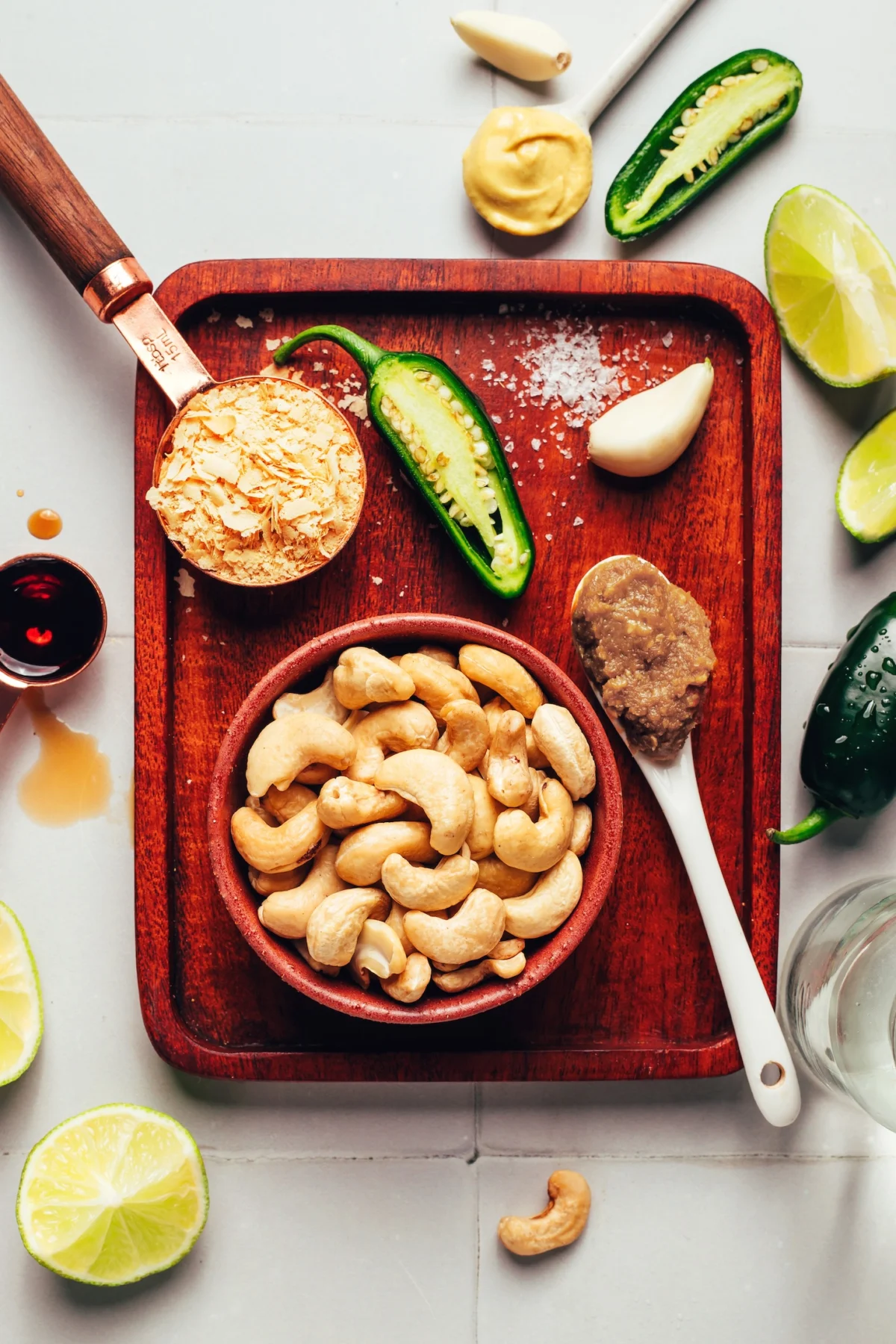
The success of the cheesy jalapeño cashew dressing is predicated on the synergy of its nine primary components. Each ingredient serves a specific functional or flavor-based purpose:
- Raw Cashews: The structural foundation. Unlike roasted cashews, raw cashews provide a neutral flavor and a smoother texture when emulsified.
- Nutritional Yeast: The primary source of the "cheesy" profile, also contributing B vitamins.
- White Miso Paste: Adds salt and fermented depth, enhancing the umami characteristics.
- Fresh Jalapeño: Provides both heat and a bright, vegetal note. The spice level can be modulated by the removal or inclusion of seeds.
- Lime Juice: The acid component necessary to brighten the fats and balance the heat.
- Maple Syrup: A small amount of natural sweetener to counteract the acidity and bitterness of the garlic.
- Garlic: Adds a pungent, savory aromatic base.
- Dijon Mustard: Acts as a secondary emulsifier and adds a subtle vinegary tang.
- Sea Salt: A flavor enhancer that binds the diverse profiles together.
The nutritional data for this formulation indicates a caloric density of approximately 70 calories per 2-tablespoon serving. With 4.9 grams of fat and 2.8 grams of protein per serving, it offers a more balanced macronutrient spread than traditional oil-based dressings, which often contain upwards of 140 calories for the same volume with negligible protein.

Preparation Methodology and Chronology
The preparation of the dressing follows a streamlined chronological sequence designed for maximum efficiency in a professional or domestic kitchen environment.
Phase 1: Procurement and Measurement (0-2 Minutes)
The initial stage involves the gathering of raw materials. Because the recipe does not strictly require the soaking of cashews—provided a high-speed blender is utilized—the transition from raw ingredients to a finished product is accelerated. Measurements must be precise to ensure the balance of the capsaicin from the jalapeño against the sweetness of the maple syrup.
Phase 2: Emulsification (2-4 Minutes)
All ingredients are introduced into a high-speed blender. The mechanical shear force of the blades breaks down the cashew kernels into microscopic particles, suspending them in the liquid base. This process typically requires 60 to 120 seconds of high-velocity blending. If the desired consistency is not achieved, technical troubleshooting involves adding water in 1-tablespoon increments or utilizing a tamper to ensure all solids are integrated into the vortex.

Phase 3: Stabilization and Storage (4-5 Minutes)
Once the mixture is smooth, it is ready for immediate consumption or storage. The dressing is designed to be shelf-stable in a refrigerated environment for five to seven days. During this time, the flavors of the garlic and jalapeño often intensify, a common characteristic of cold-emulsified sauces.
Comparative Analysis: Plant-Based vs. Traditional Condiments
When analyzed against traditional dairy-based dressings like Ranch, the cheesy jalapeño cashew dressing demonstrates several distinct advantages. Traditional Ranch dressing often relies on buttermilk, sour cream, and mayonnaise, which are high in saturated fats and cholesterol. In contrast, the cashew-based alternative contains zero cholesterol and significantly lower levels of saturated fat (0.9g per serving).
Furthermore, the environmental impact of cashew-based condiments is a point of interest for sustainability analysts. While cashew production has its own environmental footprint regarding water usage, it generally remains lower than the intensive resource requirements of dairy farming. From a dietary inclusivity perspective, this dressing addresses multiple requirements simultaneously: it is vegan, gluten-free, and oil-free, making it accessible to individuals with diverse health restrictions or ethical preferences.

Market Trends and Consumer Demand
The introduction of this recipe aligns with broader market trends in the global condiment industry. According to recent market research, the vegan sauce and dressing market is projected to grow at a compound annual growth rate (CAGR) of over 7% through 2030. This growth is driven by a "flexitarian" consumer base—individuals who are not strictly vegan but are actively seeking to reduce their dairy intake for health or environmental reasons.
Culinary experts suggest that the "DIY" movement in condiments is also gaining momentum. Consumers are increasingly wary of the stabilizers, gums, and preservatives found in store-bought vegan dressings (such as xanthan gum or phosphoric acid). By providing a 5-minute solution using recognizable pantry staples, this recipe taps into the demand for "clean label" foods that can be produced at home.
Health Implications and Bioactive Compounds
Beyond basic macronutrients, the ingredients in the cheesy jalapeño cashew dressing contain several bioactive compounds with potential health benefits.

- Capsaicin: Found in jalapeños, this compound has been studied for its metabolic-boosting properties and its ability to act as a natural anti-inflammatory agent.
- Magnesium and Copper: Cashews are a significant source of these essential minerals, which support bone health and enzymatic reactions within the body.
- Probiotic Potential: While the pasteurization of miso can vary, fermented soy products generally contribute to a healthy microbiome when consumed as part of a varied diet.
- B-Vitamins: Nutritional yeast is frequently fortified with B12, a crucial nutrient for those following a plant-based diet who may otherwise face deficiencies.
Broader Impact and Implications for the Culinary Industry
The shift toward high-quality, plant-based dressings like the cheesy jalapeño cashew formulation has broader implications for the restaurant and food service industries. Establishments are increasingly pressured to offer "house-made" vegan options that go beyond simple oil and vinegar. The versatility of a cashew-based cream allows chefs to create a single base that can be modified with different aromatics—in this case, jalapeño—to serve multiple menu items, from taco salads to dipping platters for cauliflower wings.
Moreover, the success of such recipes highlights the diminishing gap between "health food" and "gourmet food." The focus is no longer just on the absence of animal products, but on the presence of bold, aggressive flavors. The "cheesy" and "spicy" descriptors are tactical, appealing to the palate’s desire for richness and heat regardless of dietary labels.
As the food industry continues to innovate, the reliance on whole-food fats like cashews is likely to expand. This dressing serves as a case study in how simple, unrefined ingredients can be engineered through basic kitchen technology to replace long-standing processed staples. For the consumer, it represents a move toward autonomy in the kitchen, providing a restaurant-quality condiment that is both nutritionally superior and environmentally conscious. The cheesy jalapeño cashew dressing is not merely a recipe; it is a reflection of a changing global food philosophy that prioritizes speed, health, and flavor in equal measure.