The universal human desire to live a longer, healthier life has fueled an unprecedented surge in interest surrounding health optimization. From ancient philosophical inquiries into immortality to modern scientific endeavors in anti-aging, the pursuit of extended vitality remains a constant. Today, this aspiration is met with a cacophony of voices, ranging from credentialed medical professionals to a burgeoning industry of wellness influencers, authors, and podcasters, all offering pathways to not just improved health, but "optimized" longevity. This proliferation of advice, however, raises critical questions about efficacy, necessity, and the often-overlooked trade-offs involved.
The Modern Pursuit of Longevity and "Optimal" Health
Historically, human health pursuits were largely centered on survival, disease prevention, and basic wellness. The advent of modern medicine dramatically increased average lifespans, largely by conquering infectious diseases and improving sanitation. As societies have progressed and lifespans have plateaued in many developed nations, the focus has shifted from merely extending life to enhancing its quality and pushing the boundaries of human longevity. This shift has given rise to the concept of "health optimization," a multifaceted approach aiming to maximize physical and mental performance, slow the aging process, and potentially reverse chronic conditions.
The landscape of health optimization is vast and varied. It encompasses a spectrum of practices, from evidence-based lifestyle modifications to highly experimental and sometimes controversial interventions. Proponents often advocate for ultra-specific diets, rigorous exercise protocols, advanced supplementation regimens, sophisticated diagnostic testing, and even emerging technologies like biofeedback, personalized genomics, and nascent gene therapies. The underlying promise is often a reversal of the aging clock, an extension of "youthful glow," and the potential to live well beyond conventional life expectancies, with some even speculating about indefinite lifespans.
The Allure of Advanced Protocols: Promises and Pitfalls
The appeal of these advanced protocols is undeniable. In a world where chronic diseases like heart disease, type 2 diabetes, and certain cancers are prevalent, the idea of proactively preventing or even reversing these conditions through "optimization" is compelling. Influencers frequently showcase aspirational lifestyles, often featuring complex routines, exotic supplements, and cutting-edge gadgets, suggesting that these are the keys to unlocking superior health and longevity. The narratives often emphasize pushing human potential, transcending perceived limitations, and achieving a state of vitality far beyond the average.
However, the efficacy and necessity of many of these highly specialized and often expensive interventions are subject to intense scrutiny. While some approaches, such as personalized nutrition based on genetic data, hold promise, many claims lack robust scientific backing from large-scale, peer-reviewed studies. The wellness industry, estimated to be a multi-trillion-dollar global market, is largely unregulated in many areas, allowing for the rapid dissemination of unverified claims. Consumers are frequently presented with anecdotal evidence or small-scale studies, often funded by companies promoting the very products or services being tested, rather than the rigorous scientific consensus required for medical recommendations.
The Scientific Consensus: What Truly Works?
In contrast to the complex and often costly "optimization" strategies, mainstream medical and public health communities emphasize a foundation of well-established, evidence-based practices for improving health and extending lifespan. The World Health Organization (WHO) reported a global average life expectancy of 73.4 years in 2019, with significant variations across regions. Data consistently show that the most impactful determinants of healthy longevity are fundamental lifestyle choices:
- Balanced Nutrition: A diet rich in whole foods, fruits, vegetables, lean proteins, and healthy fats, with limited processed foods, sugars, and unhealthy fats, is consistently linked to lower risks of chronic diseases and increased longevity.
- Regular Physical Activity: Engaging in moderate-intensity exercise for at least 150 minutes per week, or vigorous-intensity exercise for 75 minutes per week, along with muscle-strengthening activities, significantly reduces the risk of cardiovascular disease, diabetes, obesity, and some cancers.
- Adequate Sleep: 7-9 hours of quality sleep per night is crucial for cognitive function, metabolic health, immune system regulation, and emotional well-being. Chronic sleep deprivation is linked to numerous health problems.
- Stress Management: Chronic stress elevates cortisol levels, impacting nearly every physiological system. Techniques like meditation, mindfulness, yoga, and spending time in nature are proven to mitigate stress.
- Social Connection: Strong social ties and community engagement are linked to better mental health, lower mortality rates, and greater resilience.
- Avoidance of Harmful Substances: Eliminating smoking and reducing excessive alcohol consumption are among the most significant contributors to preventing premature death and disease.
Studies, such as those published by the American Heart Association and the Harvard T.H. Chan School of Public Health, have consistently demonstrated that individuals adhering to these five key healthy habits can live significantly longer – up to 10 to 14 years more – free from major chronic diseases compared to those who do not. These foundational elements, while often portrayed as "basic," represent the bedrock of genuine health and longevity.
The True "Costs" of Optimization Beyond the Financial
While the pursuit of health is inherently valuable, the current emphasis on "optimization" often overlooks the considerable costs involved, extending far beyond monetary investment.
Financial Investment: The most immediate and apparent cost is financial. Advanced diagnostic tests, premium supplements (many of which have limited evidence of efficacy), specialized equipment (e.g., infrared saunas, red light therapy devices), personalized coaching, and experimental treatments can run into thousands, or even tens of thousands, of dollars annually. For instance, a single comprehensive genetic panel might cost hundreds, while a year of personalized anti-aging coaching could easily exceed $10,000. The global wellness market, encompassing everything from fitness to nutrition, beauty, and complementary medicine, was valued at over $5.6 trillion in 2023, underscoring the massive economic ecosystem built around these aspirations.

Time Commitment: "Optimized" health often demands substantial time. Adhering to highly restrictive diets, preparing specialized meals, performing complex exercise routines, tracking numerous biomarkers, and dedicating hours to various "biohacking" protocols can consume a significant portion of an individual’s day. This intensive time commitment can be challenging to integrate into a demanding professional or personal life, potentially leading to burnout or a sense of failure if routines cannot be maintained.
Mental and Emotional Burden: Perhaps the most overlooked cost is the mental and emotional toll. The relentless pursuit of perfection in health can foster anxiety, orthorexia (an unhealthy obsession with eating "healthy" food), and a constant sense of inadequacy. Individuals may become overly focused on perceived imperfections or numerical data points (e.g., blood markers, body fat percentage) to the detriment of their overall well-being. The pressure to adhere to rigid protocols can lead to social isolation, as strict dietary or lifestyle choices may complicate social gatherings or travel. Moreover, the constant influx of conflicting information from various "experts" can lead to decision fatigue and confusion, undermining the very sense of well-being that optimization seeks to achieve.
Accessibility and Equity: The high financial and time costs inherently limit access to "optimal" health strategies, creating potential health disparities. While basic health advice is accessible to most, the advanced protocols are often the purview of the affluent. This raises ethical questions about equity in health outcomes and whether the pursuit of extreme longevity for a select few exacerbates existing inequalities. Public health initiatives, conversely, aim to improve the foundational health of entire populations, acknowledging that widespread access to basic healthcare, nutritious food, safe environments, and education are the most powerful drivers of collective longevity.
Expert Perspectives and Public Health Directives
Medical professionals and public health organizations generally advocate for a balanced, evidence-based approach. Dr. David Katz, a prominent preventive medicine specialist, has frequently critiqued the "tyranny of the perfect," arguing that striving for unattainable ideals can detract from the significant benefits of simply "good enough" healthy living. Organizations like the Centers for Disease Control and Prevention (CDC) and the American Medical Association (AMA) consistently emphasize lifestyle modifications as the primary means of preventing and managing chronic diseases. Their recommendations focus on broad, accessible strategies rather than niche, expensive interventions.
The consensus from the established scientific and medical community leans towards sustainable, enjoyable habits that promote overall well-being rather than chasing elusive "optimal" states. The goal is often framed as maximizing "health span" – the number of years lived in good health and free from chronic disease – rather than solely focusing on "lifespan" at any cost.
The Balance: Sustainable Habits vs. Extreme Measures
The core message emerging from this discourse is the importance of finding a balance. The desire for longevity is commendable, but the path chosen should prioritize sustainability, enjoyment, and evidence-based efficacy. It is crucial for individuals to critically evaluate claims, consult with qualified healthcare professionals, and distinguish between scientifically validated interventions and speculative trends.
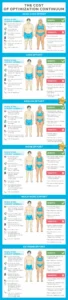
Resources like comprehensive infographics and detailed articles, such as those referenced in the original content, play a vital role in providing clarity on these complex issues. For instance, an infographic detailing "The True Cost of Optimizing Your Health" can visually break down the trade-offs, offering a pragmatic perspective on what it truly takes to live a long and healthy life. Similarly, an accompanying article reviewing the latest research can empower individuals to make informed decisions. Tools like "The Longevity Assessment" mentioned in the original context can also provide personalized insights, helping individuals understand how their current efforts align with established health principles and where they can make the most significant, sustainable improvements.
Implications for Individuals and Society
The ongoing conversation about health optimization has profound implications. For individuals, it underscores the importance of critical thinking, media literacy regarding health claims, and prioritizing sustainable well-being over the relentless pursuit of perfection. It encourages a focus on fundamental habits that deliver robust benefits without demanding excessive financial, temporal, or psychological sacrifices.
For society, it highlights the need for robust scientific research, transparent communication from health professionals, and effective regulation of the wellness industry. It also prompts a discussion about equitable access to health resources and whether the collective societal effort should be directed towards extreme longevity for a few or foundational health for all. The growing interest in professional guidance, such as the PN Level 1 Nutrition Coaching Certification mentioned, signifies a recognition that personalized, sustainable habit-building, delivered by qualified coaches, is often more effective than generic or extreme advice.
In conclusion, the quest for a longer, healthier life is a noble pursuit. However, the path to achieving it need not be paved with ultra-specific, costly, or mentally burdensome protocols. By prioritizing sustainable, evidence-based habits that foster both physical vitality and mental well-being, individuals can achieve significant improvements in their health span and lifespan, allowing them to truly enjoy the life they live, rather than simply optimizing it.