
On April 16, Toro Chicago will serve as the venue for "Bloom to Table," an immersive four-hands dinner experience featuring a collaboration between internationally renowned Chef Richard Sandoval and award-winning Chicago Chef Bill Kim. The event is designed as a centerpiece for Sandoval’s global "Viva Abejas" (Long Live Bees) campaign, an annual advocacy initiative that highlights the essential role pollinators play in the global food supply chain. By focusing on the scientific reality that one out of every three bites of food consumed globally depends on bees for pollination, the dinner aims to bridge the gap between fine dining and environmental conservation.
The evening will feature a five-course tasting menu that artfully blends Latin American and Asian culinary traditions. This "border-blurring" approach is intended to showcase ingredients such as agave, avocado, and various fruits and seeds that would face extinction or severe scarcity without the intervention of the honeybee. The collaboration represents a high-profile partnership between Sandoval, a pioneer in contemporary Latin cuisine, and Kim, the creative force behind Urbanbelly and The Table at Crate, whose work is synonymous with the fusion of Korean heritage and Midwestern ingredients.
The Intersection of Culinary Heritage and Environmental Advocacy
The "Bloom to Table" event is more than a standard promotional dinner; it is a pedagogical tool used by Richard Sandoval Hospitality to address the looming crisis of pollinator decline. According to the United Nations Food and Agriculture Organization (FAO), nearly 75% of the world’s crops producing fruits and seeds for human consumption depend, at least in part, on pollinators. In the context of Latin American cuisine, the stakes are particularly high. Staples such as cacao, vanilla, and the agave plant—the sole source of tequila and mezcal—are deeply reliant on healthy ecosystems supported by bees and bats.
Chef Richard Sandoval, who oversees a global portfolio of more than 60 restaurants, launched the Viva Abejas campaign to utilize his platform for ecological education. "Bees are the silent heroes of our food system, especially within Latin cuisine," Sandoval stated regarding the initiative. He noted that the partnership with Chef Bill Kim is a deliberate attempt to show how different culinary cultures share a common vulnerability to environmental shifts. By merging their respective styles, the chefs aim to demonstrate that the preservation of pollinators is not a regional concern but a global necessity for the survival of diverse gastronomic traditions.
Chef Bill Kim brings a refined technical precision to the collaboration. Known for his ability to integrate soulful, bold flavors with sophisticated techniques, Kim’s involvement highlights the "four-hands" concept—a culinary trend where two chefs of distinct backgrounds collaborate on a single, cohesive menu. This format allows for a creative exchange that often results in dishes that neither chef would produce independently, offering guests a unique, one-night-only experience.
A Chronological Overview of the Five-Course Menu
The "Bloom to Table" experience is structured to take guests on a sensory journey that emphasizes the textures and flavors made possible by pollination. The evening begins at 6:30 p.m. with an introductory course and a signature cocktail designed to set the thematic tone.
The Opening Act: Masa and Citrus
The meal commences with a blue corn masa biscuit, a nod to the ancient grains of Mexico. This is served alongside a chipotle-infused Viva Abeja Paloma. The use of citrus and agave in the cocktail serves as the first direct link to the bee, as both the grapefruit and the agave plant are dependent on pollinators. The smoke of the chipotle and the earthiness of the blue corn provide a foundational Latin profile that prepares the palate for the fusion to follow.
The Second Course: Textures of Spring
The menu then transitions to a dish of stracciatella cheese accompanied by pickled rhubarb and asparagus. This course highlights the seasonal produce of the Midwest, reflecting Chef Kim’s influence. Many spring vegetables, including asparagus, benefit from the presence of nearby pollinator habitats which improve crop yields and quality.
The Third Course: The Viva Tiradito
The "Viva Tiradito" serves as the centerpiece of the seafood offerings. It features a trio of chili-crusted ahi tuna, cured salmon, and hamachi. The dish is accented with orange blossom honey, a direct product of bee labor, which provides a delicate floral sweetness to balance the heat of the chili crust. This course is paired with "Miel Del Fuego," a mezcal-based cocktail that underscores the importance of the agave-pollinator relationship.
The Main Courses: Smoke, Truffle, and Land
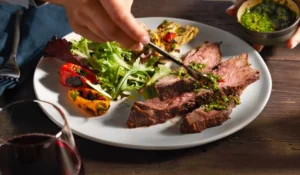
The savory portion of the evening reaches its peak with two distinct proteins. First is Chef Kim’s tea-smoked duck, a dish that requires meticulous preparation to achieve a balance of aromatic smoke and tender meat. Following the duck is a beef tenderloin drizzled with truffle honey. While beef itself is not a direct product of pollination, the clover and alfalfa used for cattle grazing are highly dependent on bees, illustrating the indirect but vital links in the food chain. These courses are accompanied by a curated selection of wines chosen to complement the richness of the meats and the complexity of the honey-infused glazes.
The Conclusion: Floral and Tropical Notes
The dinner concludes with a dessert duet: a bee pollen pavlova and a coconut milk pot de crème. Bee pollen is often cited as a "superfood," but in this context, it serves as a literal representation of the evening’s theme. The coconut milk pot de crème offers a tropical finish, paired with a Honeycomb Carajillo—a coffee-based cocktail that utilizes honey as a primary sweetener.
Supporting Data and the Crisis of Pollinator Decline
The "Viva Abejas" campaign arrives at a critical juncture for global biodiversity. Data from the Center for Biological Diversity indicates that nearly one in four native bee species in North America is imperiled and at increasing risk of extinction. The causes are multifaceted, including habitat loss, the heavy use of pesticides in industrial agriculture, and the escalating effects of climate change.
From an economic perspective, the value of pollination services provided by insects is estimated at over $15 billion annually in the United States alone. For the restaurant industry, the loss of pollinators would lead to a dramatic increase in food costs and a significant reduction in ingredient variety. Ingredients that are currently considered staples—such as almonds, apples, berries, and onions—would become luxury items or disappear entirely. By framing the "Bloom to Table" dinner around these facts, Sandoval and Kim are positioning the culinary industry as a frontline advocate for environmental policy changes.
Philanthropy and Community Impact
A significant component of the "Bloom to Table" event is its commitment to social and environmental responsibility. Twenty percent of all ticket proceeds will be donated to cause-based organizations. This contribution is split into two distinct channels:
- Environmental Education (10%): Half of the donated funds will go toward the Viva Abejas initiative. These funds are used to create educational materials for schools and to support projects that protect natural bee habitats. By educating the next generation, the initiative seeks to foster a culture of conservation that extends beyond the dining room.
- Combating Food Insecurity (10%): The remaining half of the donation will be directed to the Greater Chicago Food Depository. This choice acknowledges the local reality of food insecurity in the Chicago metropolitan area. According to recent data, one in six people in Cook County faces food insecurity. By supporting this organization, the event links the global issue of food production (pollination) with the local issue of food access.
This dual-pronged approach ensures that the event’s impact is felt both globally, through environmental advocacy, and locally, through direct community support.
Strategic Implications for the Dining Industry
The collaboration at Toro Chicago reflects a broader shift in the hospitality sector toward "impact dining." Modern consumers, particularly in the luxury and premium casual segments, are increasingly seeking experiences that align with their personal values. Events that integrate sustainability, education, and philanthropy are becoming a standard for top-tier restaurant groups looking to differentiate themselves in a crowded market.
Furthermore, the "four-hands" model represents a strategic move for chefs to expand their reach. For Chef Richard Sandoval, partnering with a local icon like Chef Bill Kim allows his global message to resonate more deeply within the specific cultural fabric of Chicago. For Chef Kim, the partnership provides an opportunity to engage with a global environmental campaign while showcasing his technical skills to a broader audience.
Event Logistics and Participation
The "Bloom to Table" dinner is a limited-engagement event, reflecting the exclusive nature of such high-level collaborations. Only 45 seats are available for the dinner on April 16, ensuring an intimate atmosphere where guests can interact with the chefs and learn about the "Viva Abejas" mission firsthand.
Tickets are priced at $145 per person, a figure that includes the full five-course menu and all beverage pairings. The event will take place at Toro Chicago, located at 200 N. Columbus Dr., inside the Fairmont Chicago Millennium Park. Given the limited capacity and the high profile of the participating chefs, reservations are being managed through OpenTable and are expected to reach capacity well in advance of the event date.
As the restaurant industry continues to navigate the complexities of the 21st century, events like "Bloom to Table" serve as a blueprint for how gastronomy can be used as a vehicle for meaningful change. By focusing on the essential, if often overlooked, role of the honeybee, Chefs Sandoval and Kim are reminding the public that the future of the plate is inextricably linked to the health of the planet.