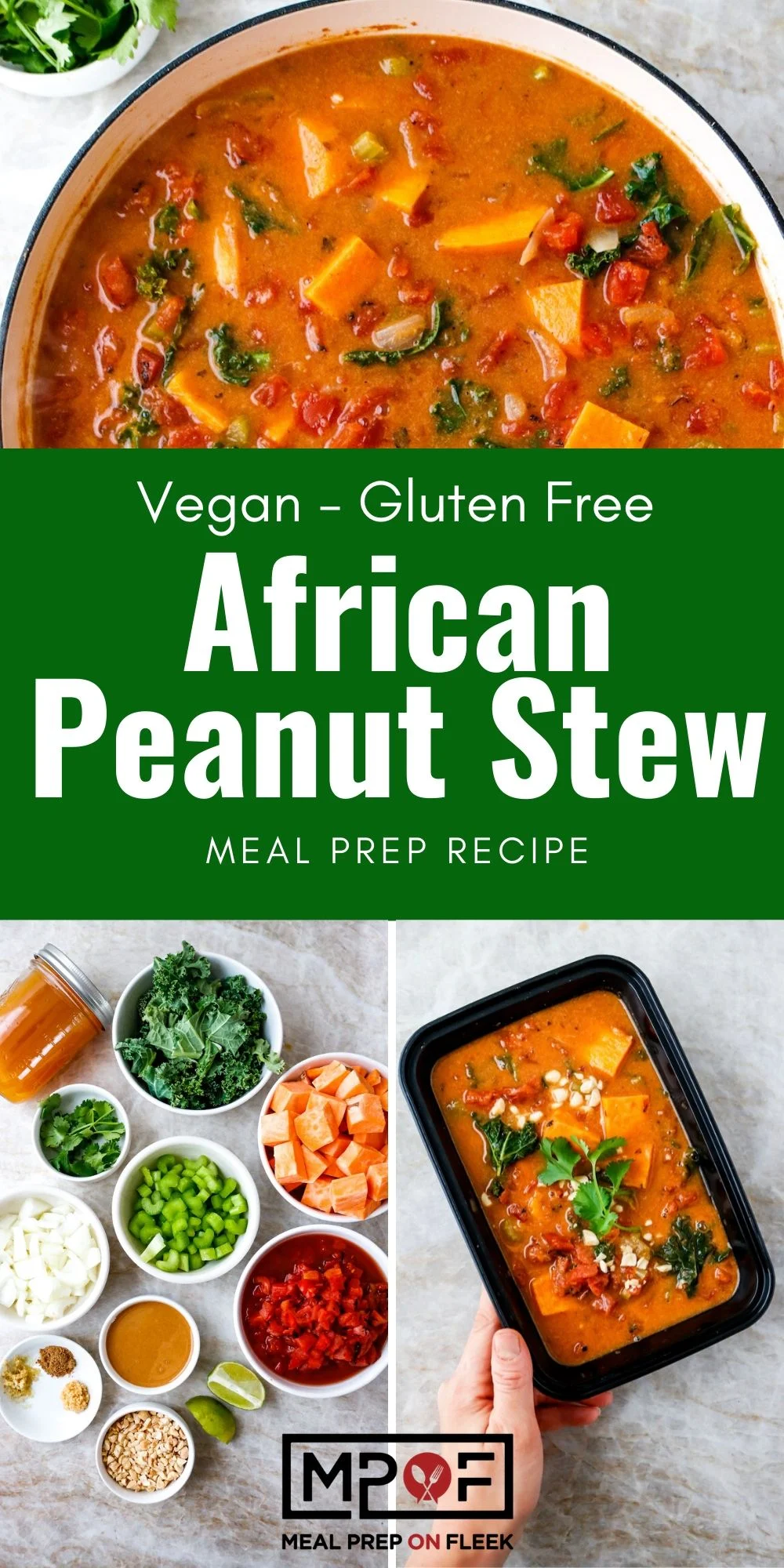

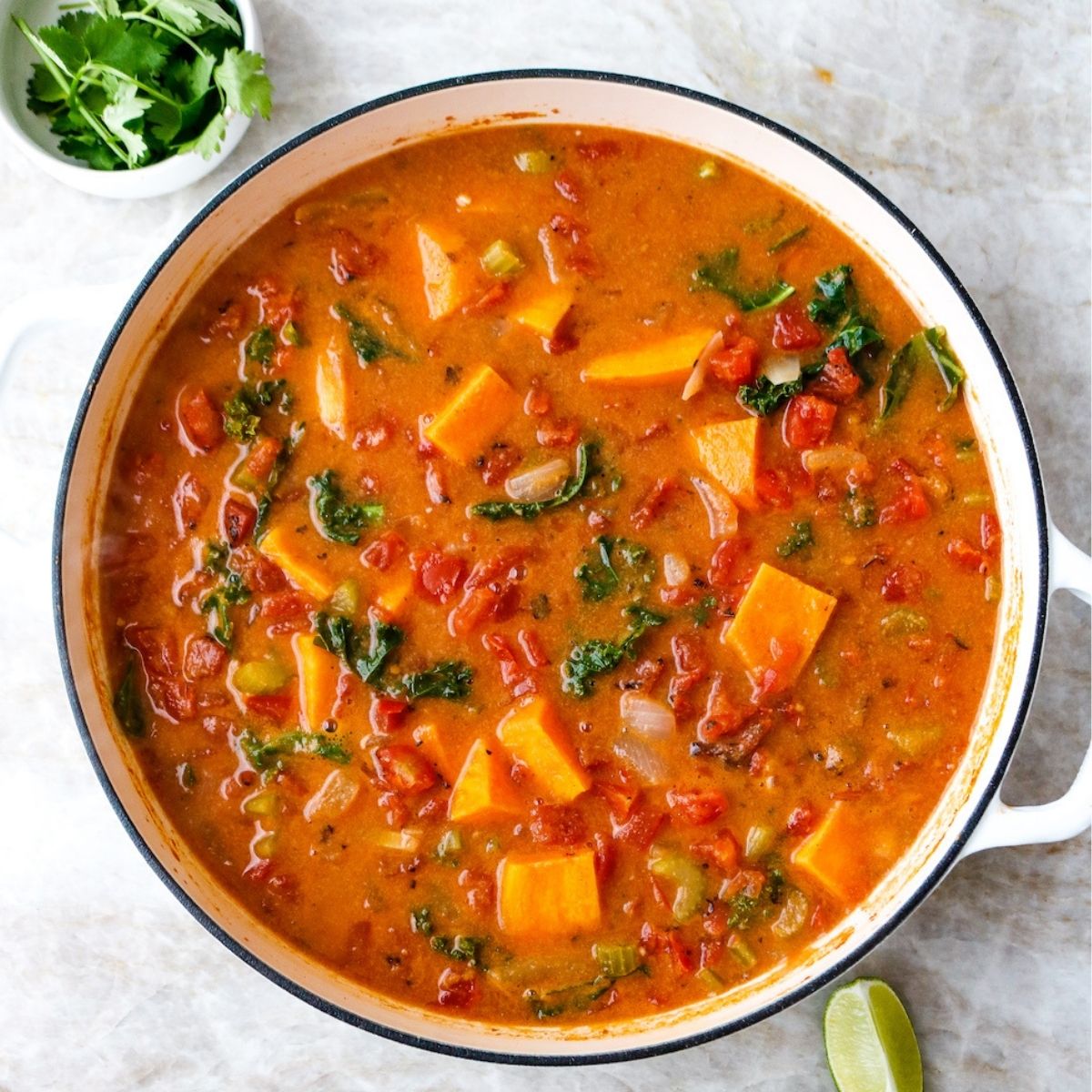
The aroma of ginger, garlic, and sweet potatoes simmering in a pot is a culinary herald, promising a meal that is both comforting and satisfying. This sentiment is precisely what the African Peanut Stew aims to evoke, presenting a rich, savory, and subtly zesty plant-based dish that has garnered attention for its flavor profile and meal-prep potential. The inclusion of lime and fire-roasted tomatoes adds a vibrant counterpoint to the creamy embrace of peanut butter, unifying the ingredients into a cohesive and nourishing experience. This stew is positioned not merely as a recipe, but as a gateway to a more dynamic perception of plant-based cuisine, challenging the notion that such meals are inherently bland. Its hearty nature and abundance of vibrant vegetables are designed to satisfy, offering a flavorful solution for up to four days of lunches or dinners with minimal preparation effort, appealing to both seasoned vegans and those new to plant-centric eating.
The Rise of Plant-Based Convenience
The increasing popularity of plant-based diets, driven by health consciousness, environmental concerns, and ethical considerations, has created a demand for convenient and delicious meal solutions. African Peanut Stew emerges as a prime example of a recipe that addresses this need. Its inherent flexibility and long shelf life when prepared in batches make it an ideal candidate for meal prepping. The trend of "Workweek Lunch" programs, which offer tools and recipes for efficient meal planning, highlights a broader societal shift towards prioritizing both health and time management. This stew, with its emphasis on wholesome ingredients and ease of preparation, aligns perfectly with this movement, demonstrating that plant-based eating can be both practical and exceptionally flavorful.
A Deeper Look at the Recipe’s Appeal
The appeal of this African Peanut Stew lies in its carefully balanced flavor profile and its inherent adaptability. The combination of sweet potatoes provides a natural sweetness and creamy texture, while the fire-roasted tomatoes introduce a smoky depth and a touch of acidity. Ginger and garlic form the aromatic foundation, common to many comforting stews, but it’s the peanut butter that truly elevates the dish, lending it a unique richness and velvety consistency. The zest from the lime juice acts as a crucial brightener, cutting through the richness and preventing the stew from becoming too heavy. This interplay of flavors creates a complex and satisfying taste experience that is often associated with more labor-intensive dishes.
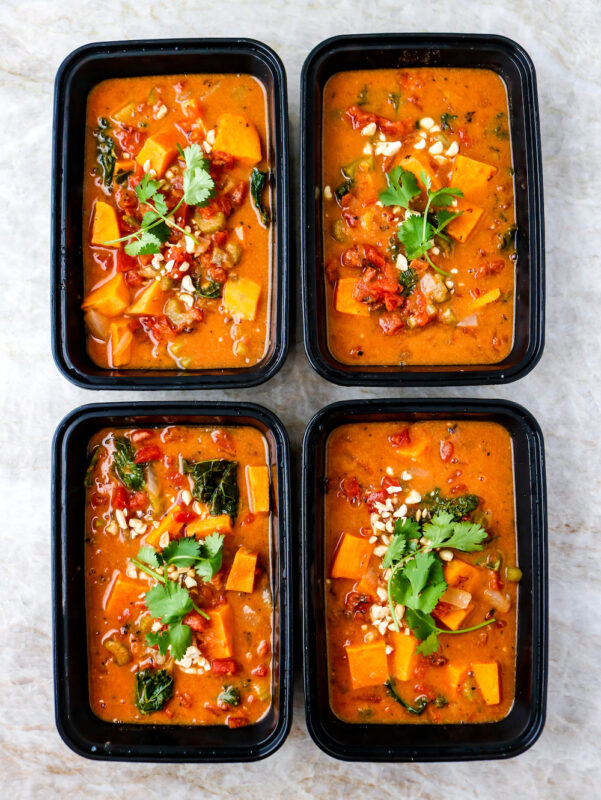
The recipe’s design for meal prep is a significant factor in its widespread adoption. By yielding four days’ worth of meals, it significantly reduces the daily burden of cooking and decision-making. This efficiency is particularly valuable for individuals with busy schedules who are seeking to maintain a healthy and varied diet without compromising on taste or time. The fact that the stew reportedly tastes even better the next day, as flavors meld and deepen, further enhances its appeal for make-ahead meals.
Nutritional Profile and Health Benefits
While specific macro breakdowns were not provided in the initial description, the ingredients list suggests a robust nutritional profile. Sweet potatoes are rich in Vitamin A and fiber. Peanut butter offers protein and healthy fats. The inclusion of various vegetables, such as onions, garlic, and potentially other additions like spinach or kale (depending on customization), contributes a wide array of vitamins, minerals, and antioxidants. Fiber, abundant in vegetables and legumes, is crucial for digestive health and satiety. The plant-based nature of the stew inherently means it is cholesterol-free and can be made to be dairy-free.
The provided nutritional information for a serving indicates approximately 581 calories, 49.4g carbohydrates, 15.9g protein, 36.1g fat, and 12.6g fiber. This suggests a well-rounded meal that can be satiating and contribute significantly to daily nutritional intake. The protein content, while not as high as a meat-based dish, is substantial for a plant-based stew, particularly when considering the addition of legumes or tofu as suggested in the customization options. The fiber content is notably high, promoting digestive health and contributing to a feeling of fullness.
Versatility and Customization
A key strength of the African Peanut Stew recipe is its inherent flexibility, allowing for a wide range of modifications to suit individual preferences and dietary needs. The base recipe is naturally vegan and dairy-free, making it accessible to a broad audience. For those requiring gluten-free options, serving the stew with rice or gluten-free bread is a straightforward solution.
For individuals with nut allergies, sunflower seed butter is suggested as a viable alternative. While this substitution will alter the flavor profile, it maintains the desired creamy and rich texture. This adaptability is crucial in today’s diverse culinary landscape, where dietary restrictions and preferences are increasingly common.
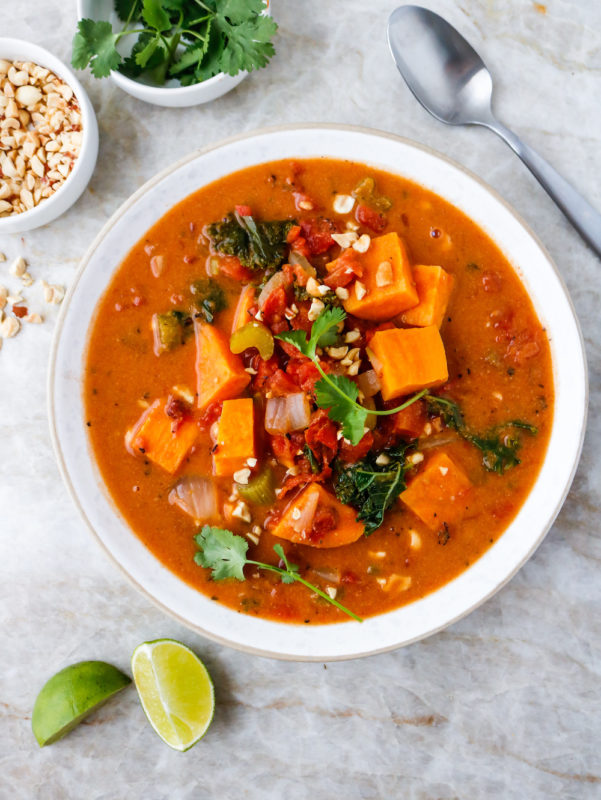
Further customization options include the addition of extra protein sources such as chickpeas, lentils, or cubed tofu. These additions not only enhance the protein content but also contribute to the stew’s heartiness and texture, making it an even more complete and satisfying meal. The suggestion to add more vegetables, like spinach, kale, or bell peppers, further increases the nutrient density and visual appeal of the dish.
For those who enjoy a spicier kick, the recipe offers several avenues for increasing the heat. Incorporating red pepper flakes, cayenne pepper, or diced jalapeños during the sautéing process can introduce a noticeable level of spice. Alternatively, using spicy fire-roasted tomatoes can also contribute to a more pungent flavor profile. This ability to tailor the spice level is a testament to the recipe’s user-centric design.
Preparation and Storage
The African Peanut Stew is designed for efficiency, with an estimated preparation time of 10 minutes and a cooking time of 40 minutes, resulting in a total time commitment of 50 minutes. This relatively short preparation window makes it an attractive option for weeknight cooking.
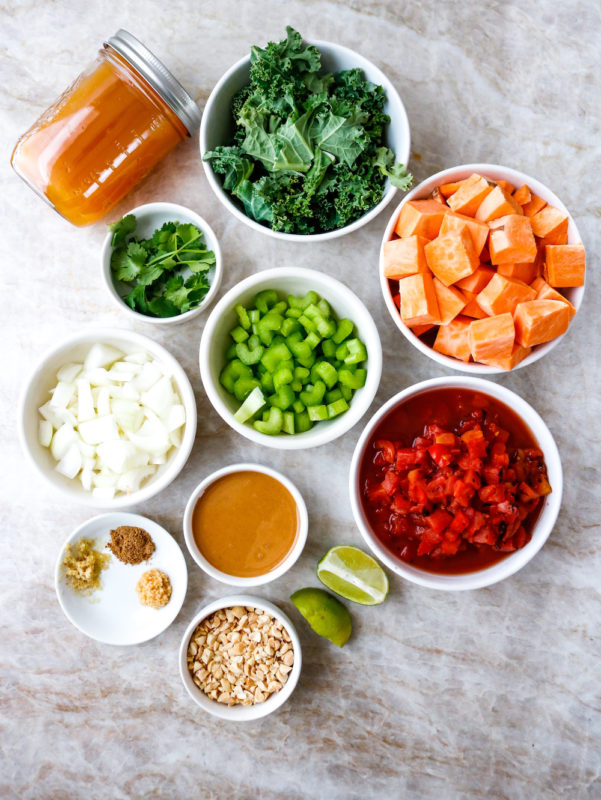
The instructions are straightforward, typically involving sautéing aromatics, adding vegetables and liquids, and simmering until tender. The peanut butter is usually incorporated towards the end to achieve its characteristic creamy texture without scorching.
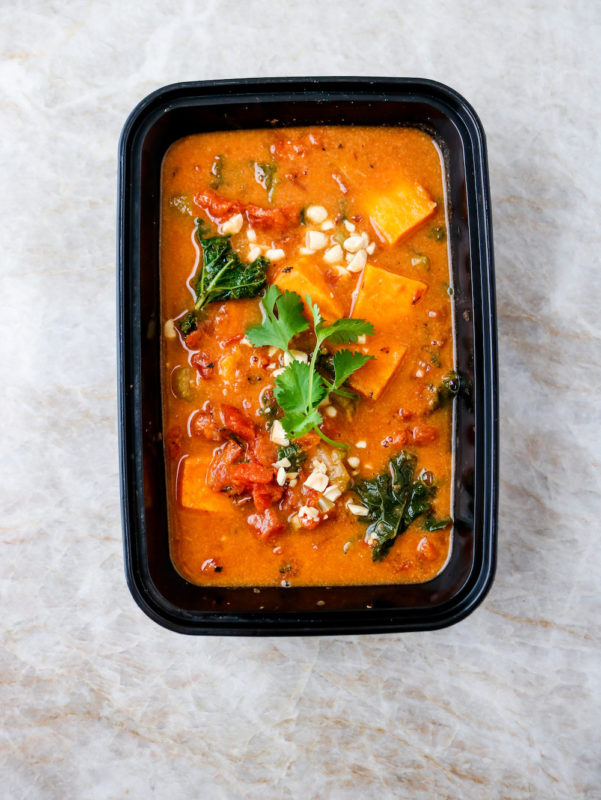
Storage and reheating instructions are also optimized for meal prep. The stew can be refrigerated in airtight containers for 3-4 days, with the flavors reportedly improving over time. For longer storage, it freezes beautifully for up to 6 months, requiring only gentle reheating on the stovetop or in a microwave. A practical tip for maintaining the freshness of toppings, such as crunchy peanuts or fresh cilantro, is to store them separately from the stew, allowing them to be added just before serving.
Broader Implications and Culinary Context
The African Peanut Stew, while a specific recipe, represents a broader trend in global cuisine where traditional dishes are adapted and reimagined for contemporary lifestyles. Peanut stews are a staple in various West African cuisines, often featuring a rich and savory base that can be enhanced with vegetables, meats, or fish. This particular iteration focuses on a plant-based approach, making it more accessible and aligning with global dietary shifts.
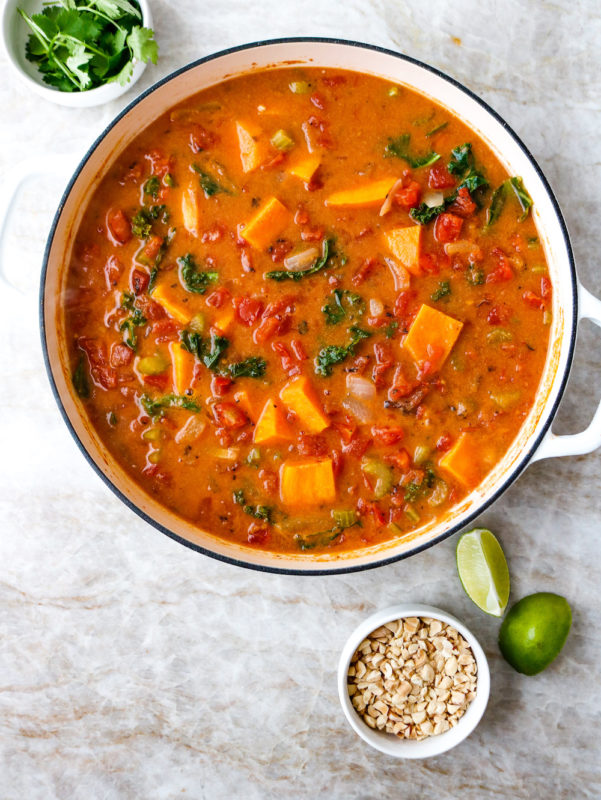
The success of such recipes in meal prep contexts speaks to the evolving relationship between food and time. As individuals navigate increasingly demanding schedules, the desire for home-cooked, nutritious meals remains strong. Recipes that offer both convenience and flavor, like this African Peanut Stew, fill a critical niche. The promotion of such recipes through platforms like "Workweek Lunch" underscores the growing importance of culinary education focused on practical application and healthy eating habits.
The recipe’s origin or inspiration, while not explicitly detailed beyond "African," hints at the rich culinary heritage of the continent. Dishes like Maafe (Senegalese peanut stew) or Domoda (Gambian groundnut stew) share similar flavor profiles and ingredient bases. This recipe can be seen as a modern, plant-forward interpretation that draws from these traditional roots, making them accessible to a wider audience.
The availability of detailed FAQs addresses common queries regarding storage, reheating, customization, and dietary modifications, further enhancing the recipe’s utility and appeal. Questions about making the stew spicier or adding more protein are directly addressed, empowering users to tailor the dish to their specific needs.
In conclusion, the African Peanut Stew is more than just a recipe; it is a culinary solution that bridges the gap between health-conscious eating, convenience, and global flavors. Its rich, savory profile, coupled with its remarkable adaptability and meal-prep suitability, positions it as a valuable asset for anyone looking to incorporate more plant-based meals into their diet without sacrificing taste or ease of preparation. As the demand for such dishes continues to grow, recipes like this will undoubtedly play a significant role in shaping the future of home cooking and meal planning.