
This spice-forward, hearty sourdough is exactly the kind of bread that can elevate the senses and provide comfort, particularly during the colder months when the inclination to bake is met with the challenge of shorter days and a dry chill. The act of firing up the oven and tending to a well-proofed dough becomes a therapeutic ritual, and this particular loaf promises to make that process even more rewarding. From the initial pungent aroma of freshly ground anise to the sweet, rich undertones of malt, and the visually appealing buckwheat-speckled dough, the journey of creating this bread offers moments of sensory delight that can indeed help one disregard the lingering cold. The inclusion of a flour scald, a technique that imparts a silky texture, further enhances the overall appeal of this meticulously crafted sourdough.
Anise doesn’t politely wait for you to smell it. It arrives.
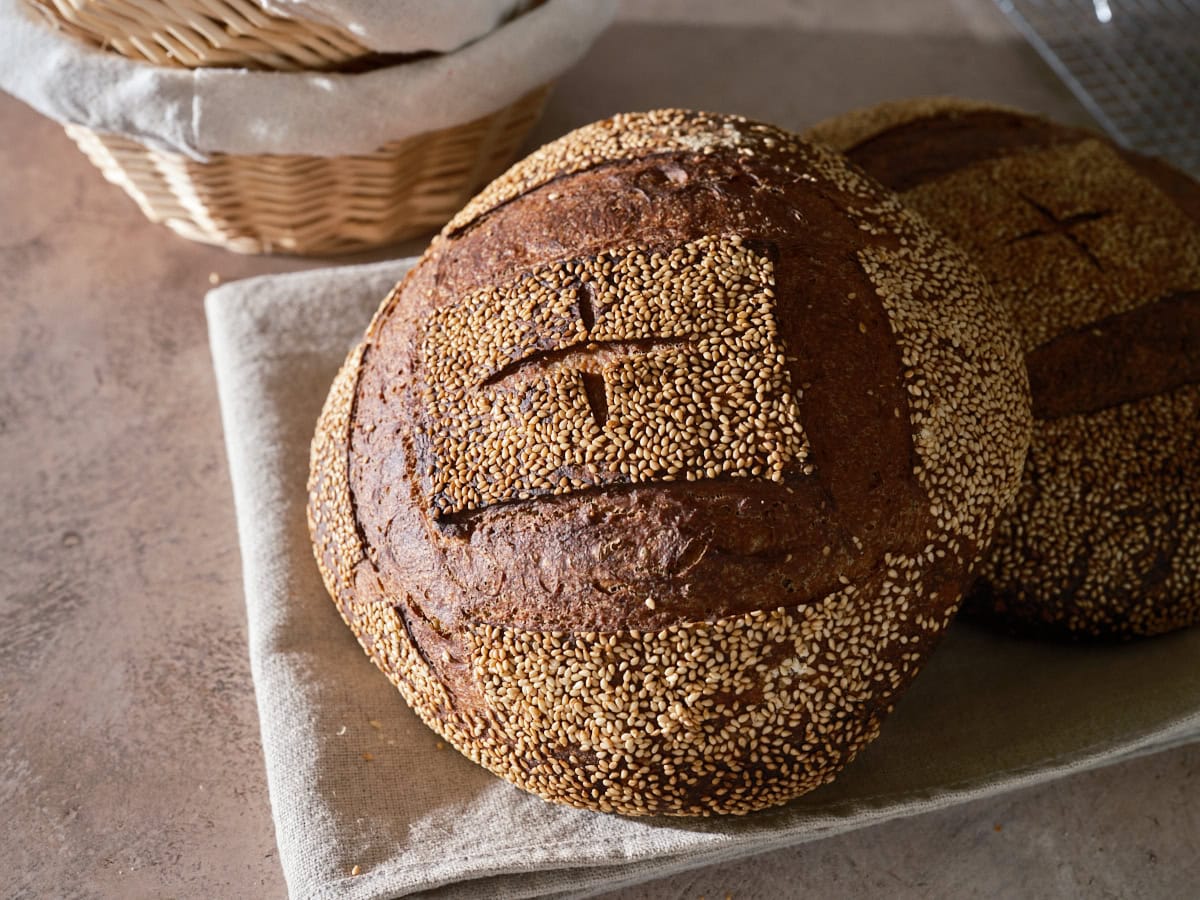
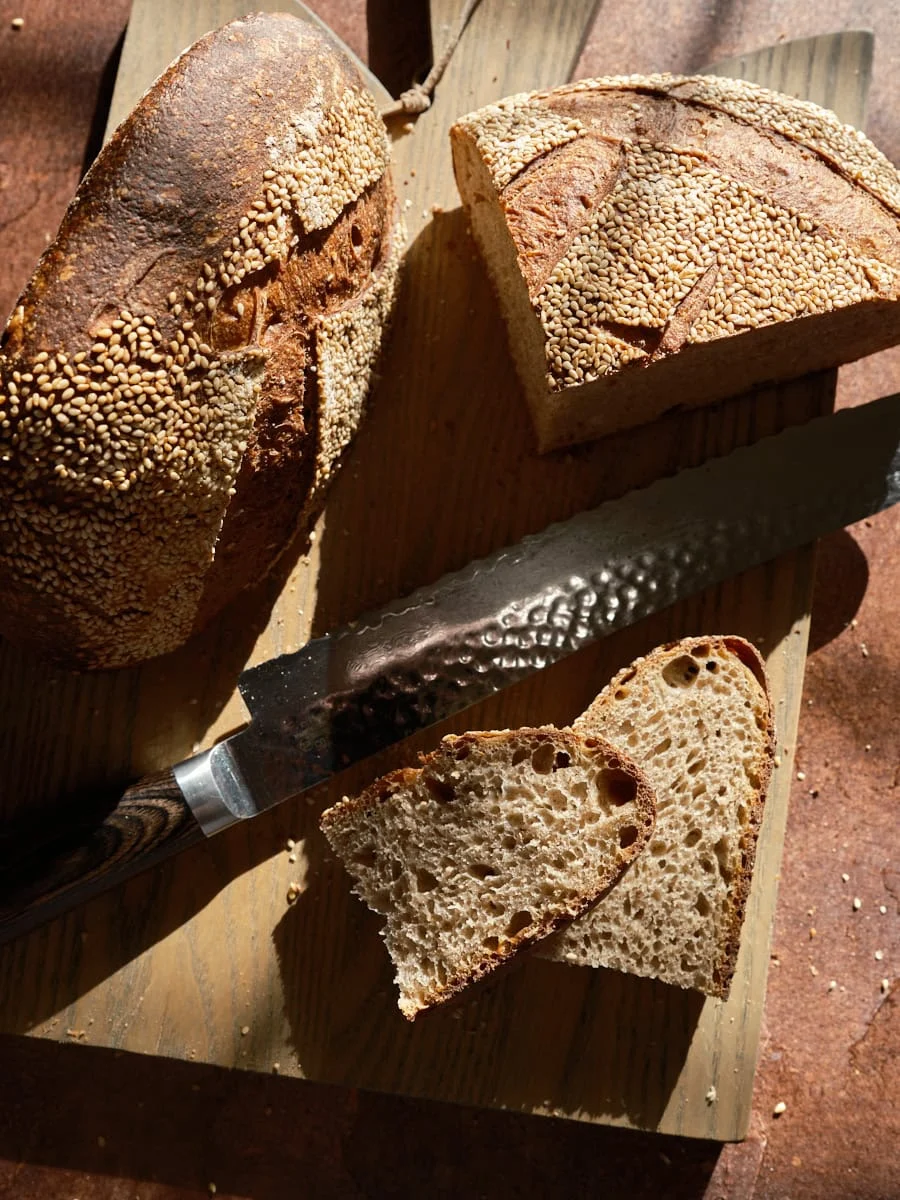
The characteristic, licorice-sweet aroma of anise is a celebrated spice in baking, known for its ability to imbue baked goods with a distinct and captivating fragrance. While its presence is common in cookies and other smaller confections, its integration into a large loaf of sourdough bread presents a unique opportunity to explore its nuanced flavor profile. When paired with the earthy, mineral, and slightly tannic notes of buckwheat, anise transforms into a star player, contributing to a sourdough loaf that is both remarkably balanced and undeniably irresistible. To complete this symphony of flavors and textures, a topping of striking white sesame seeds not only complements the existing spice and sweetness but also adds a visually appealing contrast to the whole-grain character of the bread.
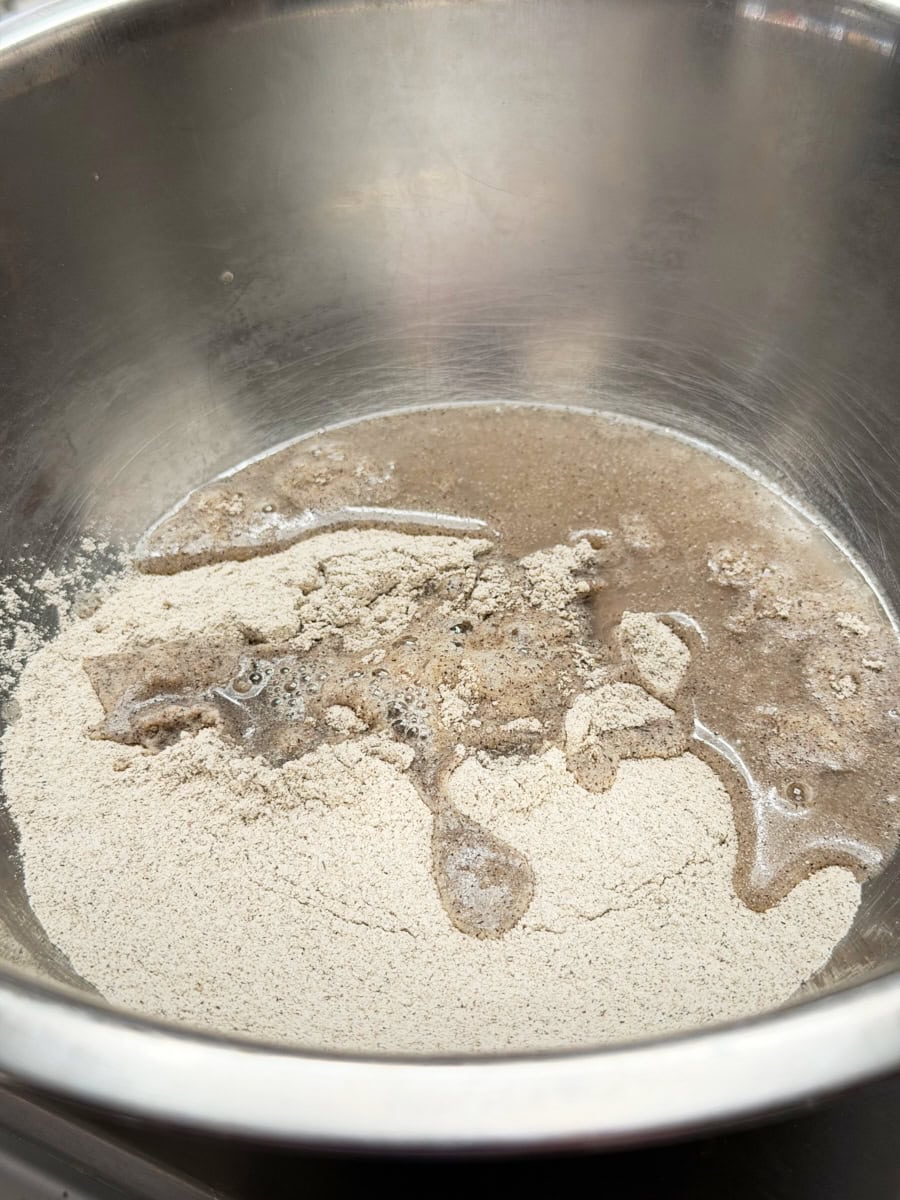
The culinary significance of the flour scald technique cannot be overstated. When developing this recipe, the intention was to incorporate buckwheat in a way that maximized both its flavor and textural contributions. Scalding flour, a process involving the simple addition of boiling water to the flour, transforms it into a gelled paste. This technique bears a strong resemblance to the Yudane method and is closely related to Tangzhong, both of which are renowned for their ability to enhance moisture retention and extend the shelf life of baked goods. The resulting paste is intensely aromatic and flavorful, and its integration into the dough contributes to a final loaf that remains softer for a longer duration, a crucial factor for hearty breads intended for extended enjoyment.
Flour Selection: A Foundation for Flavor and Nutrition
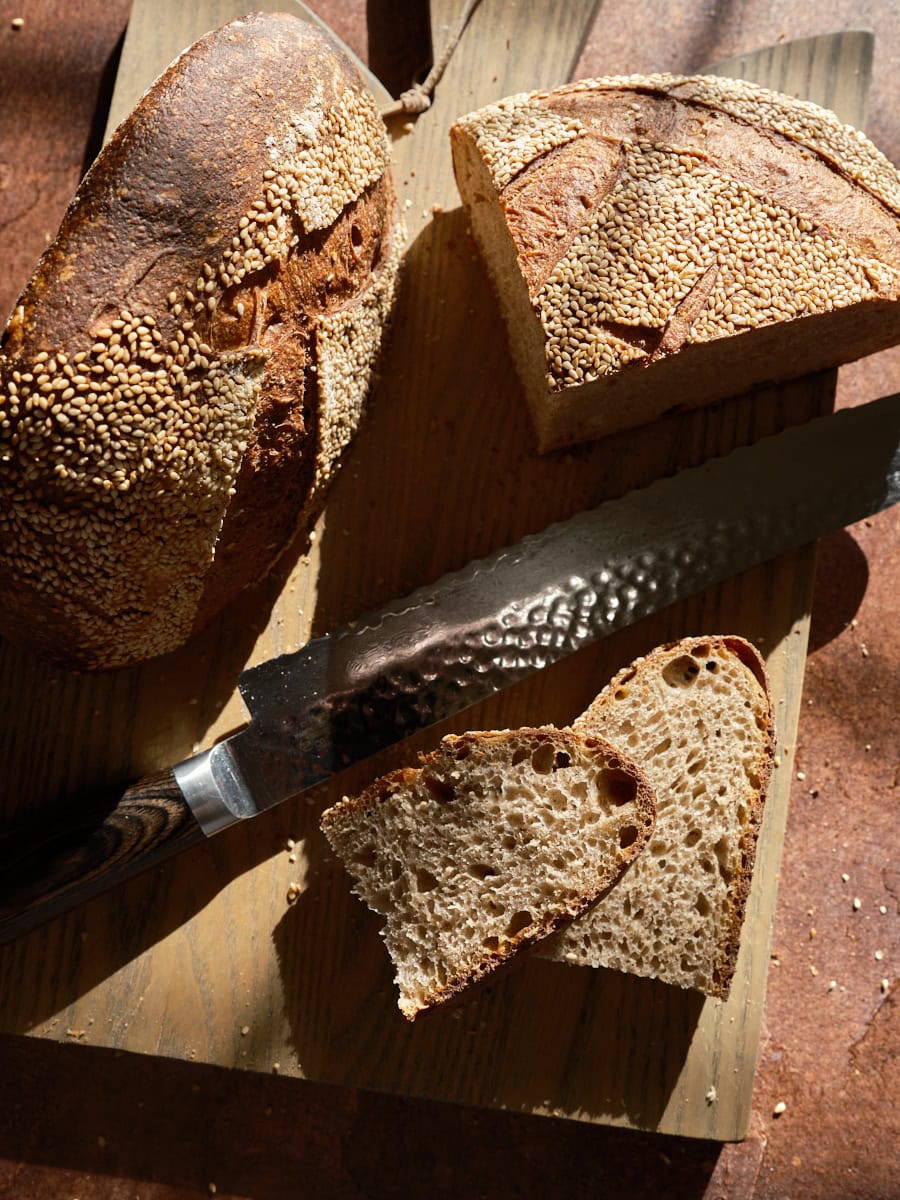
The choice of flour is paramount in crafting a bread that is both hearty and flavorful. For this particular sourdough, high-extraction (Type 85) flour serves as the foundational element. Specifically, Cairnspring’s Trailblazer, a robust flour known for its versatility, was selected. This flour is often substituted for white flour in various recipes, lending a more pronounced flavor and increased nutritional value due to its higher content of bran and germ.
Buckwheat, while not possessing the same gluten-forming properties as wheat, offers a distinct advantage: an intense earthiness and a beautiful color that significantly elevates the final bread. Even in small percentages, buckwheat can influence the crumb structure, leading to a denser, more closed texture. However, the tradeoff for this is the remarkable depth of flavor and visual appeal it brings to the loaf, making it a worthy addition to this sourdough recipe.
A Symphony of Flavors: Anise, Buckwheat, and Malt
The interplay of anise, buckwheat, and malt creates a complex flavor profile that is both comforting and sophisticated. Anise, with its assertive licorice notes, provides a warm and inviting aroma. This is beautifully balanced by the nutty, slightly mineral character of buckwheat, which adds depth and an earthy foundation. The barley malt syrup contributes a layer of subtle sweetness and a rich, malty undertone that harmonizes with the other ingredients. This combination results in a sourdough bread that is far more than the sum of its parts, offering a truly memorable tasting experience.
The Culinary Heritage of Flour Scalds
The flour scald technique, while perhaps unfamiliar to some home bakers, has a long-standing tradition in various culinary cultures. Its principle lies in gelatinizing the starches in flour by cooking them with water. This process not only alters the texture of the flour but also makes its components more accessible to yeast and enzymes, contributing to better dough development and a more tender crumb. In the context of sourdough, scalding can also help to manage hydration levels, particularly when working with flours that have a high water absorption capacity, such as buckwheat. This technique is a testament to the ingenuity of bakers throughout history who sought to optimize the qualities of simple ingredients.
Baking Schedule: A Patient Approach to Sourdough Perfection
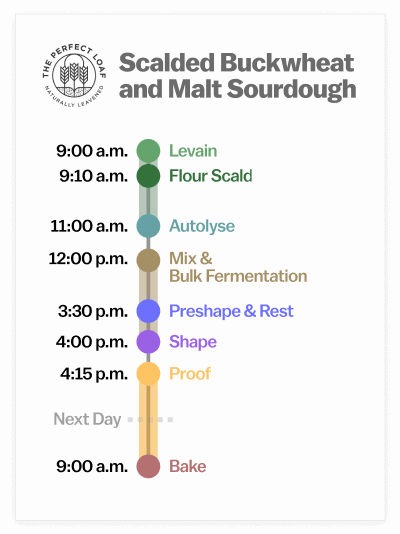
This sourdough recipe is designed to be made over a two-day period, emphasizing a patient and hands-off approach that minimizes active baker intervention. The process begins with the preparation of the levain, followed by the creation of the flour scald. An autolyse period allows the flours and water to hydrate, laying the groundwork for gluten development. The main dough is then mixed, incorporating the levain, salt, and any remaining water.
Bulk fermentation, a critical stage for sourdough, typically spans about three hours at a warm room temperature (74-76°F or 23-24°C). During this time, two sets of stretch-and-folds are performed at 30-minute intervals to build dough strength. Following bulk fermentation, the dough is pre-shaped, allowed to rest, and then shaped into its final form.

The crucial final proofing stage involves retarding the dough in the refrigerator overnight. This cold proof not only develops flavor but also makes the dough easier to handle and score. The following morning, the loaves are baked, ideally in a preheated oven with steam to achieve a superior crust. The entire process, from levain preparation to cooling, underscores the importance of time and temperature in coaxing the best possible results from sourdough.
Vitals and Formula: Precision in Sourdough Baking
The recipe yields two loaves, each weighing approximately 900 grams. The prefermented flour stands at 5.8%, with the levain comprising 18.5% of the final dough. The hydration level is a notable 75.0%, increasing to 83% when the water in the flour scald is included. This relatively high hydration contributes to the bread’s characteristic moist and tender crumb.
The total formula provides a precise breakdown of ingredients, allowing bakers to replicate the recipe with accuracy. The use of high-extraction flour (Type 85) and whole wheat flour contributes to the bread’s hearty character and complex flavor. The inclusion of barley malt syrup and ground aniseed further defines its unique taste profile. The specific quantities of water, levain, and salt are meticulously calculated to ensure optimal dough development and fermentation.
Scalded Buckwheat and Malt Bread Method: A Step-by-Step Guide
The preparation of this sourdough is a methodical process, broken down into distinct stages to ensure success.
-
Prepare the Levain (9:00 a.m.): A simple mixture of high-extraction wheat flour, water, and ripe sourdough starter is combined and left to ripen for three hours at a controlled temperature of 74-76°F (23-24°C). This active levain serves as the leavening agent for the bread.
-
Prepare the Flour Scald (9:10 a.m.): Buckwheat flour is combined with boiling water to form a thick paste. This scald is then set aside to cool.
-
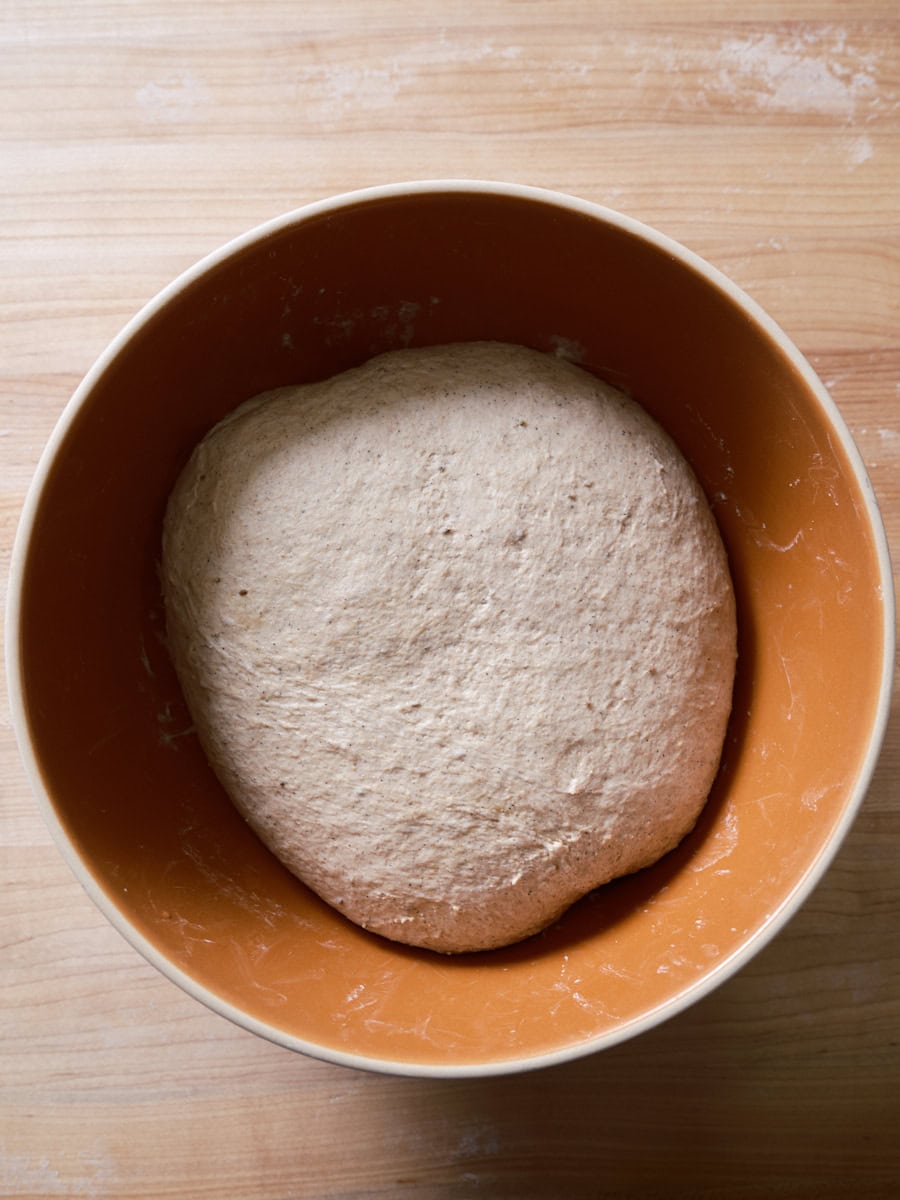
Autolyse (11:00 a.m.): High-extraction wheat flour, whole wheat flour, and the prepared flour scald are combined with autolyse water. This mixture is allowed to rest for one hour, promoting hydration and the initial stages of gluten development. The autolyse water temperature is adjusted to achieve a final dough temperature of 78°F (25°C).
-
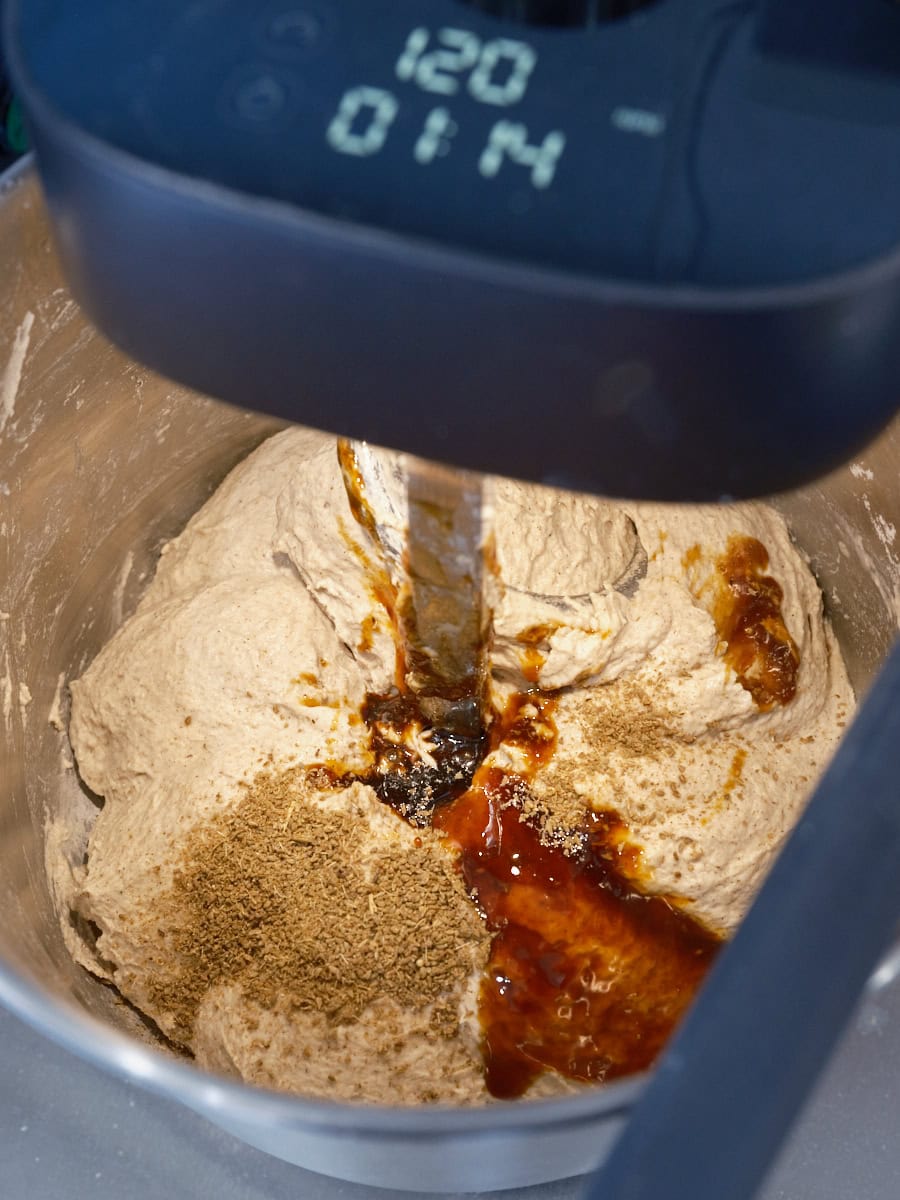
Mix (12:00 p.m.): The levain, salt, and remaining water are incorporated into the autolysed dough. This stage requires careful attention, especially given the high hydration. The bassinage technique, where water is added incrementally, is employed to ensure the dough can handle the moisture without becoming overly slack. Mixing can be done by hand or with a mechanical mixer, with the goal of achieving a smooth and cohesive dough.
-
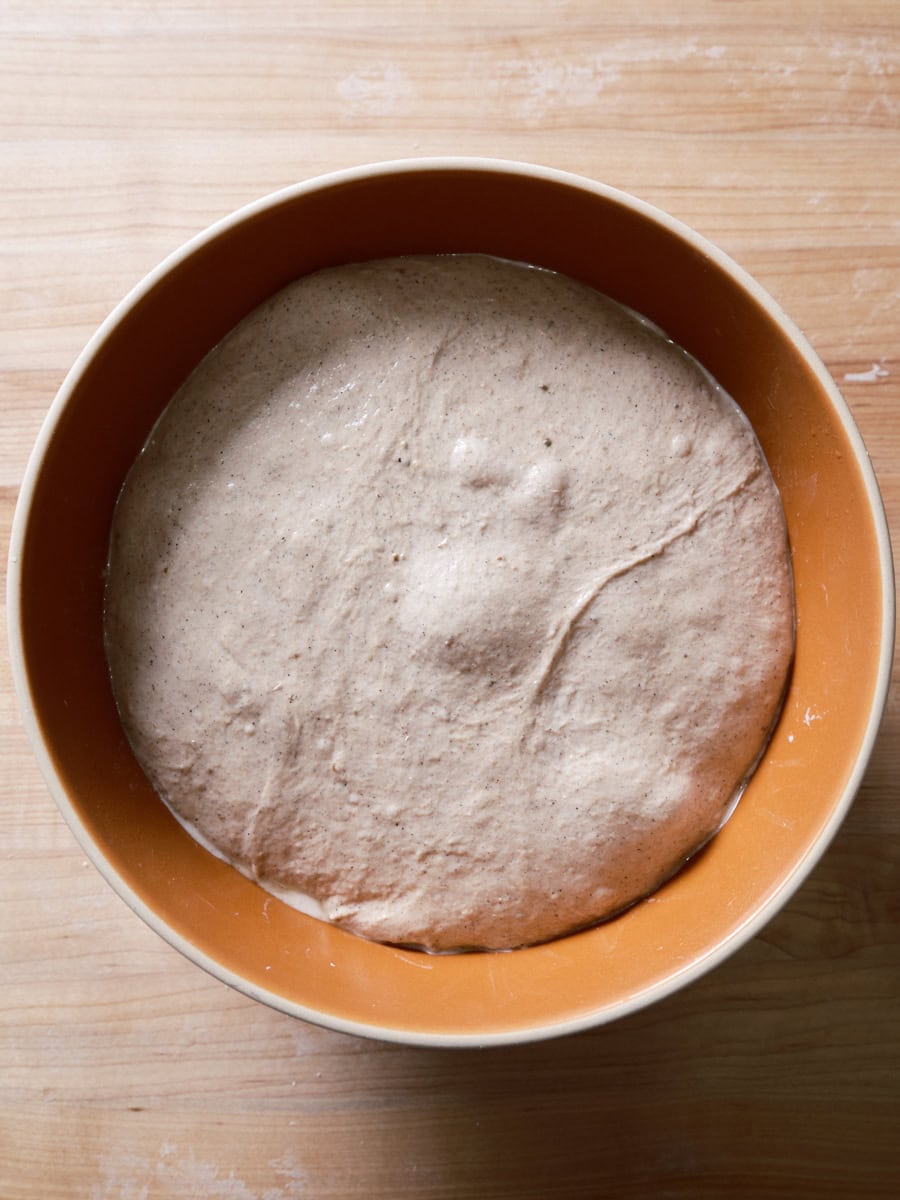
Bulk Fermentation (12:30 p.m. to 3:30 p.m. – 3 hours): The dough undergoes bulk fermentation at a warm room temperature. This period includes two sets of stretch-and-folds performed at 30-minute intervals to build dough strength and evenly distribute heat and yeast activity.
-
Pre-shape (3:30 p.m.): After bulk fermentation, the dough is gently turned out onto a lightly floured surface, divided in half, and pre-shaped into loose rounds. This resting period allows the gluten to relax before final shaping.
-
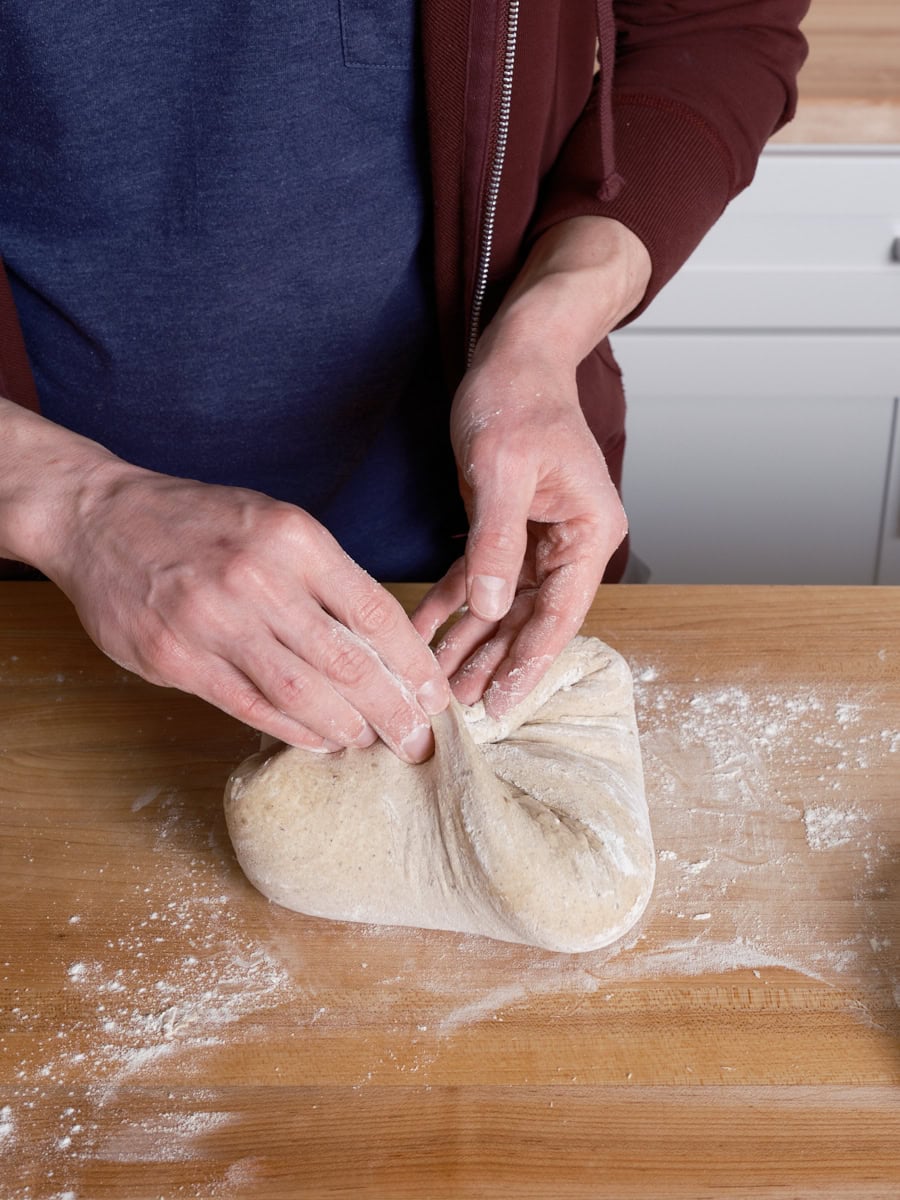
Shape (4:00 p.m.): The pre-shaped dough rounds are carefully shaped, often using a "gather up" method to create surface tension. White sesame seeds are applied as a topping for both flavor and visual appeal. The shaped dough is then placed seam-side up into a proofing basket.
-
Proof (4:15 p.m. to 9:00 a.m.): The shaped loaves undergo a cold proof in the refrigerator overnight. This slow fermentation develops complex flavors and makes the dough easier to score and handle for baking.
-
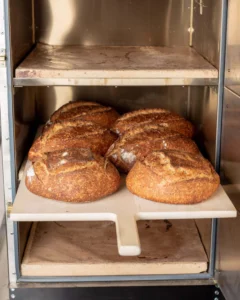
Bake (9:00 a.m.): The loaves are baked in a preheated oven, typically in a Dutch oven or on a baking stone/steel. A period of steaming at the beginning of the bake is crucial for achieving a well-developed crust. After the initial steaming phase, the steam is released, and the loaves are baked until deeply colored and cooked through, with an internal temperature of around 204°F (95°C). The baked loaves are then cooled on a wire rack for at least one to two hours before slicing.

FAQs and Further Exploration
For bakers seeking alternatives, caraway seeds are suggested as a suitable substitute for aniseed, offering a similar spicy profile. In place of barley malt syrup, blackstrap molasses can be used for a more bitter and rich flavor, or honey for a sweeter, more floral note that also pairs well with anise.
For those interested in exploring other sourdough recipes featuring buckwheat, the "Soft Honey Buckwheat Sandwich Bread" is recommended as a complementary option, offering a rich yet sweet loaf. This exploration into different flours and flavor combinations highlights the versatility and depth of sourdough baking. The process of creating this Scalded Buckwheat and Malt Sourdough Bread is not merely about producing a loaf of bread; it is an exercise in patience, precision, and the appreciation of nuanced flavors and textures. The resulting bread stands as a testament to the art of sourdough baking, offering a deeply satisfying experience from its creation to its final consumption.