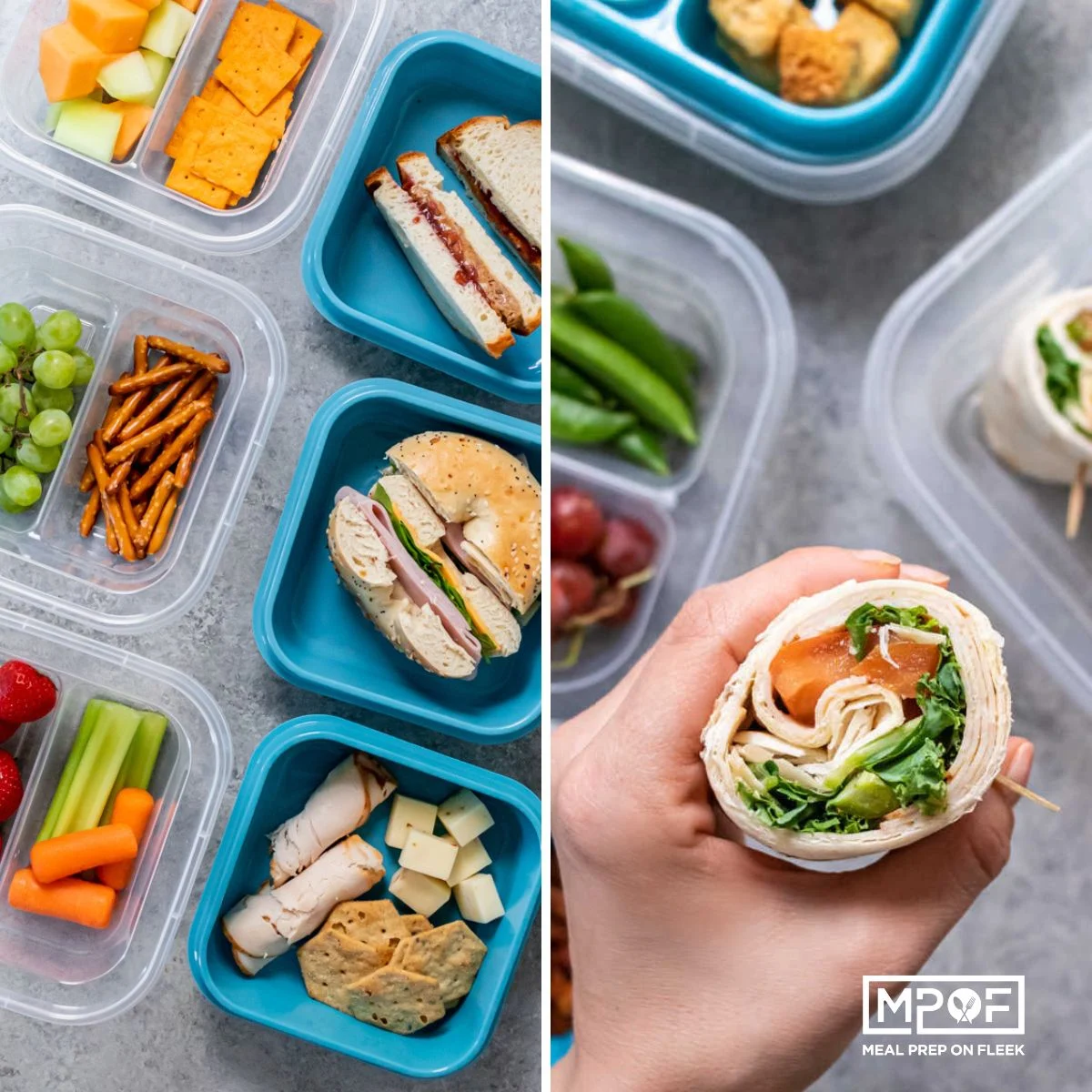

As the academic calendar approaches, parents and guardians are increasingly tasked with balancing the nutritional needs of school-aged children with the logistical constraints of busy morning schedules. Recent data from the National Center for Education Statistics indicates that approximately 50 million students are enrolled in public elementary and secondary schools annually, creating a massive demand for efficient, shelf-stable, and portable midday meal solutions. The "no-cook" lunch model has emerged as a preferred strategy for caregivers aiming to streamline household operations while maintaining dietary standards.
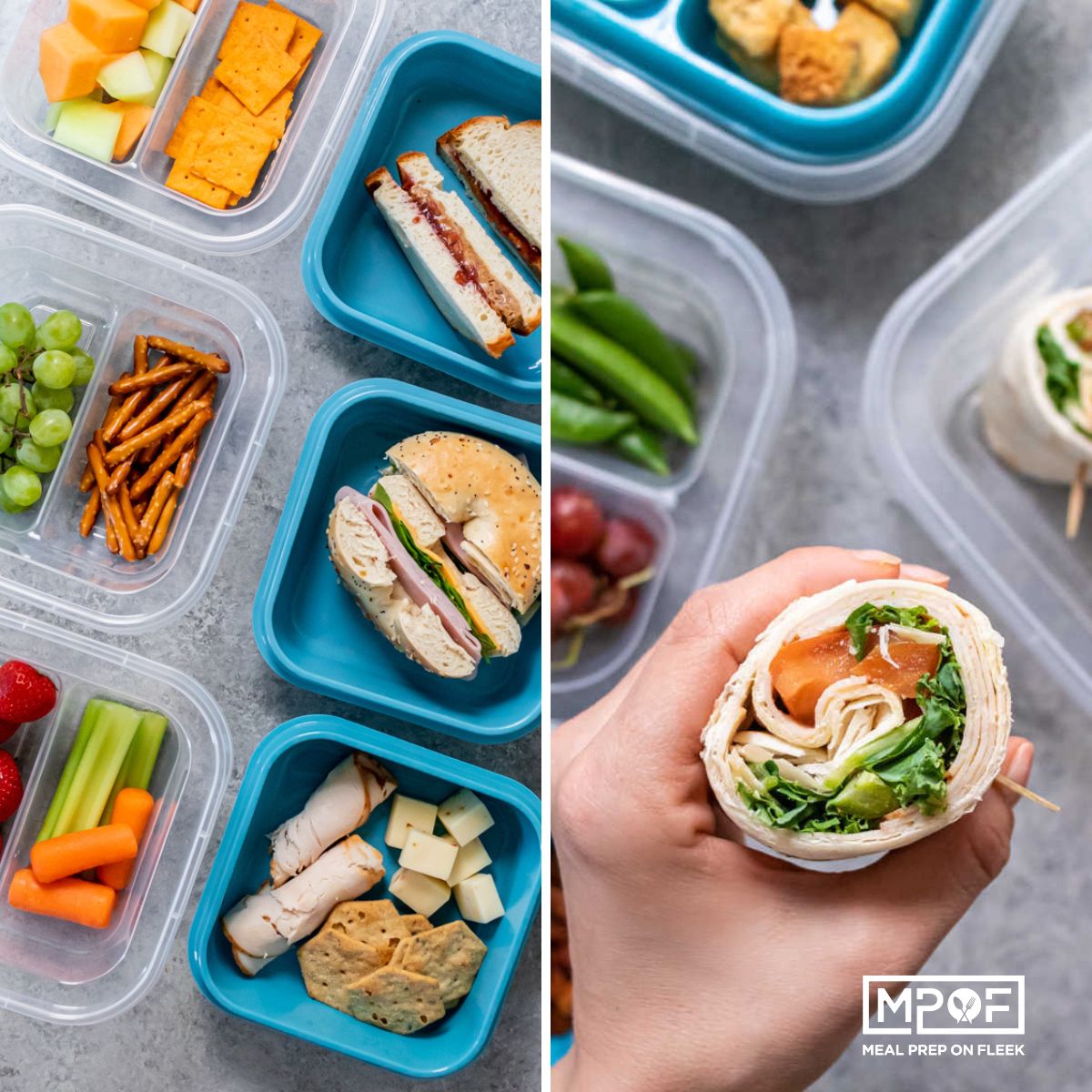
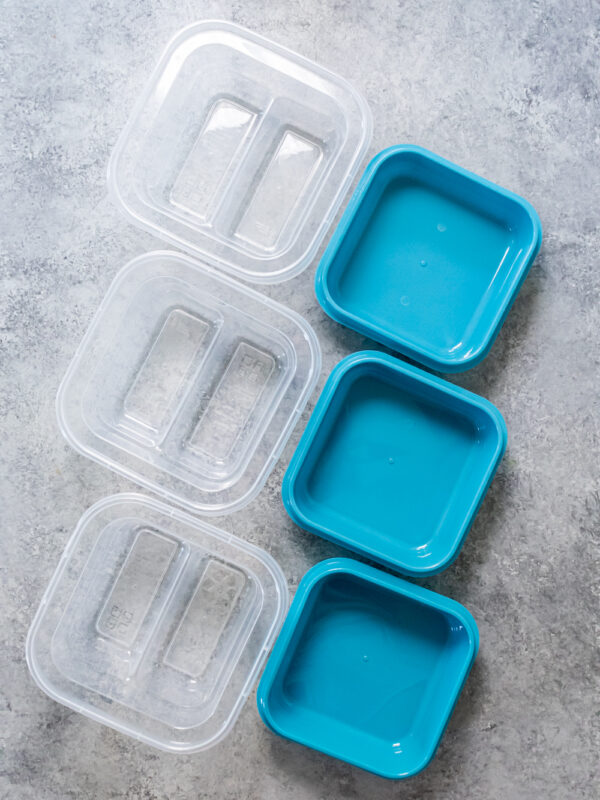
The transition back to school often coincides with a significant shift in family routines. Chronologically, the final weeks of August and the early weeks of September serve as a "crunch time" where households re-establish sleep schedules, extracurricular commitments, and meal planning protocols. By adopting a "grab-and-go" approach—utilizing compartmentalized containers such as the GoodCook Lunch Cubes—families can mitigate the morning stress that often leads to the reliance on processed, pre-packaged school cafeteria alternatives.
The Evolution of School Lunch Logistics
Historically, the school lunch has evolved from the simple brown-bag sandwich to complex, health-conscious bento-style meals. Nutrition experts emphasize the importance of the "plate method," which encourages a balance of lean protein, complex carbohydrates, and fiber-rich fruits and vegetables. When these components are pre-portioned into standardized containers, the risk of cross-contamination or "soggy" textures—a common complaint among students—is significantly reduced.
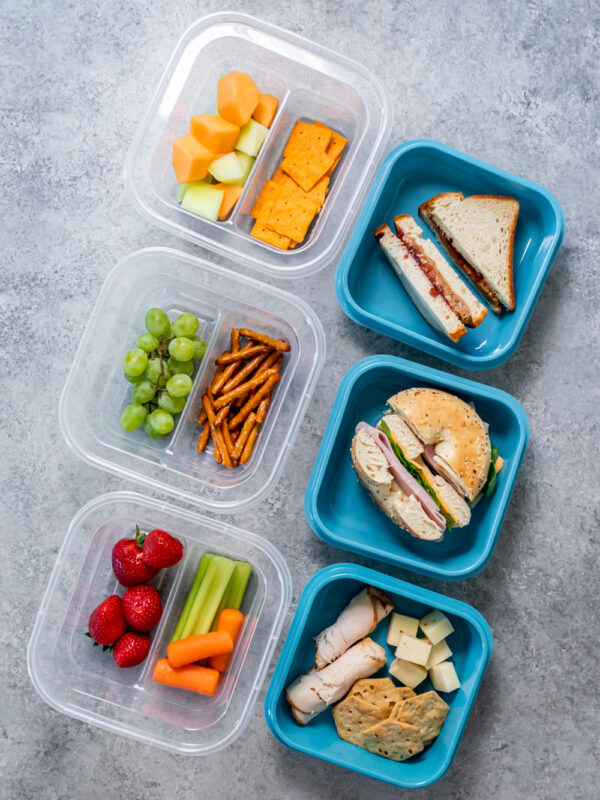
The integration of modular containers, such as those featuring tiered compartments, allows for the separation of wet ingredients (like hummus or fruit) from dry components (like crackers or pretzels). This engineering approach to food storage preserves the structural integrity of the meal until the lunch bell rings, which is a critical factor in ensuring that students actually consume the nutritious food provided.
Strategic Meal Assembly and Child Participation
Child development specialists often advocate for the "autonomy model" regarding food choices. When children participate in the selection and assembly of their meals, they are statistically more likely to consume the provided nutrients. This process begins at the point of purchase; allowing children to select their preferred produce at the grocery store fosters a sense of ownership.
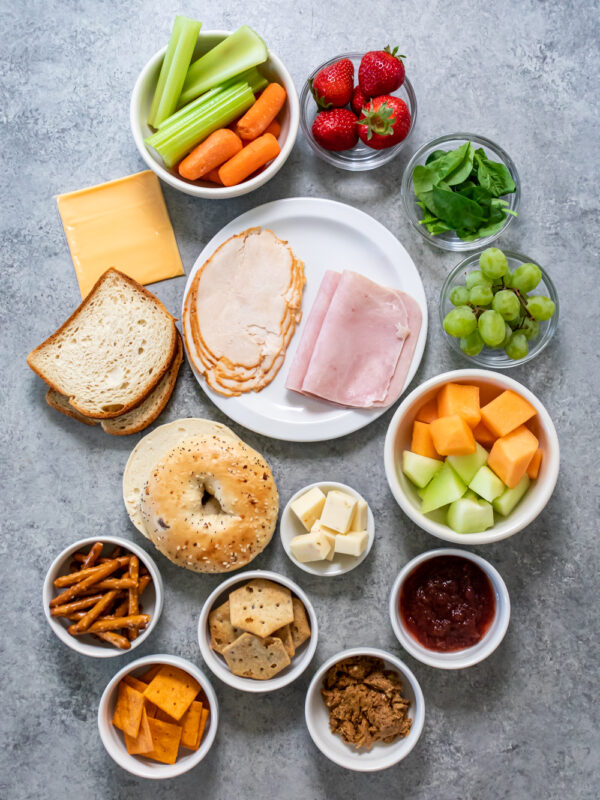
To facilitate this, many successful households implement a "centralized cold storage" system. By maintaining a designated basket in the refrigerator and pantry stocked with pre-portioned, kid-friendly items—such as baby carrots, snap peas, sliced apples, and single-serve dairy or plant-based protein cups—caregivers can empower children to assemble their own lunch cubes. This not only builds independence but also saves an estimated 10 to 15 minutes of manual labor per morning for the parent.
Three Primary No-Cook Meal Frameworks
While customization remains the cornerstone of effective meal prep, three primary archetypes have proven to be the most consistent successes in school settings. These are built around a base-protein, a produce element, and a crunchy side.
1. The "Snack Box" Configuration
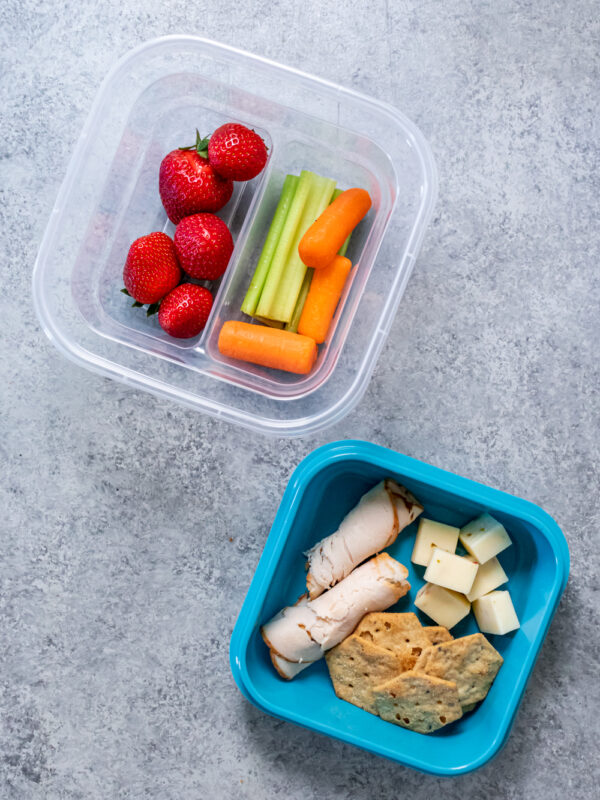
This approach deconstructs the traditional sandwich. By replacing bread with high-protein crackers or rice cakes and pairing them with deli meats (turkey, roast beef, or plant-based alternatives) and cheese cubes, the meal becomes interactive. The inclusion of raw vegetables and a small dip, such as ranch or hummus, adds essential vitamins and minerals without requiring any thermal preparation.
2. The Classic Sandwich Bento
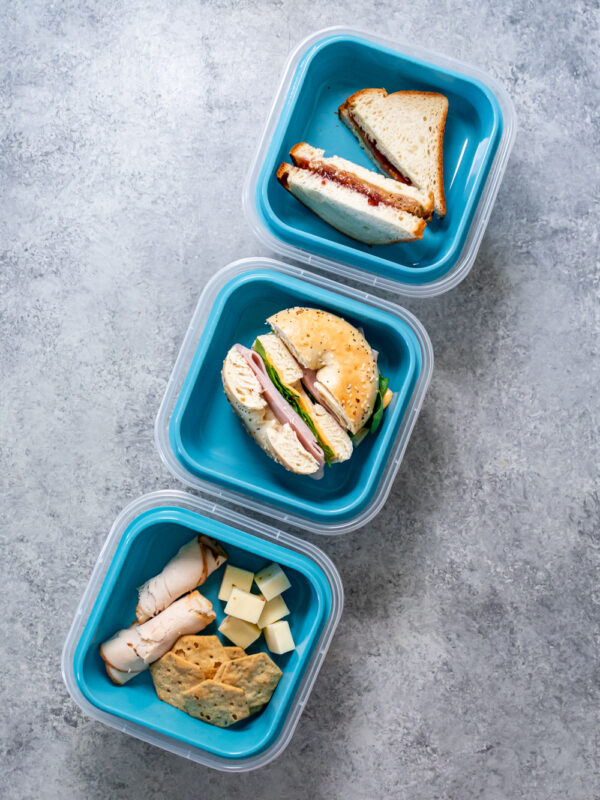
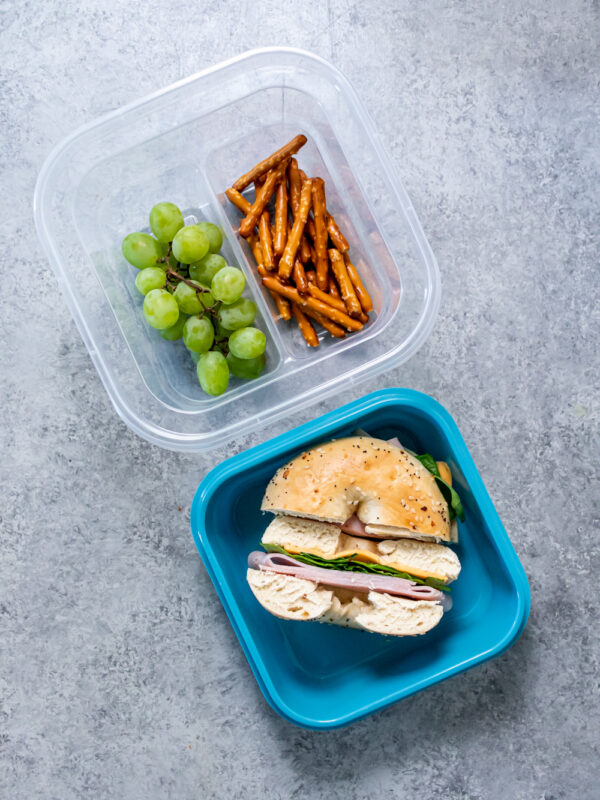
This remains the gold standard for school lunches due to its familiarity and ease of consumption. To keep this format fresh, variety is key. Rotating between whole-grain bread, pita pockets, or bagel thins prevents "palate fatigue." Pairing the primary sandwich with a fruit salad or berries and a moderate portion of baked chips or pretzels maintains the caloric density required for an active student’s day.
3. The Nut-Free Protein Powerhouse
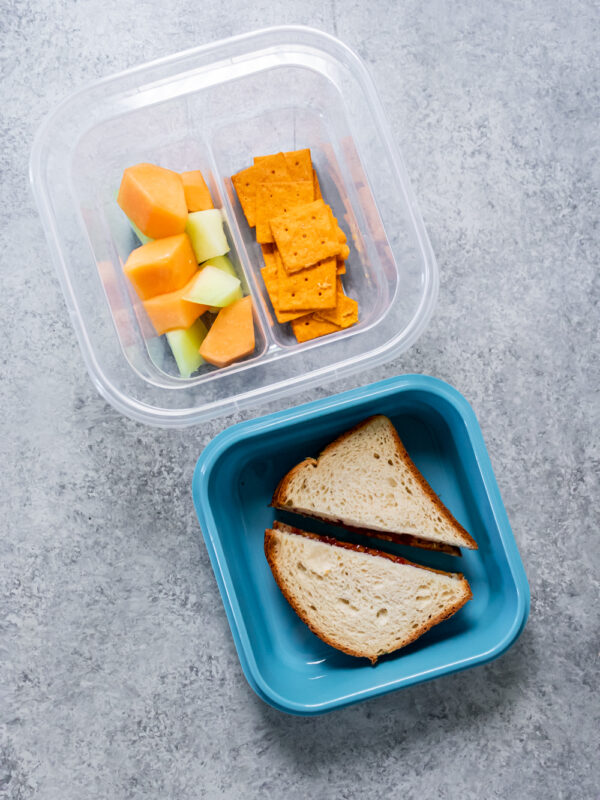
For schools with strict allergy protocols, the classic Peanut Butter and Jelly (PB&J) can be adapted using sun-butter (sunflower seed butter) or almond butter alternatives. Pairing this with seasonal, high-fiber fruits like sliced grapes or melon, and a crunchy side like raw broccoli or cauliflower, provides a balanced energy release that sustains focus through afternoon classroom sessions.
Data-Driven Nutritional Considerations
A well-balanced, no-cook lunch typically aims for the 400 to 500-calorie range for elementary-aged children. According to the USDA dietary guidelines, these meals should prioritize low-sodium deli meats and whole-grain components. The use of modular cubes helps in maintaining these portions. For example, a standard 410-calorie configuration typically includes 9g of protein, 58g of carbohydrates, and essential micronutrients such as Calcium and Vitamin C, which are vital for cognitive function and physical development.
Broader Implications for Households and Educators
The trend toward home-packed, no-cook lunches has a cascading effect on both family wellness and school operations. From a financial perspective, households that utilize bulk-purchased staples to fill reusable containers report a decrease in weekly grocery expenditures compared to households relying on pre-packaged, individual-serving snacks. Furthermore, for educators and school administrators, students who are well-nourished via home-packed, balanced meals often demonstrate higher levels of focus and improved behavioral outcomes during the latter half of the school day.
For teachers, the struggle of managing classroom energy levels is a perennial issue. Educators often point out that the mid-afternoon slump is frequently tied to blood sugar fluctuations caused by processed, high-sugar snacks. Encouraging parents to provide protein-dense, whole-food options—even those that require zero cooking—directly supports the learning environment.
Implementation Strategies for Hectic Mornings
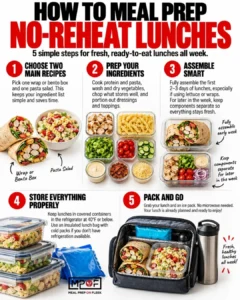
The primary barrier to consistent meal prep is time. To overcome this, efficiency experts suggest a "batch-assembly" approach on Sunday evenings. By washing, chopping, and portioning all produce at the start of the week, the assembly of the daily lunch cube becomes a task of seconds rather than minutes.
Furthermore, the "night-before" rule is essential. By having the containers sealed and placed in the refrigerator before the evening concludes, families can avoid the chaotic morning rush. This practice also provides an opportunity for a final check of the nutritional balance, ensuring that the lunch includes the necessary components to keep the student energized until the final bell.
Addressing Dietary Restrictions
Modern meal prep must be inclusive of various dietary needs, including gluten-free, vegan, and allergen-sensitive diets. The beauty of the no-cook, modular system is its inherent flexibility. Gluten-free crackers, vegan deli slices, and seed-based spreads can be swapped into any of the aforementioned configurations without altering the structural logic of the meal. This versatility ensures that regardless of a student’s dietary requirements, the meal remains safe, appetizing, and nutritionally adequate.
As schools continue to emphasize health and wellness, the shift toward these accessible, no-cook lunch solutions represents a practical intersection of nutrition, economics, and time management. By simplifying the process through organized, repeatable systems, parents can ensure that their children are equipped with the fuel they need to succeed academically and physically, setting a positive foundation for the entire school year.