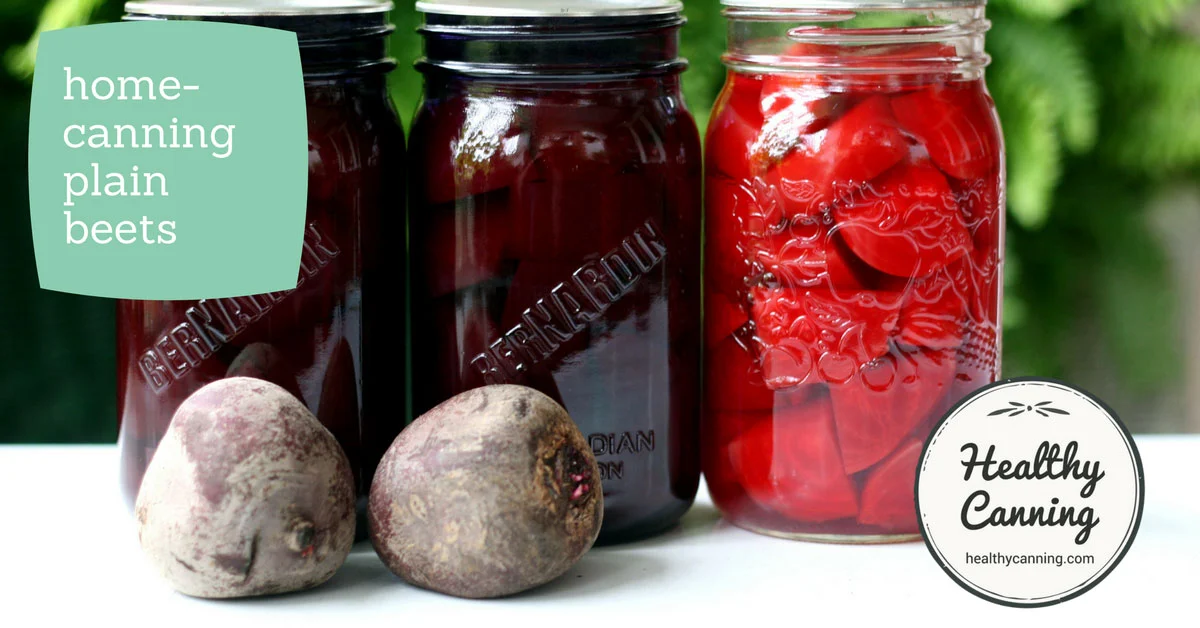

Home canning offers a rewarding way to preserve garden harvests, transforming fresh produce into convenient, shelf-stable meals for busy weeknights. Among root vegetables, plain beets (known as beetroot in the UK) stand out as a versatile pantry staple. Whether pulled off a shelf on a blustery winter evening to be zapped in the microwave and served with sour cream and dill, or tossed in olive oil or duck fat for a quick roast, home-canned beets provide a delicious taste of summer throughout the colder months. However, preserving plain, low-acid vegetables requires strict adherence to scientific safety standards. Ensuring a high-quality, safe product means strictly following United States Department of Agriculture (USDA) pressure canning protocols, as improper processing methods carry severe public health risks.
Understanding Food Safety and Botulism Risks in Low-Acid Canning

The fundamental rule of canning plain, non-pickled beets is absolute: they must be processed using a pressure canner. Water-bath canning is entirely insufficient and dangerous for low-acid vegetables like beets. According to historical data and agricultural extension reports, the documentation trail of illness linked to improper beet canning spans generations. Between 1990 and 2012 in the United States alone, at least 10 individuals contracted botulism from beets that were incorrectly processed using a boiling water bath instead of a pressure canner.
Clostridium botulinum spores thrive in low-acid, oxygen-free environments such as sealed jars. Because beets have firm flesh and low acidity, they rank alongside green beans as potential carriers of C. botulinum toxin if not handled correctly. Food preservation experts emphasize that shortcuts should never be taken. While historical wartime literature from the 1940s occasionally suggested adding vinegar to allow for boiling-water processing due to metal rationing, modern food science firmly rejects this method. Acidifying plain beets arbitrarily without a tested, tested recipe does not guarantee safety. Experts note that pressure canning eliminates these risks entirely when executed according to current guidelines. Much like handling raw chicken safely in a modern kitchen, following established pressure-canning parameters removes the hazard, allowing home cooks to stock their shelves with total peace of mind.
Historical Evolution of USDA Canning Guidelines
The scientific understanding of home food preservation has evolved significantly over the past century, driven by ongoing research into foodborne pathogens. As early as 1926, the USDA formally advised against water-bath canning for non-acid vegetables, publishing explicit bulletins warning of the dangers of botulinum contamination. Early guidelines recommended selecting young, tender, turnip-shaped beets, washing them thoroughly, and pre-cooking them until the skins slipped off easily. Early instructions advised leaving at least one inch of the stem and all of the roots attached during pre-cooking to prevent bleeding, a technique still referenced today, though its impact on color retention is largely cosmetic.
Historically, processing times were slightly longer, with 1920s bulletins recommending 40 minutes for quarts and 35 minutes for pints at 10 pounds of pressure. Over the decades, rigorous laboratory testing by agencies like the USDA and the National Center for Home Food Preservation (NCHFP) refined these times down to 30 minutes for half-litres (pints) and 35 minutes for 1 litres (quarts) using a weighted-gauge or dial-gauge pressure canner. These revisions optimized both food safety and nutritional retention, establishing the modern standards relied upon by home economists and culinary enthusiasts worldwide.
Preparation and Pre-Cooking Best Practices

Successful home canning begins with meticulous preparation. Food safety authorities specify that plain beets must be thoroughly washed, peeled, and trimmed before they ever enter a canning jar. Peeling significantly reduces the initial bacterial load, a crucial factor that the thermal processing times rely upon to achieve commercial sterility.
When preparing a batch, uniformity is key. Smaller beets measuring less than 2 inches (5 cm) in diameter can be canned whole, while larger specimens must be sliced, diced, or cubed. Sorting mixed harvests by size ensures even pre-cooking. To maximize energy efficiency and manage kitchen heat, modern culinary researchers suggest alternative pre-cooking methods, such as utilizing a steam canner or a pressure cooker to soften the skins before peeling.
Temperature management during the jar-packing stage is equally critical. USDA-tested procedures require beets to be hot when packed into jars. Cooks are explicitly cautioned against plunging hot beets into ice water to cool them down for easier handling. If the beets cool down during the peeling process, they must be reheated—such as by a quick pass in the microwave—before liquid is added. Jars require a generous 3 cm (1 inch) of headspace, and salt may be added strictly for seasoning, as it plays no role in chemical preservation or safety.
Pressure Canning Parameters and Altitude Adjustments
Executing the final canning process requires precise equipment calibration and environmental awareness. Plain beets must be processed in either half-litre (1 US pint) or 1-litre (1 US quart) jars using a certified pressure canner.
For weighted-gauge canners operating at altitudes from 0 to 300 meters (0 to 1,000 feet), the required pressure is 10 lbs (69 kPa), while dial-gauge canners require 11 lbs (76 kPa). Processing times are fixed at 30 minutes for half-litres and 35 minutes for full litres. However, atmospheric pressure changes significantly as elevation increases. Canners residing at altitudes above 300 meters (1,000 feet) must adjust their gauge pressures upward—typically moving to 15 lbs for weighted gauges—to ensure the internal temperature reaches the required threshold to neutralize bacterial spores effectively. Neglecting altitude adjustments is a common pitfall that can result in under-processing.

Addressing Color Loss and Quality Standards
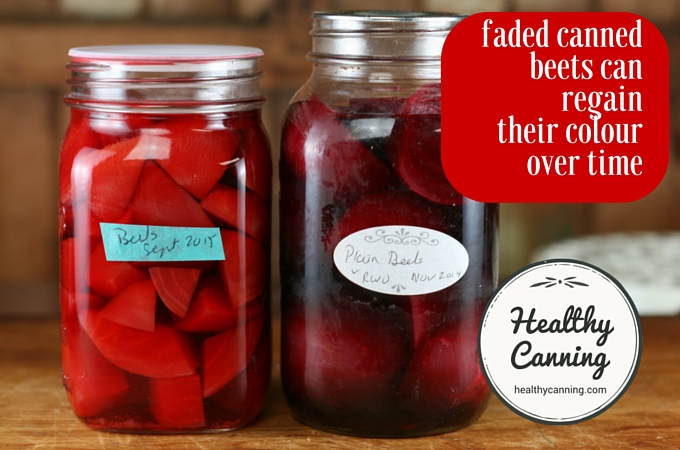
One of the most common visual concerns among home canners is the fading of red pigments during the thermal processing cycle. Betalaines, the natural water-soluble compounds responsible for the vibrant red hue of beets, are highly sensitive to sustained high temperatures. During canning, these pigments can temporarily transform into colorless compounds, leaving newly processed jars looking pale or washed out.
Agricultural extension services, including those at Penn State University, reassure home preservers that this chemical reaction is frequently reversible. In many cases, the rich dark red color returns naturally after a few days or weeks of storage at room temperature in a dark pantry. Furthermore, selecting specialized cultivars known for color retention—such as the round ‘Detroit Dark Red’ or the elongated ‘Formanova’—can enhance visual appeal.
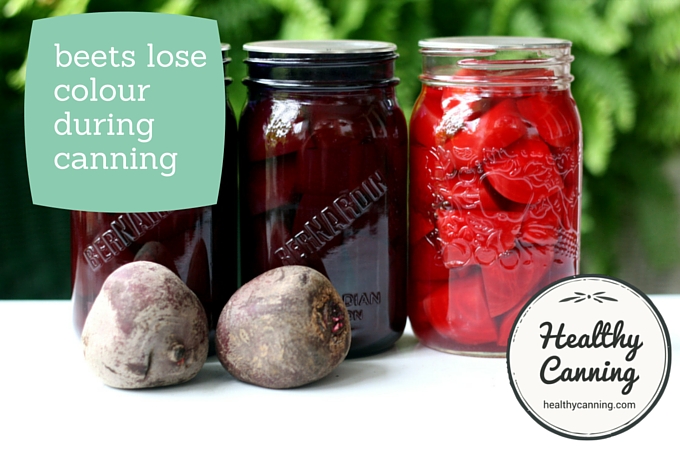
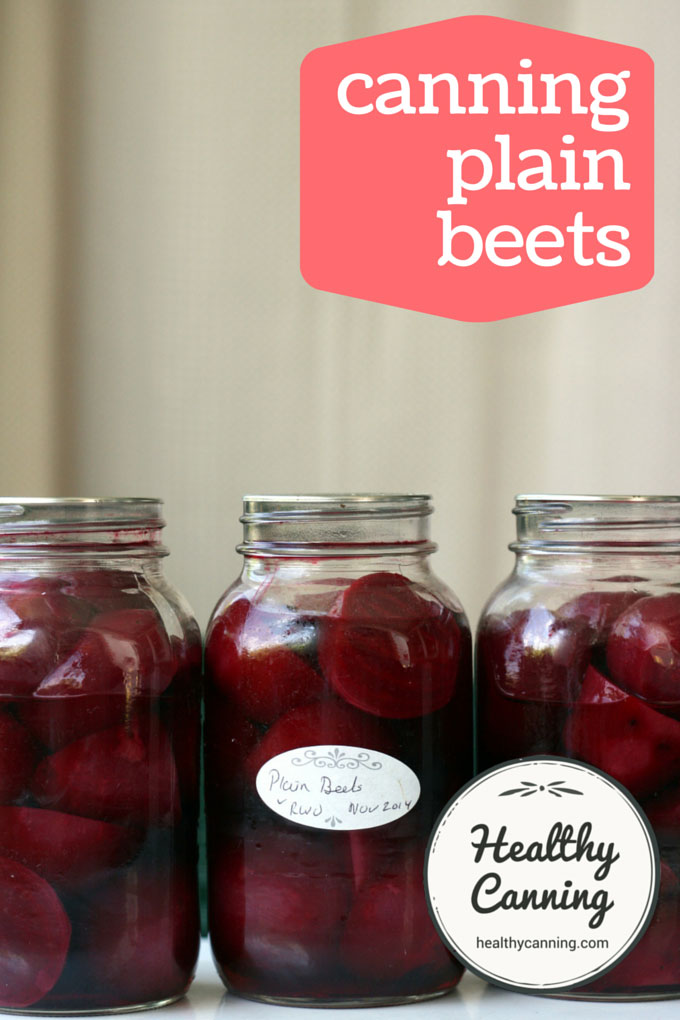
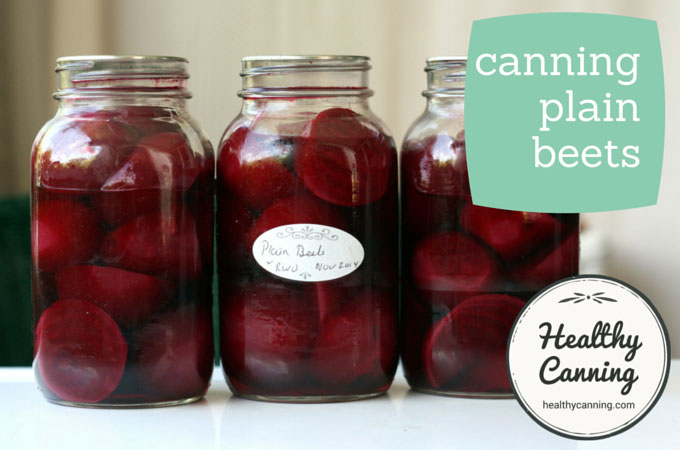
The National Center for Home Food Preservation outlines strict judging criteria for high-quality home-canned beets. Evaluated jars should display uniform size and shape, free from fibrous textures, stems, roots, or residual skin traces. The canning liquid must be sparkling clear and deeply red, devoid of cloudiness or excessive sediment. Meeting these benchmarks reflects both expert gardening practices and flawless execution in the kitchen.
Culinary Applications and Versatility
Beyond storage longevity, the true value of home-canned plain beets lies in their culinary adaptability. Because they are preserved without heavy pickling vinegars or spices, they serve as a neutral, nutrient-dense canvas for a wide array of recipes.
Home cooks frequently incorporate home-canned beets into traditional soups such as borscht, blending the earthy flavors with broth, cabbage, and potatoes. Alternatively, drained beets can be tossed in maple syrup and roasted until caramelized, or folded into creamy coconut milk alongside carrots and warming curry spices for an exotic weeknight dinner. Nutritional analyses indicate that a standard 175-gram serving provides valuable dietary fiber, modest plant-based protein, and essential carbohydrates, making preserved beets a wholesome addition to a balanced, year-round diet. Through careful adherence to USDA safety protocols, preserving this vibrant root vegetable remains a safe, rewarding, and historically rich culinary tradition.