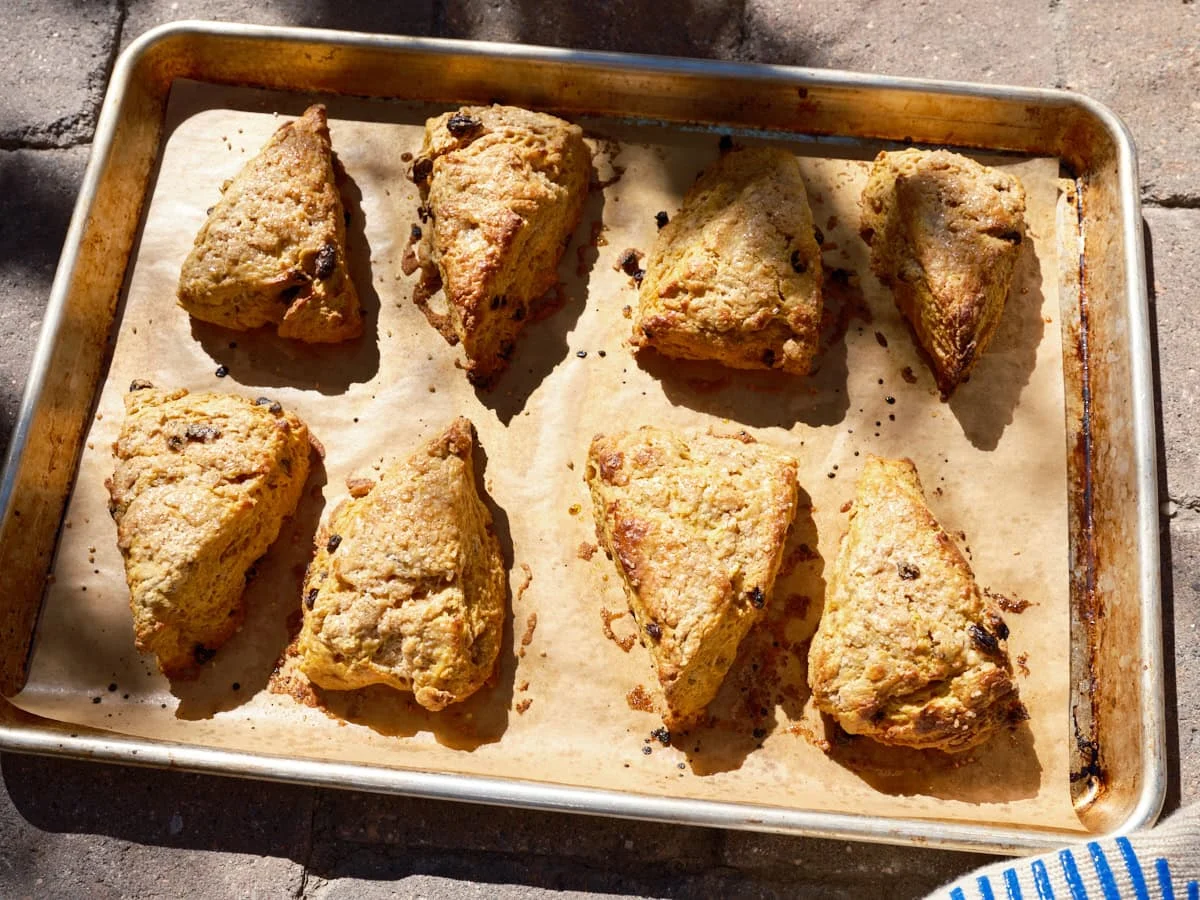

The intersection of artisan sourdough baking and autumn seasonal flavors has yielded a new culinary standard: the sourdough discard pumpkin scone. Developed through years of iterative testing by home-baking experts and refined for precision, this recipe addresses common structural challenges inherent in whole-grain and high-altitude baking. By leveraging the specific chemical interactions of acidic dairy, whole-grain einkorn, and modern convection technology, bakers can achieve a pastry that defies the traditional compromise between dense, dry scones and flat, over-spread biscuits.
The Evolution of Sourdough Discard Utilization in Autumn Baking
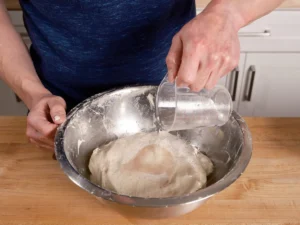
For years, home bakers have sought efficient ways to utilize sourdough starter discard—the portion of active culture removed during regular feeding routines. While traditional applications typically run toward pancakes, waffles, or crackers, the incorporation of seasonal produce like pumpkin puree introduces unique hydration and structural dynamics.
Pumpkin puree adds moisture, natural sugars, and distinct earthy notes, but its high water content can easily compromise the structural integrity of structural baked goods. To counteract this, culinary developers turned to ancient grains, specifically whole-grain einkorn. Known as one of the oldest cultivated wheats, einkorn offers a rich, nutty flavor profile that naturally complements the sweet, spiced character of pumpkin. However, einkorn’s weak and delicate gluten network presents a distinct challenge, often resulting in dense or crumbly failures if not properly managed.
Chemical Innovations: Why Buttermilk Changes the Sourdough Equation
The breakthrough in achieving a tender, flaky crumb for these scones lies in the replacement of heavy cream with buttermilk. While heavy cream relies on its 36% fat content to create traditional flaky layers through melting fats, buttermilk introduces a low pH environment that fundamentally alters the dough’s chemistry.
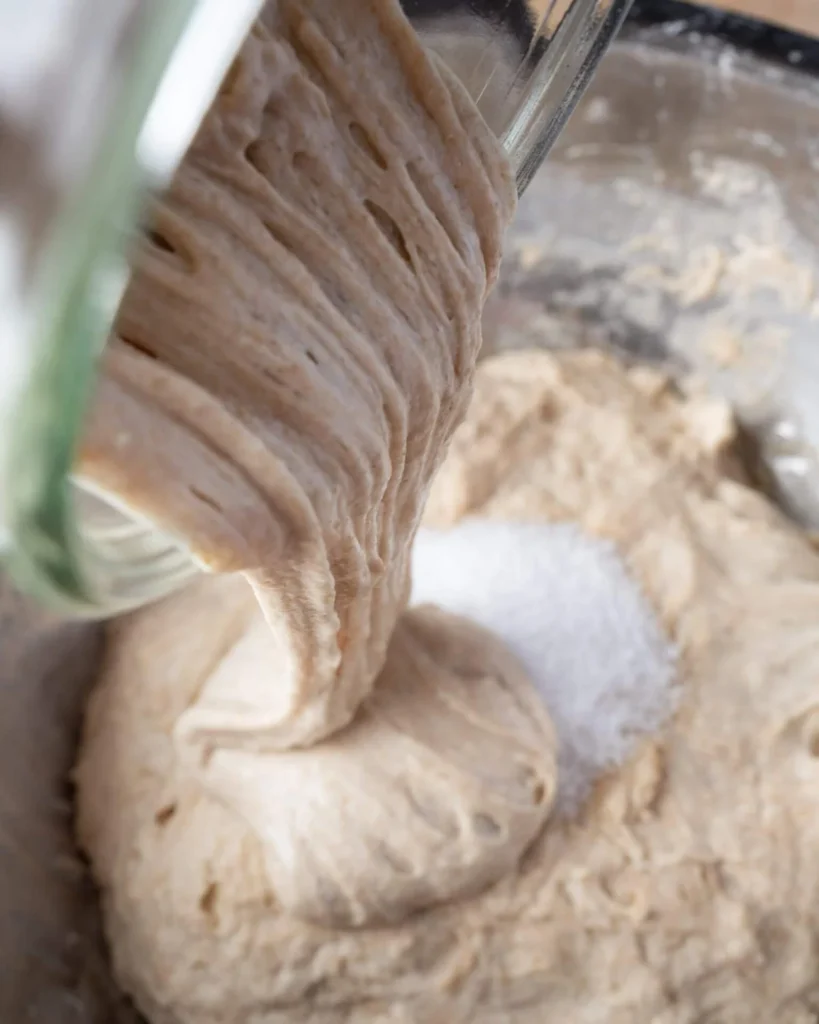
The acidity in buttermilk interacts directly with the sourdough starter and the einkorn flour, relaxing the gluten strands and increasing their extensibility. This chemical relaxation prevents the whole-grain structure from becoming tough, yielding a soft interior while maintaining a craggy, sturdy crust. Furthermore, the tangy flavor profile of fermented buttermilk and sourdough discard provides a sophisticated counterweight to the rich sweetness of the pumpkin and autumn spices, preventing the pastry from becoming cloying.
For bakers lacking buttermilk, culinary science offers reliable alternatives. Incorporating one teaspoon of white vinegar or fresh lemon juice into whole milk—letting the mixture sit for five minutes to curdle—recreates the essential acidity. Alternatively, kefir serves as a seamless one-to-one substitute, delivering comparable structural and flavor benefits.
Solving the High-Altitude and Spreading Dilemma
Bakers operating in high-altitude environments, such as the high desert, frequently encounter structural failures in chemically leavened and sourdough goods. Reduced atmospheric pressure causes gasses to expand more rapidly, frequently leading baked items to rise aggressively before collapsing into flat, dense discs.
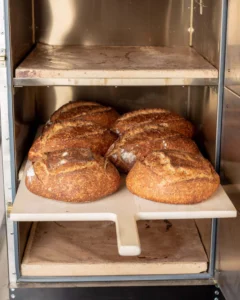
To combat this, recipe developers have isolated specific mechanical interventions, chief among them the utilization of convection baking. Unlike standard radiant heat, convection ovens circulate hot air continuously, delivering intense, even heat that rapidly sets the outer perimeter of the scone during the first critical minutes of the baking cycle. This rapid crust formation acts as a structural cage, preventing horizontal spreading and forcing the pastry to rise vertically.
For kitchens lacking convection capabilities, bakers can emulate this effect by increasing the initial baking temperature by 25 degrees Fahrenheit for the first five minutes of the cooking cycle, before dropping it back to the standard operating temperature. This technique ensures that even standard domestic ovens can produce tall, straight-sided, and visually striking scones.
Ingredient Substitutions and Flexibility in the Modern Kitchen
Supply chain variations and dietary preferences necessitate flexibility in modern baking recipes. If whole-grain einkorn is unavailable, bakers can successfully substitute alternative whole-wheat varieties such as Red Fife, Butler’s Gold, or Marquis. Each of these heritage wheats brings distinct rustic qualities and varying levels of protein strength that support the overall structure.
Similarly, the pumpkin puree can be seamlessly substituted on a weight-for-weight basis with sweet potato puree or butternut squash puree without altering the hydration metrics of the dough. For bakers seeking alternative flavor profiles, traditional mix-ins like raisins can be replaced with dried cranberries, currants, or fresh blueberries, introducing varying levels of tartness to balance the sweet crumb.
Broader Implications for Artisan and Home Baking Communities
The refinement of recipes like the sourdough pumpkin scone highlights a broader trend within the global baking community: the elevation of waste-reduction practices into gourmet craftsmanship. By transforming sourdough discard—an operational byproduct—into high-value seasonal pastries, home bakers and artisan bakeries alike continue to optimize ingredient efficiency.
Moreover, the detailed documentation of variables such as flour protein strength, thermal dynamics, and regional altitude adjustments reflects a growing shift toward scientific literacy in domestic cooking. As home kitchens adopt techniques traditionally reserved for commercial bakeries, the barrier between professional-grade execution and everyday baking continues to dissolve, establishing new standards for texture, flavor, and structural integrity in home-baked goods.