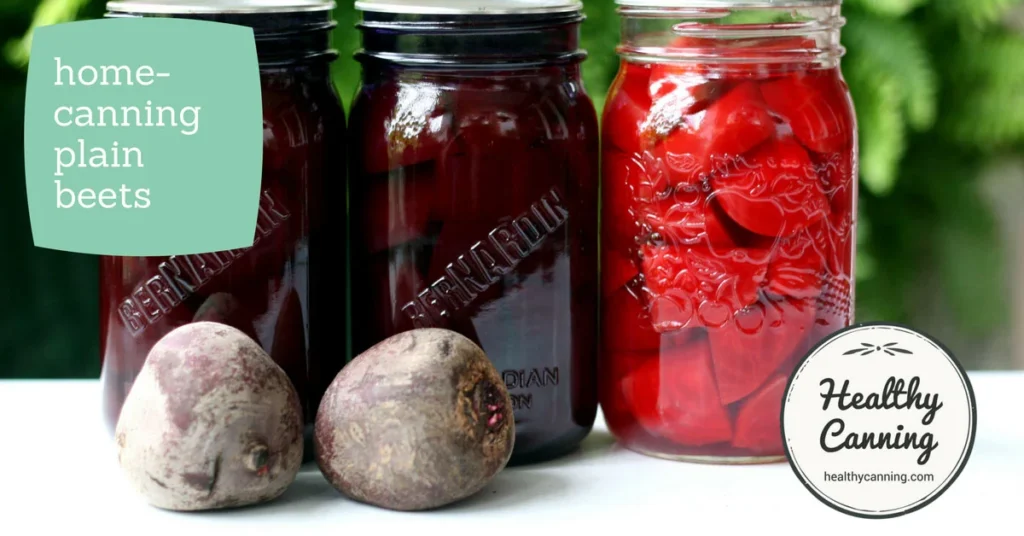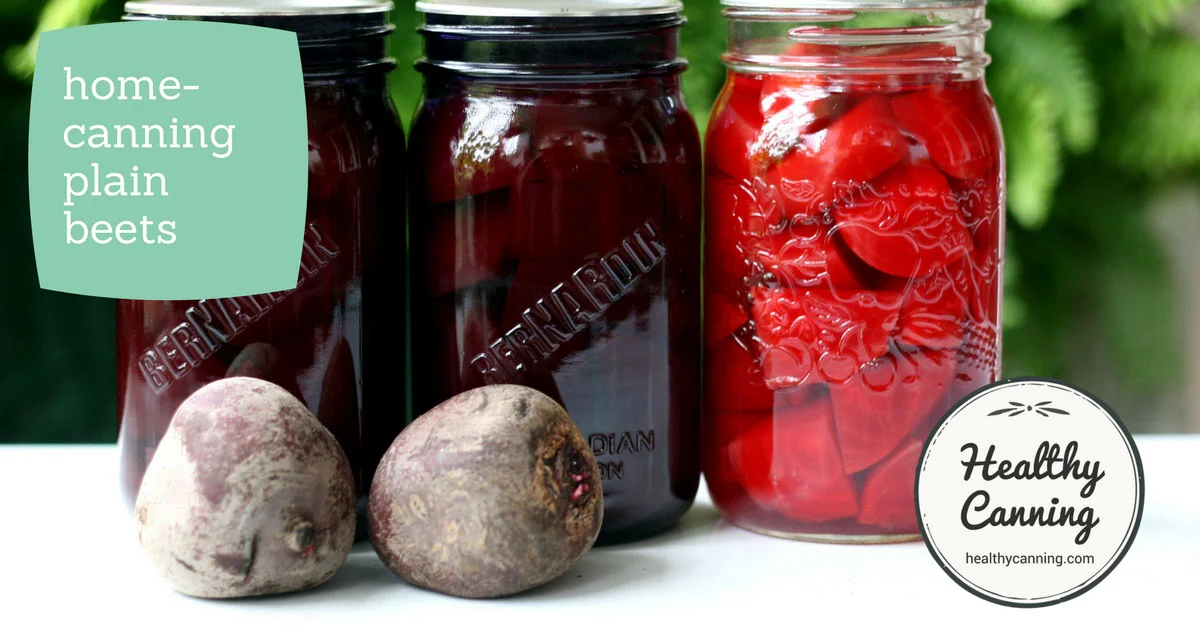

Home food preservation has experienced a significant cultural renaissance in recent years, driven by a growing desire for food security, sustainable living, and the rustic appeal of a well-stocked pantry. Among the prized staples of a home canner’s inventory are plain beets, a versatile root vegetable that transforms a routine weeknight meal into something special. Whether zapped in the microwave on a brisk winter evening and served with a dollop of sour cream and a sprinkle of dill, or quickly tossed in olive oil and duck fat for a gourmet roast, home-canned beets offer unmatched culinary convenience. However, food safety authorities emphasize that preserving plain, non-pickled vegetables requires strict adherence to scientific protocols to prevent severe health hazards.
Understanding the Non-Negotiable Rules of Pressure Canning
When executing the proper procedures endorsed by the United States Department of Agriculture (USDA), home-canned plain beets emerge as a safe, high-quality, shelf-stable product. Conversely, if a household lacks the necessary equipment or inclination to follow these rigorous standards, alternative preservation methods—such as freezing or pickling—must be utilized.

Food safety experts issue an absolute warning regarding water bath canning: plain, low-acid vegetables like beets must never be processed using a boiling water bath. The historical documentation linking improper home canning of low-acid foods to outbreaks of foodborne illness spans over a century. Therefore, culinary educators stress that there is no alternative to pressure canning when it comes to preserving plain beetroot.
For international readers, particularly those outside North America, it is crucial to note that this specific USDA protocol applies exclusively to the root tuber, commonly known as the beetroot. While the leafy beet greens are entirely edible and can be preserved, they must be processed independently utilizing a completely separate USDA procedure designed specifically for leafy greens and spinach.
Quantities, Yields, and Preparation Metrics
Successful canning projects begin with precise arithmetic and careful sourcing of raw ingredients. As a general guideline, home canners should anticipate requiring approximately 1.25 kilograms (about 3 pounds) of raw, unpeeled beets to yield a single 1-litre (US quart) jar of finished product. For example, roughly 10 medium-sized raw beets measuring about 9 centimeters (3 inches) in diameter with the skins intact will weigh approximately 2 kilograms (4.5 pounds).
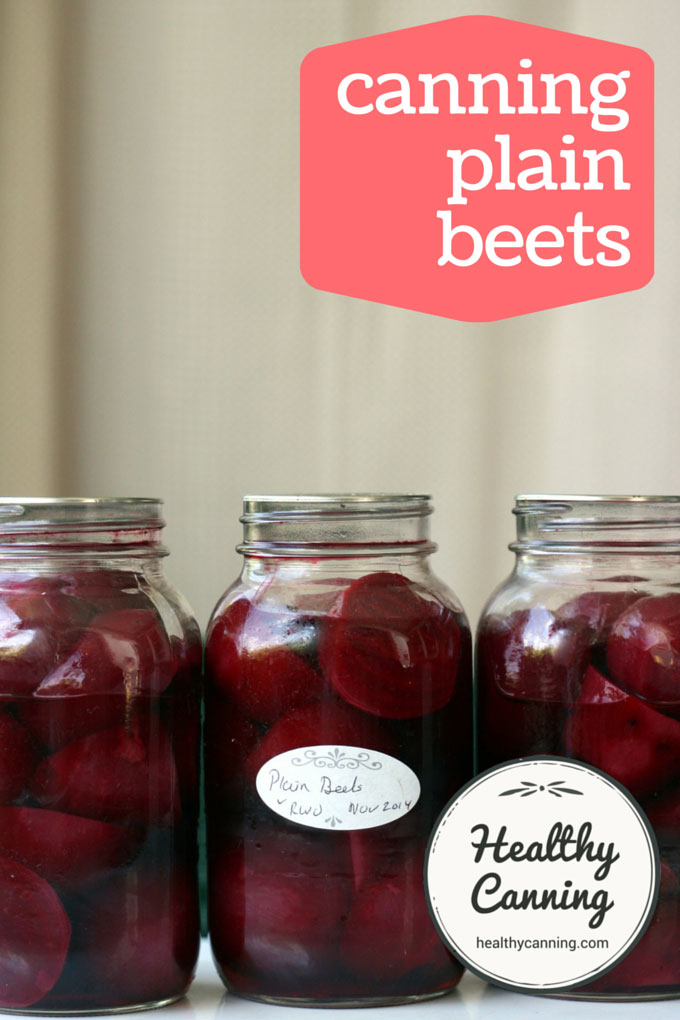
Jar size choices for this recipe are strictly limited to half-litre (1 US pint) or 1-litre (1 US quart) containers. The target headspace—the empty space between the food surface and the underside of the jar lid—must be maintained at exactly 3 centimeters (1 inch).
The pre-cooking phase serves multiple purposes in the preparation timeline. Beets must be pre-cooked until their skins slip off easily, and they must be packed into the jars while hot rather than cold. While home cooks might be tempted to plunge hot beets into an ice bath for comfortable handling, doing so drops their temperature too drastically. If beets cool down entirely before packing, they must be reheated—such as by a quick burst in the microwave—prior to entering the jars. Furthermore, beets must be thoroughly peeled before canning to significantly reduce the initial bacterial load, a foundational assumption upon which the entire processing time is calculated.
Pressure Canning Specifications and Altitude Adjustments
Executing the final canning process requires strict adherence to pressure and timing parameters. The processing method is exclusively pressure canning. For a standard weighted-gauge pressure canner, the required processing pressure is 10 pounds (69 kPa). For a dial-gauge pressure canner, the pressure is set to 11 pounds (76 kPa). Processing times vary slightly by container volume: half-litre (pint) jars require 30 minutes, while 1-litre (quart) jars require 35 minutes.
Canners operating at elevations above 300 meters (1,000 feet) must make mandatory altitude adjustments to ensure safety. For weighted-gauge canners operating above this threshold, the pressure must be increased to 15 pounds. Similarly, dial-gauge users must consult standardized altitude adjustment charts to increase their operating pressure accordingly, as atmospheric pressure decreases at higher elevations, which alters the internal temperature of the canner.
Energy-Efficient Pre-Cooking Innovations
Recent culinary evaluations have explored energy-efficient alternatives for the initial pre-cooking stage of the beets. While these methods do not replace the mandatory pressure canning process for the filled jars, they can significantly reduce cooking fuel and water consumption.
Canners equipped with multi-tier steam canners can experiment with steaming the raw roots. Alternatively, utilizing a pressure cooker for the initial softening phase can save both time and resources while avoiding a steamy kitchen environment. When utilizing a pressure cooker for medium beets up to 10 centimeters (4 inches) in diameter, food scientists note that a batch of roughly 9 kilograms (20 pounds) of beets processed in a 23-quart pressure cooker at 15 pounds pressure for approximately 3 minutes—followed by a natural pressure release—yields beets that are easily peeled. Because pressure cookers cook all items uniformly, sorting beets by size prior to cooking is strongly recommended to prevent smaller specimens from becoming overly soft while larger ones finish softening.
Addressing the Science of Color Loss in Beets
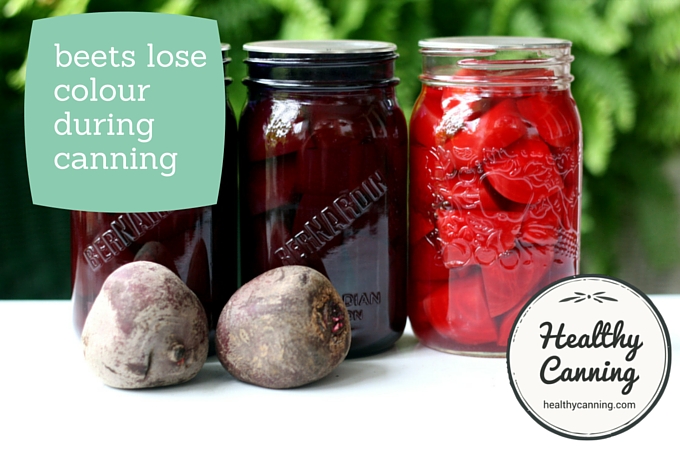
A common point of anxiety for home canners is the sudden fading of bright red hues during the canning process. Food scientists at Penn State Extension explain that the natural red pigments found in beets, known as betalaines, are exceptionally sensitive to high temperatures. During thermal processing, these pigments can temporarily transform into colorless compounds.
Fortunately, this chemical reaction is entirely reversible in many cases. The vibrant red color frequently returns to a deeper shade after the jars have rested for a few days at room temperature on the pantry shelf. To optimize visual appeal, agricultural extensions recommend selecting trusted cultivar varieties bred specifically for preservation, such as "Detroit Dark Red" or the elongated "Formanova," which hold their pigments more resiliently during thermal processing.
Judging Standards and Historical Context of Food Safety

When home-preserved foods are evaluated at agricultural fairs or judged by institutional standards, strict criteria apply to plain canned beets. According to guidelines established by the National Center for Home Food Preservation, high-scoring canned beets must be uniformly peeled, uniform in size and shape, and free from any residual stems, roots, or traces of skin. The packing liquid must be sparkling clear and richly red, completely free of cloudiness, sediment, or white rings, which indicate improper core development or processing errors.
The historical backdrop of home canning underscores why modern scientific protocols are so uncompromising. As early as 1926, USDA publications warned against utilizing boiling water bath methods for non-acid vegetables due to the grave risk of botulism contamination caused by Clostridium botulinum spores. Historical records maintained by public health agencies indicate that between 1990 and 2012, at least 10 individuals in the United States contracted botulism from improperly preserved beets that were mistakenly processed via water bath instead of pressure canning.
Despite these established scientific benchmarks, institutional literature during anomalous historical periods occasionally promoted hazardous shortcuts. During the Second World War, metal rationing severely restricted access to pressure canners. Consequently, certain university extension bulletins circulated unorthodox advice suggesting that adding vinegar or acid to plain beets would render them safe for boiling water bath processing. Modern food safety authorities explicitly warn the public never to follow these obsolete wartime recommendations. Acidifying plain beets with a splash of vinegar does not raise the baseline acidity sufficiently to eliminate the spore-forming risks associated with low-acid vegetables, and only contemporary USDA pressure canning parameters guarantee a safe, shelf-stable product.
Culinary Applications for Home-Canned Beets
Once safely processed and stored, home-canned beets serve as a convenient cornerstone for a wide array of creative culinary dishes. Beyond simple side dishes seasoned with butter or herbs, home-canned beets can be transformed into robust cold-weather soups like traditional borscht, incorporated into creamy coconut milk curries alongside spiced carrots, or roasted with pure maple syrup to accentuate their natural earthy sweetness. By adhering strictly to USDA pressure canning guidelines, home gardeners and culinary enthusiasts can enjoy the rich harvest of their gardens year-round with total peace of mind.