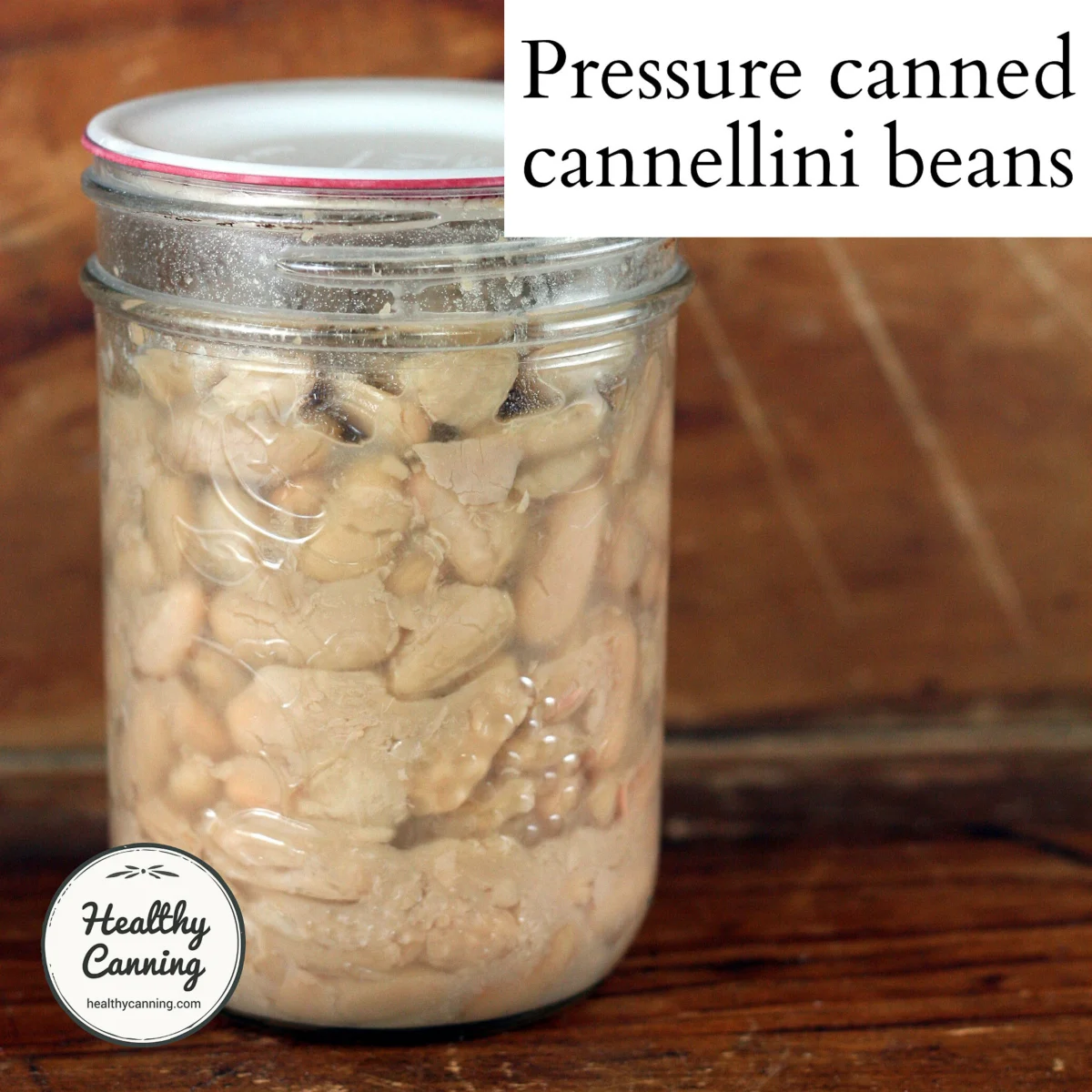

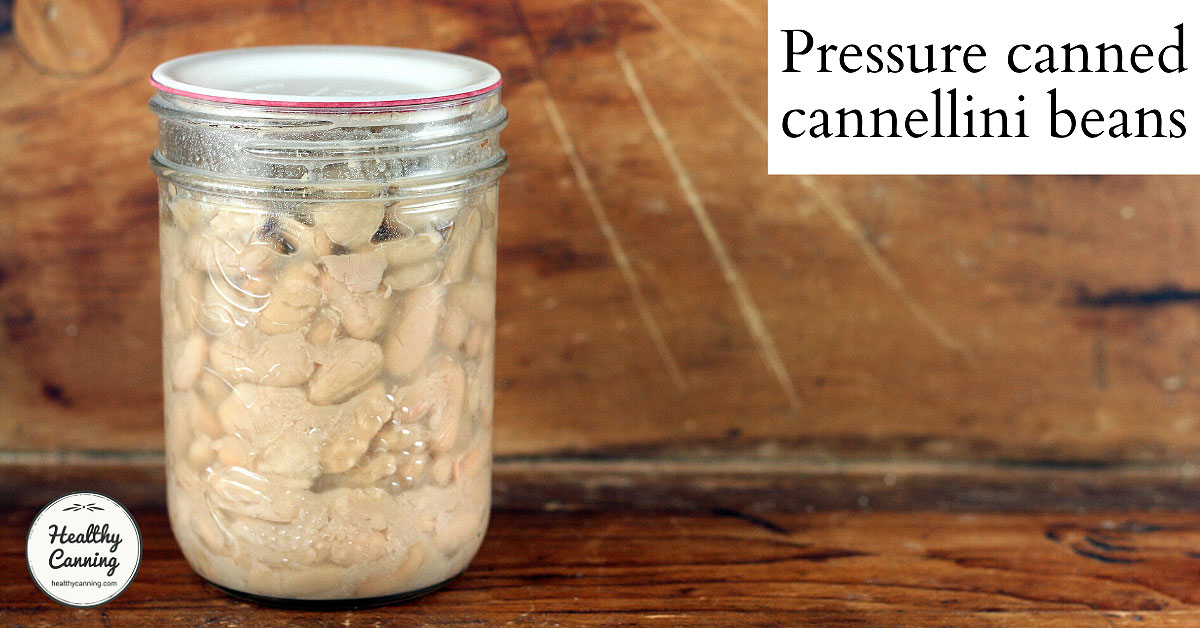
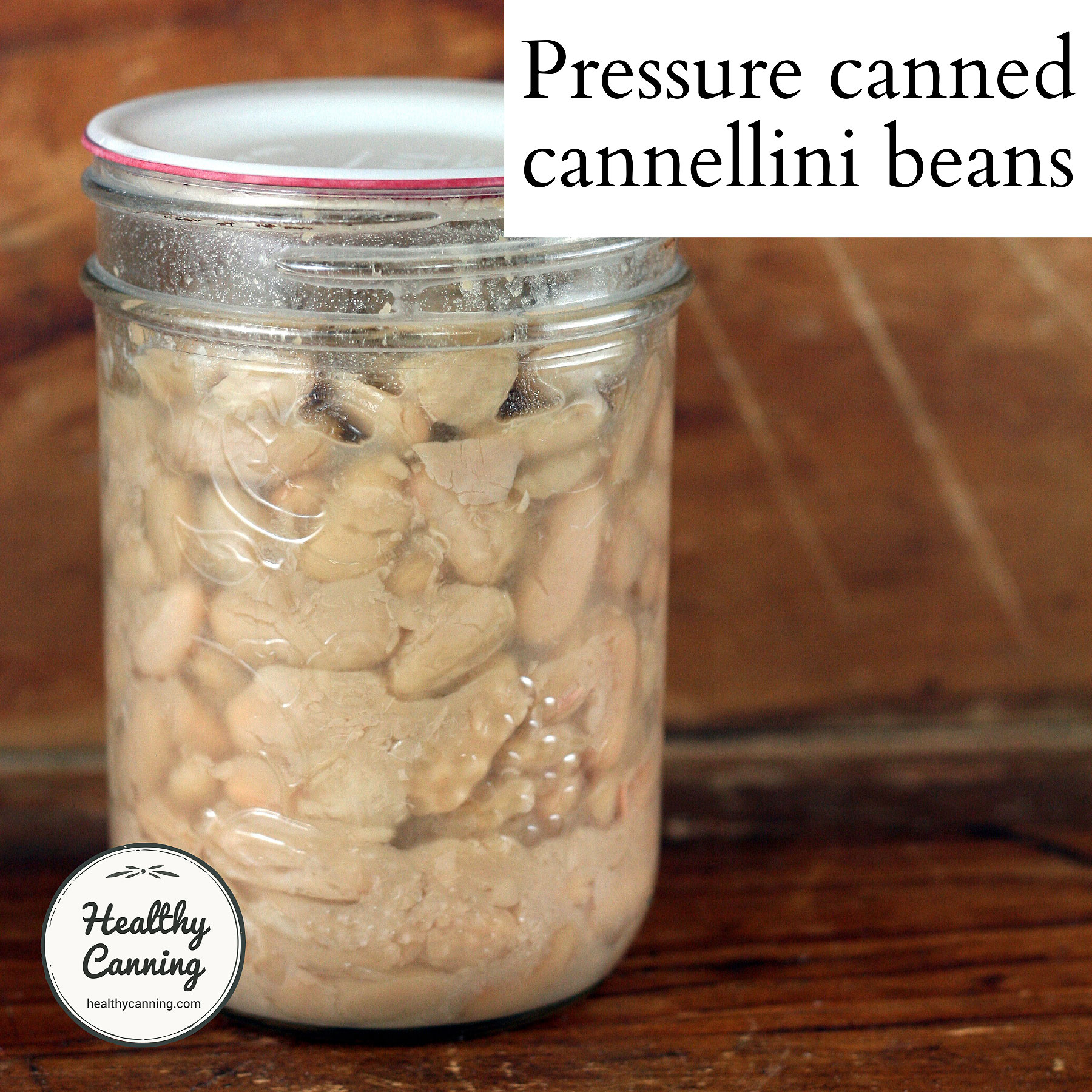
The preservation of legumes at home has long stood as a cornerstone of sustainable domestic kitchen management, offering culinary enthusiasts an economical and reliable method to stockpile shelf-stable pantry staples. Among the various pulses suited for this preservation technique, cannellini beans—widely recognized as white kidney beans—occupy a unique place due to their creamy texture and versatile flavor profile. Utilizing guidelines established by the United States Department of Agriculture (USDA) in its definitive Complete Guide to Home Canning, home cooks can safely process dry cannellini beans for long-term storage, provided they employ the correct pressure canning equipment and adhere strictly to established processing times and safety parameters.
Understanding the Science and Limitations of Home-Canned Cannellini Beans
When embarking on the process of home-canning dry beans, culinary practitioners must account for the physical transformations that occur during high-temperature pressure processing. Cannellini beans, by virtue of their starch structure and cellular composition, emerge from the pressure canner with a notably soft consistency. Consequently, culinary experts advise against utilizing home-canned cannellini beans in preparations that require the legumes to retain their structural integrity, such as cold bean salads or Mediterranean grain bowls where distinct bean shapes are visually and texturally desirable.
Instead, the exceptionally tender nature of these home-preserved white kidney beans makes them prime candidates for incorporation into blended dishes. They excel when folded into hearty winter soups, pureed into savory bean patés, or whipped into rich garlic and herb spreads. Furthermore, home-canning allows cooks to control the sodium content of their food completely, offering a stark advantage over commercially produced canned goods that frequently rely on high levels of sodium for flavor enhancement and preservation.
Nutritional Profile and Dietary Benefits
From a nutritional standpoint, home-canned cannellini beans retain an impressive array of macronutrients and micronutrients that contribute to a balanced diet. According to nutritional data verified through standard dietary databases, a standard half-cup serving (approximately 130 grams) of plain, salt-free pressure-canned cannellini beans delivers roughly 100 calories. This serving size provides approximately 17 grams of complex carbohydrates, 6 grams of plant-based protein, and just 1 gram of total fat.
Dietary fiber is another significant component, with a single serving supplying nearly 5 grams of fiber, supporting digestive health and promoting prolonged satiety. Mineral content is equally robust, offering notable amounts of potassium (approximately 250 milligrams), calcium (40 milligrams), and iron (1.8 milligrams), while maintaining negligible levels of naturally occurring sugars and sodium. This dense nutritional profile underscores the value of maintaining a supply of home-preserved legumes for everyday meal preparation.
Required Equipment and Preparation Parameters
Safely preserving low-acid foods such as beans mandates the use of a pressure canner rather than a boiling water bath. Low-acid environments create ideal conditions for the proliferation of Clostridium botulinum spores, a bacterium capable of producing deadly toxins if not neutralized by the sustained high temperatures—typically 240°F (116°C) or higher—achieved exclusively inside a properly operated pressure canner.
When preparing to can cannellini beans, operators must select appropriate jar sizes, which include quarter-litre (half-US pint), half-litre (one US pint), or full-litre (one US quart) containers. The preparation sequence requires meticulous attention to detail, starting with the sorting and washing of the dried beans, followed by a mandatory soaking period to rehydrate the pulses before processing.
Step-by-Step Processing Specifications
Once the beans have been adequately prepared and loaded into clean canning jars along with fresh boiling water or cooking liquid, leaving a precise 3-centimeter (1-inch) headspace, the jars must be sealed with two-piece metal lids according to manufacturer specifications. The processing parameters vary slightly depending on the size of the jars being utilized, but the internal pressure and temperature requirements remain uncompromising.
For weighted-gauge pressure canners operating at elevations between 0 and 300 meters (0 to 1,000 feet) above sea level, the standard processing pressure is 10 pounds per square inch (psi), which corresponds to 69 kilopascals (kPa). For dial-gauge pressure canners in the same altitude bracket, the required pressure is set at 11 psi (76 kPa). Processing times are dictated strictly by jar capacity: quarter-litre and half-litre jars require a processing duration of 75 minutes, while larger 1-litre jars demand a full 90 minutes of continuous pressure processing.
Altitude Adjustments and Safety Protocols
Failure to account for changes in atmospheric pressure at varying elevations is one of the most common errors committed in home food preservation. As altitude increases, atmospheric pressure decreases, meaning water boils at lower temperatures and pressure canners require higher gauge settings to reach the necessary internal sterilization temperatures.
Operators residing at elevations above 300 meters (1,000 feet) must make mandatory upward adjustments to their processing pressures. For weighted-gauge canners operating above this threshold, the pressure must be increased to 15 lbs to compensate for the altitude. Similarly, operators using dial-gauge canners must consult standardized altitude adjustment charts to determine the exact psi required for their specific geographic location. Neglecting these adjustments can result in under-processing, leaving the preserved food vulnerable to microbial survival and subsequent spoilage.
Historical Context and Regulatory Guidance
The science of home pressure canning has evolved significantly over the past century, moving from empirical kitchen practices to rigorously tested, scientifically validated protocols. The primary authority governing these standards in the United States is the USDA, in collaboration with the National Center for Home Food Preservation (NCHFP). The procedures outlined for shelling and canning dry beans of all varieties—including cannellini, navy, pinto, and black beans—are published in the comprehensive Agriculture Information Bulletin No. 539, titled the Complete Guide to Home Canning.
Food safety specialists and Master Food Preservers continually emphasize that home canners must refrain from modifying USDA-approved processing times, jar sizes, or preparation methods. Altering ratios, adding unauthorized thickeners, or reducing processing times can compromise the heat penetration dynamics required to destroy heat-resistant bacterial spores safely.
Community Resources and Consumer Support
Recognizing the technical precision required for safe home food preservation, agricultural extension offices and extension-backed volunteer networks provide extensive educational resources to the public. Master Food Preserver help groups operate across numerous jurisdictions, offering timely guidance, equipment testing services—such as dial-gauge calibration—and seasonal telephone hotlines to assist novice and experienced canners alike.
Experts strongly encourage individuals seeking immediate troubleshooting assistance during the canning season to consult these certified local extension agents or master preservers rather than relying on unverified online forums or anecdotal advice. Through adherence to standardized scientific guidelines, rigorous equipment maintenance, and careful attention to altitude and processing times, home cooks can successfully harness the benefits of pressure canning to secure a safe, nutritious, and economically advantageous pantry supply of cannellini beans for their households.