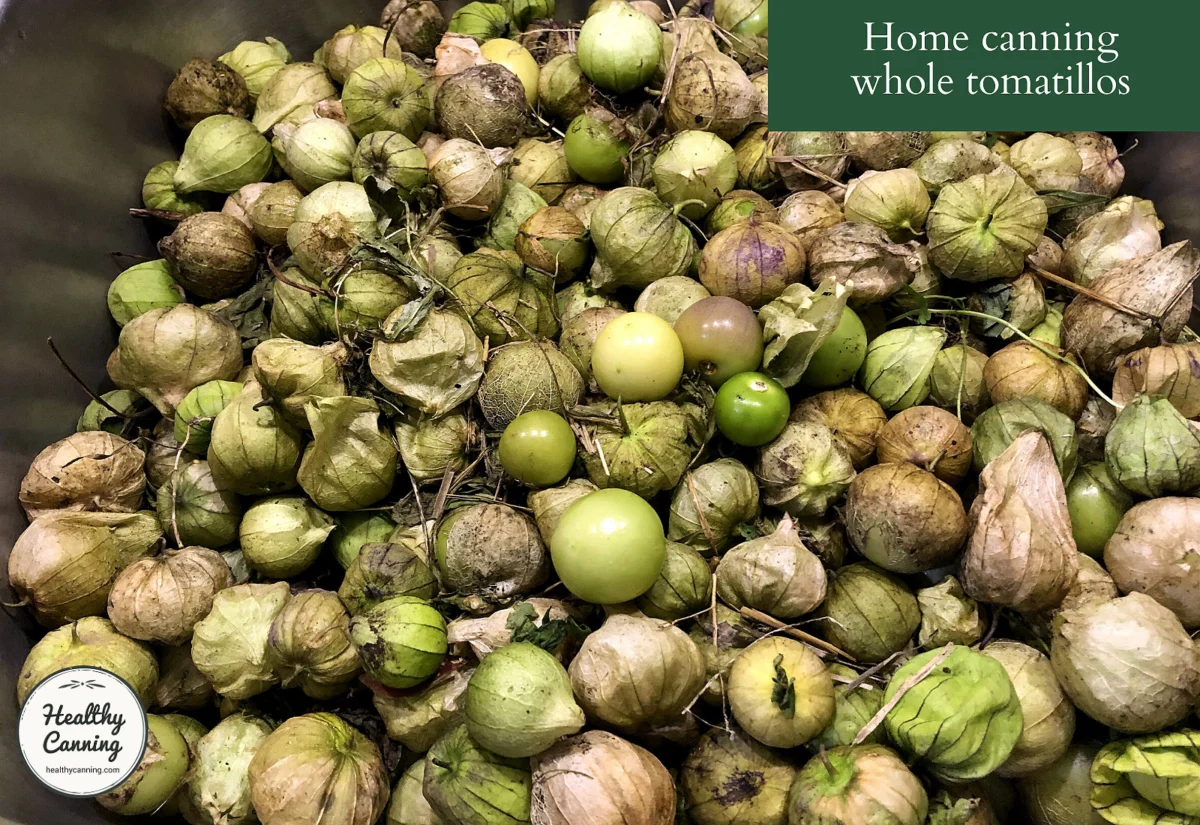

Home food preservation enthusiasts and culinary gardeners are increasingly turning their attention toward preserving the vibrant, tart flavor of fresh tomatillos for year-round consumption. Following the official United States Department of Agriculture (USDA) procedures ensures that home canners can safely stock their pantries with whole, plain tomatillos. Unlike traditional red processing tomatoes, which generally require a laborious peeling step before packaging, tomatillos bypass this requirement entirely, streamlining the preservation workflow for home cooks during the late-summer harvest peak.
Understanding Yields and Fresh Produce Requirements

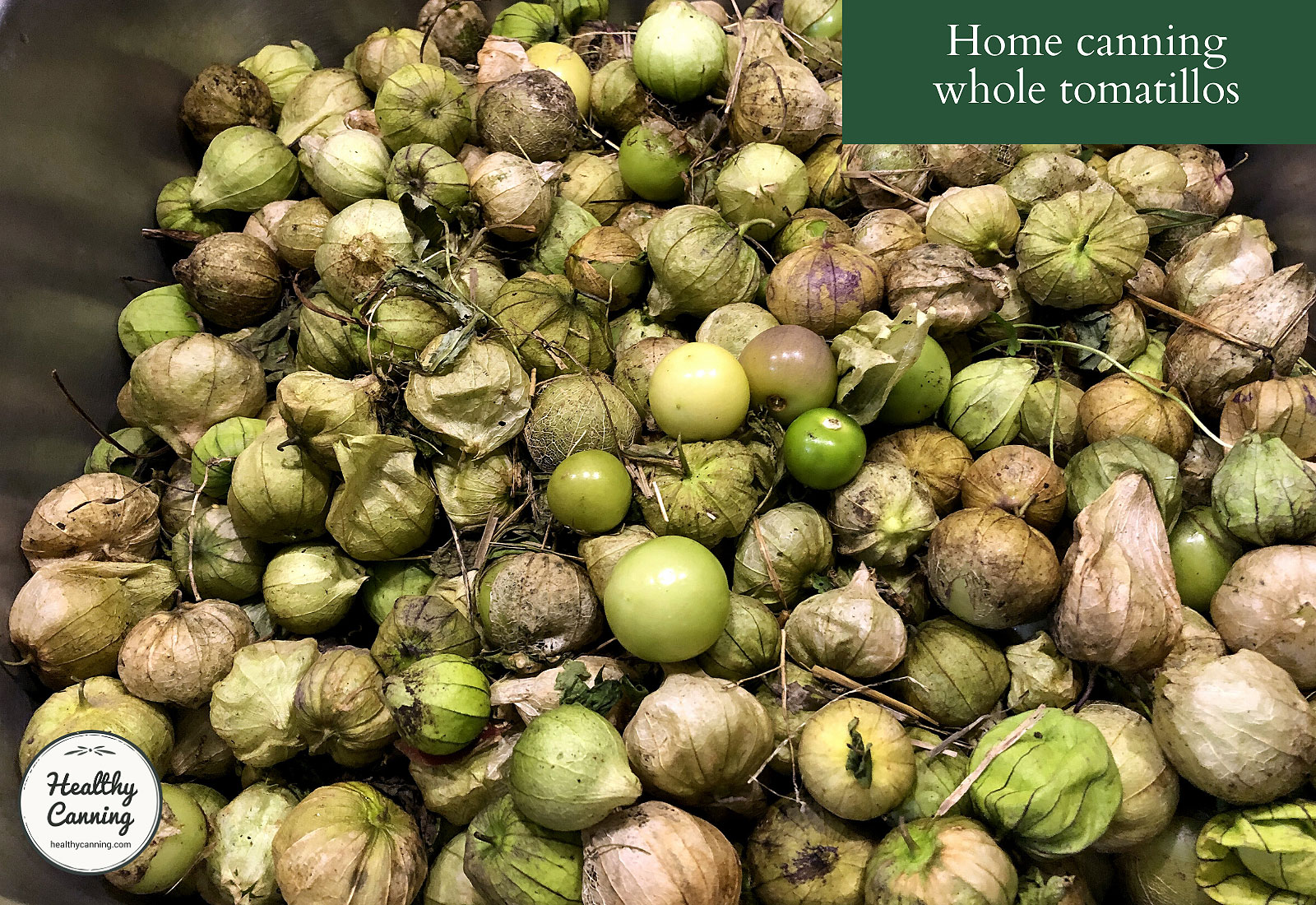
Successful home canning begins with acquiring the correct quantities of raw produce. While agricultural yields and natural variations mean results will always fluctuate, a reliable rule of thumb for fresh tomatillos is to secure approximately one kilogram of produce for every one-litre jar—or roughly two pounds per US quart jar.
When preparing for a canning session, home preservers must account for significant prep time, typically estimating an hour and a half for washing, husking, and initial preparation, followed by the active cooking and processing phases. Tomatillos boast a naturally high level of acidity, often measuring even lower in pH than green tomatoes. According to USDA data compiled by the Center for Food Safety and Applied Nutrition, tomatillos hold an approximate pH value of 3.83. This inherent acidity makes them an ideal candidate for safe canning, provided standard safety protocols regarding added acidifiers are strictly followed.
Step-by-Step Processing Options: Water Bath, Steam, and Pressure Canning
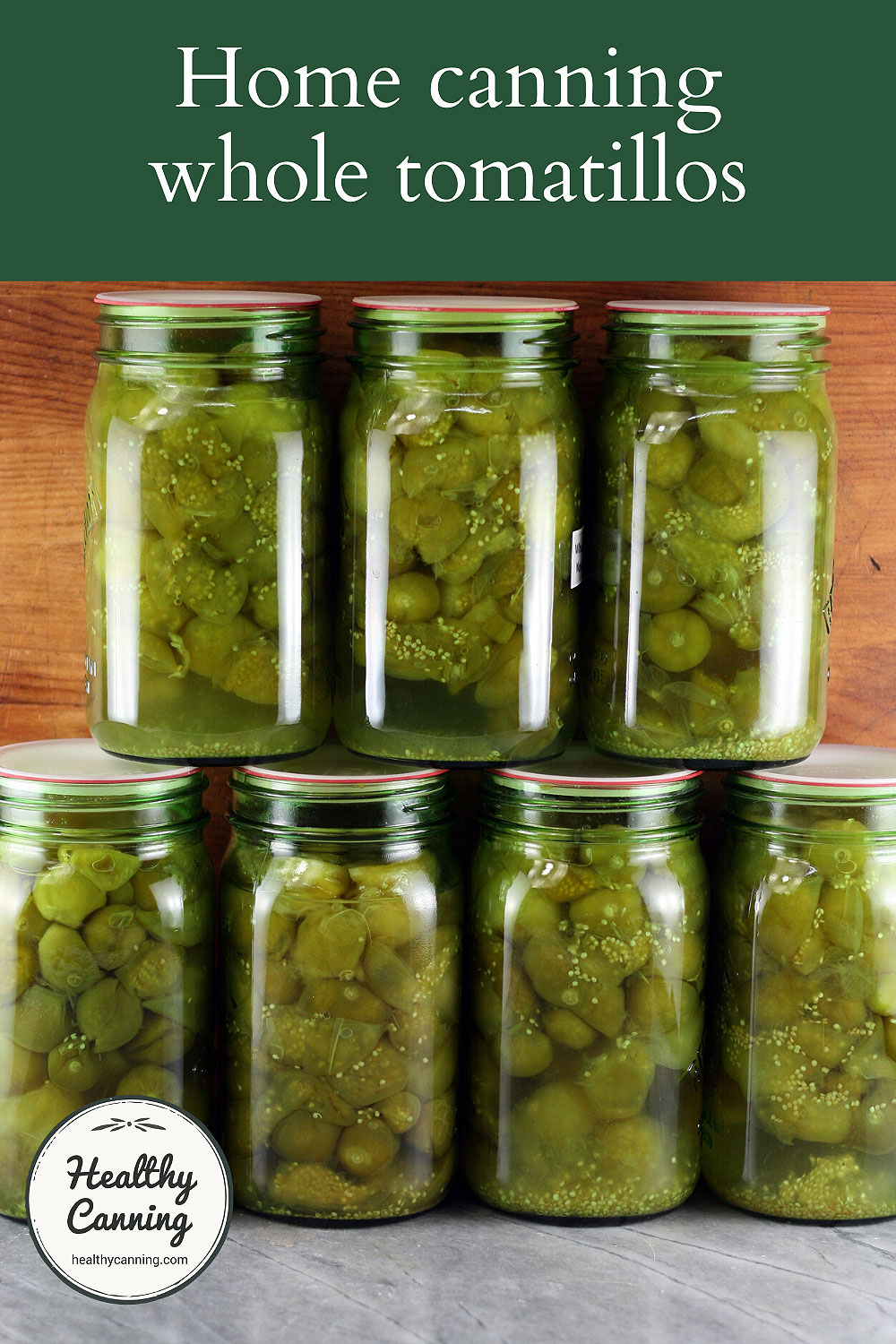
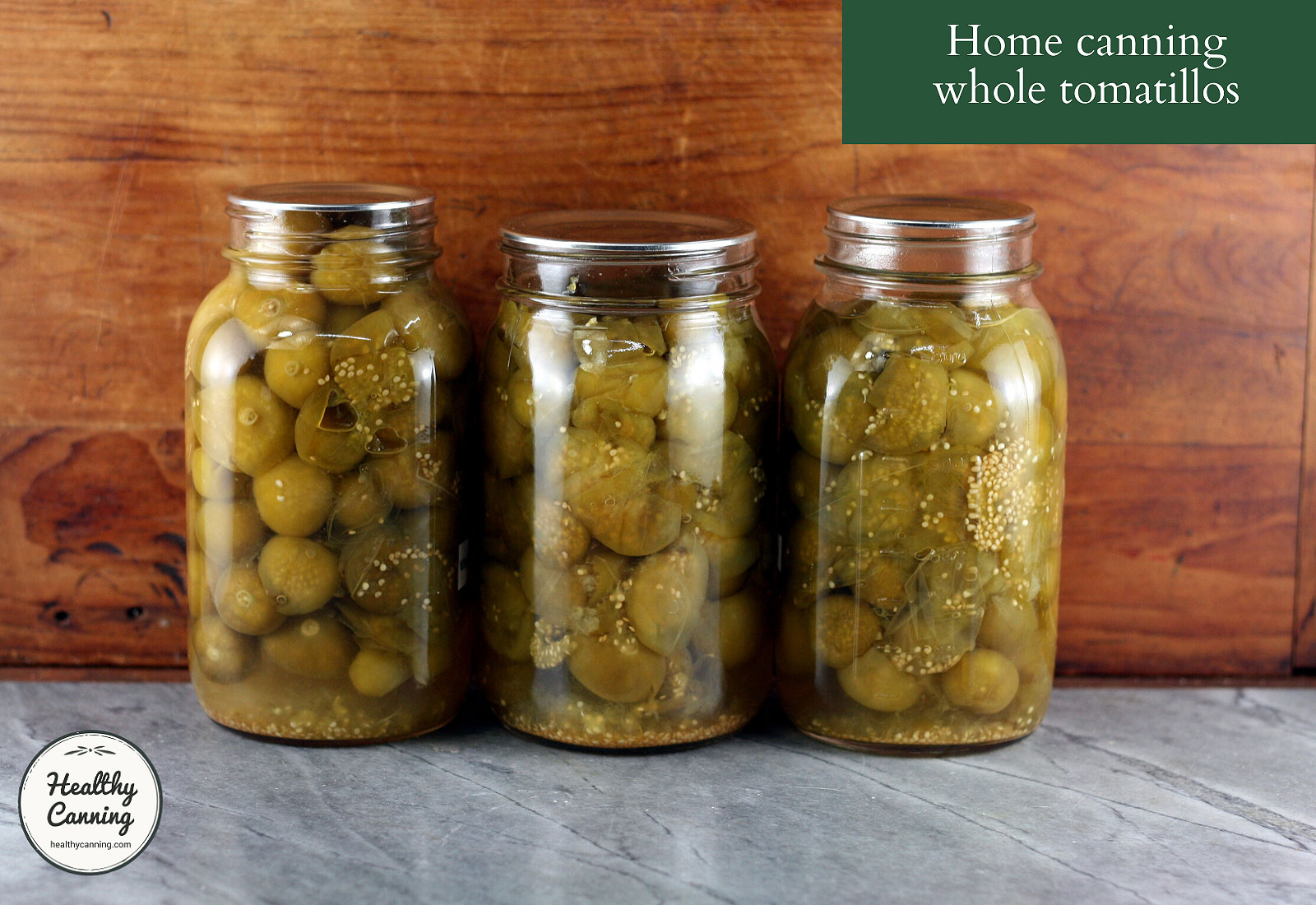
The USDA outlines multiple approved methodologies for canning whole tomatillos, giving preservers flexibility based on their available equipment. Approved jar sizes include either half-litre (one US pint) or one-litre (one US quart) containers, maintaining a mandatory two-centimeter (half-inch) headspace.
For water bath or steam canning, processing times are standardized based on jar dimensions. Half-litre (pint) jars require 40 minutes of processing, while one-litre (quart) jars require 45 minutes. Steam-canning serves as a viable and energy-efficient alternative, utilizing standard water-bath processing times. However, food safety experts caution that steam canning cannot be utilized if the required processing time at a specific altitude exceeds 45 minutes, as smaller steam canner models risk running completely dry during extended processing.
Alternatively, the USDA provides formal guidelines for pressure canning whole tomatillos to reduce total processing time. Utilizing weighted-gauge systems, preservers at elevations between zero and 300 meters (zero to 1,000 feet) can process half-litre or one-litre jars for 15 minutes at five pounds of pressure, 10 minutes at 10 pounds of pressure, or just one minute at 15 pounds of pressure. For elevations above 300 meters, required pressures shift to 10 pounds, 15 pounds, and not recommended, respectively.

Crucial Food Safety Mandates: Acidity and Seasoning
A common misconception among home canners is that pressure canning alone neutralizes all safety risks in acidic produce. Food safety authorities emphasize that utilizing one of the approved acid ingredient options—such as bottled lemon or lime juice—remains strictly mandatory even when employing pressure canning methods. The pressure process was engineered solely to reduce processing time, not to replace the essential acidification required to prevent microbial growth.
Regarding flavor profiles, lime juice offers a traditional complement to the naturally tart taste of tomatillos. Because lime juice carries a much more distinct profile than lemon juice, culinary experts advise using it only when the consumer is certain they want that specific flavor in their finished dishes. Conversely, skipping the acidification step entirely compromises the safety of the preserved goods.
Salt, on the other hand, is entirely optional in the USDA procedure. Included purely as a seasoning agent, salt contributes nothing to the shelf-stability or safety of the canned product. Preservers seeking lower sodium alternatives can successfully substitute sodium-free seasoning blends like Herbamare without causing cloudiness or altering the liquid balance. Alternatively, omitting salt entirely provides maximum culinary flexibility when opening the jars for future recipes.
Altitude Adjustments and Essential Reference Protocols
Regardless of the thermal processing method selected, food safety regulations dictate that home canners must adjust their processing pressure or time to account for local altitude. Failing to compensate for atmospheric pressure changes at higher elevations can lead to under-processing and subsequent food spoilage. Comprehensive step-by-step guides for water bath, steam, and pressure canning—alongside precise altitude adjustment charts—are maintained by agricultural extension offices and federal food preservation resources. Properly processed and sealed jars stored in a cool, dark environment typically maintain optimal quality for up to a year or more.
Culinary Applications for Home-Canned Tomatillos
Canned whole tomatillos offer immense versatility in the kitchen, though their texture and state require adjustments compared to fresh fruit. Because the high-heat canning process cooks the tomatillos thoroughly, they are ideally suited for cooked rather than fresh preparations.
Renowned culinary authorities have long championed the convenience of preserved tomatillos. Food writer Martha Shulman noted in the New York Times that an 11-ounce can of tomatillos can seamlessly substitute for one pound of fresh fruit in standard recipes. Because canned varieties have already been simmered until softened, home cooks can bypass the initial simmering or broiling steps typically required when starting with fresh produce. Simply draining the canned tomatillos allows them to be blended directly into cooked salsas, incorporated into hot sauces like jalapeño blends, or simmered into rich sauces for enchiladas and stews.
Furthermore, culinary reference guides such as The Joy of Cooking highlight that canned tomatillos make an exceptional condiment when served alongside grilled meats and poultry, and pair particularly well with grilled fish and shellfish. By adhering strictly to USDA preparation guidelines, home gardeners and cooking enthusiasts can successfully capture the bright, acidic essence of the autumn harvest for enjoyment throughout the entire year.