
The intersection of food and science has long captured the imagination of both professional chefs and home cooks, yet the formal cataloging of culinary physics and chemistry experienced a notable hiatus in certain digital spaces. Following a prolonged publishing and review break that spanned nearly a decade since the last curated book recommendations in 2013, culinary science enthusiasts have been treated to a renaissance of literature exploring the molecular, chemical, and physical underpinnings of cooking. The year 2020, in particular, yielded a bumper crop of titles that bridge the gap between rigorous scientific inquiry and practical kitchen application, reflecting a broader cultural shift toward empirical, data-driven approaches to everyday meals.
The Evolution of Culinary Science: A Historical Context
To understand the significance of the 2020 publishing wave, one must examine the trajectory of molecular gastronomy and food science communication. For decades, the kitchen was viewed primarily as a domain of tradition, intuition, and sensory art. Recipes were passed down through generations largely unchanged, relying on qualitative descriptions rather than quantitative metrics.
However, the late 20th and early 21st centuries saw a paradigm shift. Pioneers like Harold McGee fundamentally altered the landscape with landmark publications that demystified the chemical transformations occurring during food preparation. McGee’s seminal work, On Food and Cooking: The Science and Lore of the Kitchen, served as the foundational text for a generation of curious cooks and scientists alike. It demonstrated that boiling an egg, searing a steak, or baking bread were not merely culinary traditions, but complex chemical reactions involving proteins, lipids, and carbohydrates.
As academic institutions began offering formalized courses in the physics and chemistry of food—most notably Harvard University’s pioneering "Science and Cooking" undergraduate course—the demand for accessible, scientifically grounded literature surged. The subsequent decade saw the popularization of modernist cuisine, flavor-pairing algorithms, and regional scientific adaptations, culminating in the rich catalog of literature released in 2020.
Key Releases of 2020: Bridging Theory and Practice
The 2020 publishing calendar featured several standout titles that approached the science of food from diverse angles, ranging from sensory perception and flavor chemistry to pedagogical workbooks for children and deep dives into regional cuisines.
Flavor Dynamics and Accessible Chemistry
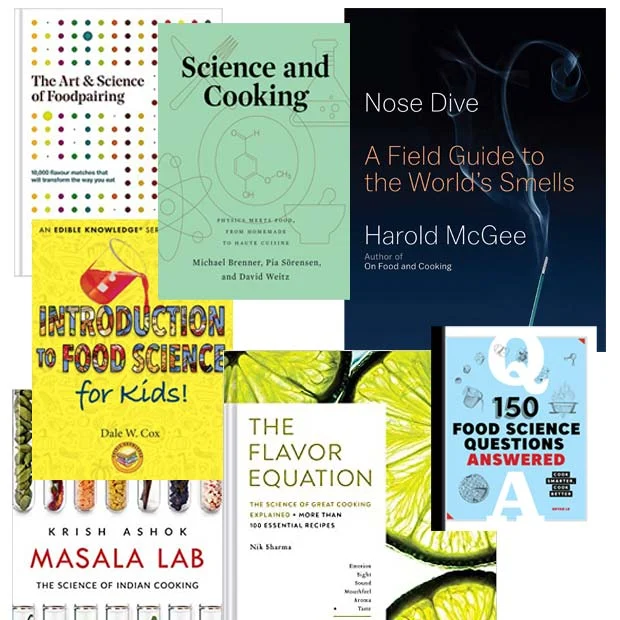
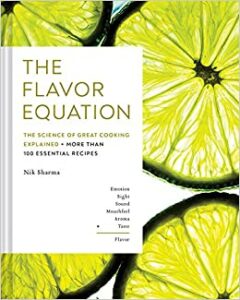
Among the most celebrated releases of the year was The Flavor Equation by Nik Sharma. Spanning 352 pages, the book integrates approximately 100 recipes with empirical science through a recurring feature titled "The Flavor Approach." By breaking down the physiological and chemical mechanisms of taste and smell, Sharma provides home cooks with the tools to manipulate flavor profiles intentionally rather than by rote adherence to recipes. Notably, the inclusion of metric units has been widely praised by international culinary practitioners seeking precision in baking and cooking.
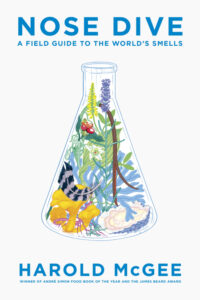
Expanding further into the realm of human sensory perception, Harold McGee returned with a monumental 688-page work titled Nose Dive: A Field Guide to the World’s Smells. Eschewing a strict focus on cooked food, McGee explores the volatile molecules responsible for aromas across the natural world. While the text introduces readers to complex chemical nomenclature, it remains accessible to laypersons, cementing McGee’s reputation as the preeminent translator of chemical science for the kitchen.
Academic Rigor Meets Haute Cuisine
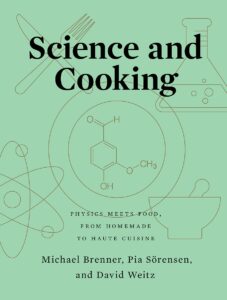
The academic sector made a profound contribution to the 2020 literary landscape with Science and Cooking: Physics Meets Food, From Homemade to Haute Cuisine, authored by Harvard professors Michael Brenner, Pia Sørensen, and David Weitz. Drawing from a decade of classroom experience in their renowned undergraduate course—portions of which have reached global audiences via open-access video lectures—the authors unite perspectives from applied mathematics, physics, and chemistry. Featuring contributions from world-class chefs and researchers, the book pairs high-level scientific principles with actionable recipes, complete with standardized metric measurements.
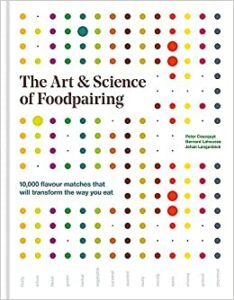
In a parallel exploration of molecular synergy, The Art and Science of Foodpairing by Peter Coucquyt, Bernard Lahousse, and Johan Langenbick delves into the controversial yet influential domain of flavor pairing. Rooted in the computational work of the pioneering company Foodpairing, the 388-page volume analyzes the chemical compounds shared by disparate ingredients to generate unconventional flavor combinations. While purists have occasionally debated the validity of algorithmic pairing, the book successfully demonstrates how data analytics can inspire creativity within professional and domestic kitchens.
Regional Adaptations and Foundational Q&As
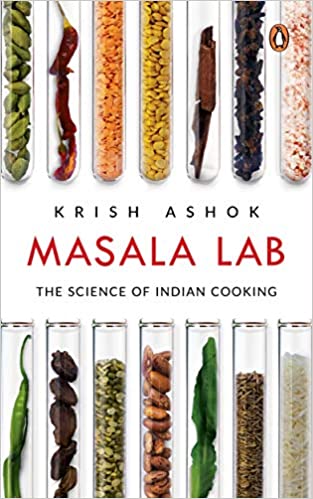
Perhaps one of the most encouraging developments in recent culinary literature is the democratization of food science across diverse cultural traditions. Masala Lab by Krish Ashok, a 280-page exploration of Indian regional cooking through an empirical lens, exemplifies this trend. Written by an engineer with a passion for gastronomy, the book applies thermodynamic and chemical principles to traditional Indian techniques, challenging dogmatic culinary rules in favor of evidence-based methods.
For novices seeking entry points into the discipline, Bryan Le’s 150 Food Science Questions Answered: Cook Smarter, Cook Better offers a structured, Q&A-driven format. Divided into chapters covering kitchen fundamentals, flavor theory, ingredient categories, and food safety, the book functions as an accessible reference manual for modern cooks.
Finally, the inclusion of youth-targeted literature, such as Dale W Cox’s Introduction to Food Science for Kids!: A Kitchen-Based Workbook, highlights a growing recognition that early scientific literacy can be effectively fostered through domestic experimentation. By utilizing the kitchen as a laboratory, educators and parents can introduce fundamental physical and chemical concepts to younger generations.
Analytical Implications for the Culinary Industry
The proliferation of scientifically informed cookbooks carries significant implications for both publishing and the culinary arts. From an economic perspective, the demand for high-utility, educational cookbooks signals a consumer base that values longevity, skill acquisition, and intellectual engagement over transient food trends. Publishers responding to this demand are increasingly collaborating with cross-disciplinary authors—engineers, physicists, and academic researchers—who bring fresh methodologies to culinary writing.
Furthermore, the mainstream adoption of metric standards, chemical literacy, and precise thermal control in home kitchens reflects a broader cultural alignment with STEM (Science, Technology, Engineering, and Mathematics) education. When home cooks understand the denaturation of proteins or the Maillard reaction, their reliance on rigid recipes diminishes, leading to reduced food waste, greater culinary adaptability, and enhanced appreciation for culinary biodiversity across cultures.
Conclusion
The resurgence of critical discourse and book curation within digital culinary spaces underscores a lasting transformation in how humanity approaches nourishment. As evidenced by the stellar lineup of publications from 2020 and the preceding years, the boundary between the chemistry laboratory and the home kitchen has effectively dissolved. Armed with literature that combines rigorous scientific inquiry with accessible artistry, contemporary cooks are better equipped than ever to understand, manipulate, and elevate the fundamental elements of food.