
In a triumphant display of brewing precision and craft dedication, Craig Martin of Louisville, Kentucky, has captured the gold medal in Category 13: Amber and Brown American Ale at the final round of the 2026 National Homebrew Competition. Representing the Louisville Area Grain and Extract Research Society (LAGERS), Martin triumphed over a fiercely competitive field of 103 exceptionally crafted entries, cementing his recipe among the finest amateur brews in the world.
The announcement, which marks a significant milestone for the regional Kentucky brewing community, highlights the growing technical sophistication and rising standards within the American homebrewing landscape. The National Homebrew Competition, organized annually by the American Homebrewers Association (AHA), represents the pinnacle of amateur brewing achievement, drawing thousands of entries from across the globe through a rigorous, multi-tiered evaluation process.
The Journey to the Podium: Chronology of the 2026 Competition
The path to a National Homebrew Competition gold medal is neither short nor simple. It requires meticulous planning, precise execution, and survival through a stringent series of judging panels designed to separate exceptional beer from standard homebrews.
The competition typically begins months prior to the final round, with regional first-round contests held across various designated zones in the United States. Entrants submit their meticulously bottled or kegged creations to be evaluated by teams of certified judges from the Beer Judge Certification Program (BJCP). These judges score entries based on aroma, appearance, flavor, mouthfeel, and overall impression, strictly adhering to established style guidelines.
For Martin and his entry in Category 13, which encompasses the diverse and demanding spectrum of Amber and Brown American Ales, the journey required navigating both regional preliminaries and the ultimate national final round. In Category 13 alone, 103 brewers vied for supremacy, presenting ales characterized by balanced malt complexity, supportive hop bitterness, and clean fermentation profiles. When the final scores were tallied at the conclusion of the 2026 National Homebrew Competition Final Round, Martin’s brew emerged as the undisputed standard-bearer of the category, earning the coveted gold medal.
The Significance of Category 13: Amber and Brown American Ales
Understanding the magnitude of Martin’s victory requires a closer examination of the style itself. Category 13: Amber and Brown American Ale covers beers that bridge the gap between pale ales and darker porters and stouts, demanding a delicate equilibrium from the brewer.
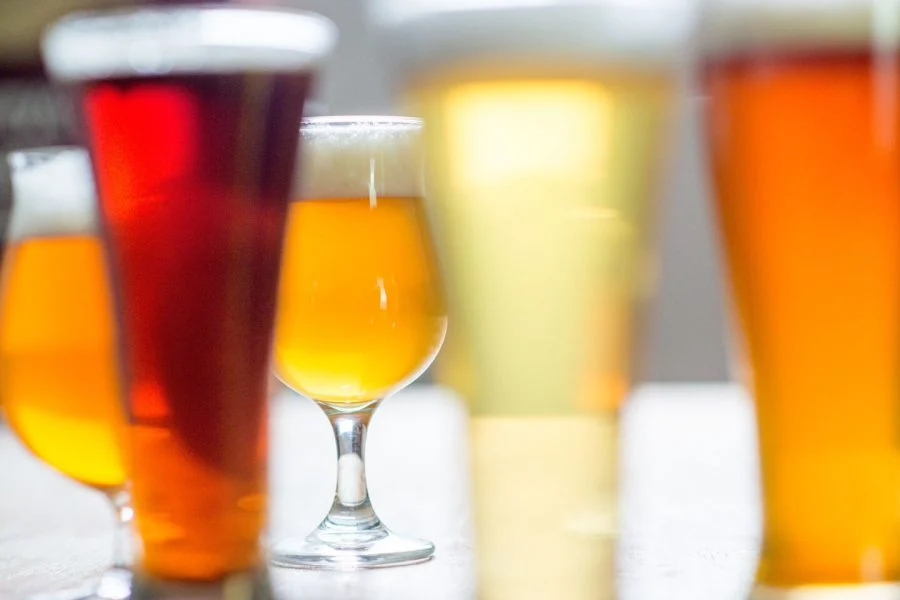
American Amber Ales typically feature a moderate to strong caramel and toasted malt character, balanced by a distinct American hop presence that provides piney, citrusy, or floral notes. Meanwhile, American Brown Ales lean slightly more toward chocolate, caramel, and nutty attributes, yet retain enough hop bitterness to prevent the beer from becoming cloying.
Brewing a winning example within this category demands absolute mastery over water chemistry, mash temperatures, and yeast health. Even minor flaws—such as diacetyl off-flavors, excessive oxidation, or harsh hop astringency—are easily detectable in a style that relies so heavily on malt-hop harmony. By outscoring 103 peers in this technical arena, Martin demonstrated an advanced understanding of brewing science and recipe formulation.
Background and Context: The National Homebrew Competition
Established decades ago, the National Homebrew Competition has grown from a modest gathering of enthusiast hobbyists into the largest amateur beer competition in the world. Administered by the American Homebrewers Association, the event serves as both a celebration of DIY culinary arts and an incubator for professional craft brewing talent.
Historically, many of the most successful craft breweries operating today trace their origins back to the National Homebrew Competition. Amateurs who hone their craft in home kitchens, garages, and basements frequently use the competition as a testing ground for recipes that eventually scale up to commercial production systems.

The AHA, through its ongoing initiatives, provides members with access to vast educational resources, technical literature, and repositories of medal-winning recipes. Events like the National Homebrew Competition validate these educational resources, proving that dedication to the craft yields tangible, world-class results. Organizations like LAGERS—the Louisville-based club to which Martin belongs—play an instrumental role in this ecosystem by fostering peer review, collaborative brewing sessions, and a shared passion for culinary excellence.
Local and Regional Impact: LAGERS and Louisville’s Craft Scene
Craig Martin’s victory is not merely a personal triumph; it is a momentous occasion for the Louisville Area Grain and Extract Research Society (LAGERS) and the broader Kentucky craft beverage community.
Regional homebrewing clubs function as vital community hubs where members exchange troubleshooting advice, share equipment, and conduct blind tastings to refine their recipes. Clubs like LAGERS cultivate an environment of rigorous constructive criticism, pushing members to elevate their technical execution far beyond basic kit-and-kinin brewing.
When a club member secures a national gold medal against more than a hundred competitors, it validates the collective knowledge-sharing and collaborative culture fostered within the organization. Regional craft beer enthusiasts and local commercial brewers alike often look to homebrewing clubs as barometers of upcoming flavor trends and technical innovations. Martin’s gold medal places Louisville firmly on the map as a recognized epicenter of amateur brewing talent.
Economic and Industry Implications: From Homebrew to Commercial Innovation
While homebrewing remains primarily a passionate hobby for millions of practitioners worldwide, its symbiotic relationship with the commercial craft brewing industry cannot be overstated.
Major commercial breweries frequently monitor the results of competitions like the National Homebrew Competition to identify emerging style interpretations and talented recipe developers. Furthermore, many professional head brewers, founders, and head cellar workers began their careers by submitting entries to AHA-sanctioned events.
The technical precision required to win a gold medal in a competitive category like Amber and Brown American Ale translates directly into commercial viability. Brewers who can consistently produce fault-free, structurally sound beers on a home scale possess the foundational skills necessary to manage commercial fermenters, design scalable grain bills, and maintain strict quality control standards.
As the craft beer market continues to mature and consumer palates become increasingly discerning, the demand for innovative yet impeccably executed styles remains high. Competitions like the 2026 National Homebrew Competition ensure that the pipeline of talent remains robust, injecting fresh ideas and passionate practitioners into the broader beverage industry.
Looking Forward: The Legacy of the 2026 Competition
As the dust settles on the 2026 National Homebrew Competition Final Round, the recipes and triumphs of this year’s medalists will be archived and studied by aspiring brewers around the globe. For Craig Martin, the gold medal serves as a permanent testament to countless hours spent perfecting mash schedules, monitoring fermentation temperatures, and refining ingredient ratios.
For the Louisville Area Grain and Extract Research Society, the victory provides inspiration for current and future members as they prepare for upcoming regional and national events. And for the American Homebrewers Association, the competition once again underscores the vitality, creativity, and technical prowess of the global homebrewing community.
As enthusiasts look ahead to future competitions, Martin’s success in Category 13 stands as a benchmark of excellence—a reminder that with patience, dedication, and scientific precision, the art of homebrewing can achieve world-class perfection.