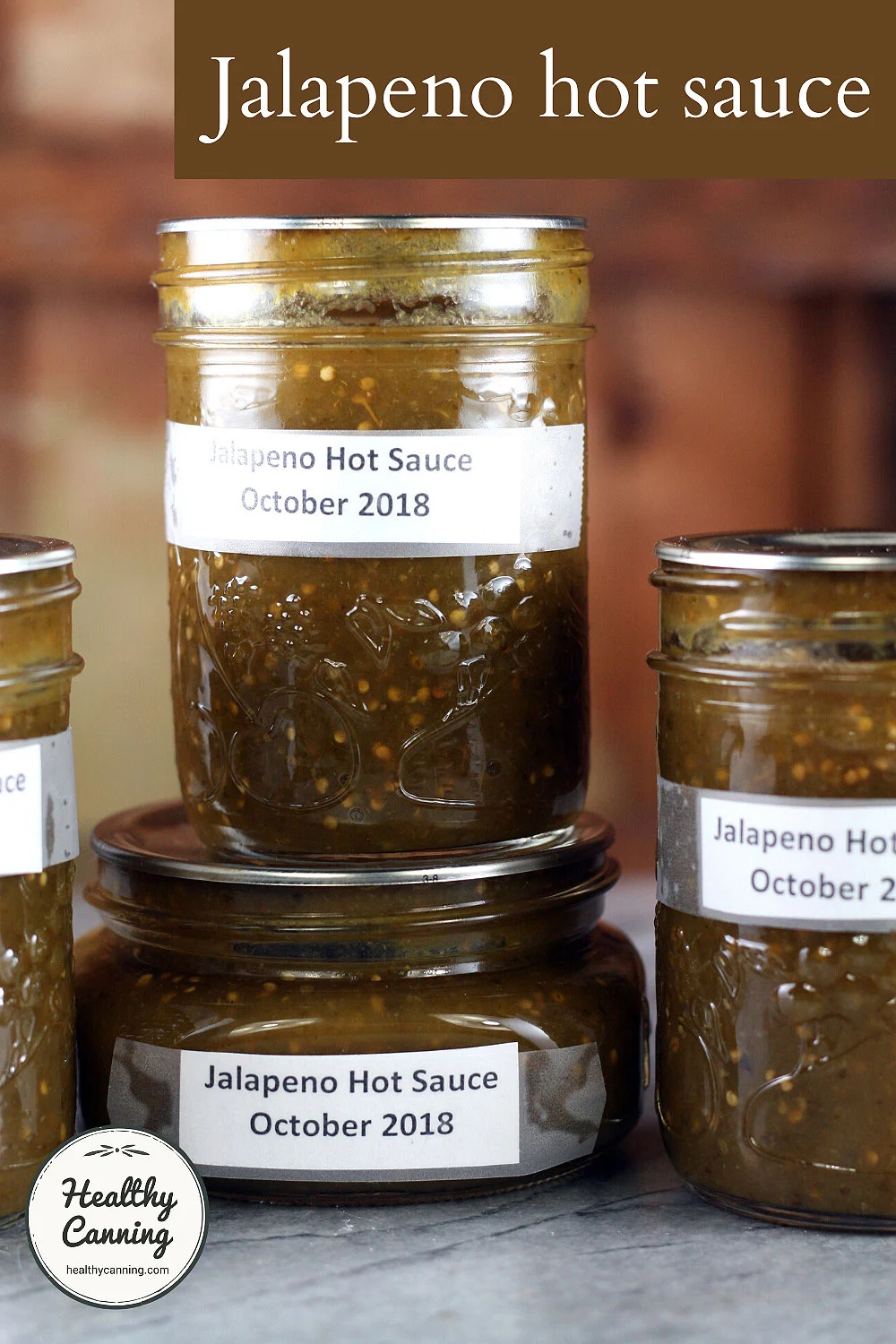

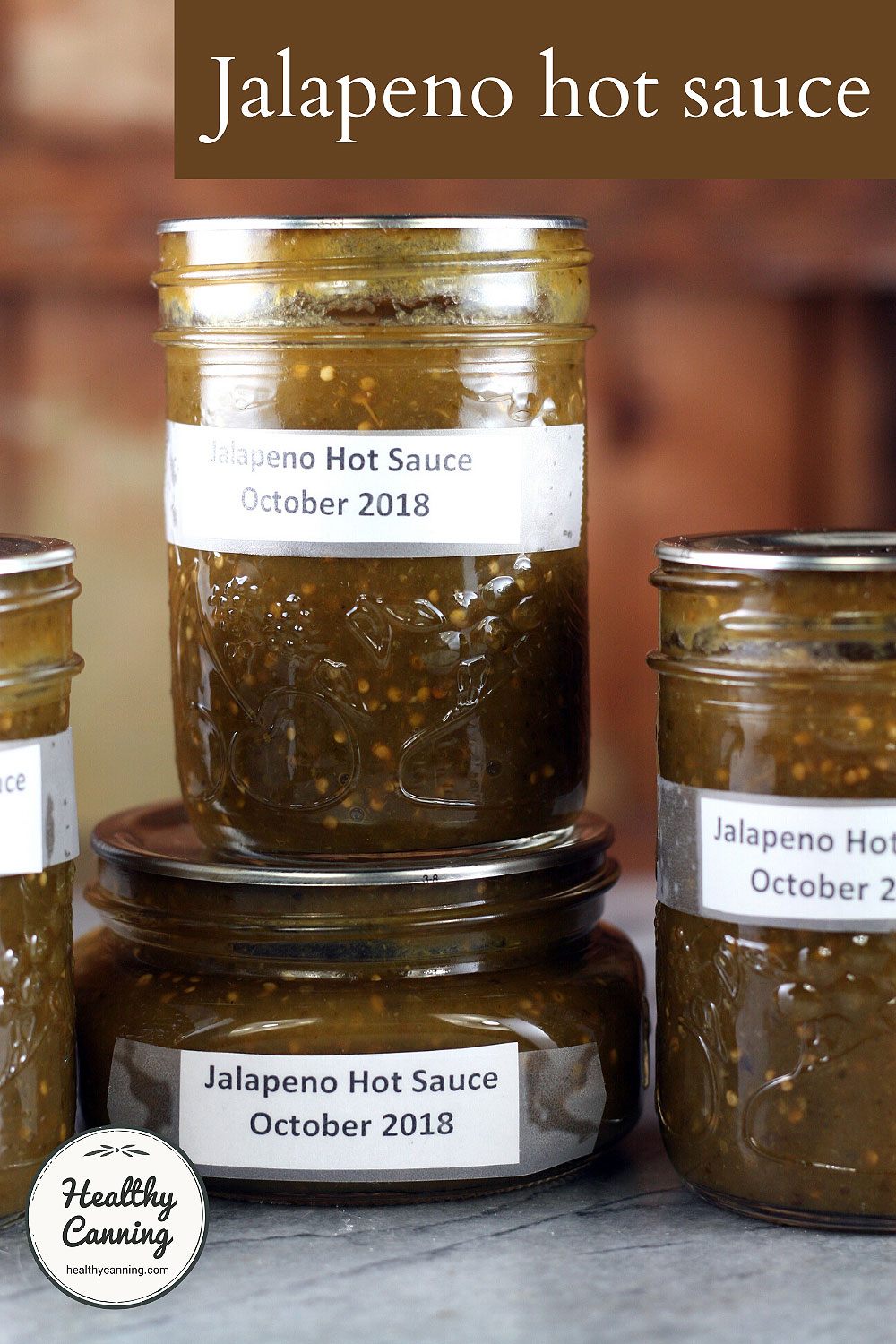
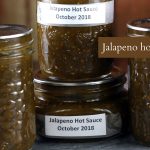
The culinary landscape of home food preservation has expanded with the introduction of a tested recipe for home-canned green hot sauce, developed by adapting the United States Department of Agriculture’s (USDA) foundational guidelines for cayenne pepper sauce. Designed to utilize readily available garden produce, this formulation substitutes traditional red tomatoes with canned tomatillos and incorporates green jalapeño peppers in place of standard cayenne varieties. The resulting product is a thick, spoonable condiment that yields approximately five half-liter (US pint) jars per batch, offering culinary enthusiasts a safe, shelf-stable method for preserving seasonal heat.
Background Context and Adaptation Methodology
Home canning safety relies heavily on maintaining precise acidity and density levels to prevent the growth of harmful bacteria, most notably Clostridium botulinum. The USDA’s Complete Guide to Home Canning provides scientifically validated procedures primarily formulated for specific acid-to-vegetable ratios. The original USDA cayenne pepper sauce recipe traditionally yields a bright red liquid designed for splashing rather than spooning.

By leveraging safe, approved food preservation principles regarding ingredient substitution, culinary researchers determined that tomatillos—members of the nightshade family with naturally high acidity—could successfully replace tomatoes without compromising the structural pH required for safe water-bath processing. Similarly, green jalapeño peppers serve as a direct botanical and textural swap for other hot pepper varieties. Because jalapeños possess a distinct flavor profile and a lower Scoville heat rating than pure cayenne peppers, the resulting green sauce delivers a different sensory experience while adhering strictly to safety parameters established by extension services and food science laboratories.
Comprehensive Preparation and Processing Timeline
Executing this preservation project requires careful advance planning due to the combined preparation and cooking duration. The total timeline spans approximately four hours, divided into distinct phases:
- Preparation Phase (1 Hour): This stage involves gathering all necessary equipment, sterilizing jars, measuring vinegar, and preparing the tomatillos and green jalapeños. Due to the substantial volume produced by the standard recipe—yielding five US pints—cooks are frequently advised to calculate ingredient ratios if choosing to halve the batch.
- Cooking Phase (3 Hours): The vegetables, vinegar, and select spices are simmered together to break down the cellular structure of the peppers and tomatillos, thoroughly blending the flavors and reducing the mixture to achieve the characteristic thick, spoonable consistency.
- Canning and Processing Phase (15 to 30 Minutes): The hot mixture is ladled into prepared jars, maintaining a precise two-centimeter (half-inch) headspace. Jars are sealed with two-piece metal lids and processed using either a boiling water-bath canner or an approved atmospheric steam canner.
For both half-cup and pint-sized jars, the standard processing time is ten minutes at sea level. However, food safety authorities mandate altitude adjustments for processing times to account for lower atmospheric pressure at elevated geographies. Master food preservers recommend consulting regional altitude charts before initiating the water bath or steam canning process.
Ingredient Profile and Nutritional Data
Despite its intense heat profile, the green jalapeño hot sauce contributes minimal caloric value to meals, making it an attractive condiment for health-conscious consumers. Laboratory and nutritional calculations indicate that a single tablespoon serving contains approximately 8 kilocalories, 1.6 grams of carbohydrates, 0.3 grams of protein, and a negligible 0.1 grams of fat. Sodium content remains low at roughly 2 milligrams per serving, depending on the precise amount of salt utilized in the initial base recipe. Dietary fiber is measured at 0.3 grams per tablespoon, with natural sugars accounting for 0.8 grams.
Official Warnings and Culinary Applications
The National Center for Home Food Preservation (NCHFP) rarely appends specialized commentary to standard USDA home canning recipes. However, an exception was made for this specific pepper sauce family due to recurring reports from home cooks regarding the extreme pungency of the final product. Official guidance notes emphasize that the condiment is exceptionally hot, cautioning users to incorporate it sparingly into dishes.
Recommended culinary applications extend beyond simple table condiments. Food safety educators suggest utilizing the thick green sauce as a potent flavor enhancer in Mexican-inspired green salsas, marinades for poultry and pork, braising liquids for slow-cooked meats, or as a fiery additive to soups and stews where both acidity and localized heat are desired.
Broader Economic and Home Gardening Implications
The publication and dissemination of validated green hot sauce recipes reflect a broader, ongoing trend toward domestic self-sufficiency and waste reduction among home gardeners. Jalapeño peppers and tomatillos are prolific yielders in temperate North American and European climates, frequently resulting in harvest surpluses during late summer and early autumn.
By providing a research-backed framework to safely preserve these crops without relying exclusively on commercial freezing or dehydration, extension services empower individuals to extend the shelf life of fresh produce for up to a year or more. Furthermore, adherence to standardized USDA processing times minimizes the economic loss associated with food spoilage, reinforcing the foundational role that food science plays in modern homesteading and urban agriculture.