
The Rise of Bento-Style Meal Preparation
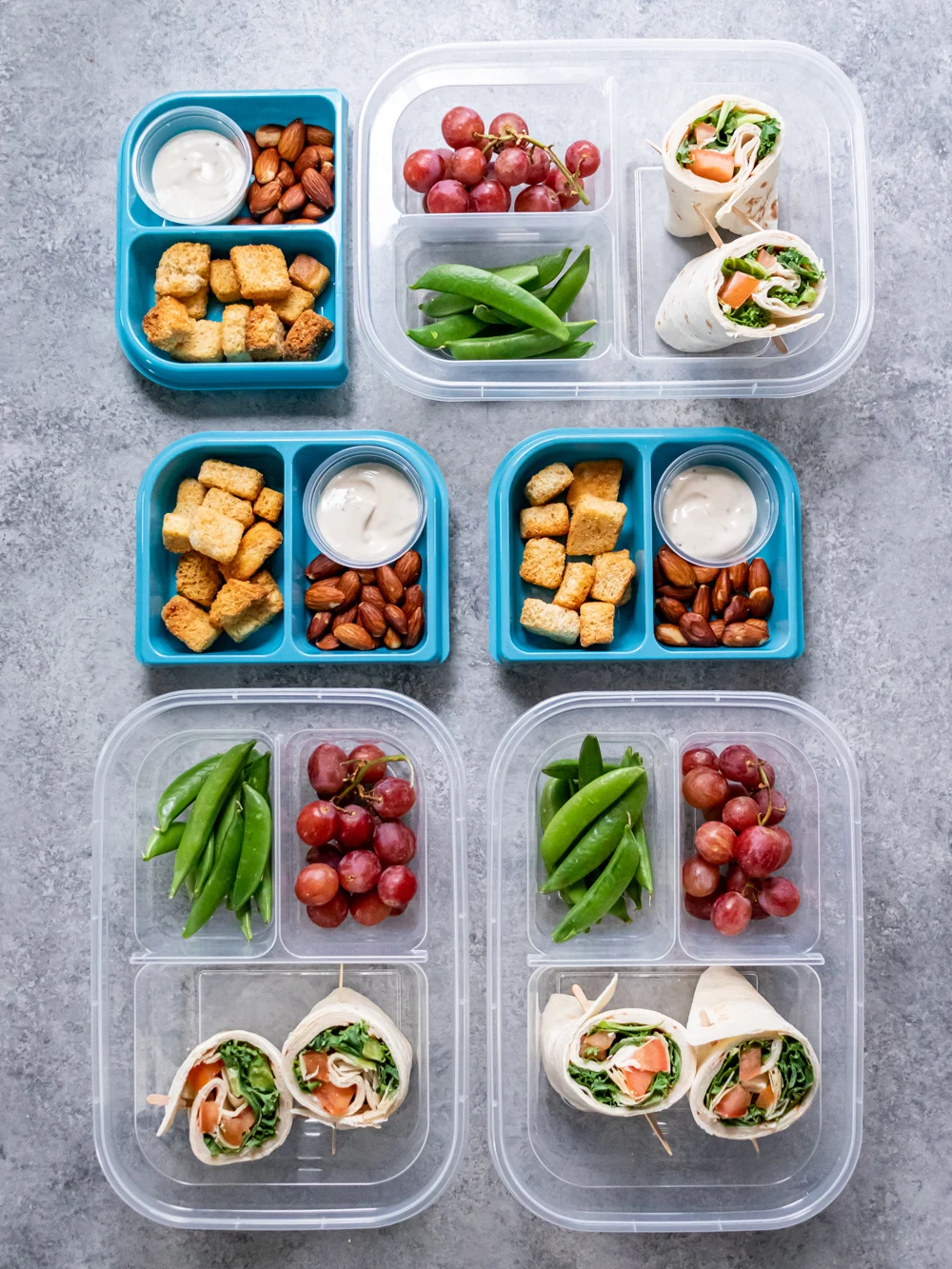
The concept of the bento box, historically rooted in Japanese culinary culture, has been adapted by Western meal planners to address the logistical complexities of modern life. Data from consumer behavior analysts suggests that the demand for "no-cook" meal prep options has increased by approximately 22% over the last five years. This shift is largely attributed to a decrease in available preparation time for the average working adult and a heightened focus on minimizing the environmental impact of single-use packaging. By utilizing reusable, multi-compartment containers, individuals can effectively manage their weekly food intake while reducing reliance on processed, pre-packaged convenience foods.
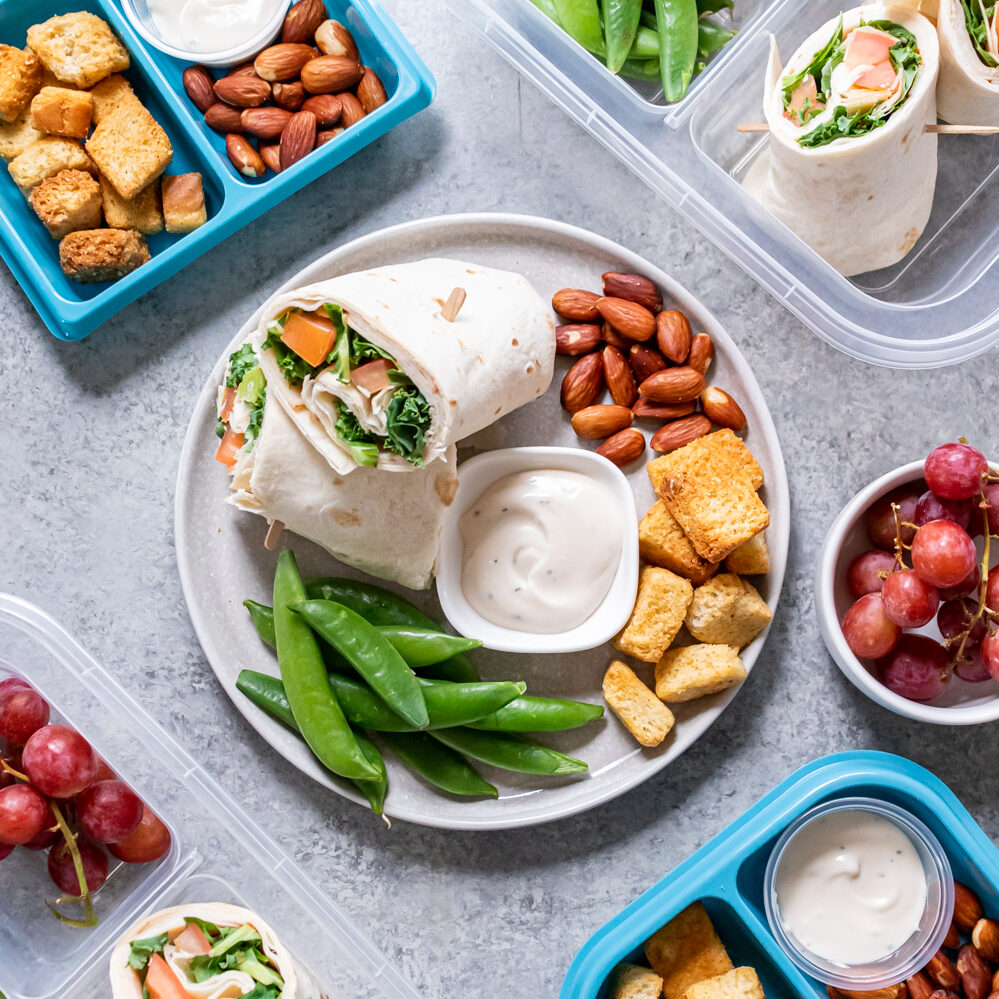
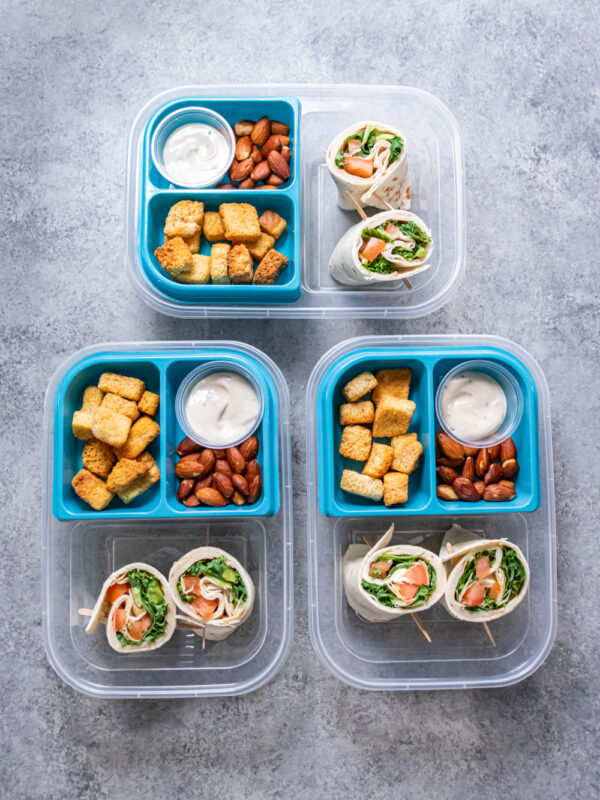
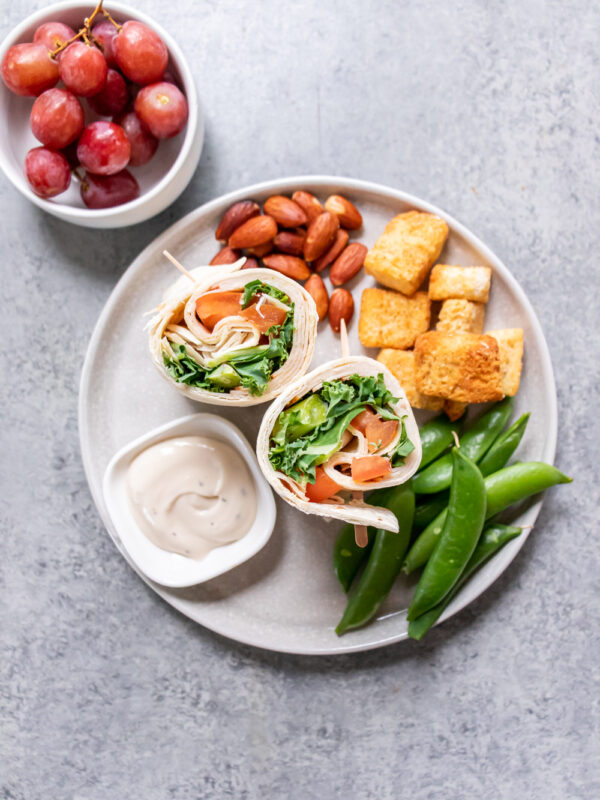
The Chicken Caesar Wrap, specifically, serves as a cornerstone of this movement due to its versatility. A standard serving of this meal—consisting of protein, leafy greens, fiber-rich sides, and complex carbohydrates—typically provides between 450 and 550 calories. This caloric density, when balanced with fiber-rich inclusions such as snap peas or nuts, offers sustained energy levels that are essential for cognitive function in both academic and professional settings.
Chronology of Meal Prep Evolution
The evolution of the "grab-and-go" lunch has progressed in distinct phases over the last decade:
- 2014–2016: The initial wave of meal prep focused primarily on high-volume batch cooking, often involving complex recipes that required hours of Sunday afternoon labor.
- 2017–2019: Consumers began to prioritize "deconstructed" meals, leading to the rise of bowl-based lunches that were easier to assemble but often suffered from soggy ingredients.
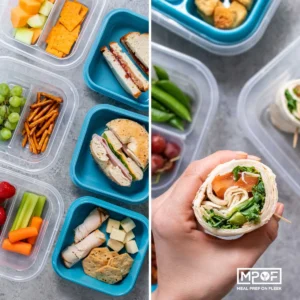
- 2020–2022: The necessity of working and schooling from home drove a refinement in storage technology. The focus shifted toward airtight, multi-compartment bento boxes that prevented cross-contamination and preserved ingredient crunch.
- 2023–Present: Current trends emphasize ingredient customization, allowing for dietary flexibility—such as gluten-free, nut-free, or high-protein variations—within a singular, standardized prep framework.
Nutritional Analysis and Dietary Implications
A balanced Chicken Caesar Wrap Bento Box typically yields a macronutrient profile that aligns with current dietary guidelines for a midday meal. Research indicates that maintaining a protein-to-fiber ratio of roughly 1:2 in lunch options can prevent the post-meal glycemic spikes often associated with carbohydrate-heavy diets.
The typical assembly includes approximately 24 grams of protein, 62 grams of carbohydrates, and 22 grams of fat. The inclusion of raw vegetables, such as snap peas or bell peppers, provides essential micronutrients and prebiotic fiber. Furthermore, the practice of storing salad dressing in a separate, sealed vessel—a hallmark of the bento methodology—is a scientifically sound strategy to prevent the osmotic degradation of the greens, which maintains the structural integrity of the salad until the moment of consumption.
Institutional and Economic Perspectives
From an institutional standpoint, the adoption of bento-style lunches has been endorsed by nutritionists and school administrators alike. Dr. Elena Vance, a consultant in childhood nutrition, notes, "When food is presented in a partitioned, visually organized manner, it tends to increase the likelihood of individuals—particularly children—consuming a wider variety of food groups. The aesthetic appeal of the bento box is not merely a trend; it is a behavioral tool that promotes balanced eating."
From an economic perspective, the shift toward this style of meal preparation offers a hedge against the rising costs of restaurant-prepared lunches. Estimates suggest that preparing a Chicken Caesar Wrap at home reduces the cost per meal by approximately 65% compared to purchasing a comparable item from a fast-casual dining establishment. Furthermore, the emphasis on using existing pantry staples—such as nuts, seeds, or seasonal fruit—serves as an effective strategy for household food waste reduction.
Strategic Implementation for Busy Schedules
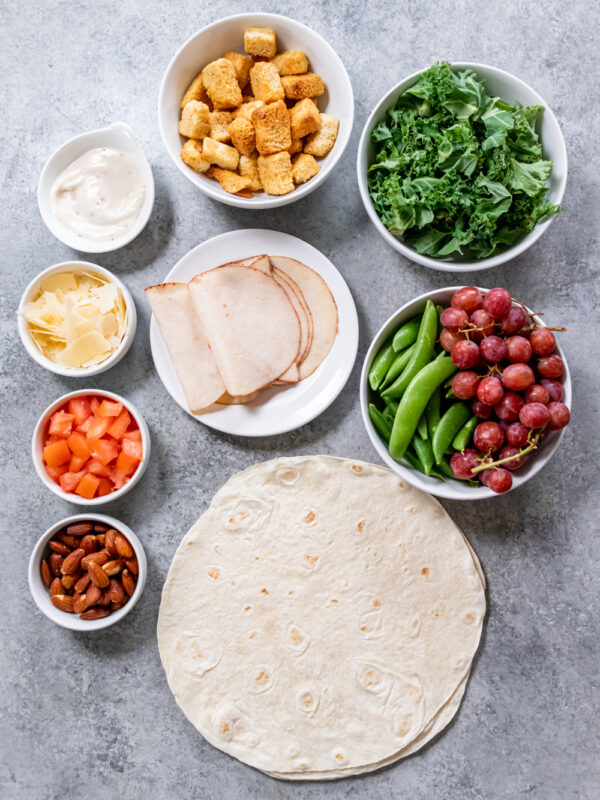
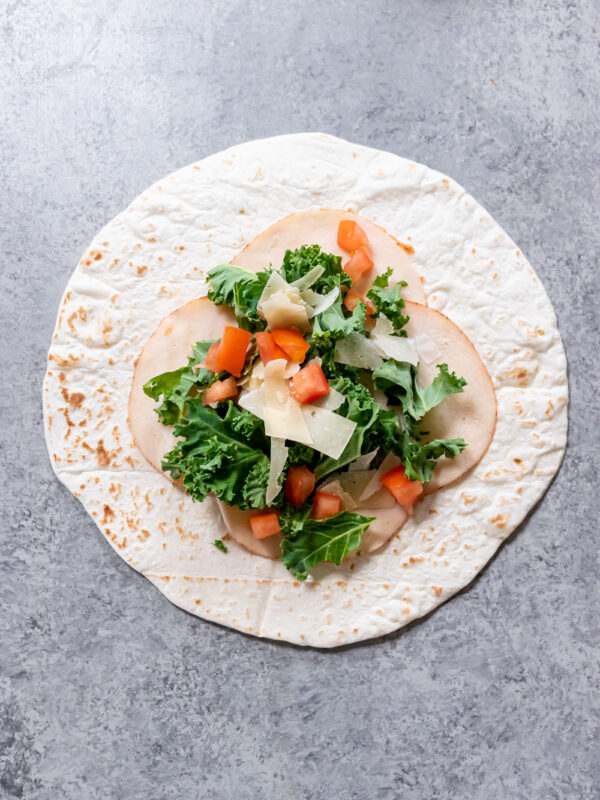
The 15-minute assembly window is achievable through the application of the "assembly line" method. By prepping the protein and chopping vegetables in bulk at the start of the week, the actual daily assembly time is reduced to mere minutes. Professionals and parents are increasingly utilizing this "assembly-only" approach to remove the cognitive load of decision-making during the workweek.
To maximize the longevity of these meals, food safety standards dictate that the assembled components remain refrigerated at or below 40°F (4°C). The inclusion of cold packs within insulated lunch carriers is recommended for those who do not have immediate access to a refrigerator. While the wraps themselves have a shelf-stable window of approximately 72 hours, the quality of the greens often begins to decline after the 48-hour mark, necessitating a rolling prep schedule for optimal freshness.
Broader Implications for Culinary Habits
The broader implication of the Chicken Caesar Wrap Bento Box is a fundamental change in how society views the "lunch hour." By removing the stress associated with daily food preparation, individuals are reclaiming time for rest or other activities. The flexibility of the format—allowing for substitutions such as rotisserie chicken, canned chickpeas, or smoked tofu—demonstrates that healthy eating does not require rigid adherence to complex recipes.
As public health initiatives continue to emphasize the importance of whole foods over ultra-processed options, the popularity of the bento system is likely to persist. It represents a synthesis of traditional food preservation techniques and contemporary demand for convenience. Whether for a student requiring a nutritionally dense meal for school or an office worker seeking to avoid the hidden calories of takeout, the bento box provides a structured, predictable, and sustainable framework for daily nutrition.
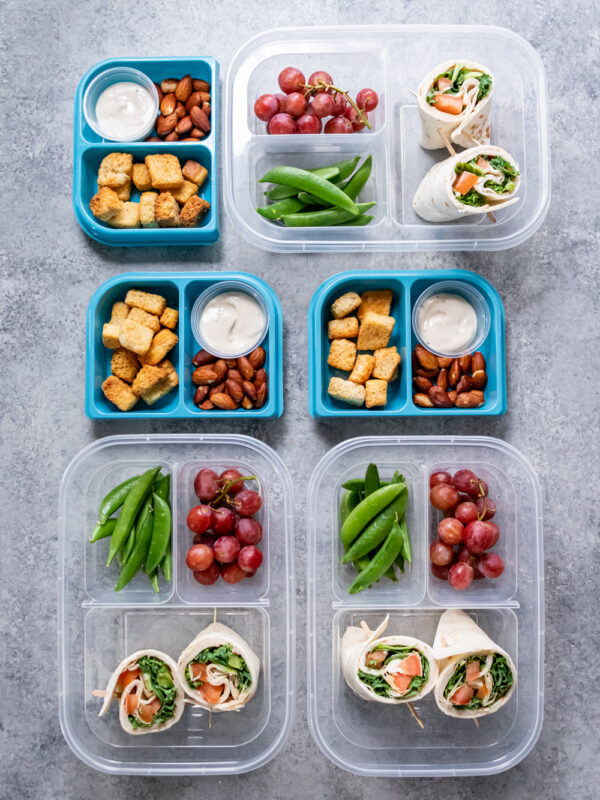
Ultimately, the success of this model lies in its simplicity. By stripping away the requirement for heat and complex cooking techniques, the Chicken Caesar Wrap Bento Box transforms the daunting task of weekly meal preparation into a streamlined, repeatable, and highly customizable process that fits the constraints of the modern lifestyle. As we look toward future developments in food storage and sustainable packaging, the bento box remains a standard-bearer for practical, health-conscious living in an increasingly fast-paced world.