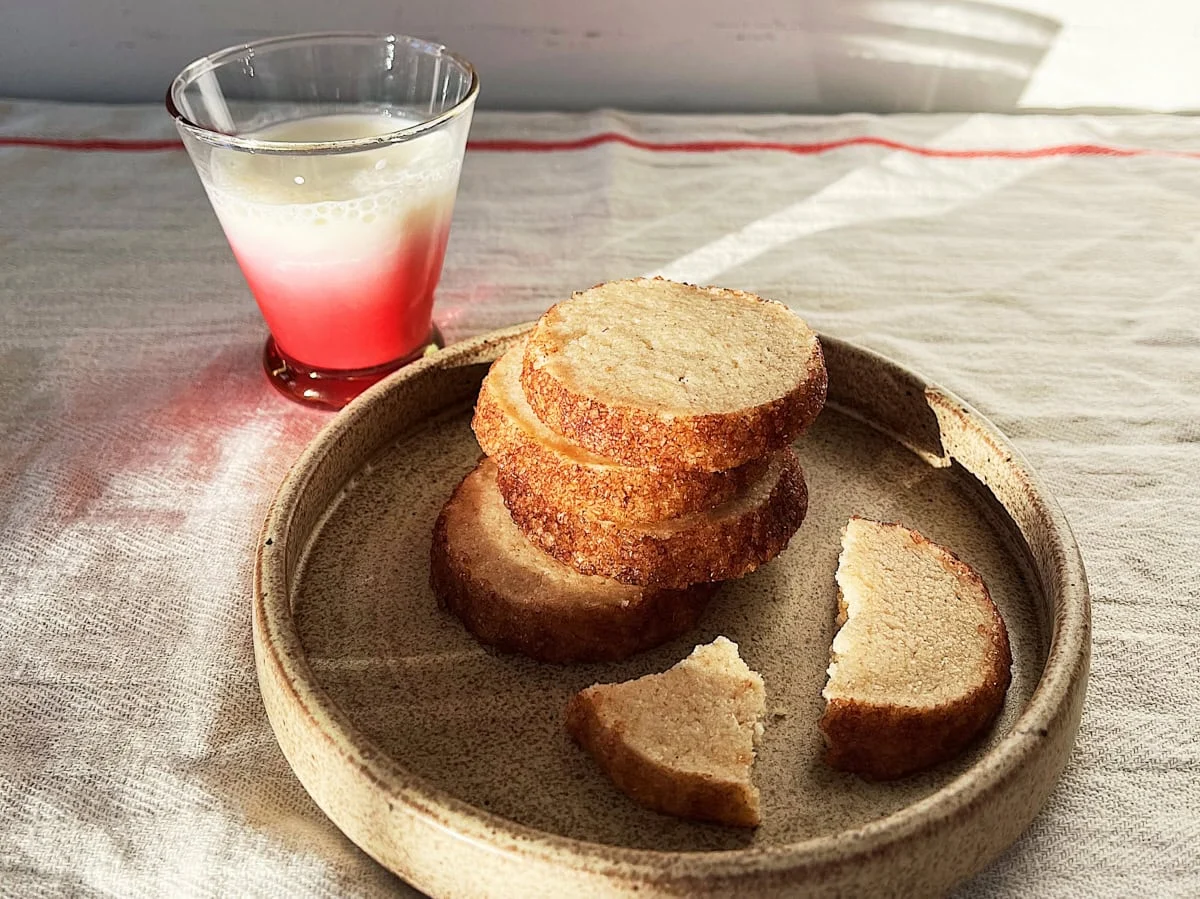

The global resurgence of home baking, catalyzed heavily in recent years by a renewed appreciation for fermentation and artisanal bread-making, has left millions of households with a recurring culinary challenge: what to do with leftover sourdough starter. Commonly referred to as "sourdough discard"—the portion of active starter that must be removed and replaced during routine feedings—this byproduct has traditionally been viewed as kitchen waste destined for the compost bin. However, a growing movement among culinary professionals and home cooks is reframing discard not as garbage, but as a dynamic, flavorful ingredient capable of elevating standard pastry recipes. The latest innovation in this trend is a high-yield, slice-and-bake cookie that marries the nostalgic comfort of cinnamon toast with the subtle tang of fermented flour.
The Economic and Environmental Context of Food Waste in Home Baking
To understand the popularity of sourdough discard recipes, one must examine the broader cultural shifts surrounding food sustainability and home economics. According to recent food waste tracking studies, domestic kitchens contribute significantly to overall organic waste, with baking ingredients frequently discarded due to over-purchasing or misunderstanding shelf lives. The sourdough craze of the 2020s introduced millions of novices to wild yeast maintenance, leading to an unprecedented surplus of unfed starter flour-and-water mixtures.
Rather than letting this nutrient-rich byproduct go to waste, contemporary bakers have leaned into "zero-waste baking" principles. Sourdough discard adds moisture, complex acidity, and structural depth to baked goods without requiring the addition of commercial agents or artificial preservatives. Culinary experts note that utilizing discard reduces overall grocery waste while introducing complex flavor profiles to simple baked items like crackers, pancakes, and shortbread-style cookies.
Anatomy of a Modern Slice-and-Bake Cookie
Traditional shortbread and slice-and-bake cookies typically adhere to a strict structural ratio by weight: one part sugar, two parts butter, and three parts flour. While this formula yields a sturdy dough that holds its shape during slicing, critics within the baking community often find the resulting cookie overly dense and flour-forward, particularly when eggs, chemical leaveners, or high moisture contents are absent.
The newly popularized cinnamon toast sourdough discard cookie disrupts this classical ratio. By incorporating 35 grams of 100% hydration sourdough starter discard—which introduces vital water content—and adjusting the flour-to-butter balance, developers have crafted a softer, more pliable dough. The revised formulation features 250 grams of all-purpose flour paired with 226 grams of high-fat European-style butter and 150 grams of granulated sugar. This shifts the structural ratio closer to one part sugar, one-and-a-half parts butter, and just under two parts flour.
Industry analysts and professional pastry chefs point out that the inclusion of high-quality, high-fat butter is paramount in simple formulations where individual flavors cannot hide behind heavy mix-ins or elaborate frostings. The addition of water via the sourdough starter increases overall dough hydration, requiring bakers to extend baking times to at least 14 minutes to ensure the centers are fully set without compromising the exterior texture.
Step-by-Step Chronology and Preparation Workflow
The operational appeal of slice-and-bake cookies lies in their labor-efficient timeline, making them particularly attractive during the high-stress holiday baking season. Unlike drop cookies that require continuous scooping, weighing, and single-batch baking, slice-and-bake methodologies allow home cooks to divide the labor across multiple days.
Phase 1: Dough Formulation and Mixing
The process begins by creaming 226 grams of room-temperature unsalted butter with 150 grams of granulated sugar using an electric hand mixer or stand mixer. Once light and aerated, 70 grams of unfed sourdough discard and 11 grams of vanilla bean paste or high-grade extract are integrated. Finally, 250 grams of all-purpose flour and 3 grams of kosher salt are folded in until just combined, resulting in a soft, supple dough.
Phase 2: Shaping and Resting
Because the dough possesses a high butter-to-flour ratio, it is inherently soft and susceptible to excessive spreading if baked immediately. The chronology mandates rolling the dough into uniform logs and chilling them in a refrigerator for a minimum of two hours—or up to several days. This crucial resting phase solidifies the butter fats, ensuring that subsequent slices maintain neat, circular geometries when cut.
Phase 3: Coating and Slicing
Prior to slicing, the chilled logs are brushed with a thin layer of lightly beaten egg white (approximately 35 grams) to act as a binding agent. They are then rolled thoroughly in a mixture of 50 grams of coarse Demerara sugar, 8 grams of ground cinnamon, and 1 teaspoon of flaky sea salt. This outer crust provides both textural crunch and a visual sparkle reminiscent of breakfast cinnamon toast.
Phase 4: Baking and Preservation
Sliced into uniform rounds, the cookies are baked at moderate temperatures for roughly 14 minutes. Because the dough contains added hydration from the sourdough starter, visual cues on the top surface can be deceptive; professional bakers advise monitoring the underside of the cookies to determine doneness. For advanced preparation, bakers can slice and freeze the coated rounds on parchment-lined sheet pans for up to three months, allowing for on-demand baking directly from the freezer with just a few minutes added to the overall bake time.
Customization and Flavor Variations
While the baseline recipe relies on classic vanilla and cinnamon profiles, the formulation has been designed to serve as a versatile canvas for broader culinary experimentation. Food scientists and recipe developers note that the neutral, buttery base easily accommodates alternative flavor additions without compromising structural integrity.
Common variations adopted by home bakers include:
- Citrus Infusions: Incorporating up to two tablespoons of freshly grated lemon, grapefruit, or orange zest directly into the sugar during the creaming stage.
- Botanical and Spice Alternatives: Substituting ground cinnamon in the rolling sugar with cardamom or sumac, or introducing potent extracts such as almond, rose water, or orange flower water into the wet ingredients.
- Textural Elements: Adding up to 130 grams of finely chopped chocolate or toasted nuts into the flour mixture.
- Specialty Powders: Integrating instant espresso powder, ground culinary teas such as Earl Grey, or Japanese green tea powders including matcha and hojicha.
- Alternative Flours: Swapping up to 60 grams of all-purpose flour for nutrient-dense whole grains such as whole wheat, rye, spelt, or earthy buckwheat flour to enhance the rustic profile of the cookie.
Implications for the Future of Home Baking
The mainstream adoption of sourdough discard pastry recipes signals a permanent shift in how domestic kitchens approach fermentation byproducts. What began as a pandemic-era hobby of necessity has matured into a sophisticated culinary sub-sector characterized by resourcefulness and technical refinement. By transforming industrial-style kitchen waste into gourmet holiday gifts and everyday confections, home bakers are demonstrating that sustainability and high-end gastronomy can coexist seamlessly on the kitchen counter. As culinary platforms continue to publish specialized discard formulations, the practice of throwing away active starter discard is rapidly becoming a relic of the past.