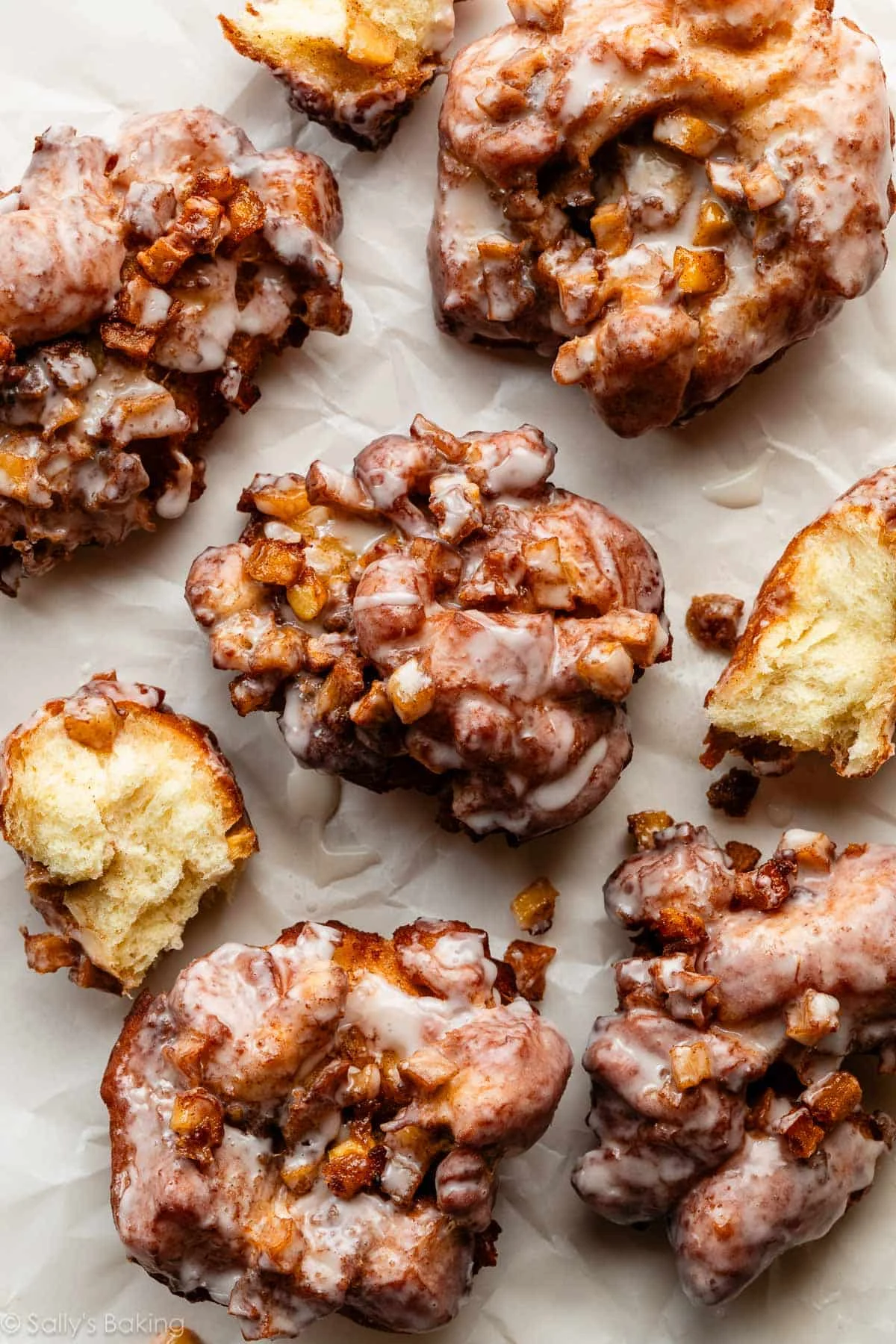

The craft of producing homemade apple fritters serves as an intersection between artisanal baking and precise thermodynamic control. Unlike standard yeast-leavened doughnuts, which rely on uniform expansion, the apple fritter represents a complex structural challenge: the integration of high-moisture fruit inclusions into a dough matrix without compromising the integrity of the fried crust. Achieving the professional-grade balance of a crisp, caramelized exterior and a tender, aerated center requires a methodical approach to ingredient preparation, dough hydration, and oil temperature management.
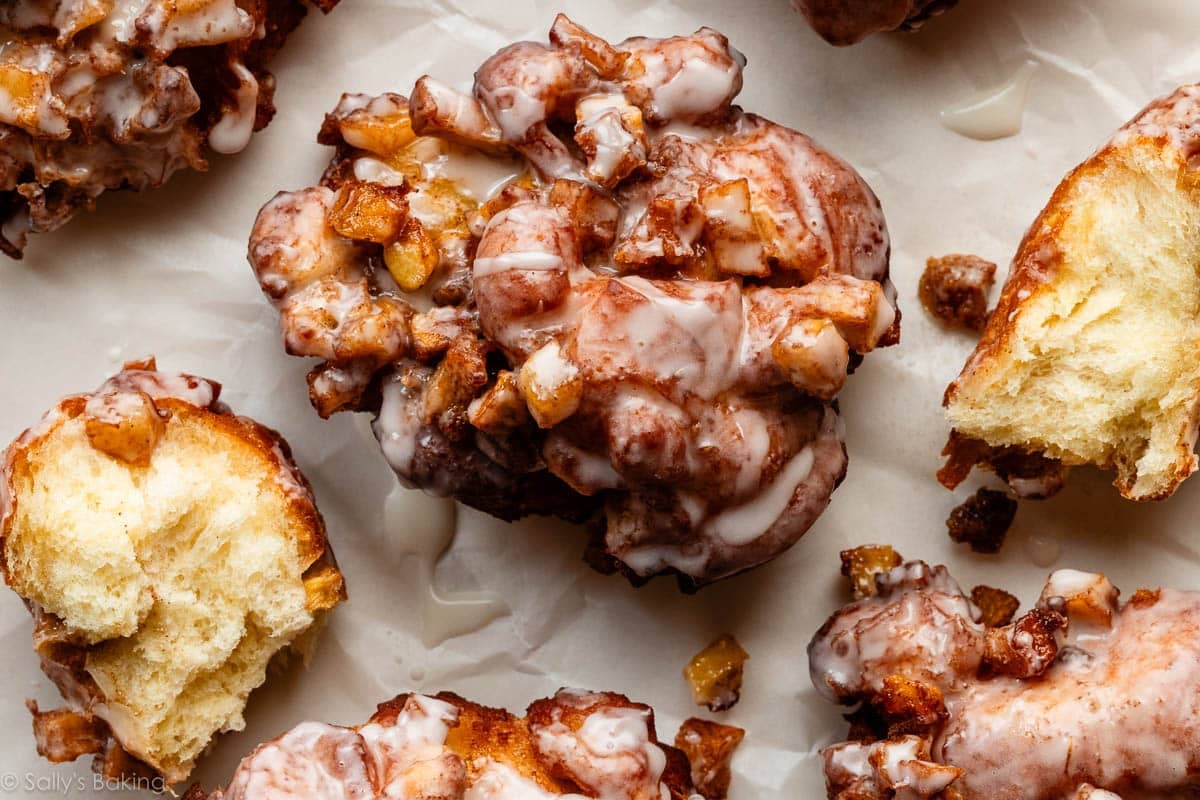
The Science of Fritter Construction
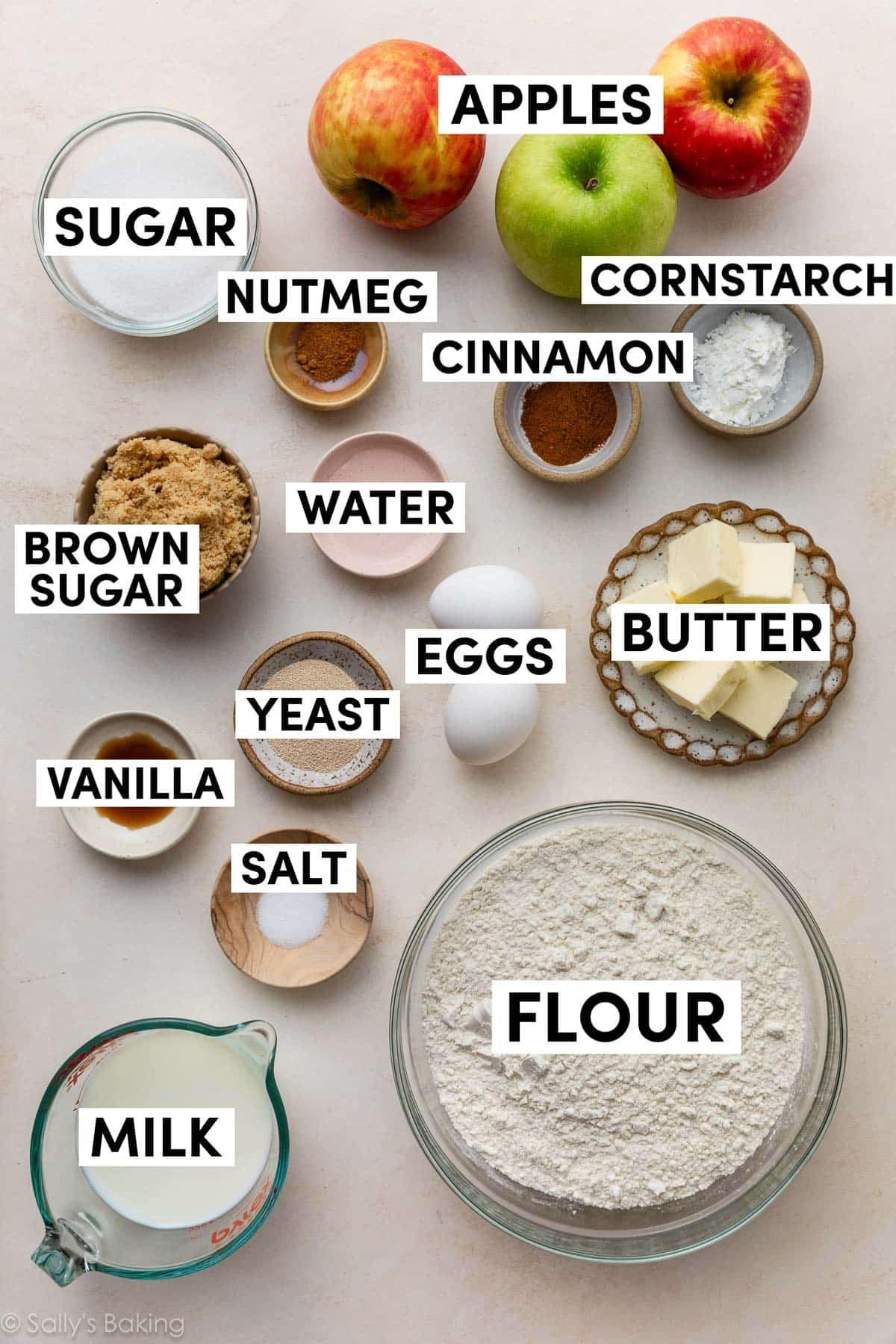
At its core, the apple fritter is a hybrid pastry, occupying the space between a yeast-raised doughnut and a fruit-laden quick bread. The foundational dough is typically composed of all-purpose flour, granulated sugar, salt, active dry yeast, milk, eggs, and unsalted butter. The inclusion of yeast necessitates a fermentation period, which serves two purposes: the development of gluten for structural strength and the production of carbon dioxide for leavened aeration.
The filling acts as the primary differentiator. By combining chopped apples—ideally crisp, high-acidity varieties such as Granny Smith or Honeycrisp—with brown sugar, ground cinnamon, and nutmeg, bakers create a concentrated flavor profile. The addition of a cornstarch slurry is critical; it binds the moisture released by the apples during the heating process, preventing the interior of the fritter from becoming waterlogged or "soggy" during the frying phase.
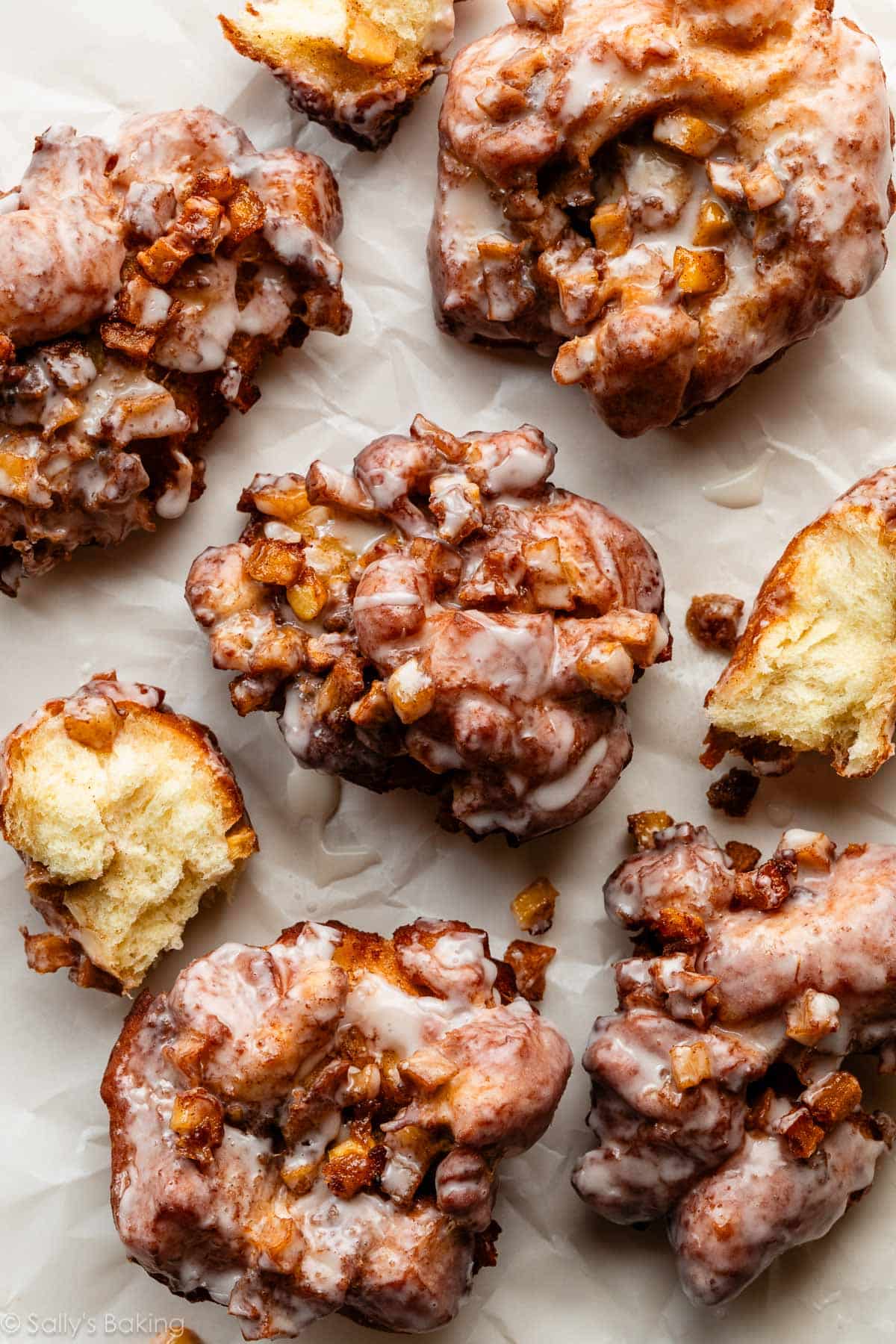
Chronological Execution: From Mixing to Finishing
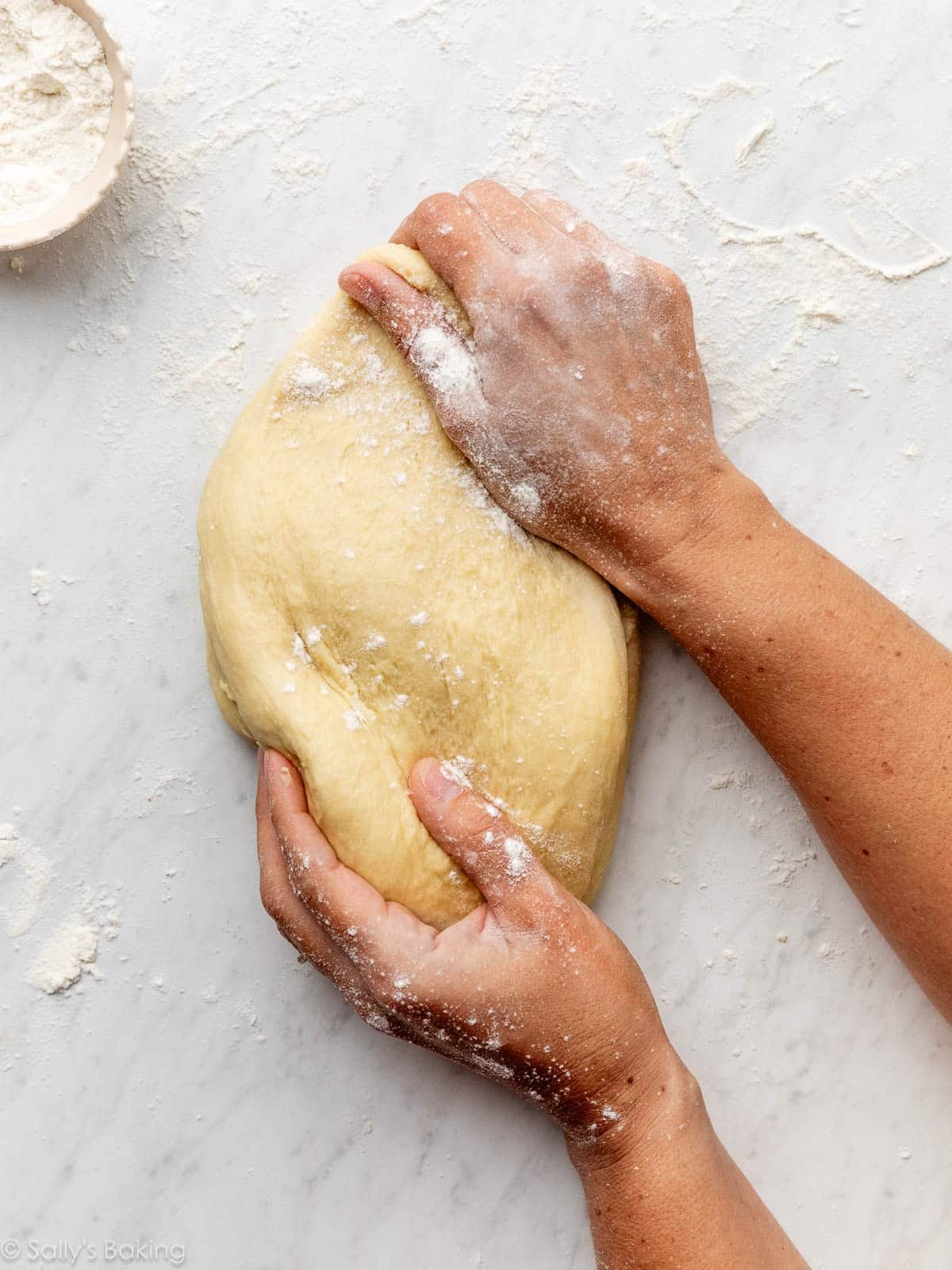
The production cycle for these pastries is a multi-stage process that spans several hours. The timeline begins with the preparation of the dough, which requires thorough kneading—either via a mechanical stand mixer or manual labor—to reach the desired elasticity. Once the dough has been sufficiently developed, it undergoes an initial bulk fermentation, typically lasting between 60 and 120 minutes.
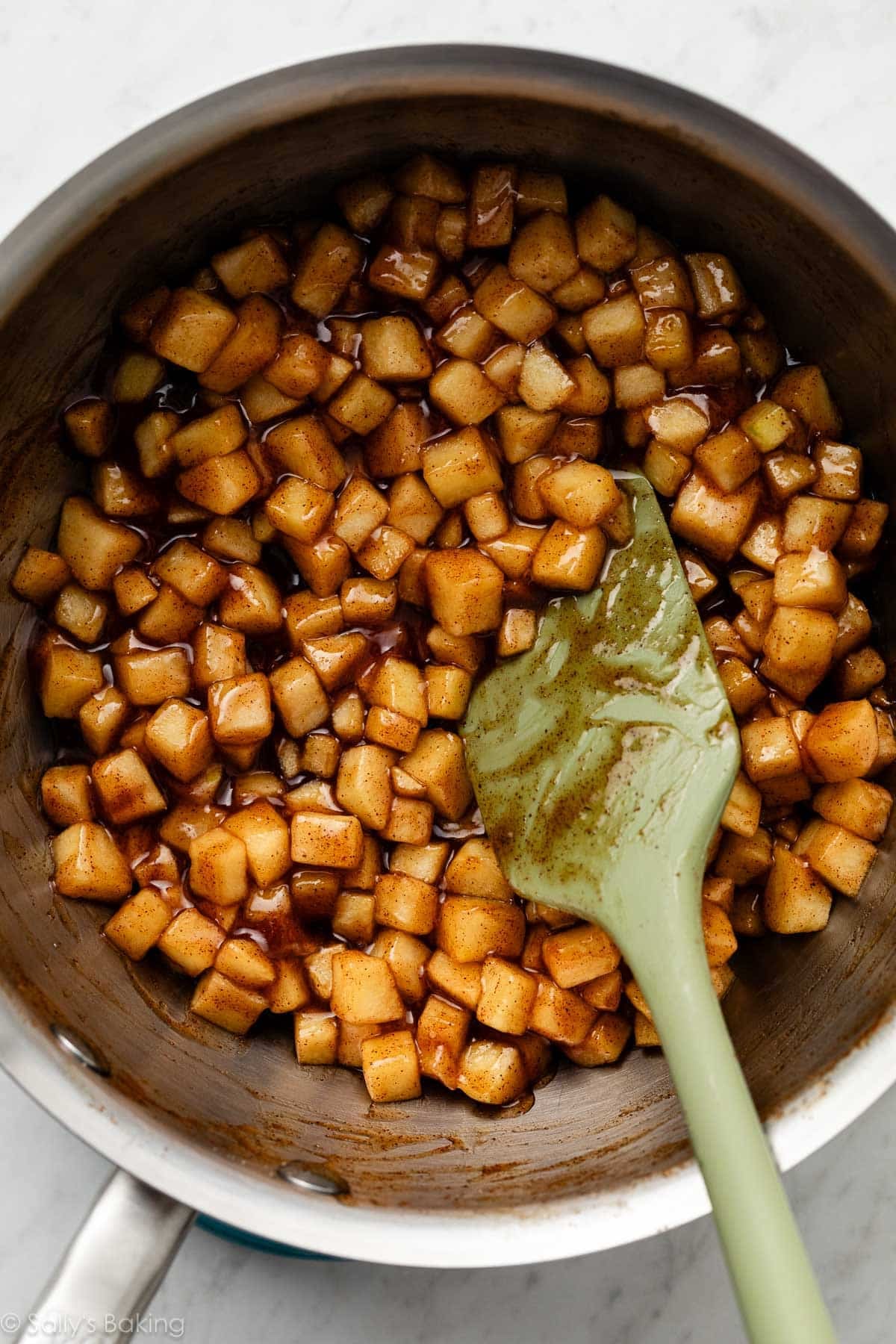
During this rise, the apple filling is prepared in a saucepan. The fruit must be cooked until the starches have gelatinized and the mixture has achieved a thick, jam-like consistency. It is imperative that this mixture is cooled completely before incorporation; introducing warm fruit to the dough would prematurely kill the yeast or cause the butter in the dough to melt, leading to structural failure.
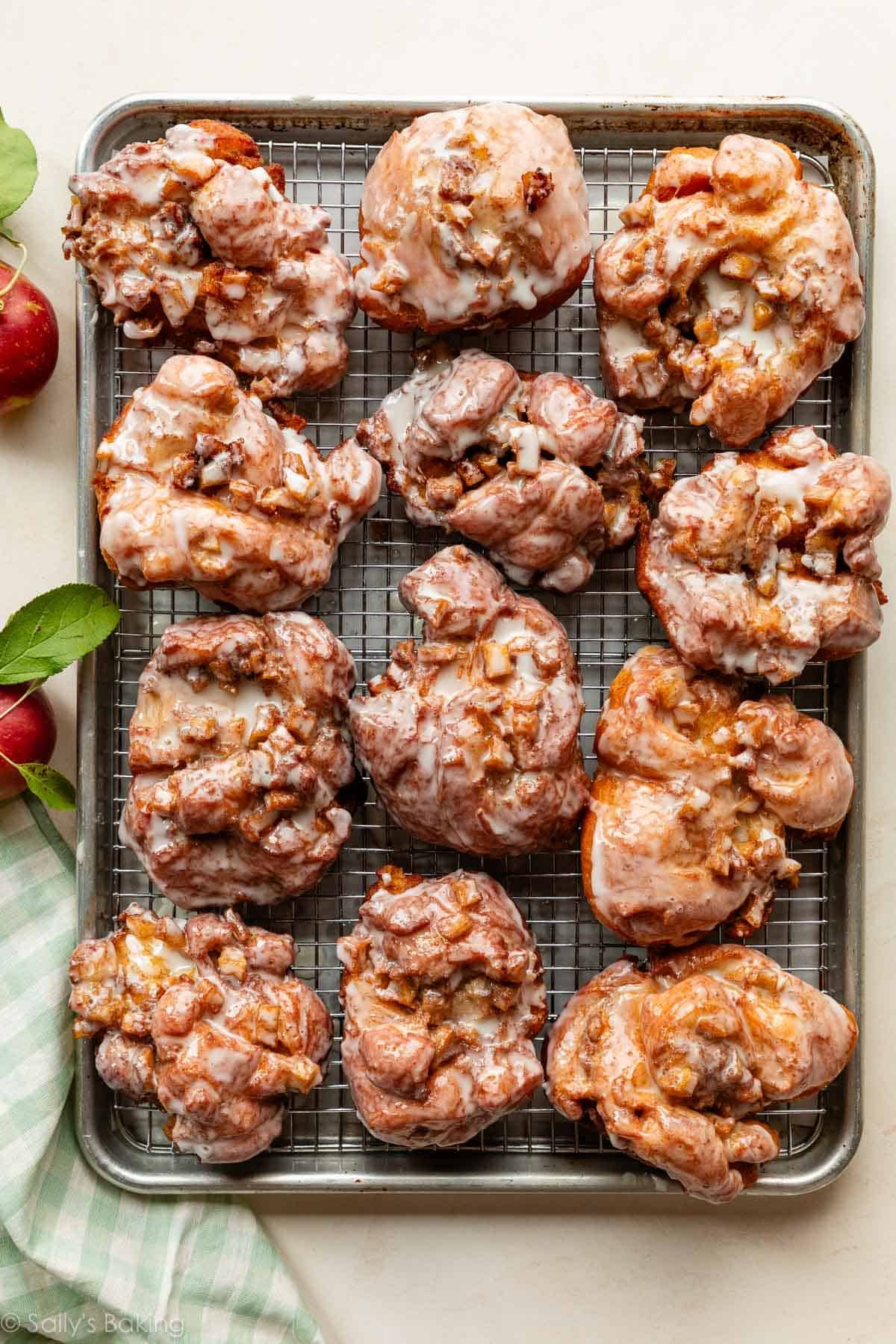
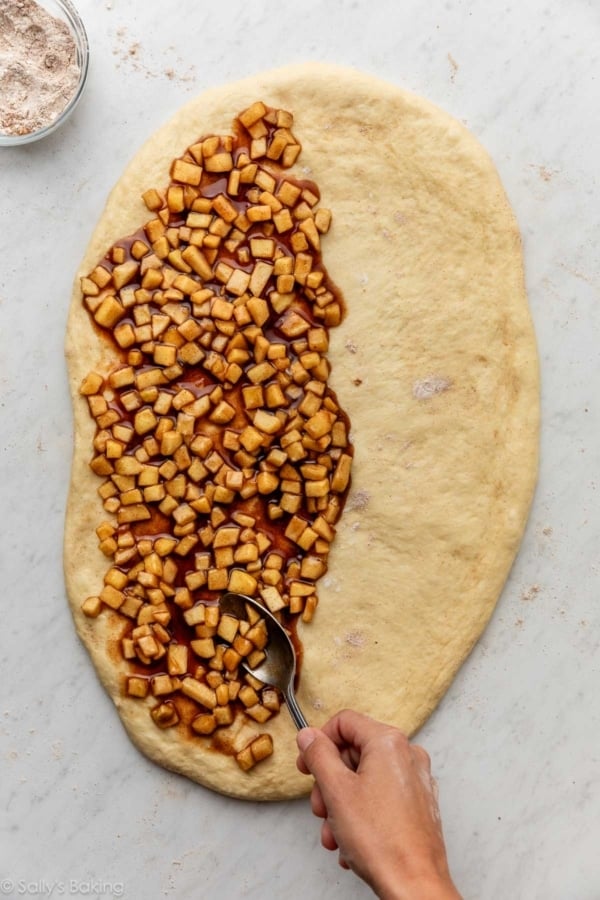
The shaping phase represents the most technically demanding portion of the process. Bakers typically roll the dough into a half-inch thick sheet, apply the filling, and fold the dough over, effectively sealing the fruit within a protective layer. The use of a bench scraper to create a crosshatch pattern serves a functional purpose: it increases the surface area, allowing the hot oil to penetrate the nooks and crannies of the dough, ensuring the center cooks at the same rate as the exterior.
Thermodynamic Considerations and Frying Protocol
The frying process is governed by the principles of heat transfer. The oil, which should be maintained at a consistent temperature—typically between 350°F and 375°F—acts as the cooking medium. Using a heavy-bottomed Dutch oven is standard practice in both commercial and home kitchens because of its superior thermal mass, which helps prevent temperature fluctuations when cold dough is introduced.
Data from culinary testing indicates that if the oil temperature drops below 350°F, the dough absorbs an excess of lipids, resulting in a greasy, unappealing product. Conversely, temperatures exceeding 380°F risk burning the exterior before the heat can permeate the center. Professional bakers often utilize a digital probe thermometer to monitor these fluctuations in real-time, adjusting the heat source accordingly to maintain the optimal "recovery time" between batches.
The use of individual parchment paper squares is a recommended industry technique for this specific pastry. Because the dough is soft and irregular, the parchment allows the baker to lower the fritter into the oil without deforming the shape or causing the apple filling to leak. The paper is removed after the initial set, approximately two minutes into the frying duration.
The Role of the Glaze in Preservation and Texture
The final step, glazing, is more than an aesthetic consideration. A mixture of confectioners’ sugar, milk, and vanilla extract creates a semi-crystalline barrier. When applied to the warm fritters, the glaze partially melts into the exterior crust, sealing in the remaining moisture and providing a protective layer that keeps the pastry from drying out. This technique, commonly seen in industrial bakery operations, preserves the freshness of the product for a longer duration than a simple dusting of granulated sugar would.
Industry Perspectives on Technique
Culinary experts emphasize that the apple fritter is a "labor of love," noting that the complexity of the process is why few commercial bakeries continue to produce them entirely from scratch. The reliance on manual shaping and the high-maintenance requirements of maintaining deep-fryer oil mean that the homemade version often surpasses the quality of mass-produced alternatives.
"The key to a successful fritter is resisting the urge to over-engineer," says one industry analyst. "The beauty of the fritter is in its asymmetry. By focusing on the quality of the apple and the precision of the oil temperature, the home baker achieves a result that is fundamentally superior to frozen or pre-manufactured goods."
Broader Impact and Home Baking Trends
The resurgence of interest in scratch-made, fried pastries reflects a broader trend toward "slow food" and home-based culinary education. The accessibility of high-quality ingredients and the availability of detailed technical guidance have empowered amateur bakers to attempt recipes that were once considered the exclusive domain of professional pastry chefs.
However, the implications for the home kitchen include safety and waste management protocols that are often overlooked. The disposal of used frying oil is a critical environmental consideration. Industry standards dictate that oil should never be discarded into municipal plumbing systems due to the risk of fatbergs and pipe obstruction. Instead, the current best practice—as endorsed by sustainability advocates—is to allow the oil to cool completely, seal it in a non-recyclable container, and dispose of it via household waste streams, or, where available, to collect it for professional biofuel recycling.
Ultimately, the homemade apple fritter stands as a testament to the importance of technique in baking. While the ingredient list is modest—comprising simple staples like flour, sugar, and fruit—the outcome is a product of sophisticated chemical interactions. For the dedicated baker, the effort required to master the fritter serves as an essential lesson in the delicate balance of heat, hydration, and timing that defines the art of the pastry.