
When glucagon-like peptide-1 (GLP-1) receptor agonists, such as semaglutide, first gained widespread traction in 2017, the fitness industry was met with a profound sense of professional existentialism. Coaches and personal trainers, long the vanguards of weight management and metabolic health, found themselves grappling with a medical innovation that effectively automated the calorie deficit. In those early years, the threat felt theoretical; prescriptions were sparse, and the clinical landscape remained largely unchanged. By 2026, however, the paradigm has shifted entirely: with over 10 percent of the U.S. adult population currently utilizing GLP-1 therapy, these medications have moved from clinical novelty to a mainstream pillar of chronic disease management.
The initial fear that these drugs would render the coaching profession obsolete has largely been replaced by a more nuanced understanding of the health ecosystem. Rather than viewing pharmacological intervention as a competitor, many industry experts now categorize the role of the coach as a critical additive component to medical therapy. This transition from "weight loss expert" to "support specialist" represents the most significant change in the health and fitness industry in the last decade.
A Chronology of the GLP-1 Transformation
The trajectory of GLP-1s can be traced through several distinct phases of adoption and public perception. Prior to 2017, weight loss interventions were largely dominated by behavioral modification—changes in diet and exercise frequency. The approval of semaglutide marked the beginning of a pharmacological shift, where the biological mechanisms of hunger and satiety could be regulated externally.
By 2022, clinical data regarding the efficacy of these medications became impossible for the fitness industry to ignore. Large-scale clinical trials demonstrated that users could achieve significant reductions in body mass, often without the traditional, arduous adherence to strict exercise regimens. This created a period of friction, as many fitness professionals felt that the "easy" results provided by the drugs bypassed the foundational health habits they were trained to instill.
As of 2026, the industry has entered a phase of integration. Health organizations and fitness governing bodies have increasingly recognized that medication addresses the metabolic drivers of obesity, while behavioral coaching addresses the psychological and physical maintenance of long-term health. The current consensus is that these two approaches are not only compatible but synergistic.
Categorizing the Modern Client: A Strategic Framework
The modern fitness coach must now be adept at identifying the psychological and physical state of clients using GLP-1s. Because "readiness" for coaching is a fluid, dynamic state, industry experts categorize clients into seven distinct profiles, each requiring a specific professional approach.
The Honeymooner: These individuals are in the early stages of successful medication use. They often see rapid results on the scale with minimal effort, leading to a high level of satisfaction and a low perceived need for professional coaching. In these instances, aggressive intervention is often counterproductive. Coaches are advised to practice patience, building rapport and maintaining an open line of communication for when the initial "honeymoon" phase inevitably wanes.
The Ambivalent Candidate: Many prospective users remain frozen by fear—worried about the stigma of pharmacological intervention or the long-term dependency on a drug. Coaches play a vital role here by facilitating objective, data-driven conversations about the risks and benefits, often using decision-making frameworks like the "4 Crazy Questions" to help clients explore the implications of both starting and not starting medication.

The Ready-to-Quitter: A significant portion of users experience severe side effects, including persistent nausea, fatigue, and gastrointestinal distress. When a client feels the medication is a "plague," they are at high risk of abandonment. Coaches provide value here by helping clients monitor intake, suggesting nutritional experiments—such as smaller, more frequent meals—and emphasizing the importance of medical collaboration to adjust dosing strategies safely.
The Muscle-Loss Risk: Perhaps the most critical area for coaching intervention involves body composition. Research indicates that up to 40 percent of weight lost during GLP-1 treatment can be attributed to lean muscle mass if not accompanied by resistance training. Coaches act as a necessary safeguard, implementing protein-focused nutrition plans and strength-training protocols that are sustainable for the individual, thereby protecting metabolic health during the rapid weight loss phase.
The Under-Fueler: In some cases, the appetite suppression is so potent that clients inadvertently enter a state of severe caloric deficit, leading to muscle wasting, nutrient deficiencies, and hair loss. For these individuals, coaching transitions from weight management to clinical support, ensuring the client establishes a rigid, nutrient-dense eating schedule to replace the hunger cues they no longer feel.
The Graduate and The Priced-Out: These two groups share a common challenge: the cessation of medication. Whether by choice (The Graduate) or by economic necessity (The Priced-Out), these individuals face a high risk of weight regain. For these clients, the focus is on "deepening the ruts"—reinforcing neural pathways and habits so that behaviors become automatic, mirroring the consistency required to maintain results once the biological assistance of the drug is removed.
The Broader Impact: Systemic Realities
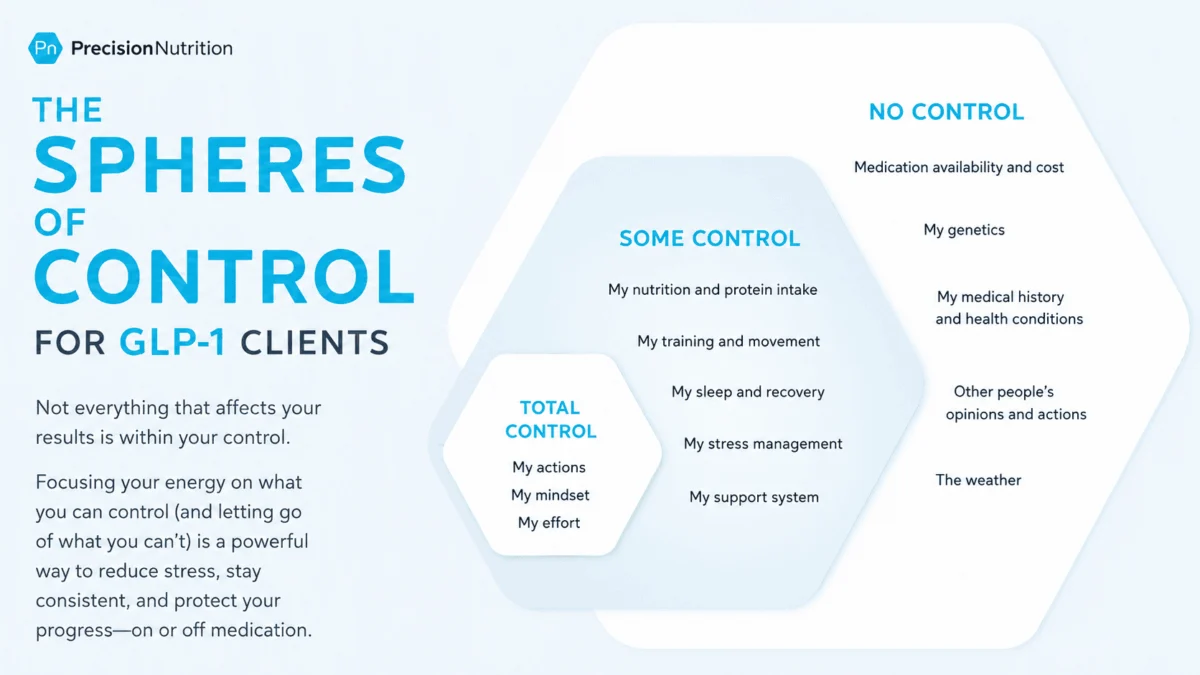
The rise of GLP-1s has forced a reckoning with the social determinants of health. The "Priced-Out" client profile highlights a systemic failure where access to medical treatment is often dictated by insurance coverage and socioeconomic status. Fitness professionals are increasingly tasked with helping clients navigate this reality, emphasizing the "Spheres of Control"—the distinction between what is biologically and systemically unchangeable (such as drug availability and genetic predispositions) and what is within the client’s power to manage (such as sleep hygiene, movement, and protein intake).
Data suggests that clients who maintain consistent strength training and high-protein nutrition while on medication are four times more likely to sustain weight loss after discontinuing the drug compared to those who do not. This statistic serves as the cornerstone of the modern coaching promise: the coach does not guarantee the medication’s success, but rather builds the behavioral infrastructure that allows the client to thrive regardless of their pharmacological status.
Professional Implications and Future Outlook
The integration of GLP-1s into the fitness landscape has effectively raised the bar for professional standards. Coaches must now possess a working knowledge of metabolic health, understand the boundaries of their scope of practice, and cultivate robust referral networks that include medical doctors and registered dietitians.
The ultimate objective of the 2026 fitness professional is to assist the client in developing a new identity. By the time a client finishes their period of medication, they should no longer see themselves as someone who "needs a drug to lose weight," but rather as someone who has mastered the foundational habits of health. The "ruts" of the Oregon Trail analogy remain the most accurate description of this work: the medication is the wagon wheel that cuts the path, but the habits are the permanent mark left on the landscape. As the industry continues to evolve, the distinction between "coaching" and "medicine" will continue to blur, necessitating a collaborative, patient-centered approach that prioritizes long-term metabolic stability over short-term aesthetic gains.