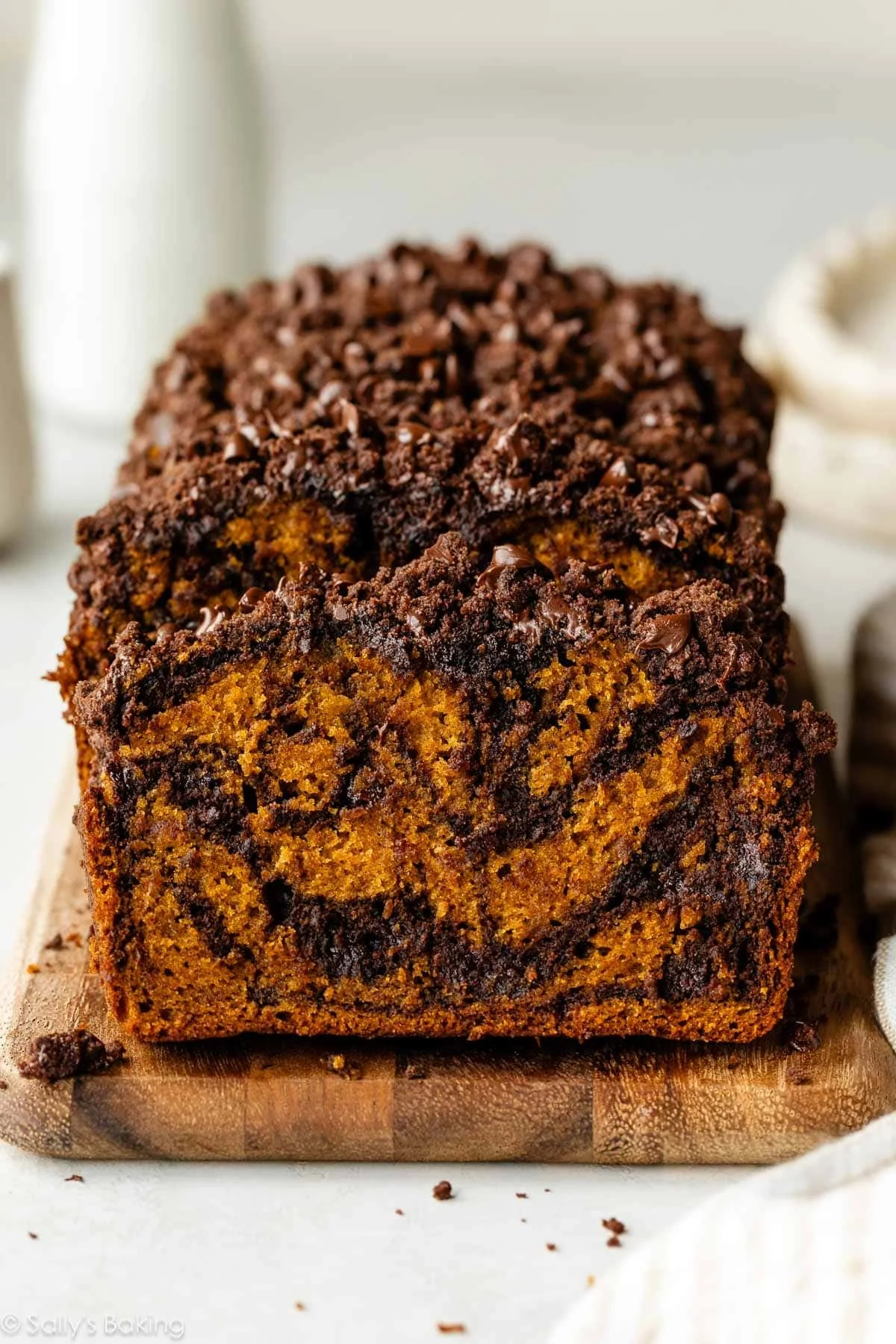

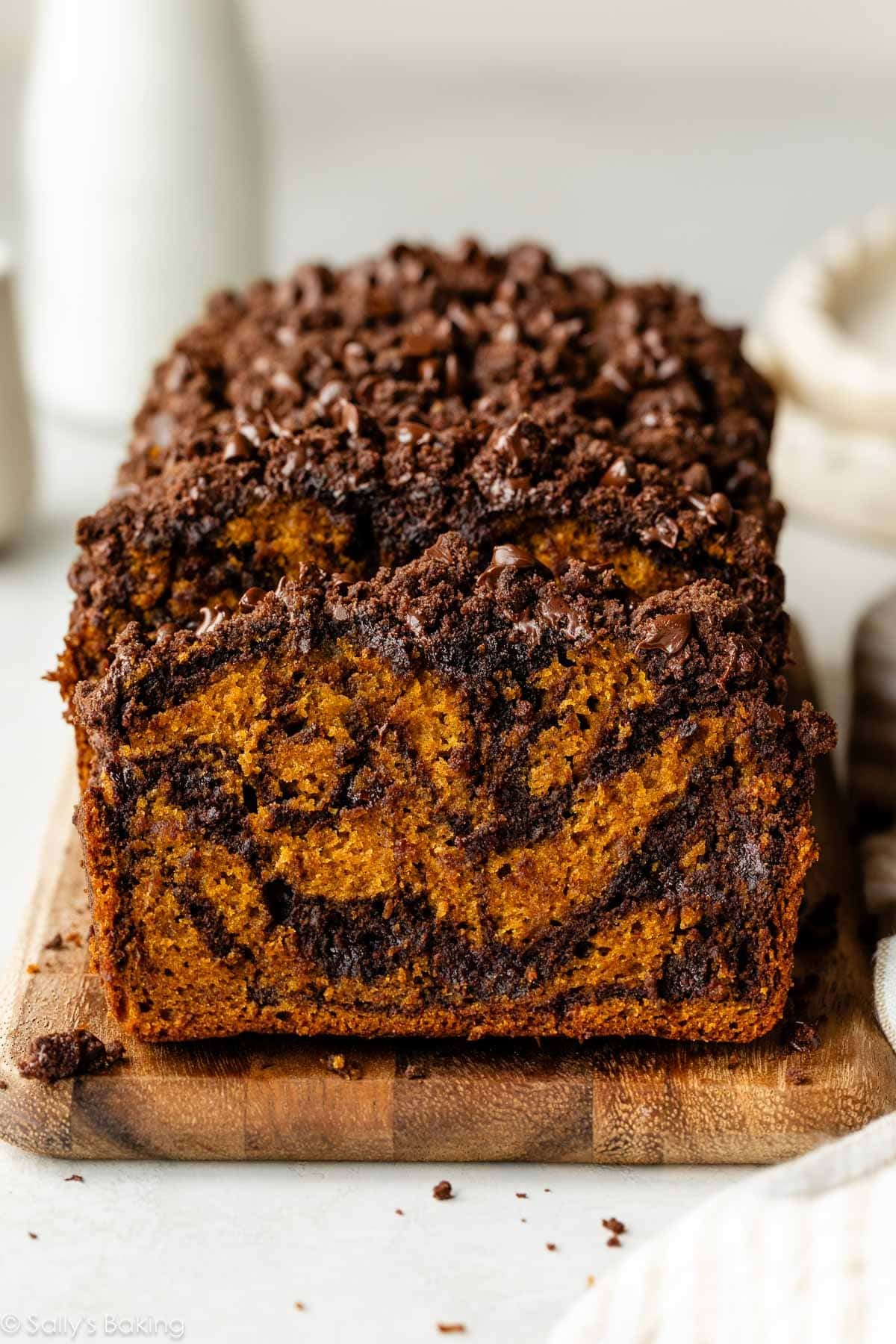
The culinary intersection of seasonal autumn staples and classic confectionary techniques has reached a new development with the emergence of the chocolate marble pumpkin bread. This hybrid loaf, which synthesizes the dense, spiced profile of traditional quick breads with the indulgent texture of a chocolate-streusel-topped cake, represents a significant evolution in home baking trends for the upcoming fall season. By utilizing a singular base batter that is bifurcated and flavor-profiled in real-time, the recipe offers a lesson in culinary efficiency while simultaneously bridging the gap between standard quick breads and high-end pâtisserie.
Chronological Development and Culinary Methodology

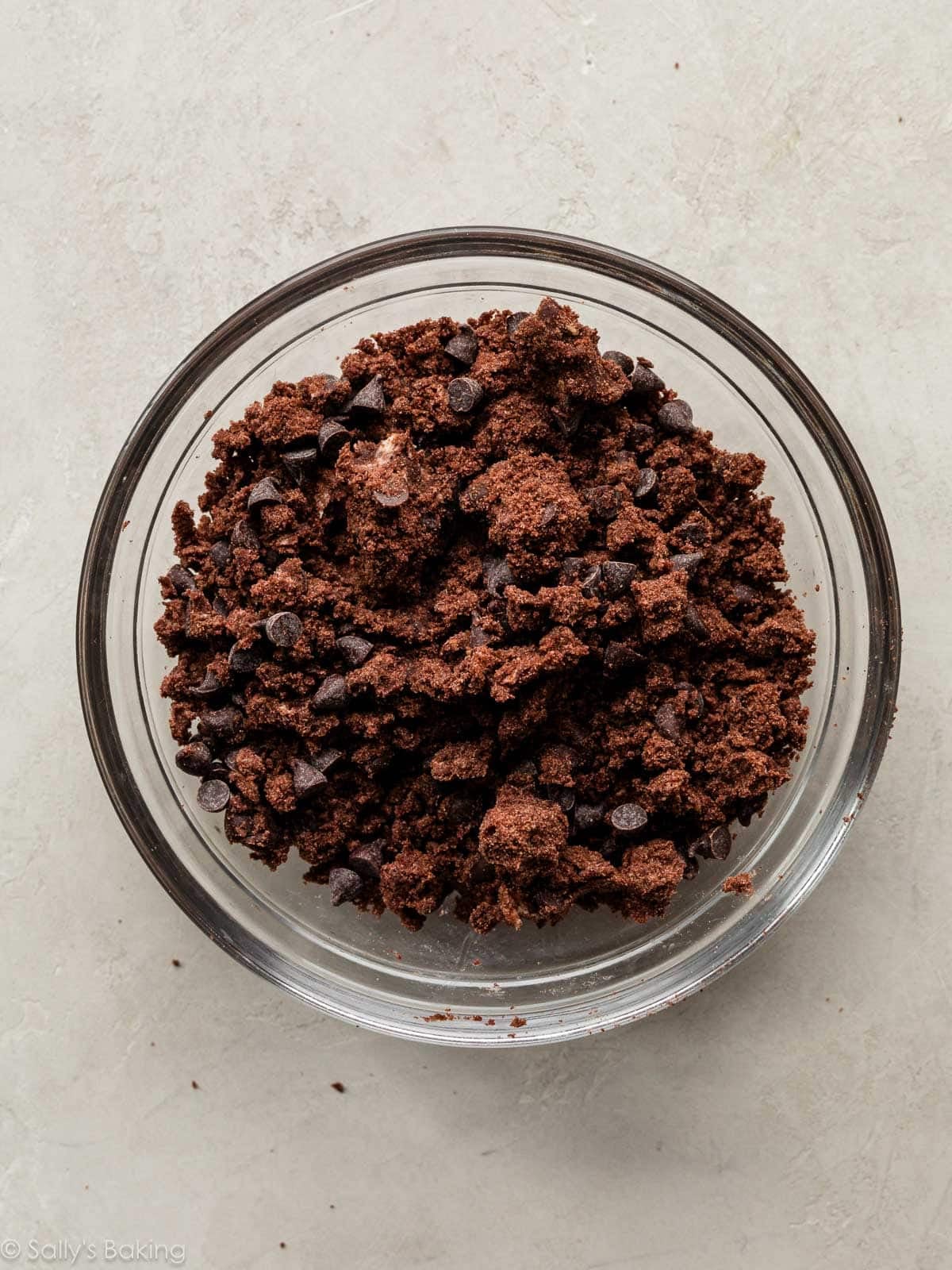
The development of this recipe follows a multi-stage procedural approach designed to maximize texture and flavor integration. The process begins with the preparation of a chocolate streusel topping. Culinary experts recommend that this component be chilled in a refrigerated or sub-zero environment prior to application. This thermal management ensures that the streusel maintains its structural integrity when exposed to high-heat baking, resulting in a distinct, crumbly texture that prevents the top of the loaf from becoming oversaturated by the moisture of the pumpkin base.
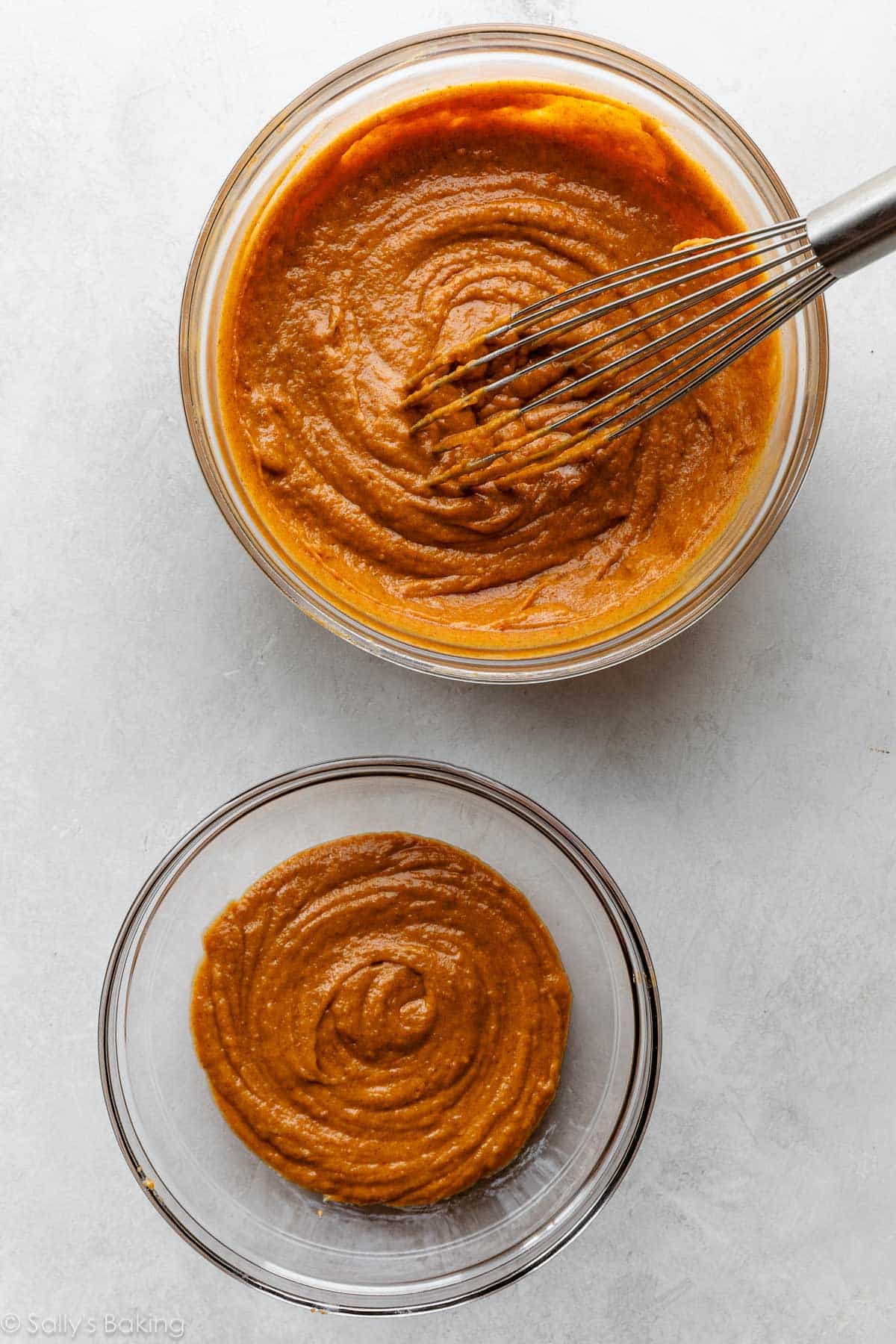
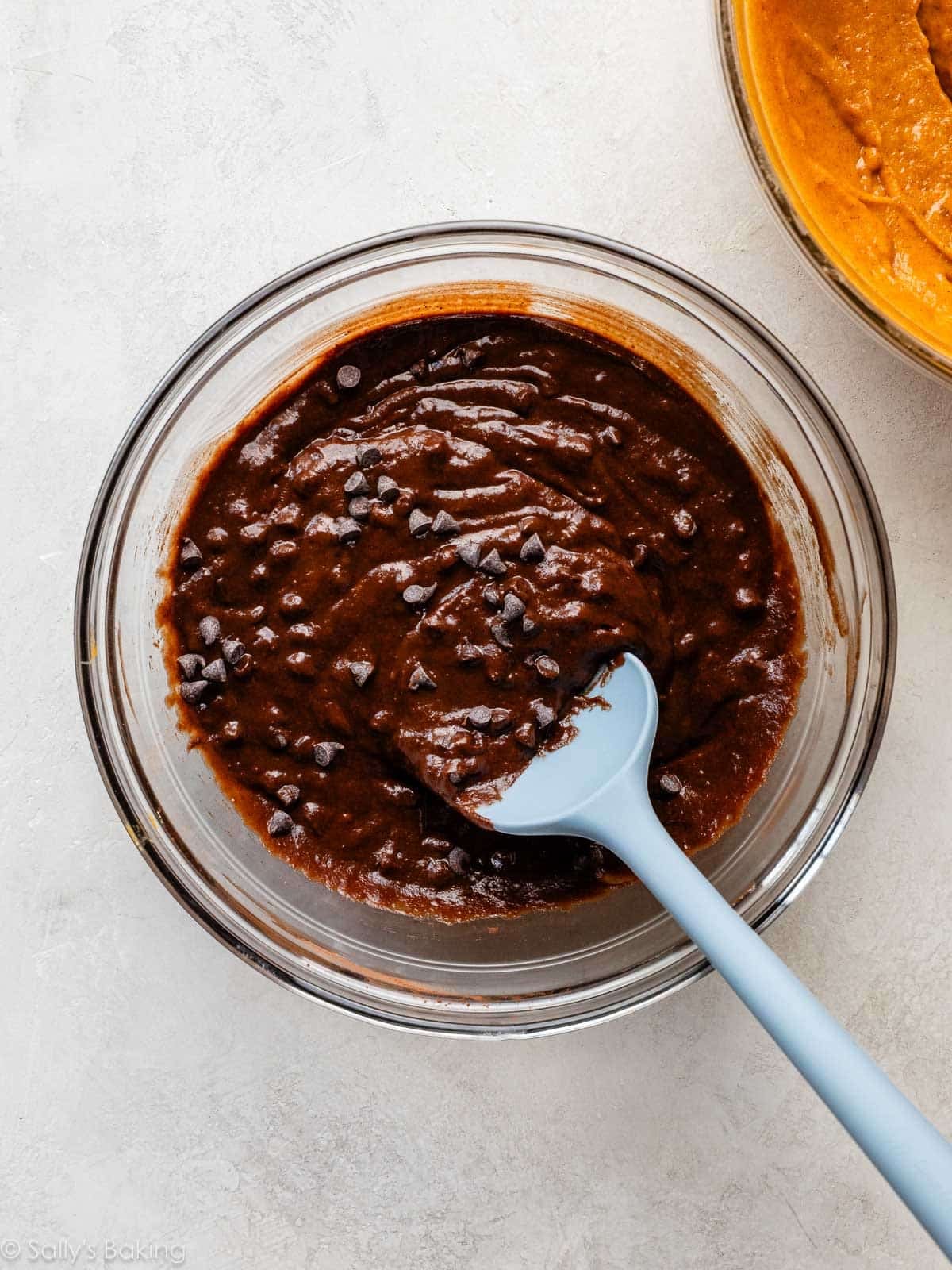
Following the preparation of the topping, the base batter is created by combining dry and wet ingredients in a standardized quick-bread emulsion. A defining technical aspect of this recipe is the division of the primary batter. Approximately 280 grams of the base is separated to form the chocolate component. To this portion, bakers incorporate cocoa powder and espresso powder. The addition of espresso is a deliberate culinary choice; the acidity and bitterness of the coffee work to intensify the chocolate notes, preventing the profile from becoming one-dimensional. To account for the increased dry mass, warm milk is introduced to the chocolate-infused batter, a step that facilitates the "blooming" of the cocoa and ensures a uniform crumb structure.
The assembly of the marble effect requires precise, manual intervention. By alternating dollops of the classic pumpkin batter and the chocolate-infused variant, a layered foundation is established. A standard butter knife or offset spatula is then used to perform a gentle figure-eight motion through the pan. Data suggests that over-agitation during this phase is the primary cause of muddying the distinct flavor profiles; therefore, minimal interaction is required to achieve the desired aesthetic and structural marbling.
Technical Analysis: The Parchment Sling Technique
A significant challenge in baking high-moisture, topping-heavy loaves is the extraction process. Standard loaf pans often lead to structural failure or surface damage during removal. The industry-standard solution, implemented here, is the "parchment sling." By lining the base and the two longer sides of the pan with parchment paper while leaving the shorter sides exposed for structural support, bakers create a handle mechanism. This allows for the vertical extraction of the loaf once it has reached ambient temperature, ensuring the delicate streusel topping remains intact—a vital consideration for aesthetic presentation in both domestic and professional settings.
Nutritional and Ingredient Considerations

The nutritional composition of this bread relies heavily on the quality of its core components. Pumpkin, the primary ingredient, is a dense source of Vitamin A and dietary fiber. When paired with the lipid-rich nature of a chocolate-streusel topping, the result is a high-caloric-density product. From an analytical perspective, the shift from "quick bread" to "loaf cake" is largely defined by the addition of the streusel. While traditional pumpkin bread is categorized as a breakfast item or a tea-time accompaniment, the inclusion of the chocolate component elevates the sugar and fat content, positioning the loaf as a dessert-adjacent product.
Market Context and Consumer Trends
The rise of hybrid baked goods, such as the chocolate marble pumpkin bread, mirrors broader consumer trends in the culinary industry. As inflation affects the cost of premium bakery items, there has been a documented increase in "gourmet-at-home" initiatives. Consumers are increasingly seeking recipes that offer the sensory complexity of professional bakery products but can be executed with standard kitchen equipment.
Market research indicates that seasonal flavor profiles, particularly those involving pumpkin and spice, see an 18% surge in search volume and social media engagement between the months of September and November. By integrating chocolate—a universally popular flavor profile—into the seasonal pumpkin base, the recipe mitigates the risk of "seasonal fatigue" often associated with pumpkin-only products. Professional bakers and food scientists suggest that this type of cross-pollination of flavors is a direct response to a consumer base that demands both novelty and comfort.
Expert Reactions and Culinary Implications
Early feedback from test kitchens has been largely positive, citing the structural balance of the loaf as its most notable characteristic. The moistness of the pumpkin base, attributed to the pumpkin purée’s natural water content, prevents the chocolate-infused sections from drying out during the extended bake time required for a loaf of this mass.
"The success of this recipe lies in its controlled volatility," notes one culinary analyst. "By using one batter to create two, the baker maintains a consistent crumb structure throughout the loaf, which is a common failure point in multi-batter cakes."
Furthermore, the implementation of a "tenting" procedure—placing aluminum foil over the loaf during the final stages of the baking process—is a crucial technical adjustment. Because the chocolate streusel is exposed to direct heat, the potential for oxidation and burning is high. The tenting process allows the internal temperature to rise sufficiently to cook the center of the loaf without compromising the integrity of the sugar-and-cocoa-based topping.
Future Outlook for Quick Bread Innovation
The success of this specific recipe provides a roadmap for future quick bread developments. As the industry moves toward more complex, multi-textured baked goods, the focus is shifting toward "functional aesthetics"—the idea that a product must look visually intricate while maintaining a simple, replicable workflow. The marble effect provides a high visual yield, often perceived as a sign of advanced baking skill, despite its relative ease of execution.
As the fall season progresses, it is anticipated that this recipe will serve as a template for other seasonal flavor pairings. The methodology—splitting a base batter and adding concentrated dry ingredients—can be applied to various profiles, including chai-spiced base with vanilla-glaze toppings, or maple-pecan bases with fruit swirls. The resilience of the quick bread category in the current economic climate suggests that these "affordable luxuries" will continue to occupy a central place in home baking repertoires for the foreseeable future.
In conclusion, the chocolate marble pumpkin bread is more than a seasonal novelty; it is a manifestation of modern baking techniques designed to maximize efficiency without sacrificing the sensory experience. By adhering to the precise sequence of cooling the topping, managing the batter viscosity, and utilizing structural supports like the parchment sling, the home baker is able to replicate the results of a professional kitchen. This synthesis of flavor, texture, and visual appeal ensures that the recipe will remain a fixture in the autumn culinary landscape.