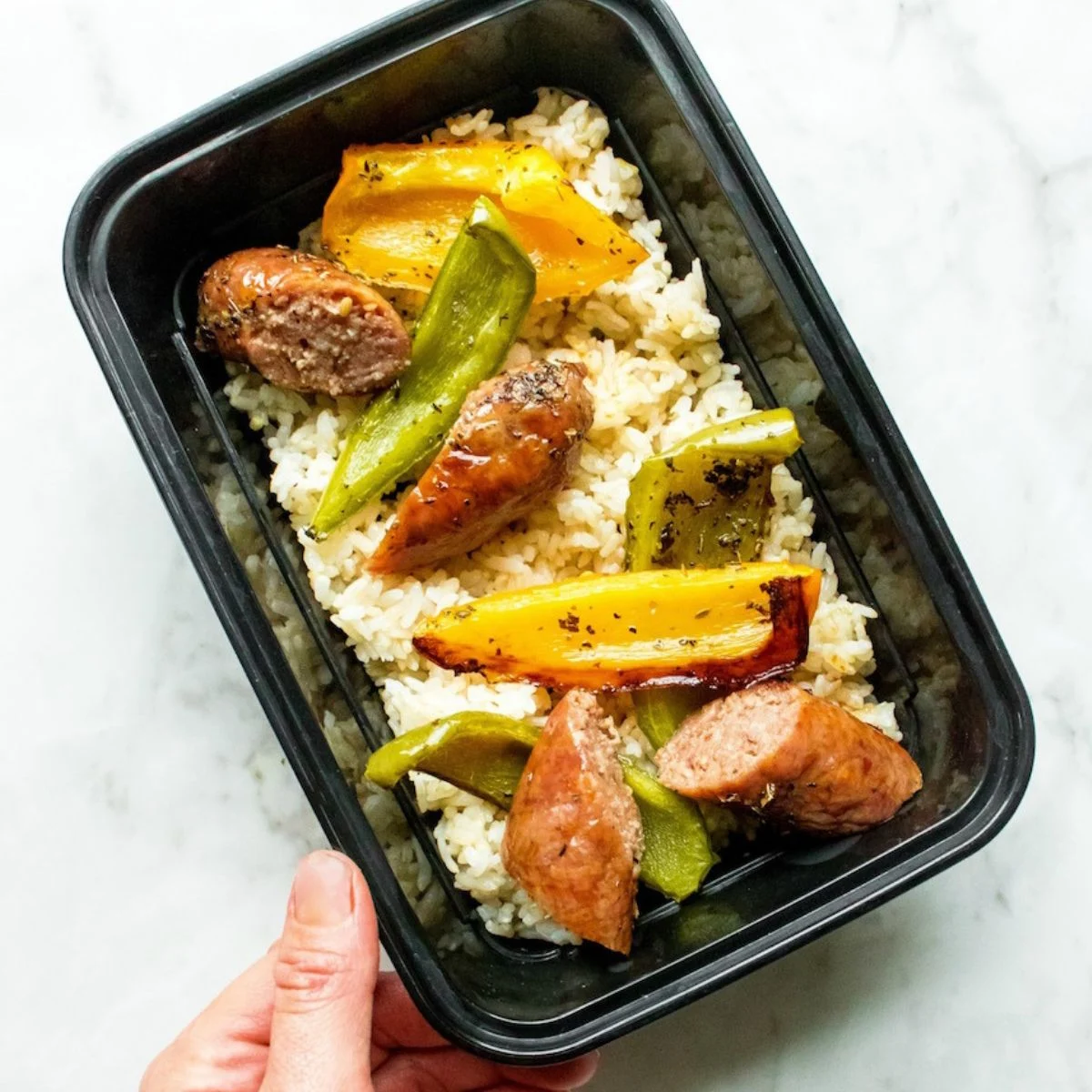

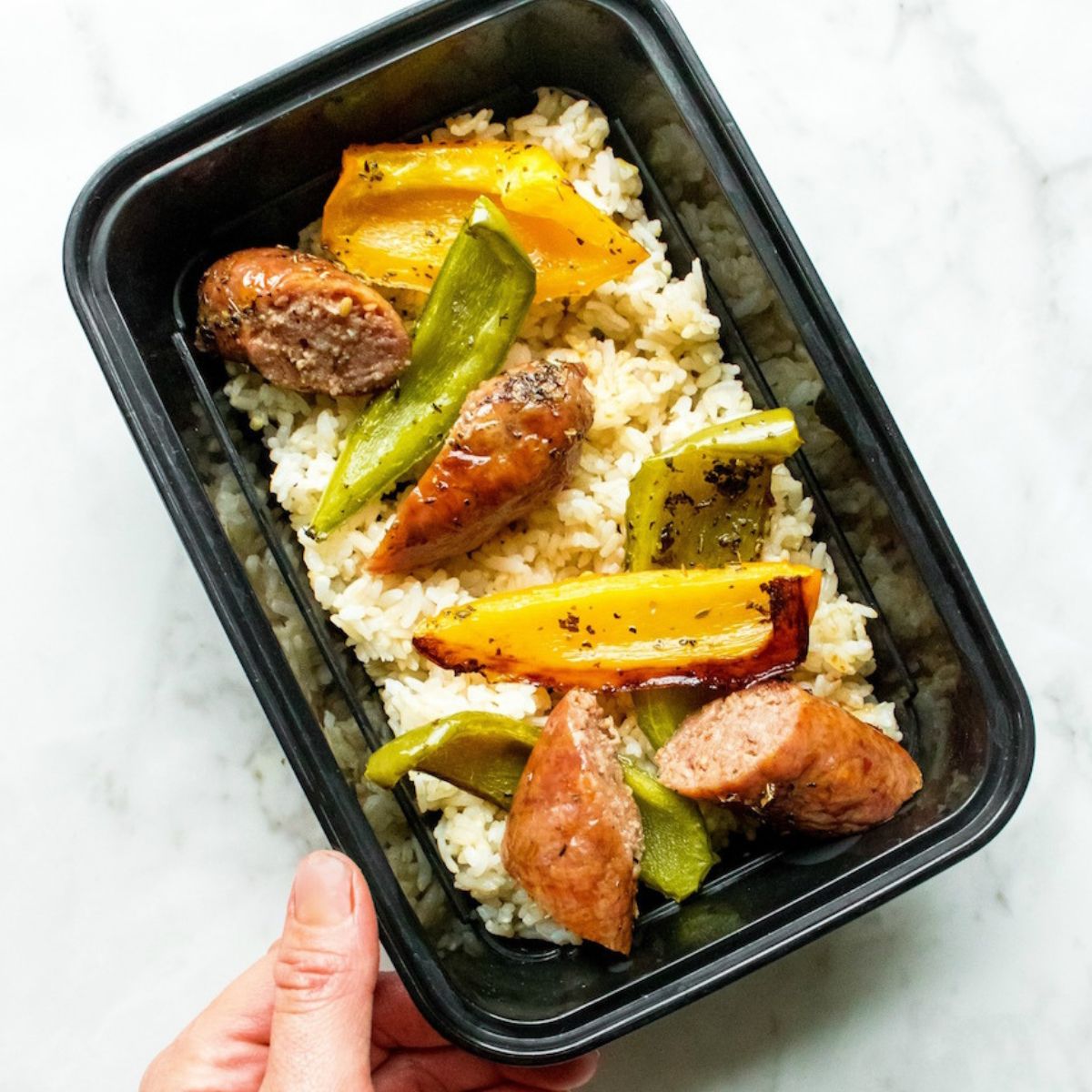
The culinary landscape of the modern household has shifted significantly over the past decade, moving away from labor-intensive, multi-pot cooking toward efficient, high-yield meal preparation. Among the most popular iterations of this trend is the "sheet pan" method, a technique that leverages high-heat oven roasting to achieve complex flavor profiles with minimal intervention. The Sheet Pan Italian Sausage and Peppers recipe serves as a hallmark of this movement, offering a streamlined approach to a classic dish that balances nutritional value with significant time savings for the busy consumer.
The Evolution of Sheet Pan Gastronomy
The rise of sheet pan meals correlates directly with the increasing demand for "dump-and-bake" cooking solutions. Historically, Italian sausage and peppers—a staple of street fairs and home-style cooking—required stovetop sautéing, which often resulted in uneven browning and excessive cleanup. By utilizing the ambient heat of a conventional oven set to 400°F, the sheet pan method allows for the simultaneous caramelization of peppers and the consistent internal cooking of sausage links.
From a logistical standpoint, this method addresses the growing need for home-cooked meals that align with professional schedules. According to data from culinary industry analysts, the popularity of sheet pan recipes has surged by nearly 40% in the last five years, driven by a consumer demographic that prioritizes health-conscious, portion-controlled, and time-efficient dining.
Nutritional Context and Dietary Flexibility
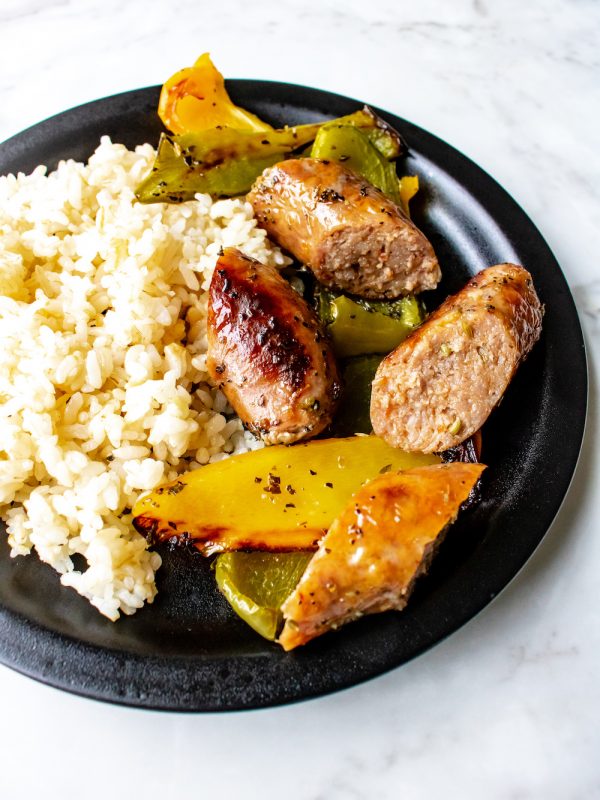
A primary advantage of this preparation method is its adaptability to various dietary requirements. The base recipe consists of protein-rich sausage, fiber-dense bell peppers, and heart-healthy olive oil, seasoned with traditional Italian herbs. When analyzed for nutritional density, a standard serving contains approximately 371 kilocalories, with a balanced macro-nutrient profile: 38 grams of carbohydrates, 14 grams of protein, and 19 grams of fat.
For those adhering to specific dietary protocols, the dish is inherently gluten-free, provided the chosen sausage links are sourced from reputable manufacturers that avoid fillers containing wheat or gluten derivatives. The inclusion of brown rice as a side dish increases the fiber content, providing sustained energy—a concept often referred to in nutrition science as "staying power." Alternatively, the dish can be modified for low-carbohydrate diets by substituting the rice base with cauliflower rice, sautéed zoodles (zucchini noodles), or a bed of mixed greens.
Systematic Preparation and Preservation
The efficiency of this dish is rooted in its structured preparation, which can be broken down into a four-stage process: procurement, preparation, thermal processing, and storage.
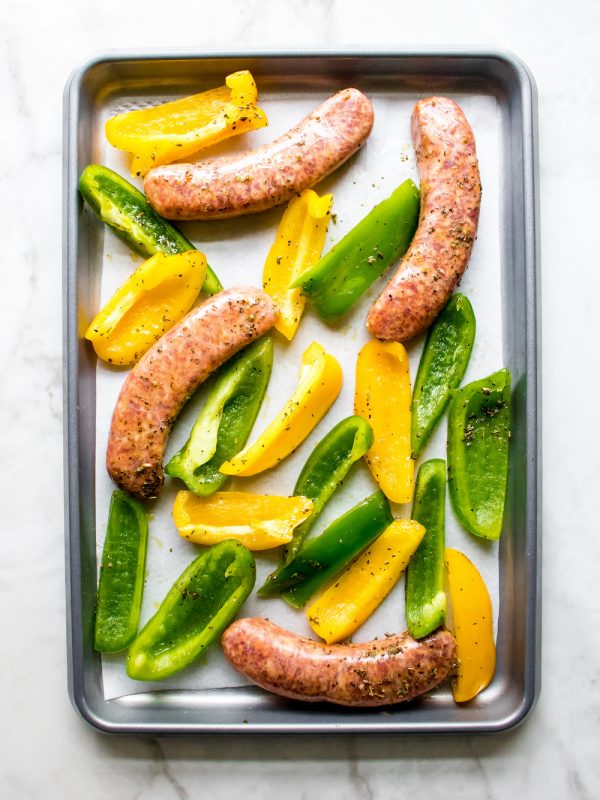
- Procurement and Initial Prep: The selection of high-quality, lean sausage—whether pork, chicken, or turkey—is critical. Bell peppers should be sliced into substantial strips to ensure they maintain structural integrity during the 30-minute roasting window.
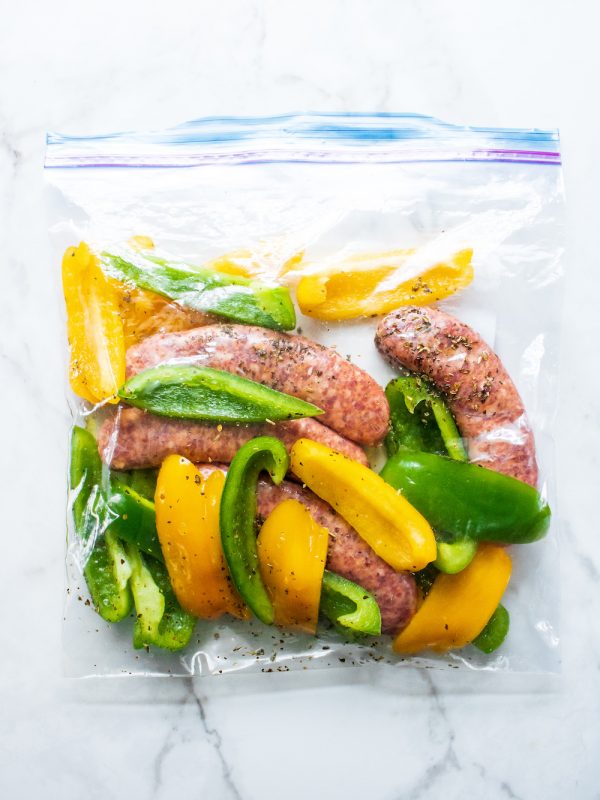
- Seasoning and Marination: Incorporating olive oil and Italian seasoning into a freezer-safe vessel allows for the penetration of flavors. This "marination" period, which can last from a few hours to an overnight cycle in the refrigerator, is a crucial step for flavor development.
- Thermal Execution: Utilizing a preheated oven at 400°F is essential for the Maillard reaction, the chemical process responsible for the savory, browned crust on the sausages and the charring of the peppers. For food safety, the internal temperature of the sausages must reach 160°F for pork or 165°F for poultry.
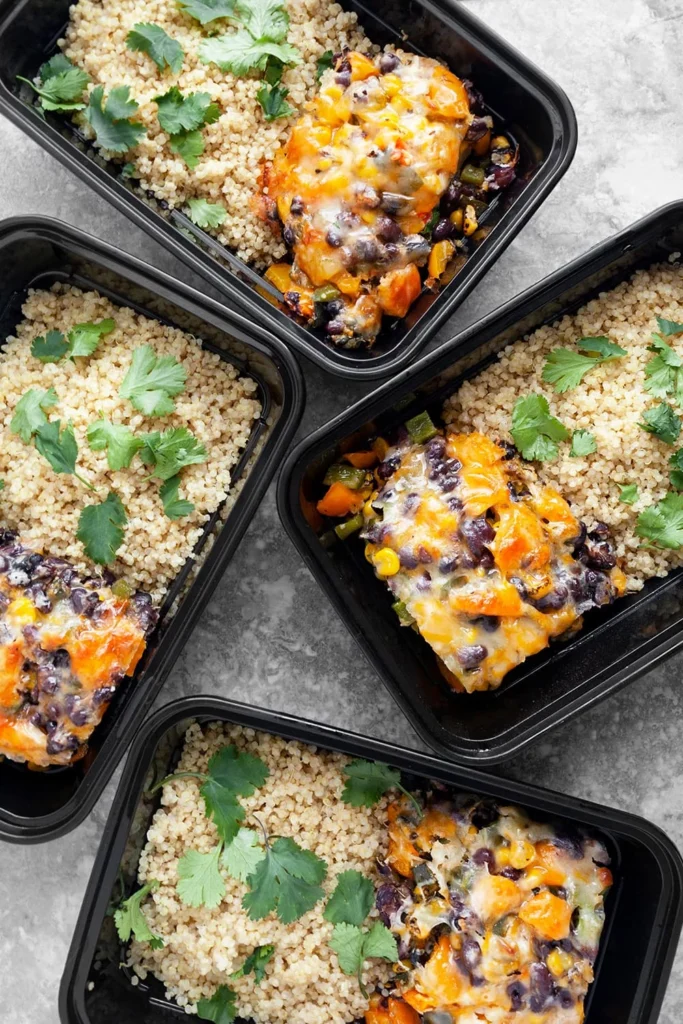
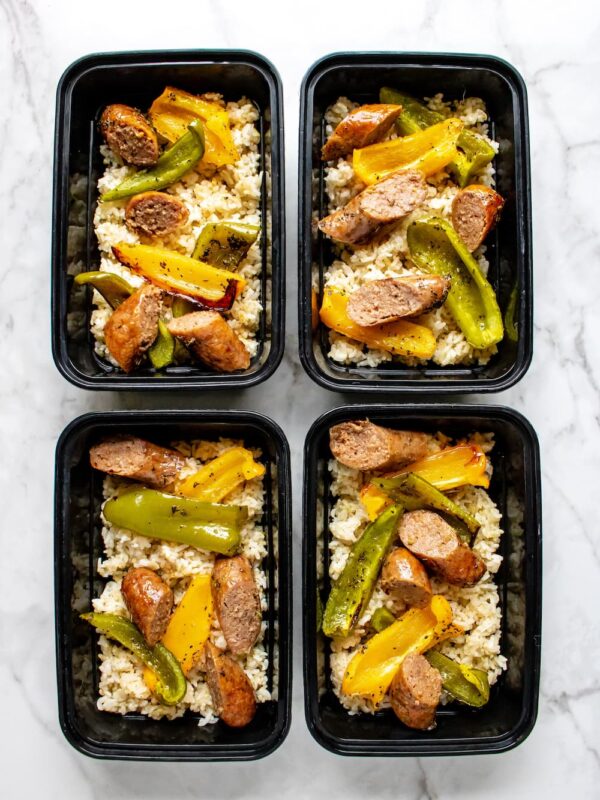
- Storage Logistics: The final stage involves portioning the meal into airtight, shallow containers. Proper cooling before sealing prevents condensation, which can negatively affect the texture of the vegetables. The dish is stable for up to four days in a standard household refrigerator.
Broader Implications for Modern Meal Prep
The shift toward simplified cooking methods like the sheet pan sausage and peppers is not merely a trend; it represents a broader systemic change in how families approach domestic management. By reducing the "friction" associated with daily meal creation, individuals are more likely to adhere to consistent nutritional goals.

Culinary experts note that the "dump-and-bake" philosophy helps reduce the reliance on processed, pre-packaged convenience foods. By dedicating just 10 minutes to initial preparation, an individual can secure four days of lunch or dinner, effectively removing the daily decision-making burden that often leads to unhealthy fast-food consumption.
Expert Perspectives and Safety Standards
Public health guidelines consistently advocate for the preparation of meals at home to maintain control over sodium and fat intake. The Sheet Pan Italian Sausage and Peppers recipe is frequently cited by dietitians and nutritionists as a "baseline" meal—a reliable, nutrient-dense foundation that can be easily customized.
Safety remains the paramount concern in any meal-prepping endeavor. The recommendation to store components in shallow, airtight containers is supported by food safety standards, which emphasize the importance of rapid cooling. When the internal temperature of the food drops below the "danger zone" (40°F to 140°F) quickly, the risk of bacterial growth is significantly mitigated.
Future Outlook and Culinary Trends
As the food industry continues to evolve, the focus on sustainable, time-efficient recipes will likely remain at the forefront. The versatility of the sausage and pepper combination—which can be transitioned into a sandwich, served over polenta, or incorporated into a pasta dish—demonstrates the adaptability required by the modern consumer.
The integration of technology, such as automated meal planners and macro-tracking applications, further supports this trend. By quantifying the nutritional intake of these meals, users are empowered to make data-driven decisions about their health. The Sheet Pan Italian Sausage and Peppers serves as a prime example of how traditional flavors can be harmonized with the demands of a high-paced, modern lifestyle.
Ultimately, the sustainability of this meal prep method lies in its simplicity. By minimizing the time spent in the kitchen without sacrificing the quality or the health benefits of the meal, it provides a viable solution to one of the most common challenges faced by working professionals: maintaining a healthy diet amidst a demanding schedule. Whether one chooses to serve it over a grain base or as a lighter, vegetable-forward dish, the core components remain a testament to the effectiveness of the sheet pan method in contemporary culinary practice.