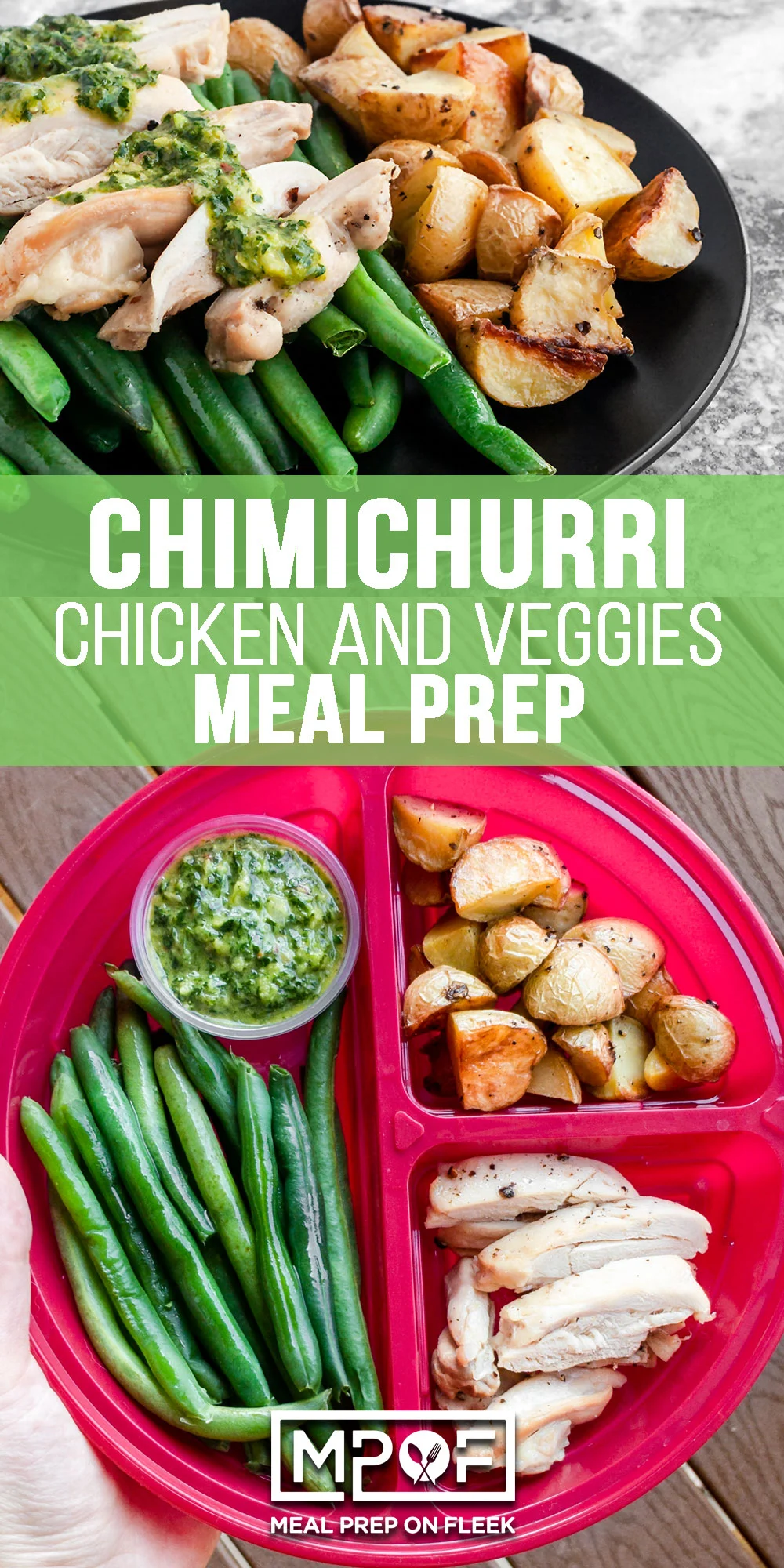

The Evolution of Sheet Pan Culinary Techniques
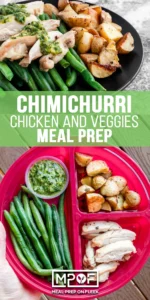
The methodology behind sheet pan cooking rests on the principle of thermal efficiency. By distributing proteins and fibrous vegetables across a single flat surface, the cook ensures that heat is applied uniformly. This technique is particularly effective for chicken thighs, which possess a higher fat content than breast meat, allowing them to remain succulent during the 25 to 30-minute roasting window required for potatoes and green beans.
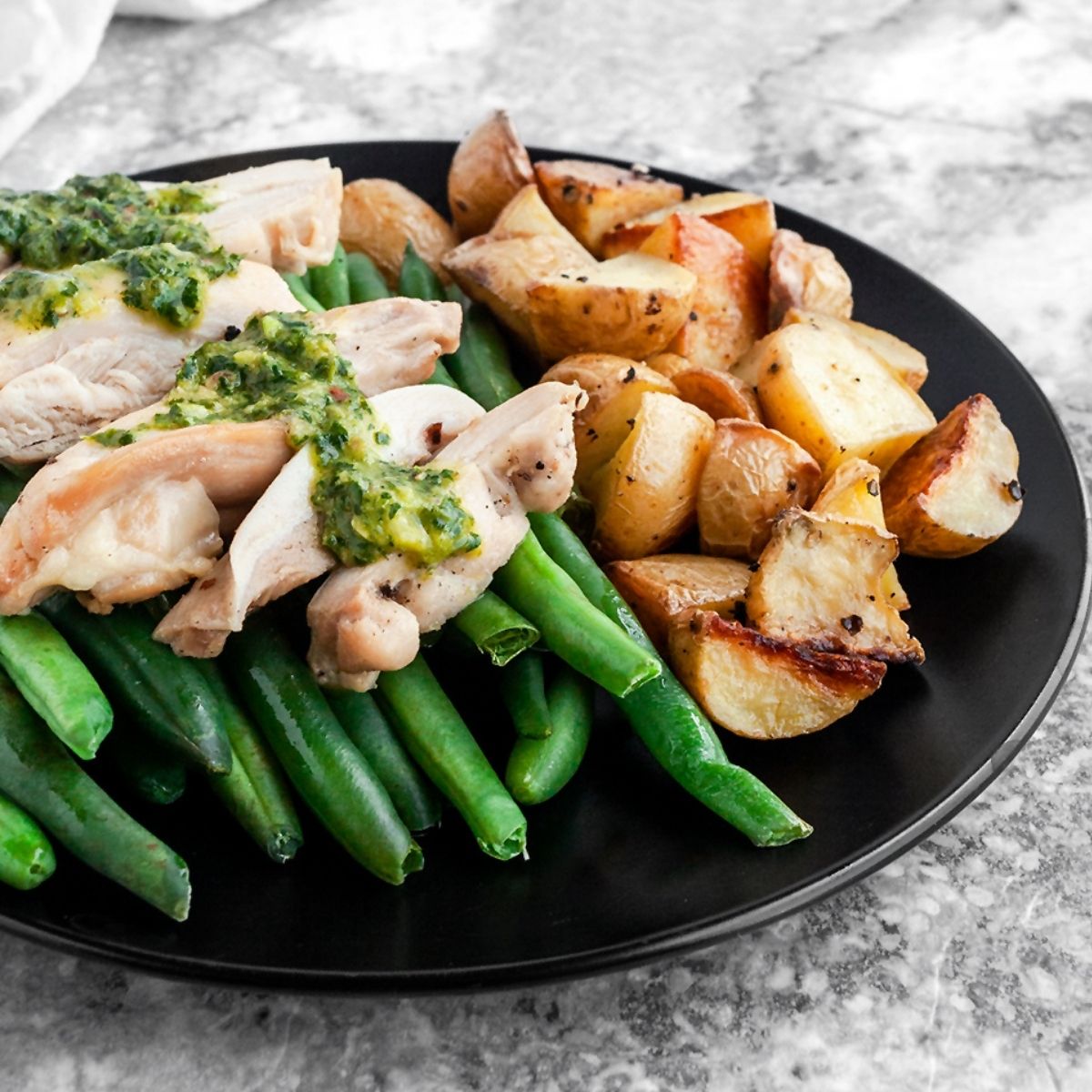
Historically, domestic meal preparation has shifted away from long-form stove-top cooking toward oven-centric techniques that allow for "passive" kitchen time. Data from food industry analysts suggest that meal prep, as a habit, has seen a 20% increase in search volume and adoption since 2019, driven by the desire for cost-effective alternatives to prepared takeout meals. This specific chimichurri-based dish serves as a primary example of how professional-grade flavor profiles can be achieved within the constraints of a standard domestic kitchen schedule.
Nutritional Composition and Macro-Nutrient Analysis
From a physiological perspective, this meal offers a balanced distribution of macronutrients. Each portion provides approximately 37.6 grams of protein, essential for muscle repair and metabolic maintenance. The inclusion of gold potatoes introduces complex carbohydrates, which provide a steady release of energy, while the avocado oil and olive oil base of the chimichurri provide monounsaturated fats, which are conducive to cardiovascular health.
The caloric density of this meal—clocking in at roughly 649 calories per serving—is calibrated to meet the needs of an active adult. Fiber content, derived from the green beans and the herb-heavy sauce, supports digestive health, ensuring that the meal remains satiating for longer periods. Experts in sports nutrition often advocate for this specific combination of ingredients because it avoids the "crash" associated with high-glycemic index meals, making it an ideal candidate for lunch-break consumption in a professional environment.
Chronological Preparation Framework
The preparation cycle for this dish is structured into five distinct phases, designed to optimize the workflow and ensure food safety:
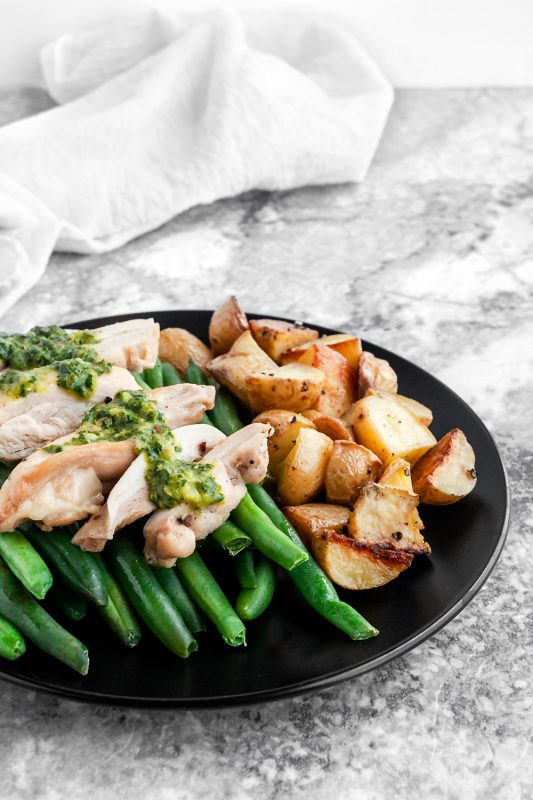
- Pre-heat and Sanitization (0-5 minutes): The oven must reach a temperature of 400°F. The physical separation of raw poultry from other ingredients on the sheet pan remains a critical safety step to prevent cross-contamination.
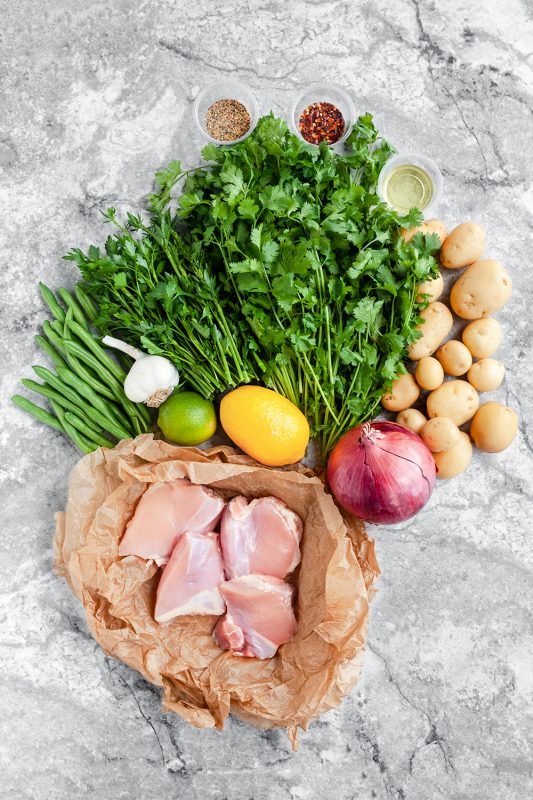
- Component Preparation (5-15 minutes): The potatoes are quartered to ensure the internal surface area cooks at the same rate as the green beans. Trimming the beans and patting the chicken dry is essential for texture; excess moisture on the surface of the meat can lead to steaming rather than roasting, which inhibits the Maillard reaction—the chemical process responsible for browning and depth of flavor.
- Thermal Processing (25-30 minutes): Once the ingredients are placed in the oven, the timing is calibrated so that the chicken reaches an internal temperature of 165°F. This specific temperature is the industry standard set by health authorities for the safe consumption of poultry.
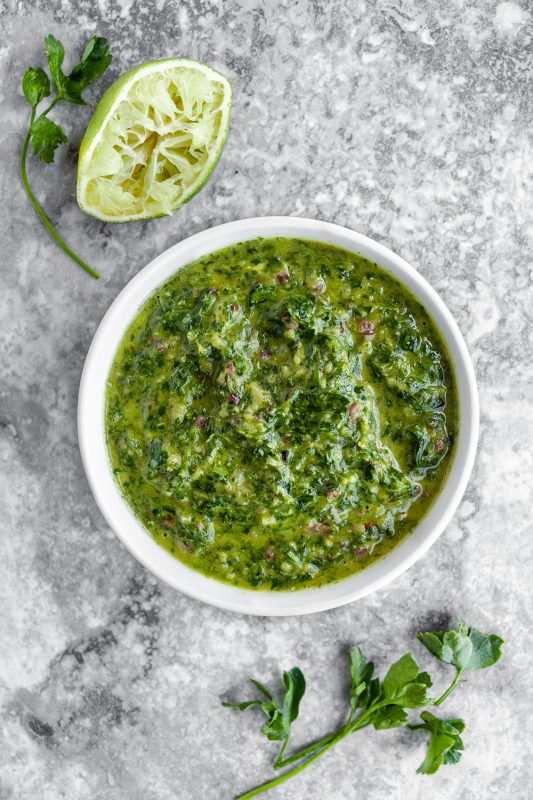
- Emulsification (5-10 minutes): The chimichurri sauce, an Argentine staple, is prepared while the oven is in operation. The use of a blender or food processor to combine parsley, cilantro, garlic, lime, and olive oil creates a high-acid, high-antioxidant condiment that serves as a flavor bridge between the protein and the starch.
- Cooling and Storage (10-15 minutes): Post-cooking, the thermal mass of the food must be reduced before it is sealed in airtight containers. This prevents the accumulation of condensation within the container, which would otherwise degrade the texture of the vegetables over the subsequent 96 hours.
Professional Perspectives on Meal Preservation
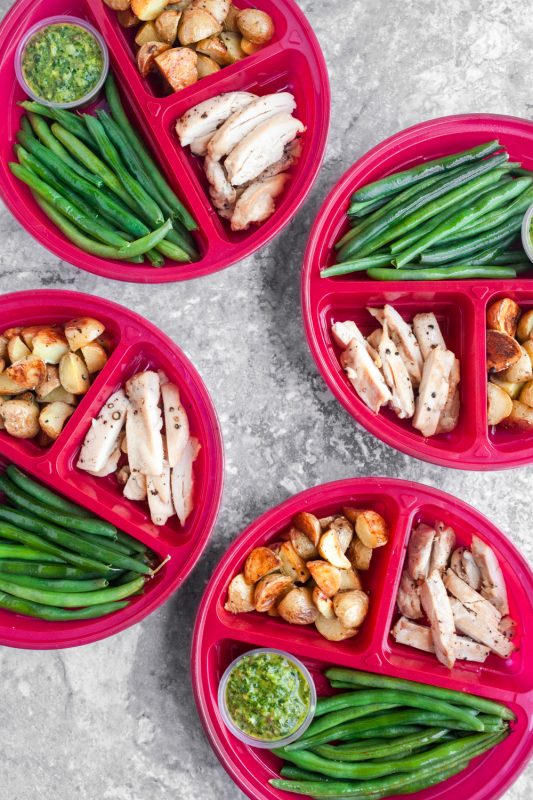
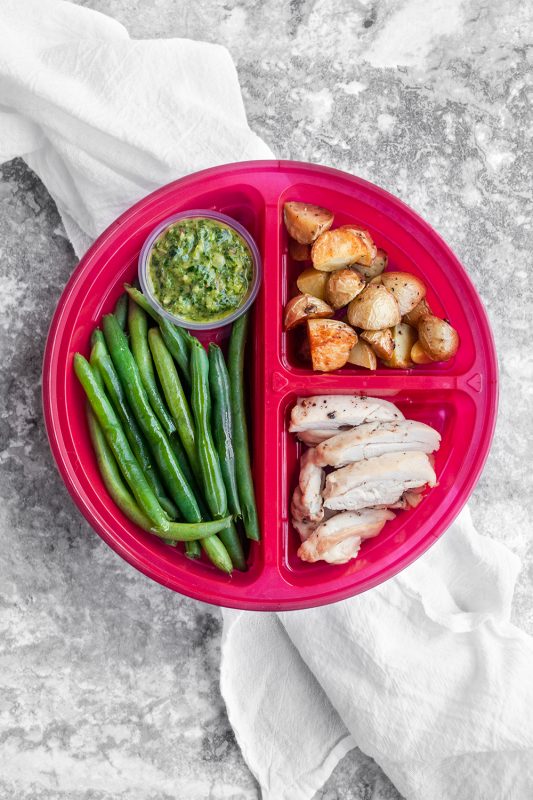
Dietitians and food safety experts emphasize that the longevity of this meal—up to four days under refrigeration—is contingent upon proper cooling practices. Rapid cooling followed by immediate refrigeration inhibits the proliferation of foodborne pathogens.
Regarding the storage of the chimichurri, there is a consensus that keeping the sauce separate from the protein until the moment of consumption is the superior method. The acidity in the citrus components of the sauce can, over time, alter the texture of the chicken if allowed to marinate for an extended duration in the refrigerator. By storing the sauce in a secondary, smaller container, the integrity of both the sauce’s herbal brightness and the chicken’s roasted exterior is preserved.
Economic and Lifestyle Implications
The financial efficiency of this recipe cannot be overlooked. By purchasing ingredients in bulk—specifically the chicken thighs and seasonal vegetables—consumers can reduce the per-meal cost significantly compared to daily restaurant or cafeteria purchases. A brief cost-benefit analysis suggests that a household can save approximately 50-70% per meal by adopting this batch-cooking approach.
Beyond the financial metrics, there is a notable psychological benefit to the structure provided by this meal prep. Research in behavioral economics indicates that decision fatigue is a significant factor in unhealthy eating habits. By pre-determining the menu for four consecutive days, individuals effectively eliminate the daily "what should I eat?" dilemma. This, in turn, reduces the likelihood of impulsive, less-nutritious food choices during the workweek.
Sustainability and Food Waste Reduction
The utilization of the entire vegetable—including the stems of the herbs and the skins of the gold potatoes—aligns with contemporary sustainability movements aimed at reducing household food waste. Sheet pan meals, by their nature, allow for the use of "imperfect" produce that might otherwise be discarded. Furthermore, the ability to store the chicken and potatoes for up to two months in a frozen state provides a contingency plan, offering a flexible buffer for households with unpredictable schedules.
Future Trends in Batch Preparation
As the demand for high-protein, low-prep meals continues to rise, the culinary industry is seeing a shift toward modular recipes. This chimichurri chicken model is highly scalable; it can be adjusted for higher or lower caloric needs by simply altering the portion of potatoes or the fat content in the sauce. Looking ahead, the integration of smart-kitchen technology—such as ovens with precise temperature sensors that notify users when the 165°F threshold is reached—will likely make this process even more foolproof.
In conclusion, the Sheet Pan Chimichurri Chicken and Veggies recipe represents more than just a list of ingredients; it is a refined logistical approach to nutrition. By leveraging the principles of thermodynamics, food safety, and macro-nutrient balance, it offers a sustainable template for the modern, time-constrained individual. It remains a foundational recipe in the meal-prep canon, providing consistent, reliable, and nutritionally dense fuel that stands up to the rigors of a four-day storage cycle without sacrificing quality or flavor. Through deliberate preparation and informed storage, the meal transforms from a mere caloric requirement into a reliable component of a healthy, productive lifestyle.