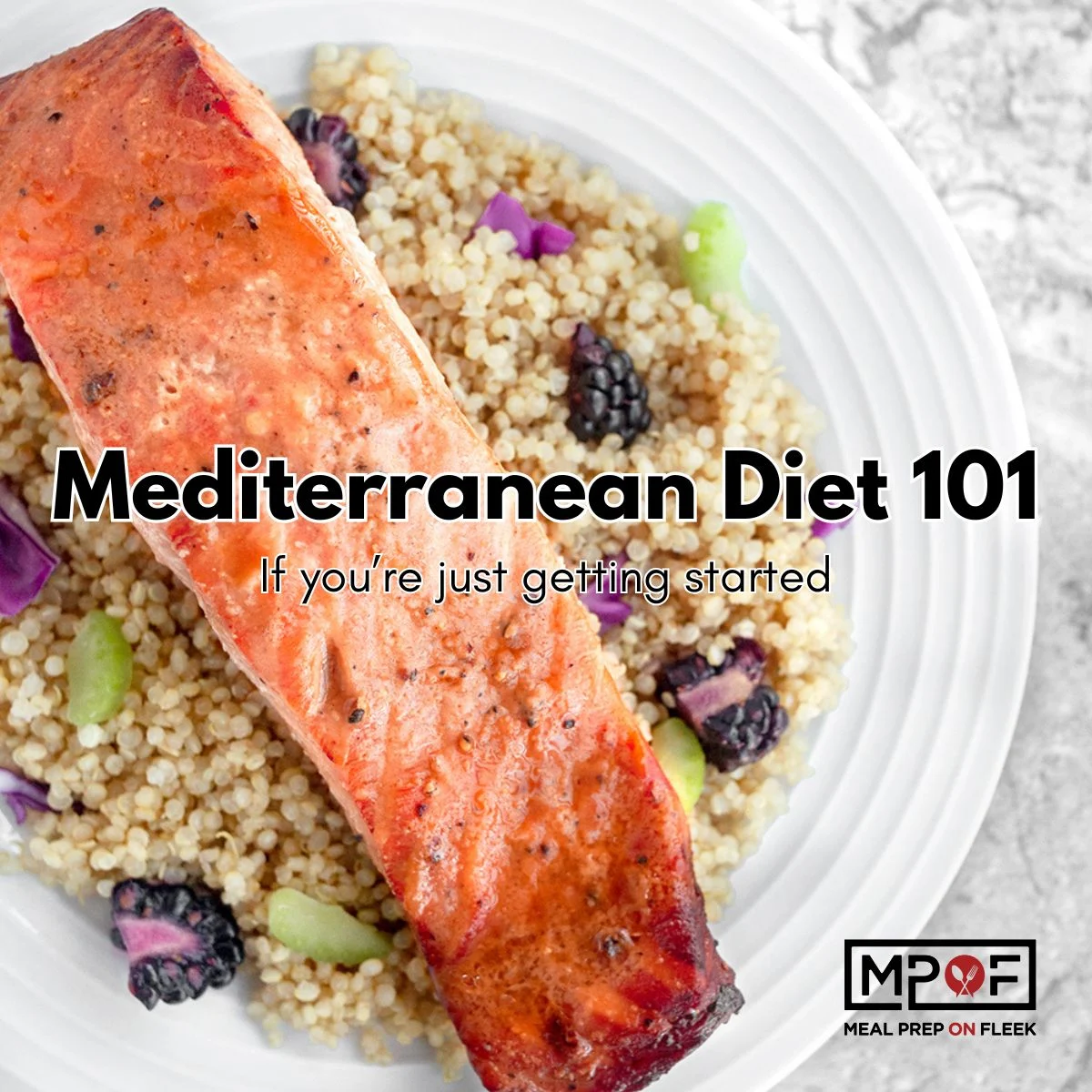

The Mediterranean diet, a dietary pattern inspired by the traditional eating habits of countries bordering the Mediterranean Sea, has garnered significant attention for its purported health benefits and sustainable approach to eating. Far from being a restrictive regimen, this way of eating emphasizes whole, unprocessed foods, healthy fats, and a lifestyle centered around nourishing meals and social connection. This article delves into the origins, core principles, extensive benefits, potential considerations, and practical application of the Mediterranean diet, offering a comprehensive overview for those seeking a balanced and health-conscious lifestyle.
Origins and Evolution of the Mediterranean Diet
The concept of the Mediterranean diet emerged in the mid-20th century following observations of lower rates of chronic diseases, particularly cardiovascular disease, among populations in countries like Greece, Southern Italy, and Spain. Researchers, notably Ancel Keys, noted that these populations, while not necessarily affluent, exhibited remarkable longevity and vitality, which they attributed, in large part, to their traditional dietary patterns. These patterns, prevalent in the 1940s and 1950s, were characterized by a high intake of plant-based foods, moderate consumption of fish and dairy, and infrequent consumption of red meat and sweets.
Over the decades, as Westernized diets became more prevalent globally, the traditional Mediterranean way of eating began to shift. However, the documented health advantages spurred a renewed interest in its principles, leading to its widespread adoption and adaptation as a recommended dietary approach by health organizations worldwide. The modern interpretation of the Mediterranean diet retains its core tenets while acknowledging the need for accessibility and flexibility in contemporary lifestyles.
Core Principles of the Mediterranean Diet
At its heart, the Mediterranean diet is not a rigid set of rules but rather a flexible framework for healthy eating. It prioritizes an abundance of nutrient-dense foods while limiting those that offer little nutritional value. The fundamental components of this dietary pattern include:
- High Consumption of Fruits and Vegetables: A cornerstone of the diet, these provide essential vitamins, minerals, fiber, and antioxidants. Emphasis is placed on variety and seasonal produce.
- Whole Grains: Unprocessed grains like whole wheat, oats, barley, and quinoa are favored for their fiber content, which aids digestion and promotes satiety.
- Legumes: Beans, lentils, and chickpeas are significant sources of plant-based protein and fiber, making them integral to many Mediterranean meals.
- Nuts and Seeds: These offer healthy monounsaturated and polyunsaturated fats, protein, and micronutrients. They are often consumed as snacks or added to dishes for texture and flavor.
- Olive Oil as the Primary Fat Source: Extra virgin olive oil is the preferred fat for cooking, dressing, and as a flavor enhancer. Its rich content of monounsaturated fats and antioxidants is a key health benefit.
- Fish and Seafood: Regular consumption, ideally two to three times per week, of fatty fish like salmon, mackerel, and sardines is encouraged due to their omega-3 fatty acid content.
- Moderate Dairy Consumption: Traditionally, this includes yogurt and cheese, often consumed in moderation.
- Limited Poultry and Eggs: These are consumed in smaller quantities compared to plant-based foods and fish.
- Low Consumption of Red Meat and Sweets: Red meat is typically reserved for special occasions, and sugary foods and beverages are consumed infrequently.
- Herbs and Spices: These are used generously to flavor dishes, reducing the reliance on salt and unhealthy fats.
- Water as the Primary Beverage: Hydration is key, with water being the most recommended drink. Wine, particularly red wine, may be consumed in moderation with meals, but this is not a universal recommendation and should be approached with caution.
Beyond the plate, the Mediterranean lifestyle also embraces principles such as regular physical activity, mindful eating, and the social aspect of sharing meals with family and friends, contributing to overall well-being.
Extensive Health Benefits Supported by Data
The Mediterranean diet’s enduring popularity is significantly driven by a robust body of scientific evidence supporting its multifaceted health benefits. Extensive research, including large-scale epidemiological studies and randomized controlled trials, has consistently demonstrated its positive impact on various aspects of health.

1. Cardiovascular Health:
Perhaps the most well-documented benefit, the Mediterranean diet is renowned for its ability to protect heart health. Studies, such as the PREDIMED (Prevención con Dieta Mediterránea) trial, have shown a significant reduction in the incidence of major cardiovascular events, including heart attack and stroke, in individuals following a Mediterranean-style eating pattern. This is largely attributed to the diet’s emphasis on monounsaturated fats from olive oil, omega-3 fatty acids from fish, and the abundance of fiber and antioxidants from fruits, vegetables, and whole grains. These components work synergistically to improve cholesterol profiles, lower blood pressure, reduce inflammation, and enhance endothelial function.
2. Diabetes Management and Prevention:
The Mediterranean diet’s emphasis on whole grains, legumes, and vegetables, which are rich in fiber, contributes to better blood sugar control. The slow release of glucose into the bloodstream helps prevent sharp spikes and subsequent crashes, making it beneficial for individuals with type 2 diabetes or those at risk. Research has indicated that adherence to the Mediterranean diet can reduce the risk of developing type 2 diabetes by up to 50%.
3. Weight Management:
While not a restrictive "diet" in the traditional sense, the Mediterranean eating pattern can effectively support weight management. The high fiber and protein content of its core foods promote satiety, helping individuals feel fuller for longer and reducing the likelihood of overeating or frequent snacking on less healthy options. The focus on nutrient-dense, whole foods also means that individuals are consuming more volume with fewer calories, contributing to a sustainable calorie deficit if needed.
4. Cognitive Function and Brain Health:
Emerging research suggests a strong link between the Mediterranean diet and improved cognitive function, particularly as individuals age. The abundance of antioxidants and anti-inflammatory compounds, especially omega-3 fatty acids, is believed to protect brain cells from damage and reduce the risk of neurodegenerative diseases like Alzheimer’s. Studies have observed that adherence to this diet is associated with better memory, attention, and executive function.
5. Cancer Risk Reduction:
The high intake of fruits, vegetables, and olive oil, all rich in antioxidants and phytochemicals, may play a role in reducing the risk of certain types of cancer. These compounds help combat oxidative stress and inflammation, which are implicated in cancer development. While not a cure or sole preventative measure, incorporating a Mediterranean dietary pattern into one’s lifestyle is considered a proactive step toward reducing cancer risk.

6. Bone Health:
While dairy is not a primary focus, the Mediterranean diet provides essential nutrients for bone health, including calcium from leafy greens and moderate dairy intake, magnesium from nuts and seeds, and vitamin K from vegetables. Some studies also suggest that compounds in olive oil may positively influence bone density.
7. Gut Health:
The high fiber content from fruits, vegetables, whole grains, and legumes serves as prebiotics, feeding beneficial gut bacteria. A healthy gut microbiome is increasingly recognized for its crucial role in overall health, influencing immunity, mood, and digestion.
Practical Application and Food Recommendations
Adopting the Mediterranean diet is a journey, not an overnight transformation. The emphasis is on making gradual, sustainable changes.
Top Recommended Foods:

- Vegetables: Leafy greens (spinach, kale, arugula), tomatoes, cucumbers, bell peppers, broccoli, cauliflower, zucchini, eggplant, onions, garlic. Aim for a rainbow of colors to maximize nutrient intake.
- Fruits: Berries, apples, oranges, grapes, melons, peaches, figs, dates. Enjoy them fresh as snacks or desserts.
- Whole Grains: Whole wheat bread and pasta, brown rice, quinoa, oats, barley, farro. Look for "100% whole grain" on labels.
- Nuts and Seeds: Almonds, walnuts, pistachios, cashews, chia seeds, flaxseeds, sunflower seeds, pumpkin seeds. Opt for unsalted and unroasted varieties.
- Healthy Fats: Extra virgin olive oil, avocados, olives.
- Herbs and Spices: Basil, oregano, rosemary, thyme, mint, parsley, dill, cinnamon, cumin, turmeric.
- Fish and Seafood: Salmon, mackerel, sardines, tuna, anchovies, shrimp, mussels.
- Legumes: Lentils, chickpeas, black beans, kidney beans, cannellini beans.
Foods to Limit:
- Added Sugars: Sugary drinks (soda, sweetened juices), candy, pastries, cookies, ice cream.
- Refined Grains: White bread, white pasta, white rice, most breakfast cereals.
- Highly Processed Foods: Packaged snacks, processed meats, ready-made meals with long ingredient lists, most fast food items.
- Saturated and Trans Fats: Found in red meat, butter, full-fat dairy, fried foods, and many processed baked goods.
- Processed Meats: Bacon, sausages, hot dogs, deli meats.
- Excess Dairy and Sugary Dairy Desserts: While moderate amounts of yogurt and cheese are acceptable, heavily sweetened yogurts and ice cream should be limited.
Mediterranean-Inspired Meal Ideas:
- Breakfast: Greek yogurt with berries, nuts, and a drizzle of honey; whole-wheat toast with avocado and a sprinkle of red pepper flakes; an omelet with spinach and feta cheese.
- Lunch: Lentil soup with whole-grain bread; a large salad with grilled chicken or chickpeas, mixed greens, tomatoes, cucumbers, olives, and an olive oil vinaigrette; quinoa salad with roasted vegetables and lemon dressing.
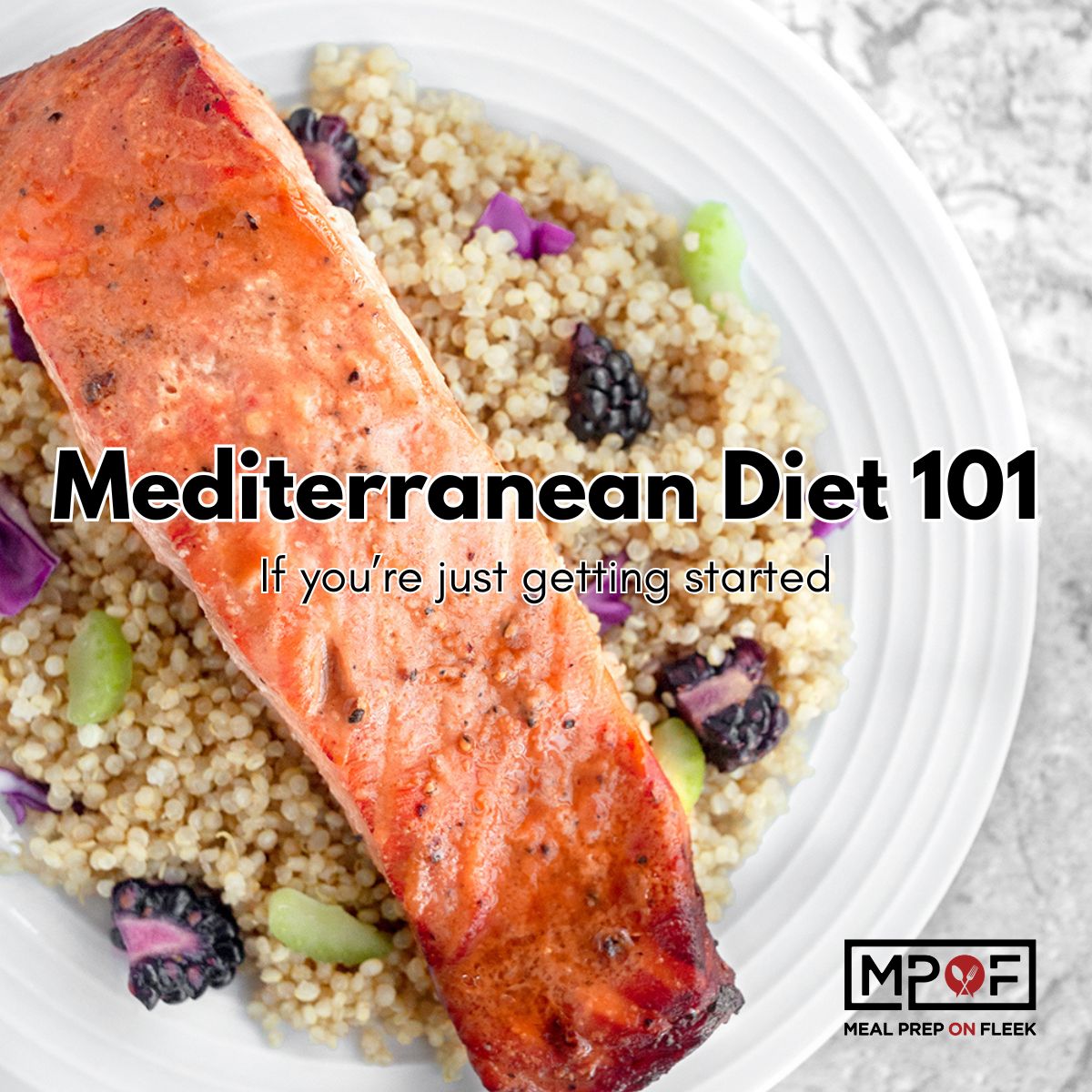
- Dinner: Baked salmon with roasted asparagus and lemon; chicken breast with a Mediterranean salsa (tomatoes, olives, capers, herbs); chickpea and vegetable tagine with couscous; grilled halloumi and vegetable skewers.
Considerations and Potential Risks
While the Mediterranean diet is widely considered one of the healthiest eating patterns, it’s important to acknowledge potential considerations:
- Quality of Ingredients: The healthfulness of a Mediterranean meal depends on the quality of its components. A dish heavily laden with olive oil or large portions of even healthy foods can still contribute to excess calorie intake. Similarly, relying on heavily processed versions of traditional ingredients can negate benefits.
- Accessibility and Cost: Access to fresh, high-quality ingredients like fish, certain produce, and good olive oil can be a barrier for some individuals due to cost or availability. However, the principles can be adapted using more accessible and budget-friendly options.
- Individual Nutritional Needs: As with any dietary approach, individuals with specific health conditions, allergies, or dietary restrictions should consult with a healthcare professional or registered dietitian to tailor the Mediterranean diet to their unique needs.
- Alcohol Consumption: While moderate wine consumption is sometimes associated with the Mediterranean diet, it is crucial to note that alcohol carries its own health risks, and this recommendation is not suitable for everyone.
Broader Impact and Implications

The widespread adoption of the Mediterranean diet has significant implications for public health. By promoting a sustainable and enjoyable approach to eating, it offers a powerful tool for combating the rising rates of diet-related chronic diseases. Its emphasis on whole, unprocessed foods also aligns with a growing global movement towards more sustainable and environmentally conscious food systems.
The Mediterranean diet’s success lies in its holistic approach, extending beyond mere food choices to encompass lifestyle factors that contribute to overall well-being. It demonstrates that a healthy diet can be flavorful, satisfying, and deeply integrated into one’s daily life, offering a beacon of hope for those seeking lasting health improvements without the burden of extreme restriction. As research continues to unveil the intricate connections between diet, lifestyle, and health, the Mediterranean diet remains a benchmark for nutritional excellence and a sustainable path to a healthier future.