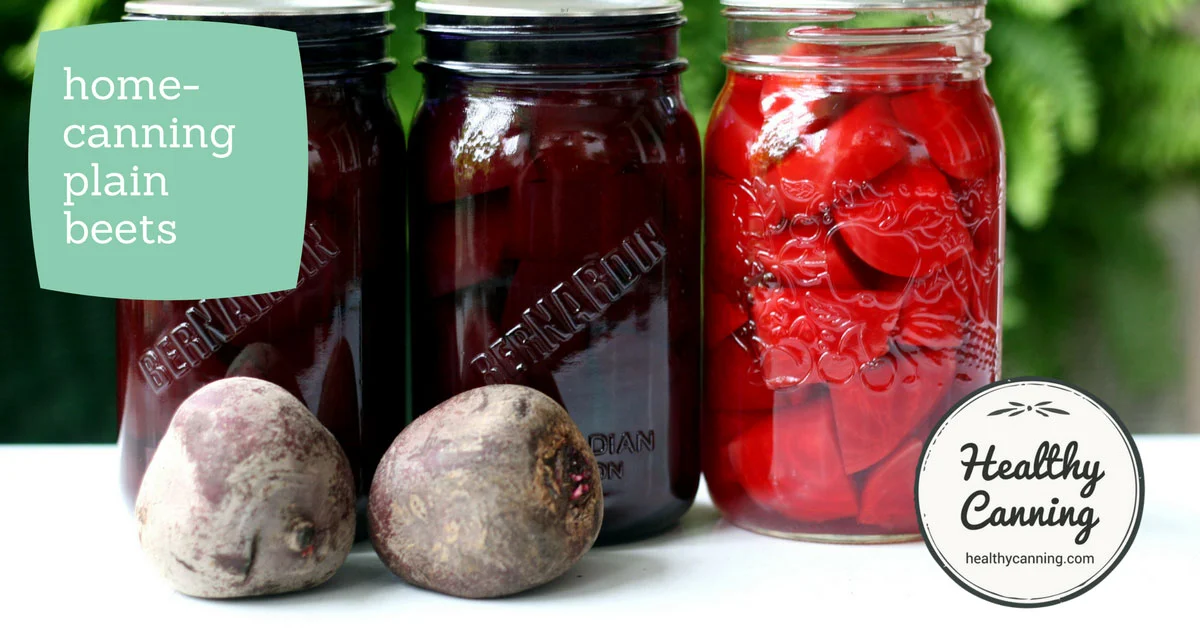

The resurgence of home food preservation has brought traditional techniques back into modern kitchens, yet the canning of low-acid vegetables like beets requires a rigorous adherence to scientific protocols to ensure consumer safety. While the convenience of a ready-to-eat jar of beets is a significant draw for home cooks, the biological reality of the beetroot—specifically its growth in soil and its low acidity—places it in a high-risk category for foodborne illnesses if processed incorrectly. According to the United States Department of Agriculture (USDA) and the National Center for Home Food Preservation (NCHFP), the only safe method for preserving plain beets in jars is through the use of a pressure canner. This requirement is non-negotiable, as the temperatures reached in a standard boiling water bath are insufficient to neutralize the spores of Clostridium botulinum, the bacterium responsible for botulism.
The Critical Necessity of Pressure Canning
The fundamental principle of food safety in canning revolves around acidity and temperature. Beets are naturally low-acid vegetables, meaning they do not possess the pH levels necessary to inhibit bacterial growth on their own. In high-acid foods, such as most fruits or pickled vegetables where vinegar is added, a boiling water bath (212°F or 100°C) is sufficient. However, for plain beets, the environment inside the jar is conducive to the germination of botulism spores. These spores are highly heat-resistant and can only be destroyed at temperatures of 240°F (116°C) or higher, which can only be achieved under pressure.

The risks are documented and severe. Between 1990 and 2012, numerous cases of botulism in the United States were directly traced back to home-canned beets that were processed using a water bath rather than a pressure canner. Public health officials emphasize that botulism toxin is odorless and tasteless; a jar may appear perfectly normal while containing a lethal dose of neurotoxin. Therefore, the "Hot Pack" method combined with pressure canning is the only laboratory-tested procedure that guarantees a shelf-stable, safe product.
Historical Evolution of Canning Safety Standards
The journey toward modern canning safety has been marked by both scientific advancement and periods of dangerous misinformation. As early as 1926, the USDA issued Farmers’ Bulletin No. 1471, which explicitly recommended pressure canning for non-acid vegetables like "baby beets." The bulletin noted that because of spoilage difficulties and the risk of poisoning, steam-pressure processing at 10 pounds of pressure was the only reliable method.
However, during the Second World War, a shift occurred. Due to metal rationing, pressure canners were in short supply. Some University Extension offices and home bulletin publishers began suggesting an "Acid Method" as a workaround. This involved adding a small amount of vinegar to the jars and processing them in a boiling water bath for 90 minutes. Modern testing has since debunked this method, proving that the amount of vinegar suggested was insufficient to lower the pH to a safe level. This historical anomaly serves as a cautionary tale for modern enthusiasts: old recipes found in vintage cookbooks are often scientifically outdated and potentially hazardous.
Detailed Preparation and Processing Procedures
Achieving a high-quality canned beet requires careful preparation to manage the bacterial load and maintain the vegetable’s structural integrity. The USDA recommends selecting beets that are between 1 and 2 inches in diameter for canning whole; larger beets should be sliced or cubed to ensure heat penetrates to the center of the food mass during processing.
Step 1: Pre-cooking and Peeling
Beets must be canned peeled. The skin of the beet, having been in direct contact with the soil, carries the highest concentration of microbial life. Removing the skin is a critical step in reducing the initial bacterial load. To make peeling easier and to prevent "bleeding" or color loss, the USDA recommends leaving at least one inch of the stem and the entire taproot intact during an initial boiling period. Beets should be boiled until the skins slip off easily—usually 15 to 25 minutes depending on size.
Step 2: Packing the Jars
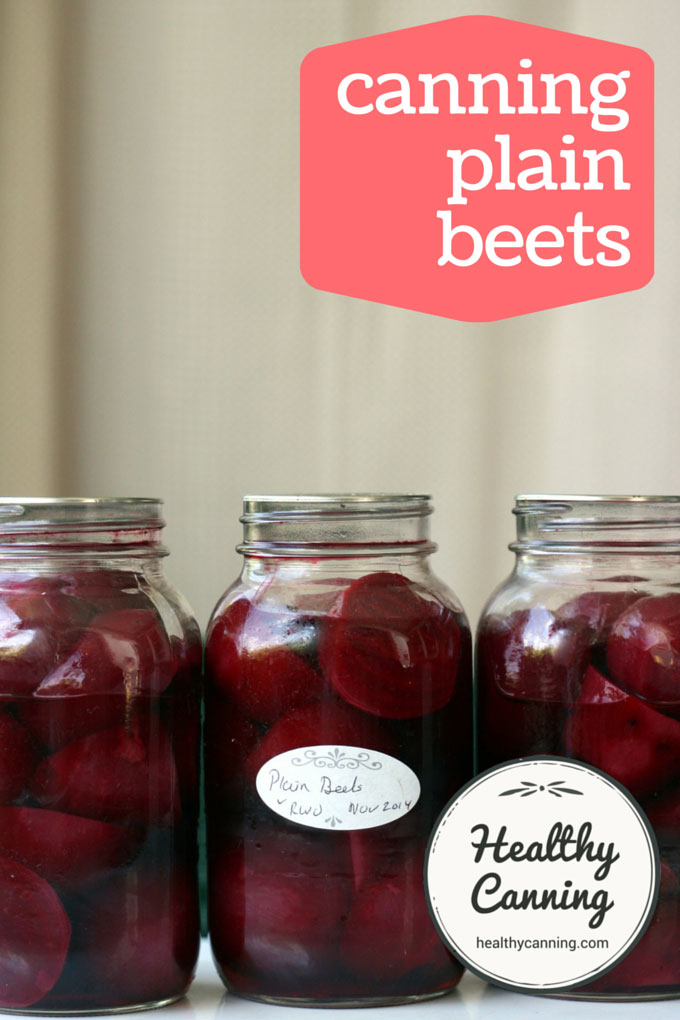
The "Hot Pack" method is mandatory for beets. This involves packing the hot, peeled, and sliced beets into sterilized jars and covering them with boiling water. A headspace of 1 inch (3 cm) must be maintained at the top of the jar to allow for the expansion of food and the creation of a vacuum seal during the cooling process. While salt may be added for flavor (typically 1/2 teaspoon per pint or 1 teaspoon per quart), it is not a preservative in this process and can be omitted for those on low-sodium diets.
Step 3: Pressure Processing
The processing time and pressure depend on the jar size and the local altitude. For those at altitudes between 0 and 1,000 feet, the standard is 10 pounds of pressure on a weighted gauge or 11 pounds on a dial gauge.
- Pint jars (0.5 liter): 30 minutes
- Quart jars (1 liter): 35 minutes
It is imperative to adjust these pressures for higher altitudes, as the boiling point of water decreases as altitude increases, requiring higher pressure to maintain the necessary internal temperature of 240°F.
Supporting Data: Quantities and Nutrition
For those planning a harvest or a bulk purchase, understanding the yield is essential for preparation. On average, a 25-pound (11.5 kg) bag of beets will yield approximately 10 to 12 quart jars. For a single quart jar, a home canner should expect to use roughly 3 pounds (1.4 kg) of raw beets.
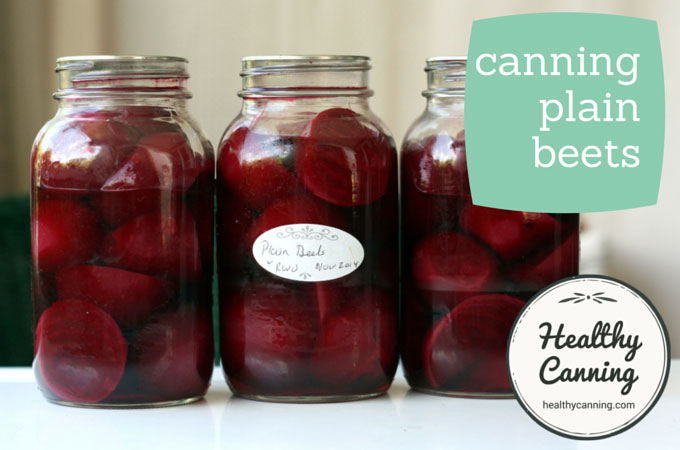
Nutritionally, canned beets remain a powerhouse. A 250g serving of home-canned beets provides approximately 124 calories, 4 grams of protein, and nearly 4 grams of dietary fiber. They are rich in folate (Vitamin B9), manganese, potassium, and iron. While some Vitamin C may be lost during the high-heat processing, the antioxidant properties of the betalaine pigments remain largely intact.
The Chemistry of Color: Managing Fading
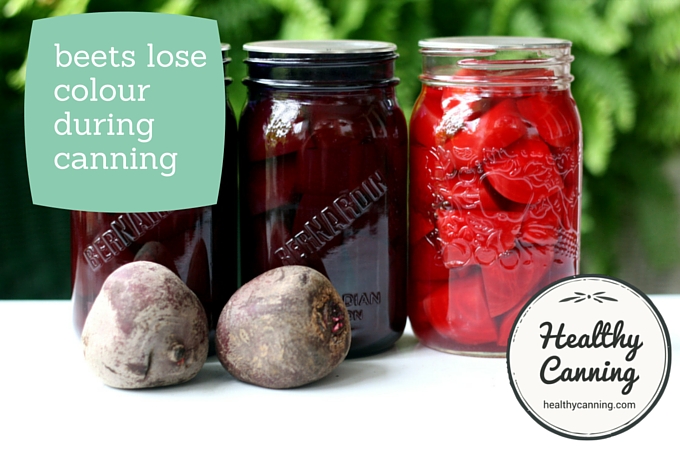
A common concern among home canners is the loss of the vibrant red color during the pressure canning process. The red pigments in beets, known as betalaines, are chemically sensitive to high temperatures. During the 30 to 35 minutes of intense heat inside a pressure canner, these compounds can undergo a reversible chemical transformation into a colorless state.
Horticultural experts from Penn State Extension note that this reaction is often temporary. It is common for beets to appear pale or even brownish immediately after being removed from the canner, only for the deep red color to return after several days of storage at room temperature. Varieties such as ‘Detroit Dark Red’ and ‘Formanova’ are historically noted for their ability to retain color better than others. To minimize initial color loss, gardeners are encouraged to leave the roots and stems attached during the pre-cooking phase, which prevents the pigments from leaching into the boiling water.

Official Judging Criteria and Quality Standards
For those participating in agricultural fairs or seeking professional-grade results, the NCHFP provides specific judging criteria for canned beets. A "perfect" jar should exhibit:
- Uniformity: Slices or cubes should be of equal size to ensure even heat distribution.
- Clarity of Liquid: The packing liquid should be a clear red, free from cloudiness or sediment, which could indicate spoilage or improper washing.
- Texture: The beets should be firm but tender, not mushy or fibrous. Beets over 3 inches in diameter are often rejected for canning because they tend to be woody.
- Cleanliness: There must be no traces of skin, stems, or roots in the final product.
Broader Impact on Food Security and Sustainability
The move toward canning plain beets reflects a broader societal shift toward food sovereignty and reducing food waste. By preserving beets at the peak of their season, households can reduce their reliance on global supply chains and enjoy nutrient-dense vegetables throughout the winter months. Furthermore, the ability to control ingredients—specifically the absence of industrial preservatives or excessive sodium—aligns with modern wellness trends.
However, the rise of "rebel canning" on social media platforms presents a new challenge for public health. Influencers often promote water-bath canning for low-acid foods, citing "grandma’s recipes" as justification. Food scientists warn that this misinformation ignores the evolution of bacterial strains and the rigorous testing that modern USDA guidelines undergo. The professional consensus remains clear: safety in home canning is a matter of physics and biology, not personal opinion or tradition.
Conclusion
Home-canned beets are a versatile and nutritious addition to the pantry, offering a "fast food" option that is both healthy and economical. Whether used in a winter borscht, roasted with maple syrup, or served simply with a dollop of sour cream and dill, they provide a taste of summer in the depths of winter. By following the scientifically verified pressure canning methods established by the USDA, home preservers can enjoy these treats with the absolute certainty that their food is as safe as it is delicious. The marriage of traditional preservation and modern food science ensures that the art of the harvest continues to thrive safely in the 21st century.