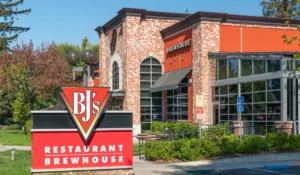

BJ’s Restaurants, a staple of the American casual dining landscape, is currently navigating one of the most consistent and resilient growth periods in the sector, characterized by a strategic focus on traffic growth and a sophisticated "good-better-best" menu hierarchy. In an industry where many players have relied heavily on aggressive price increases to bolster top-line revenue, BJ’s has taken a distinct path, prioritizing guest frequency and brand relevance, particularly among a younger demographic. The company’s recently released first-quarter financial results underscore the success of this approach, revealing a 2.4 percent increase in same-store sales. This growth was notably driven by a 2.2 percent rise in guest traffic, marking the seventh consecutive quarter of transaction growth for the Huntington Beach-based chain.
This performance is particularly significant when viewed against the backdrop of the broader casual dining industry. According to Black Box Intelligence benchmarks, BJ’s outperformed its peers by approximately 120 basis points in sales and nearly 400 basis points in traffic. Such a wide margin of outperformance suggests that the brand’s value proposition is resonating more effectively than its competitors in a period where consumer spending is under increased scrutiny due to inflationary pressures. Under the leadership of CEO Lyle Tick, who has been at the helm for roughly 18 months, the company has transitioned from a period of stabilization into a "comeback era" defined by operational discipline and culinary innovation.
The Social Splurge and the Power of the Occasion
A cornerstone of the current BJ’s strategy is the concept of the "social splurge." This positioning leans into the brand’s historical strength as a destination for group celebrations, sports viewing, and casual social gatherings. CEO Lyle Tick highlighted the company’s exceptional performance on Valentine’s Day as a prime example of this strategy in action. During the first-quarter earnings call, Tick noted that approximately half of the brand’s restaurants set new daily sales records on the holiday, while 14 locations set all-time weekly records. This success reinforces the idea that BJ’s is successfully capturing "splurge" dollars—spending that consumers reserve for special occasions—even as they might be tightening their belts on daily expenditures.
The "social splurge" is not merely about holidays; it is a holistic approach to the dining experience. It encompasses a broad menu that allows for variety, a lively atmosphere, and a service model that caters to both quick lunches and long, celebratory dinners. By focusing on these high-energy occasions, BJ’s has been able to maintain a steady flow of traffic despite a volatile economic environment that included 70 basis points of weather-related headwinds during the first quarter.
Culinary Innovation: The Good-Better-Best Strategy
Central to the brand’s recent success is a revamped menu strategy that utilizes a "good-better-best" pricing and quality architecture. This approach allows the restaurant to offer entry-level value while providing clear pathways for guests to "trade up" to premium items. This strategy is most visible in the brand’s burger and pizza categories, which have undergone significant transformations over the past year.
In June of last year, BJ’s launched the "All-American Smashburger," a high-quality but competitively priced entry into the burger category. This move was designed to drive frequency by offering a familiar, value-oriented option. The results were immediate; the burger category saw a 30 percent increase in sales following the launch. Building on this momentum, the company is now introducing a premium Wagyu burger. By placing the Wagyu burger as the "best" option above the Smashburger, BJ’s gives frequent guests a reason to spend more without removing the value-driven "good" option that brought them through the door in the first place.
This tiered strategy is also being applied to the brand’s signature pizza platform. A revamped pizza menu has led to a 20 percent increase in sales, with early data suggesting that the new offerings are successfully driving repeat visits. Furthermore, a revamped chicken sandwich, which performed exceptionally well in test markets, is scheduled for a systemwide rollout in the third quarter of this year. These menu updates are not just about adding items; they are about refining categories to ensure they meet modern consumer expectations for quality and variety.
Engaging the Younger Demographic and Digital Marketing Shifts
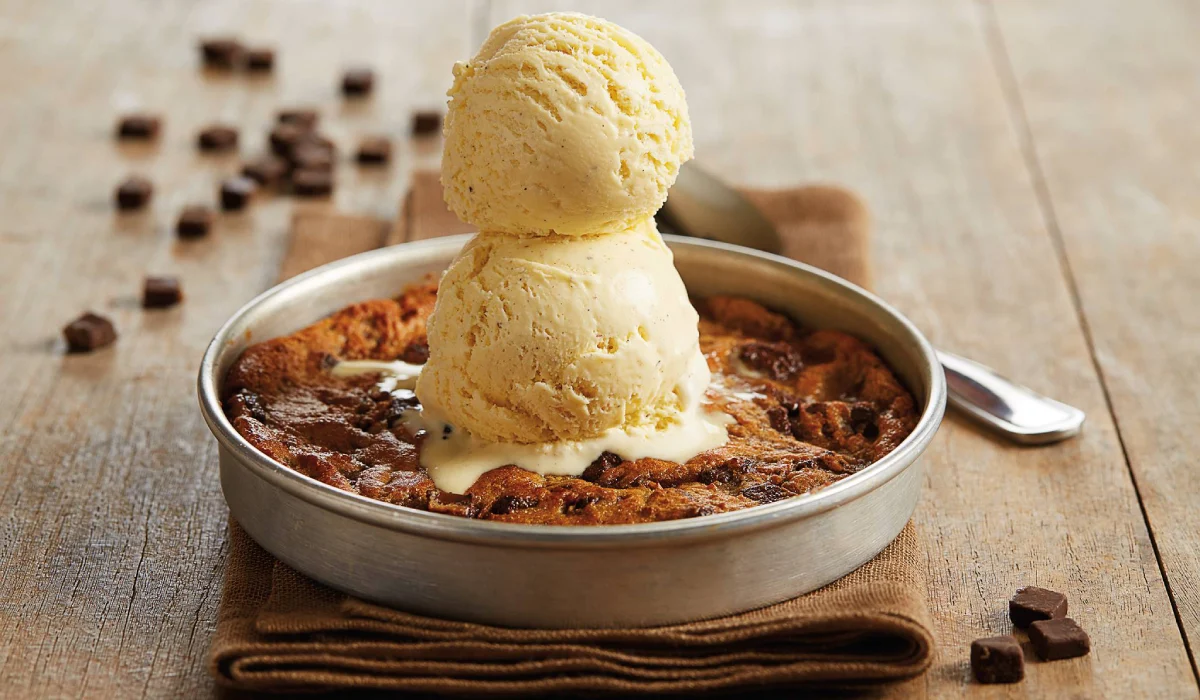
One of the most notable shifts in BJ’s guest profile is the increasing participation of younger diners, specifically Gen Z and Millennials. This demographic has been drawn to the brand through a combination of iconic menu items, such as the Pizookie, and a more modern, digital-first marketing approach. The "Pizookie Meal Deal" continues to be a powerful traffic driver, offering a clear value proposition that resonates with younger consumers who are looking for affordable ways to socialize.
To reach these diners more effectively, BJ’s has fundamentally altered its marketing spend. In the first quarter, the company delivered its growth results with 20 percent less media spend year-over-year. Instead of traditional television or broad-reach advertising, the brand shifted its budget into digital channels, social media engagement, and influencer partnerships. This move toward "word-of-mouth" digital marketing has allowed the brand to target specific dining occasions and demographics with higher precision and lower costs. The ability to grow traffic while reducing marketing spend is a testament to the organic pull the brand is currently generating.
Operational Excellence and Staffing Stability
Beyond the menu and marketing, BJ’s has seen significant improvements in its internal operations. A critical component of any restaurant turnaround is the stability of its workforce, and BJ’s has made substantial strides in this area. Both hourly and management turnover rates have fallen to levels significantly below industry benchmarks. This stability directly translates to a better guest experience, as seasoned staff are more efficient and better equipped to provide high-quality service.
The impact of these operational improvements is reflected in the brand’s Net Promoter Score (NPS), which has seen a 10 percent improvement since the third quarter of 2024. Higher guest satisfaction scores are a leading indicator of future traffic growth, suggesting that the current momentum is sustainable. Furthermore, restaurant-level operating profit reached $57.2 million in the first quarter, a 2.8 percent year-over-year increase, with margins holding steady at 16 percent. Adjusted EBITDA margins also saw a 30-basis-point improvement, reaching 10.5 percent.
Beverage Sales and Strategic Collaborations
While beverage sales have been a point of weakness for much of the casual dining industry, BJ’s managed to stabilize this category during the first quarter. The company achieved this by leaning into emerging consumer trends, such as the demand for non-alcoholic options and lighter, lower-alcohol beverages. A seasonal collaboration with Sapporo proved particularly successful, tapping into the growing interest in Japanese-style lagers and craft collaborations. By diversifying its beverage program to include larger-format beers and sophisticated non-alcoholic choices, BJ’s is ensuring that it captures a wider variety of "social splurge" moments.
Challenges and Future Outlook
Despite the positive trajectory, BJ’s is not immune to the pressures facing the broader economy. The company expects commodity inflation to peak in the second quarter, which may put temporary pressure on the cost of sales. Management intends to mitigate these costs through further menu mix optimization and targeted pricing actions in the second half of the year.
Looking ahead, the brand is focused on expanding its footprint with an updated restaurant prototype. Two new locations are slated to open later this year in Buckeye, Arizona, and Joliet, Illinois. These new builds will feature a more efficient layout designed to support both high-volume dine-in traffic and the brand’s growing off-premise business.
The transformation of BJ’s Restaurants is a multi-year endeavor, and as CEO Lyle Tick noted, the company is still in the "early innings." However, the foundation laid over the past 18 months—built on traffic-first growth, a tiered menu strategy, and improved operational health—has positioned the brand as a leader in the casual dining recovery. By successfully courting a younger demographic and focusing on the "social splurge," BJ’s is proving that consistency and culinary relevance can drive growth even in a volatile market.
Analysis of Implications
The success of BJ’s "good-better-best" strategy offers a blueprint for other casual dining chains struggling with the balance between value and profitability. It suggests that consumers are willing to spend more, provided they are given a clear choice and a perceived increase in quality. Furthermore, the brand’s ability to grow traffic while reducing marketing spend indicates a shift in how restaurant brands must communicate in the digital age—moving away from "shouting" via traditional media and toward "engaging" through social and digital communities.
If BJ’s can maintain its current traffic momentum while successfully managing the upcoming peak in commodity inflation, it will likely emerge as one of the strongest performers in the sector for the remainder of the fiscal year. The focus now shifts to the third-quarter rollout of the new chicken sandwich and the performance of the updated prototypes in Arizona and Illinois, which will serve as a litmus test for the brand’s long-term scalability.