
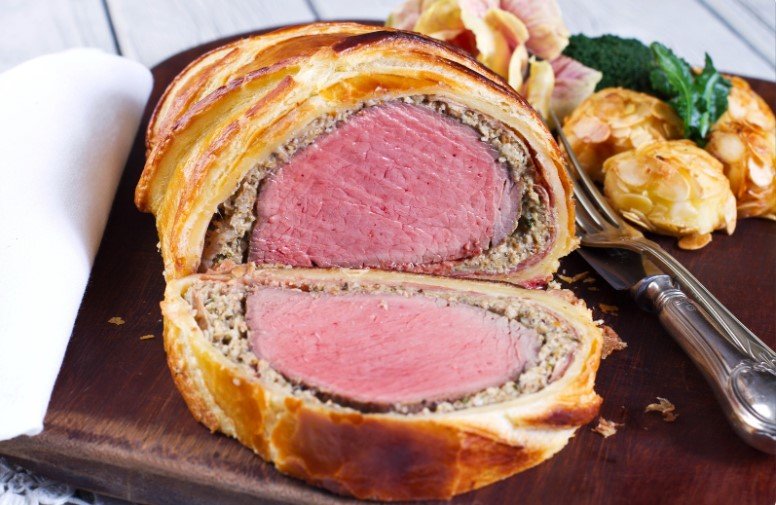
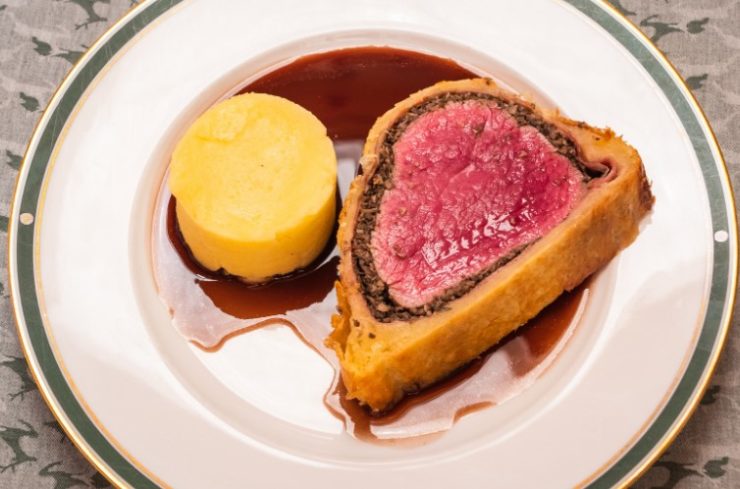
The creation of a perfect Beef Wellington is often considered the pinnacle of a home chef’s culinary ambition. This iconic dish, characterized by its tender beef fillet coated in mushroom duxelles and pâté, all encased in golden puff pastry, demands accompaniments that can match its richness and complexity without overwhelming it. For those who have invested the time and effort into mastering this elaborate preparation, the subsequent decision of what to serve alongside can feel like a final, crucial step in crafting an unforgettable dining experience. This guide explores a curated selection of sauces and side dishes designed to harmonize with the indulgence of Beef Wellington, offering both classic pairings and inspired additions.
The Art of the Sauce: Harmonizing Flavors with Beef Wellington
The sauce is the jewel in the crown for any substantial meat dish, and Beef Wellington is no exception. It serves to bridge the various components of the dish, enhancing the savory notes of the beef, the earthy undertones of the mushrooms, and the richness of the pastry. Three distinct sauce profiles emerge as particularly well-suited to complement this classic.
Red Wine Reduction Sauce: A Timeless Elegance
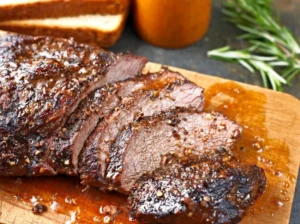
Few pairings are as intrinsically linked to fine dining and expertly prepared beef as a robust red wine reduction. This sauce, favored by culinary titans like Gordon Ramsay, offers a classic and sophisticated complement to Beef Wellington. Its preparation, often achievable in under ten minutes, allows it to be a last-minute flourish while the Wellington rests before being carved.
The foundation of this sauce lies in the deep, complex flavors derived from good quality red wine, typically a Cabernet Sauvignon, Merlot, or Pinot Noir. These wines, when reduced, concentrate their fruitiness and tannins, creating a sauce with a vibrant acidity that cuts through the richness of the beef. Aromatics such as finely minced garlic and fresh thyme are sautéed to release their essential oils, infusing the sauce with herbaceous notes. A touch of balsamic vinegar adds a subtle sweetness and depth, further enhancing the savory profile. The resulting reduction is a glossy, intensely flavored elixir that clings beautifully to the tender beef and the flaky pastry.
Supporting Data: The Maillard reaction, responsible for the browning and complex flavors in seared meats and roasted vegetables, plays a crucial role in the development of both the beef and the mushroom duxelles within the Wellington. A red wine reduction, with its inherent acidity and concentrated fruit notes, effectively balances the savory, umami-rich flavors generated by this process. Studies in food science highlight how contrasting flavor profiles—such as the richness of meat and the acidity of wine—create a more dynamic and pleasing sensory experience.
Pro-Tip: For those seeking an alternative or if wine is unavailable, a high-quality beef stock can serve as an excellent substitute. While it may lack the nuanced acidity of wine, a well-reduced beef stock will still provide a rich, savory base, especially when combined with the other aromatics.
Creamy Mushroom Sauce: Echoing the Wellington’s Essence
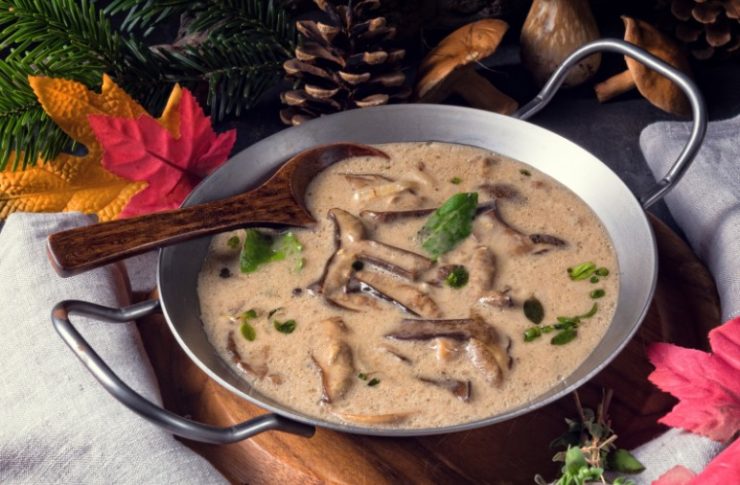
Given that mushroom duxelles are a fundamental component of Beef Wellington, a creamy mushroom sauce offers a harmonious extension of the dish’s inherent flavors. This approach amplifies the earthy, umami notes, creating a cohesive and deeply satisfying flavor profile. The beauty of this sauce lies in its simplicity and versatility, often requiring minimal ingredients and coming together in mere minutes.
The base of this sauce typically involves sautéed mushrooms, which release their moisture and concentrate their flavor. A creamy element, such as heavy cream or crème fraîche, is then incorporated to lend a luxurious texture and mellow the intensity of the mushrooms. Enhancements can include a splash of white wine, fresh garlic, or a medley of finely chopped fresh herbs, such as parsley, chives, or tarragon, adding layers of aromatic complexity. Soy sauce or a similar umami-rich condiment can be used to deepen the savory character.
Supporting Data: The concept of flavor layering, where complementary ingredients are used to build complexity, is a cornerstone of advanced culinary techniques. In this instance, the mushroom duxelles within the Wellington and the mushroom sauce create a synergistic effect, where each component enhances the other. This repetition of key flavor elements, when executed thoughtfully, elevates the overall dining experience.
Pro-Tip: If soy sauce is not on hand, a dash of balsamic vinegar can offer a comparable depth of savory flavor. Similarly, any assortment of dried or fresh herbs can be used to introduce aromatic nuances, adapting the sauce to available ingredients.
Decadent Peppercorn Sauce: A Bold and Luxurious Counterpoint
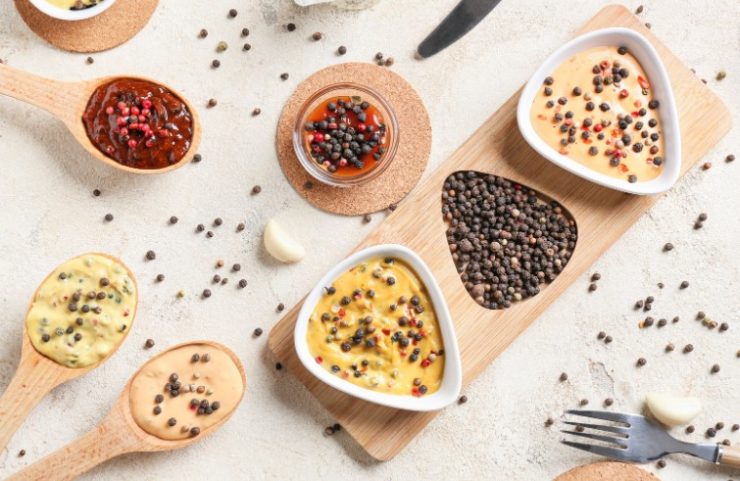
For those who appreciate a sauce with a bit more assertiveness, a decadent peppercorn sauce provides a thrilling counterpoint to the richness of Beef Wellington. This sauce is characterized by its creamy texture, punctuated by the fiery warmth of cracked peppercorns, balanced by savory undertones.

The construction of this sauce typically involves a base of sautéed shallots and garlic, softened in butter to release their aromatic sweetness. Heavy cream forms the luxurious foundation, providing a velvety mouthfeel. Cracked black peppercorns, often a blend of different varieties for nuanced heat, are toasted briefly to awaken their volatile oils. Beef stock adds depth, while a splash of Worcestershire sauce introduces a complex umami and slightly tangy dimension. The result is a sauce that is both bold and comforting, its richness tempered by the spice of the peppercorns.
Supporting Data: The use of aromatics like shallots and garlic is a fundamental technique in building flavor bases across many cuisines. Their slow sautéing releases sugars and volatile compounds, contributing sweetness and depth without harshness. The combination of cream and peppercorns creates a classic "sauce Bordelaise" variation, a testament to its enduring appeal in haute cuisine.
Pro-Tip: This sauce is not only an excellent accompaniment to Beef Wellington but also pairs beautifully with other rich meats and vegetables. If serving with French green beans, as suggested later, the shared use of shallots in both recipes offers a cohesive culinary theme for the meal.
The Supporting Cast: Five Sides to Elevate the Wellington Experience
While the sauce is crucial, the side dishes play an equally important role in creating a balanced and satisfying meal. These selections are designed for relative ease of preparation, ensuring they don’t detract from the main event while providing complementary textures and flavors.
Whole Grain Mustard Mashed Potatoes: A Familiar Comfort with a Twist
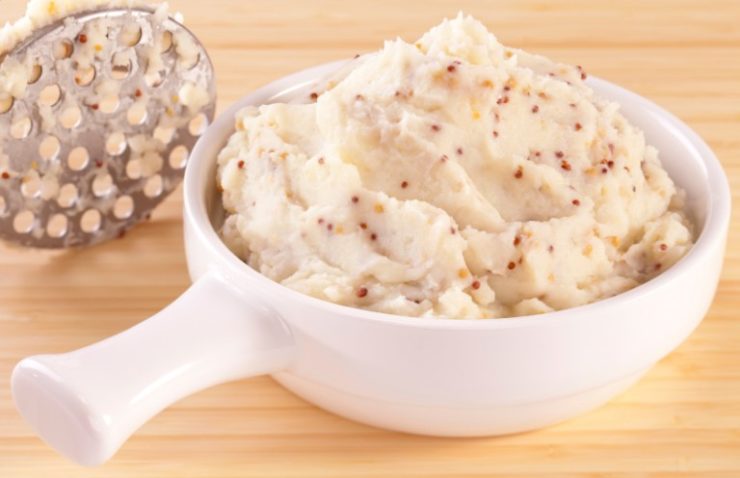
Mashed potatoes are a perennial favorite, and a rendition infused with whole grain mustard offers a sophisticated twist that complements Beef Wellington perfectly. Dijon mustard is often a subtle component within the Wellington itself, making this mashed potato variation a natural extension of the dish’s flavor profile.
The preparation is typically straightforward, often involving a single pot for convenience. Potatoes are boiled until tender, then mashed with butter, cream, and a generous dollop of whole grain mustard. The mustard’s characteristic tang and subtle heat cut through the richness of the potatoes and the Wellington, while the whole grains add a pleasant textural contrast. This dish can often be prepared in advance and reheated before serving, offering a practical advantage for busy hosts.
Timeline: This side dish is ideal for a holiday meal or special occasion where advance preparation is key. The potatoes can be boiled and mashed a day ahead, then gently reheated with a splash of cream and butter just before serving, ensuring they are warm and creamy.
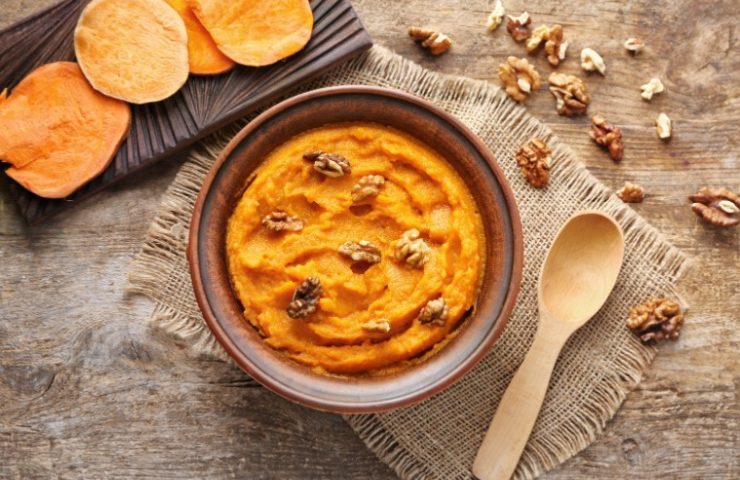
Roasted Garlic Mashed Sweet Potatoes & Carrots: A Harmonious Blend of Sweet and Savory
Continuing the theme of mashed vegetables, a blend of sweet potatoes and carrots, enhanced with roasted garlic, offers a vibrant and flavorful alternative. The natural sweetness of the sweet potatoes and carrots provides a pleasing contrast to the savory beef, while the roasted garlic imparts a mellow, nutty depth.
The roasting process for the garlic mellows its pungent bite, transforming it into a sweet, creamy element that blends seamlessly into the mashed vegetables. Pureed carrots add a vibrant color and a subtle, earthy sweetness. This combination is substantial enough to hold its own against the Beef Wellington but not so assertive as to overpower it. Its smooth texture is particularly appealing when drizzled with one of the accompanying sauces.
Analysis of Implications: The use of root vegetables like sweet potatoes and carrots in side dishes offers a nutritional advantage, providing vitamins and fiber that balance the richness of the main course. Their inherent sweetness can also be a palate cleanser, preventing flavor fatigue during a multi-course meal.
Baked Asparagus with Parmesan: A Bright and Textural Counterpoint
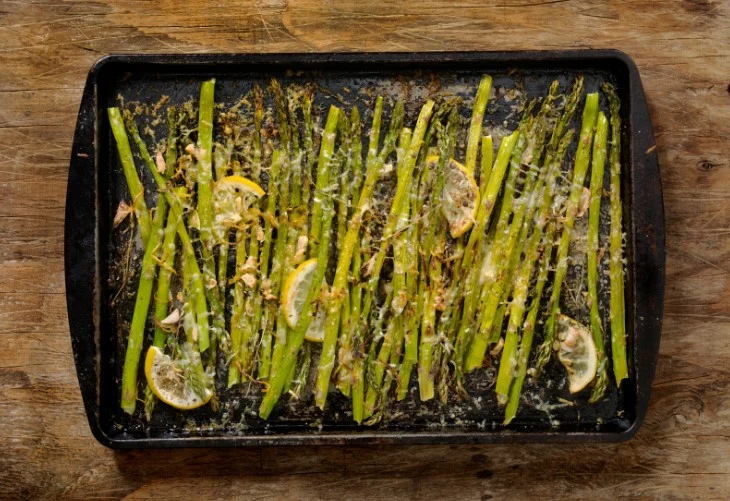
For a lighter, brighter element, baked asparagus with Parmesan offers a refreshing contrast to the richness of Beef Wellington. This side dish introduces a welcome crispness and a touch of acidity, preventing the meal from feeling too heavy.
The preparation typically involves tossing asparagus spears with olive oil, lemon zest, garlic, salt, and pepper, then baking them until tender-crisp. A generous sprinkle of grated Parmesan cheese is added towards the end of the baking time, allowing it to melt and create a savory, slightly nutty crust. The lemon’s acidity is particularly effective in cutting through the richness of the beef and pastry. Furthermore, asparagus can often be baked in the oven alongside the Beef Wellington as it finishes, streamlining the cooking process.
Supporting Data: The concept of contrasting textures and flavors is a fundamental principle in creating a well-rounded dining experience. The crisp-tender texture of asparagus, combined with its bright, slightly acidic profile, provides a palate-cleansing effect that complements the dense, rich nature of Beef Wellington.
Honey Balsamic Brussels Sprouts: A Sweet and Tangy Delight
Brussels sprouts, when prepared correctly, can transform from a humble vegetable into a culinary star. The honey balsamic glaze offers a captivating balance of sweet and tangy flavors, caramelizing the sprouts to a delightful tenderness with crispy edges.
The glaze, a simple reduction of balsamic vinegar and honey, coats the Brussels sprouts, imbuing them with a complex flavor profile. The sweetness of the honey counteracts the natural bitterness of the sprouts, while the balsamic vinegar provides a sharp, acidic counterpoint. Roasting or pan-searing until tender and slightly charred enhances their natural sugars, creating a deeply satisfying dish. The moderate richness of this side makes it an ideal partner for the indulgent Beef Wellington.
Personal Anecdote (Inferred): The appeal of this dish is often so strong that many find it challenging to reserve them for the main meal, highlighting their inherent deliciousness. This suggests a universally appealing flavor combination that transcends typical vegetable side dishes.
French Green Beans with Shallots: Simple Elegance and Harmonious Flavors
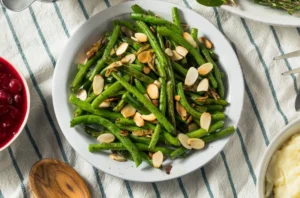
A dish of French green beans with shallots embodies simplicity and elegance, offering a refined accompaniment to an opulent Beef Wellington. The key to this preparation lies in slow-cooking the green beans in olive oil, which tenderizes them to a pillowy softness and mellows their flavor.
The shallots, thinly sliced and gently cooked, release their sweet, aromatic essence, infusing the beans with a delicate flavor. This side dish is particularly recommended if a peppercorn sauce is chosen, as the shallots in both components create a delightful flavor synergy. The subtle sweetness of the shallots harmonizes beautifully with the robust peppercorn notes, and the sauce itself is equally enjoyable spooned over the tender green beans as it is over the Wellington.
Broader Impact and Implications: The use of slow-cooking techniques for vegetables, as seen with these green beans, is a testament to the culinary philosophy that simple methods can yield profound flavor. This approach highlights the natural quality of the ingredients and offers a sophisticated alternative to quickly sautéed or steamed vegetables.
Conclusion: A Symphony of Flavors for a Culinary Masterpiece
Crafting the perfect Beef Wellington is an endeavor that deserves equally thoughtful accompaniments. By selecting sauces and side dishes that complement, rather than compete with, its rich and complex profile, one can elevate this already spectacular dish into a truly unforgettable culinary experience. Whether opting for the classic elegance of a red wine reduction, the comforting harmony of a mushroom sauce, the bold kick of peppercorn, or the diverse textures and flavors of the suggested sides, the aim is always to create a balanced and deeply satisfying meal that celebrates the artistry of the Beef Wellington.