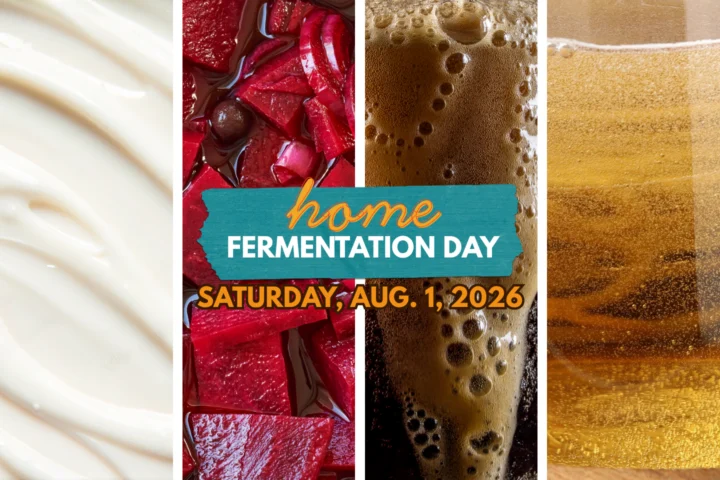

The American Homebrewers Association (AHA) has officially designated August 1, 2026, as Home Fermentation Day, a nationwide celebration intended to honor the ancient art and modern hobby of biological transformation. This annual event serves as a focal point for enthusiasts of all skill levels, ranging from casual kitchen experimenters to seasoned zymurgists. By expanding the scope of the celebration beyond traditional beer brewing, the AHA aims to foster a broader community that encompasses the production of fermented beverages such as mead, cider, and kombucha, as well as an array of fermented foods including sauerkraut, kimchi, and sourdough.
The primary objective of Home Fermentation Day is to provide a centralized hub for education, inspiration, and community engagement. As the culinary landscape continues to shift toward artisanal and probiotic-rich products, the AHA is positioning itself as the premier resource for individuals seeking to master the complexities of microbial fermentation. The 2026 event is expected to feature a blend of digital resources, local community gatherings, and educational initiatives designed to demystify the science of fermentation.
The Evolution of Home Fermentation Culture
The roots of Home Fermentation Day are deeply embedded in the history of the American Homebrewers Association, which was founded in 1978 by Charlie Papazian. Originally focused almost exclusively on the legalization and promotion of home beer brewing, the organization has witnessed a significant cultural shift over the last decade. The modern "maker" movement, combined with an increased public interest in gut health and food preservation, has led to a resurgence in home-based fermentation that transcends the pint glass.
Historically, fermentation was a necessity for food preservation before the advent of refrigeration. In the 21st century, however, it has evolved into a craft hobby that allows individuals to exert control over their food supply, reduce waste, and experiment with complex flavor profiles that are often unavailable in commercial markets. The 2026 celebration marks a formal acknowledgment of this diversification, recognizing that the same principles of microbiology apply whether one is brewing an India Pale Ale or culturing a batch of heirloom yogurt.
A Comprehensive Look at Fermented Beverages
While beer remains a cornerstone of the AHA’s mission, Home Fermentation Day highlights the vast spectrum of fermented liquids. The association provides extensive resources for mead-making—the fermentation of honey—and cider production, both of which have seen a dramatic rise in popularity among home producers. These beverages offer a different set of challenges and rewards compared to brewing, often requiring a deeper understanding of fruit acidity, tannin balance, and honey varieties.
Beyond these traditional categories, the event also shines a light on "the great beyond" of fermented drinks. This includes kombucha, a fermented tea produced using a symbiotic culture of bacteria and yeast (SCOBY), and water kefir, a probiotic beverage made from sugary water and kefir grains. The AHA’s archives serve as a repository for these techniques, offering guidance on temperature control, sanitation, and the selection of specific yeast strains to achieve desired aromatic profiles.
Expanding the Horizon: Fermented Foods and Culinary Science
A significant portion of the August 1 celebration is dedicated to the world of fermented foods. The AHA encourages its members to view fermentation as a holistic culinary practice. By expanding into food, enthusiasts can engage in projects that fill the gaps between their homebrew batches. The science of lacto-fermentation—whereby lactic acid bacteria convert sugars into preservative acids—is the common thread linking many of these projects.
Key areas of focus for the 2026 event include:
- Vegetable Fermentation: Techniques for creating shelf-stable and probiotic-rich pickles, sauerkraut, and traditional Korean kimchi.
- Dairy and Non-Dairy Culturing: The production of homemade yogurt, kefir, and artisanal cheeses.
- Bread Making: The maintenance of sourdough starters, which utilize wild yeast and bacteria to create complex leavened breads.
- Condiments and Bases: The creation of fermented hot sauces, mustards, and misos.
By integrating these topics into the Home Fermentation Day curriculum, the AHA provides a more comprehensive value proposition to its members, appealing to foodies and health-conscious individuals who may not have previously identified as "brewers."
The Role of Zymurgy Magazine and Educational Resources
Central to the AHA’s educational mission is Zymurgy magazine, the long-standing publication dedicated to the hobby of fermentation. While Zymurgy is widely recognized as the leading authority on homebrewing, it has increasingly featured a regular column titled "You Can Ferment That." This column serves as a bridge between liquid and solid fermentation, offering step-by-step guides for experimental projects.
AHA members receive exclusive access to the Zymurgy digital archive, which contains decades of research, recipes, and technical troubleshooting. For the 2026 Home Fermentation Day, the association plans to release a curated selection of "Best of" content, focusing on cross-disciplinary fermentation. This resource is intended to help members leverage their existing brewing equipment—such as temperature-controlled fermentation chambers and pH meters—for food-based applications.
Data and Trends: The Growth of the Fermentation Market
The designation of a specific day to celebrate home fermentation is supported by strong market data indicating a sustained interest in the sector. According to market research, the global fermented food and drinks market is projected to grow at a compound annual growth rate (CAGR) of approximately 5-7% through the late 2020s. This growth is driven largely by the "functional food" trend, where consumers seek out products that offer health benefits beyond basic nutrition.
In the United States, the Brewers Association (the parent organization of the AHA) has noted that while the commercial craft beer market has reached a state of maturity, the interest in "DIY" fermentation remains robust. Surveys of homebrewers indicate that over 40% of enthusiasts also engage in at least one form of food fermentation. This overlap suggests that Home Fermentation Day is not merely a niche celebration but a reflection of a significant lifestyle trend among American consumers.
Supporting the Hobby: Legislative and Economic Impacts
The AHA’s role extends beyond education into advocacy. The organization was instrumental in the state-by-state legalization of homebrewing, a process that was only completed in 2013 when Mississippi and Alabama passed enabling legislation. Home Fermentation Day serves as a reminder of the importance of these legislative freedoms.
Economically, the home fermentation hobby supports a significant secondary market of equipment manufacturers, ingredient suppliers, and local homebrew shops (LHBS). These small businesses are often the backbone of the fermentation community, providing the specialized salts, cultures, crocks, and carboys necessary for the hobby. The August 1 event is expected to drive significant traffic to these retailers, as enthusiasts stock up on supplies for their summer fermentation projects.
Public Response and Community Engagement
Early reactions from the fermentation community regarding the 2026 announcement have been overwhelmingly positive. Community leaders in the "fermentation revivalist" movement have noted that a designated day helps to legitimize the hobby in the eyes of the general public. By framing fermentation as a skill-based craft rather than a mere kitchen chore, the AHA is helping to elevate the status of home producers.
"Fermentation is a gateway to understanding our relationship with the microbial world," says one industry analyst. "Events like Home Fermentation Day encourage people to move away from highly processed foods and toward a more hands-on, sustainable way of eating. It’s about empowerment through biology."
Local homebrew clubs across the country are expected to host "Big Brew" and "Big Ferment" events on August 1. These gatherings allow for the exchange of cultures—such as sharing sourdough starters or SCOBYs—and the tasting of finished products, fostering a sense of communal learning that is central to the AHA’s philosophy.
Implications for the Future of Food and Drink
As the American Homebrewers Association looks toward August 1, 2026, the implications of a broader fermentation movement are clear. By encouraging a diverse range of fermentation projects, the AHA is contributing to a more resilient and knowledgeable food culture. Home fermentation reduces reliance on industrial supply chains, minimizes packaging waste, and preserves biodiversity by utilizing heirloom cultures and local ingredients.
Furthermore, the focus on education ensures that these ancient techniques are practiced safely. The AHA’s emphasis on sanitation and process control mitigates the risks associated with home food preservation, providing a framework for enthusiasts to experiment with confidence.
In conclusion, Home Fermentation Day 2026 stands as more than just a date on the calendar; it is a testament to the enduring human fascination with the transformative power of microbes. Whether through a perfectly carbonated bottle of homebrewed ale or a jar of vibrant, probiotic-rich kimchi, the American Homebrewers Association continues to lead the way in celebrating the art, science, and community of fermentation. Through its various platforms, from Zymurgy magazine to its extensive online archives, the AHA remains the essential hub for anyone looking to explore the "great beyond" of this timeless craft.