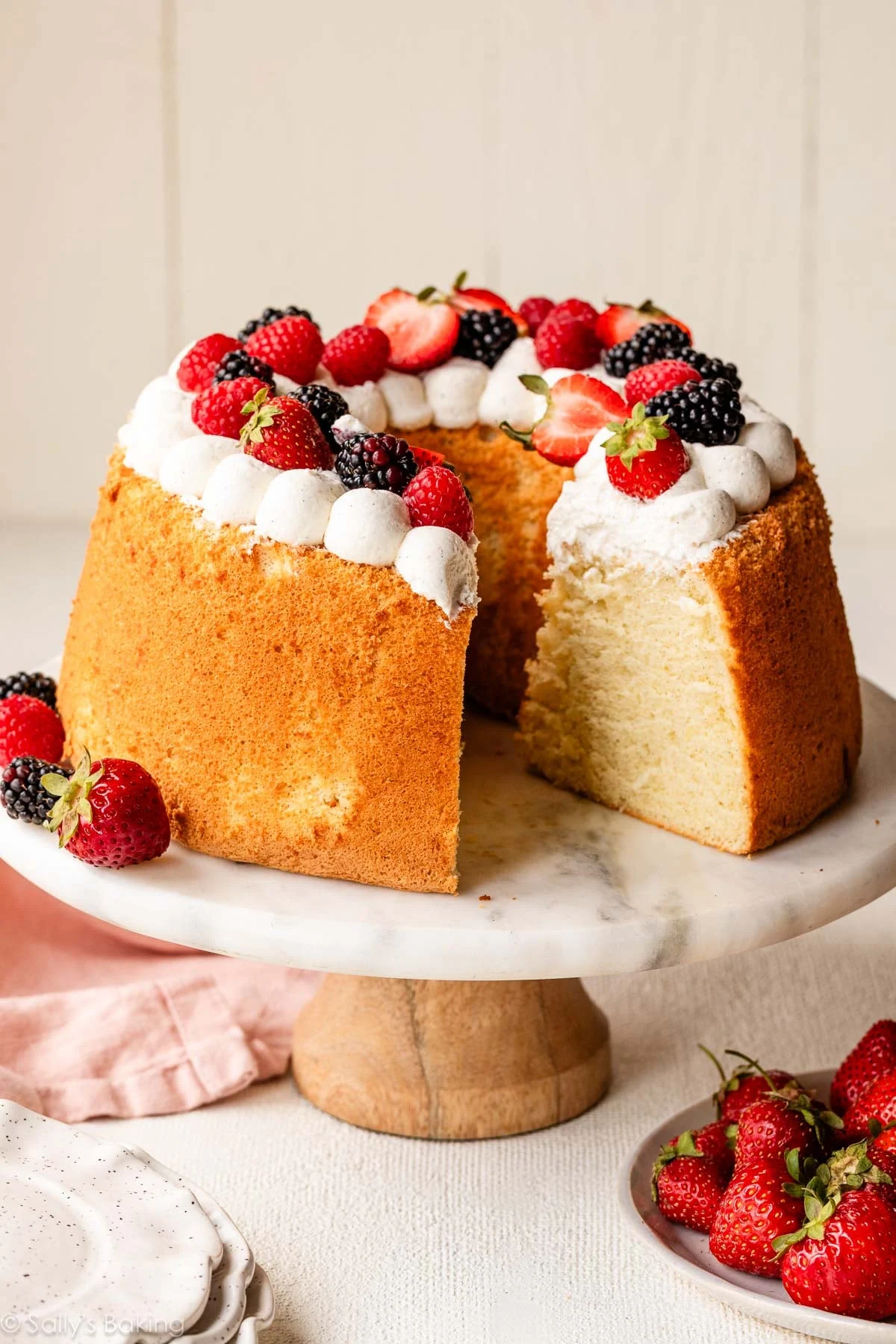

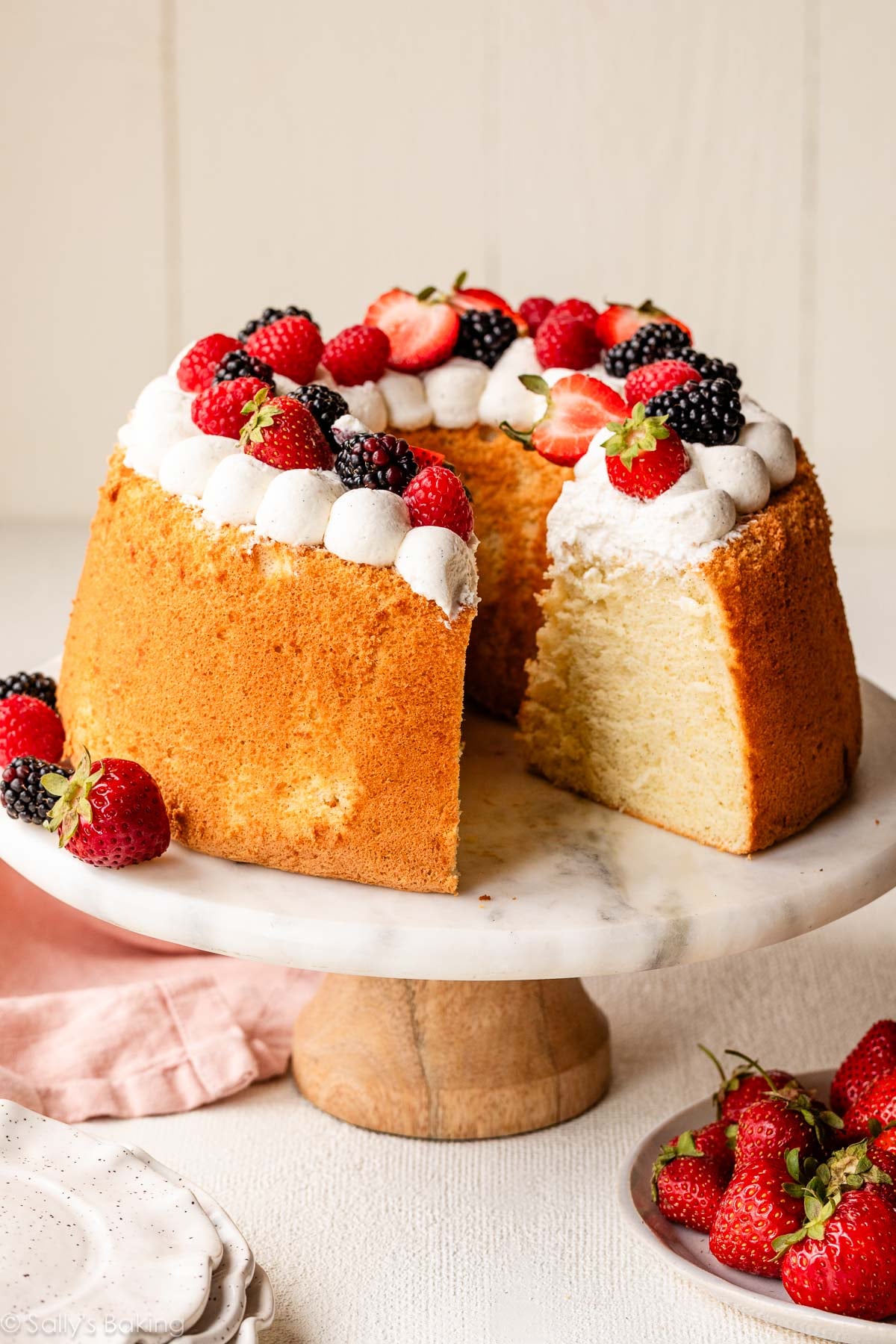
The classic chiffon cake stands as a testament to baking innovation, revered for its unique texture that masterfully marries the airy loft of an angel food cake with the tender richness of a traditional butter cake. This distinctive dessert, celebrated for its wonderfully moist and delicately rich crumb, represents one of the most elegant creations achievable from scratch, offering a culinary experience that is both light and satisfying. Whether presented simply adorned with fresh berries and whipped cream or elevated into an impressive multi-layered celebration cake, the chiffon cake consistently bakes up tall, impeccably fluffy, and beautifully soft.
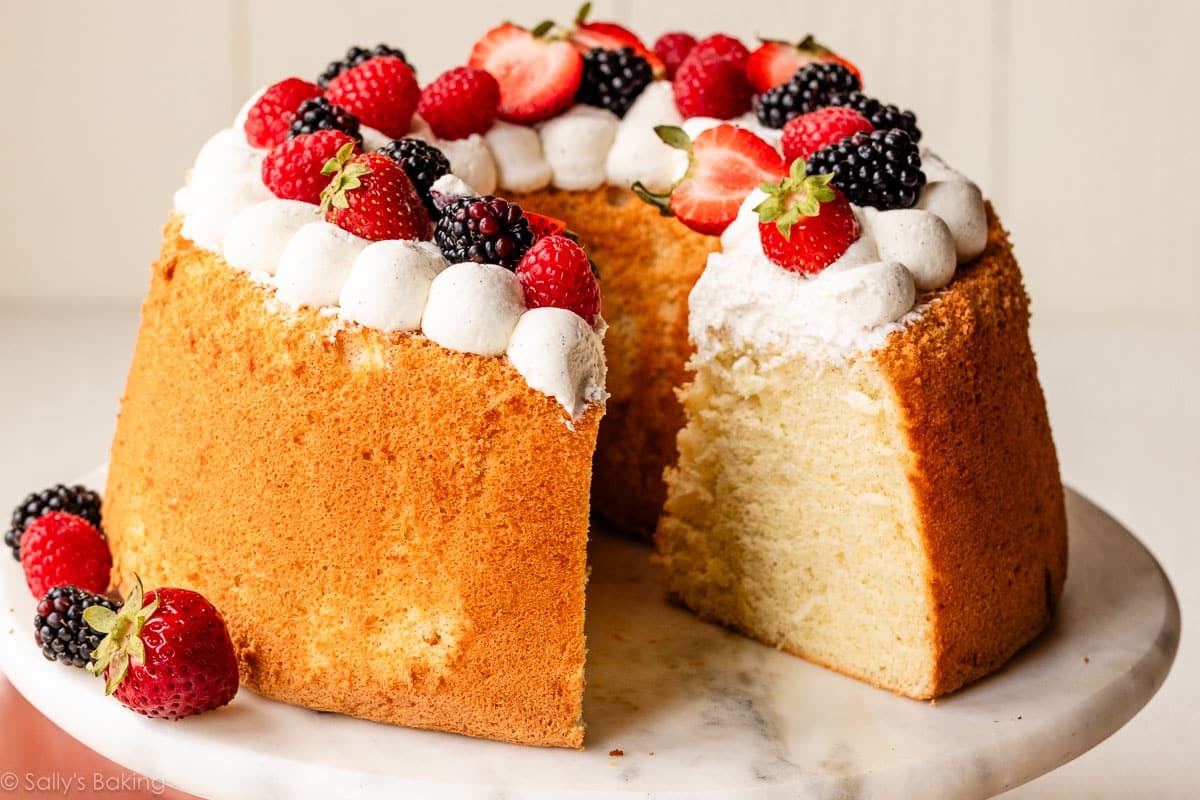
The Genesis of a Baking Revolution: Harry Baker’s Secret
The origins of the chiffon cake are rooted in a captivating tale of culinary secrecy and eventual revelation. Unlike many traditional cakes whose histories are often nebulous, the chiffon cake can be traced directly to Harry Baker, an insurance salesman from Los Angeles who, in 1927, developed the recipe in his home kitchen. Baker, a passionate amateur baker, spent two decades perfecting what he called "the lightest cake ever made." His creation, far from being a mere hobby, quickly gained a cult following among Hollywood’s elite. He baked and sold his secret cake to movie stars and famously supplied it to the prestigious Brown Derby restaurant, where it became a signature dessert. For twenty years, Baker maintained strict secrecy around his recipe, even as its popularity soared. He never revealed the key ingredient that distinguished his cake from all others.
The secret ingredient, which would revolutionize home baking, remained undisclosed until 1947 when Baker sold his recipe to General Mills. The company, recognizing the cake’s extraordinary appeal, decided to unveil the recipe to the American public through its renowned Betty Crocker brand. The revelation was groundbreaking: the secret ingredient was common vegetable oil, an item not typically used in traditional cakes, which relied heavily on butter or shortening for fat. This unexpected inclusion, along with other meticulous techniques, set the chiffon cake apart and marked a significant moment in baking history, democratizing a sophisticated dessert for home bakers across the nation.
Deconstructing the Chiffon: A Hybrid of Baking Traditions
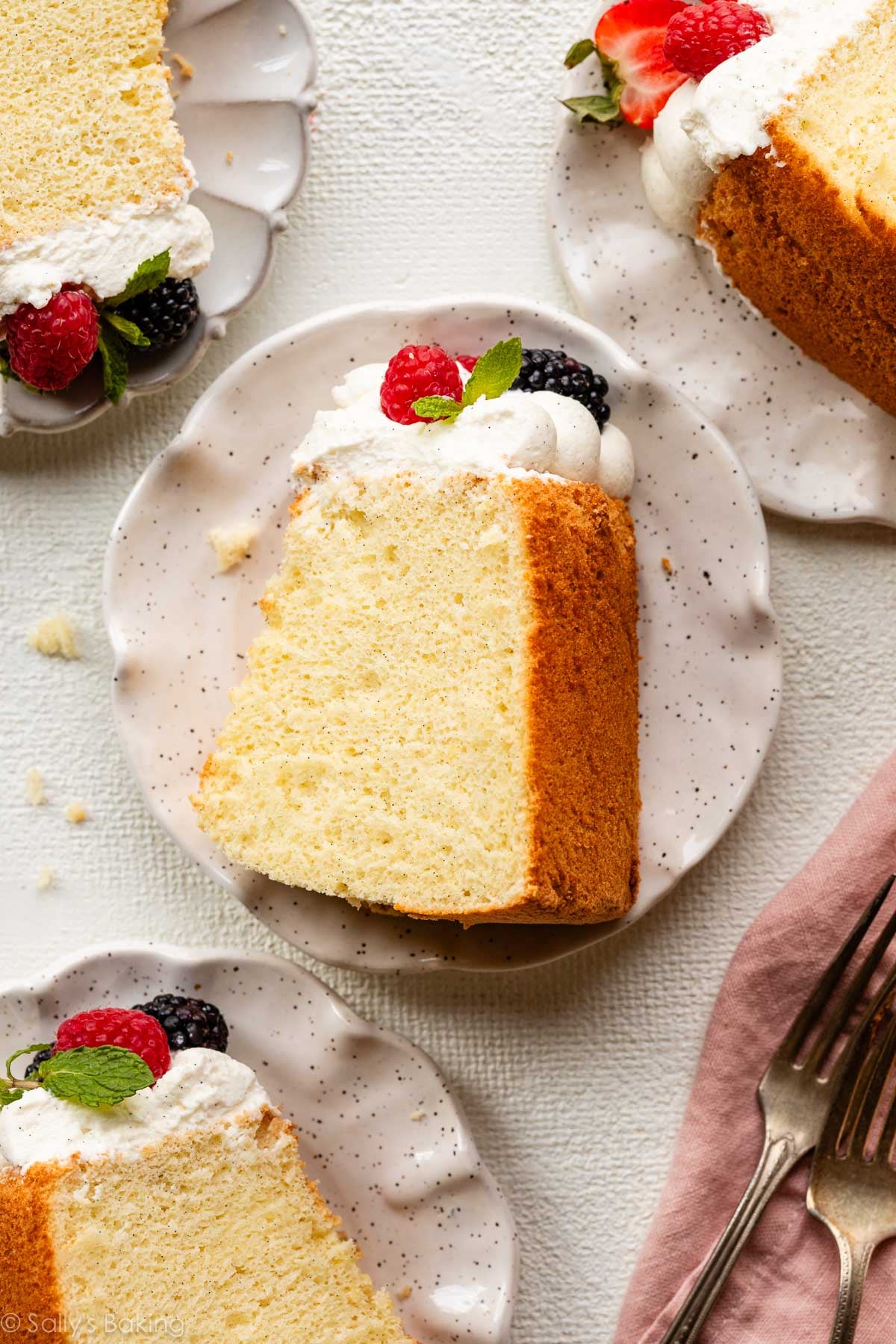
To understand the chiffon cake is to appreciate its hybrid nature. It is essentially a sophisticated cross between an angel food cake and a traditional butter cake, ingeniously borrowing the best qualities of each to create a wholly new texture and flavor profile.
Like the angel food cake, the chiffon cake derives much of its characteristic lift and ethereal lightness from a meringue-like structure. This is achieved through the meticulous whipping of egg whites, which are then carefully folded into the batter. This process incorporates a vast amount of air, creating countless tiny pockets that expand during baking, contributing to the cake’s signature fluffy texture and impressive volume. However, the chiffon cake diverges significantly from its angel food counterpart by incorporating additional ingredients that lend it a richness and tenderness absent in the fat-free angel food cake.
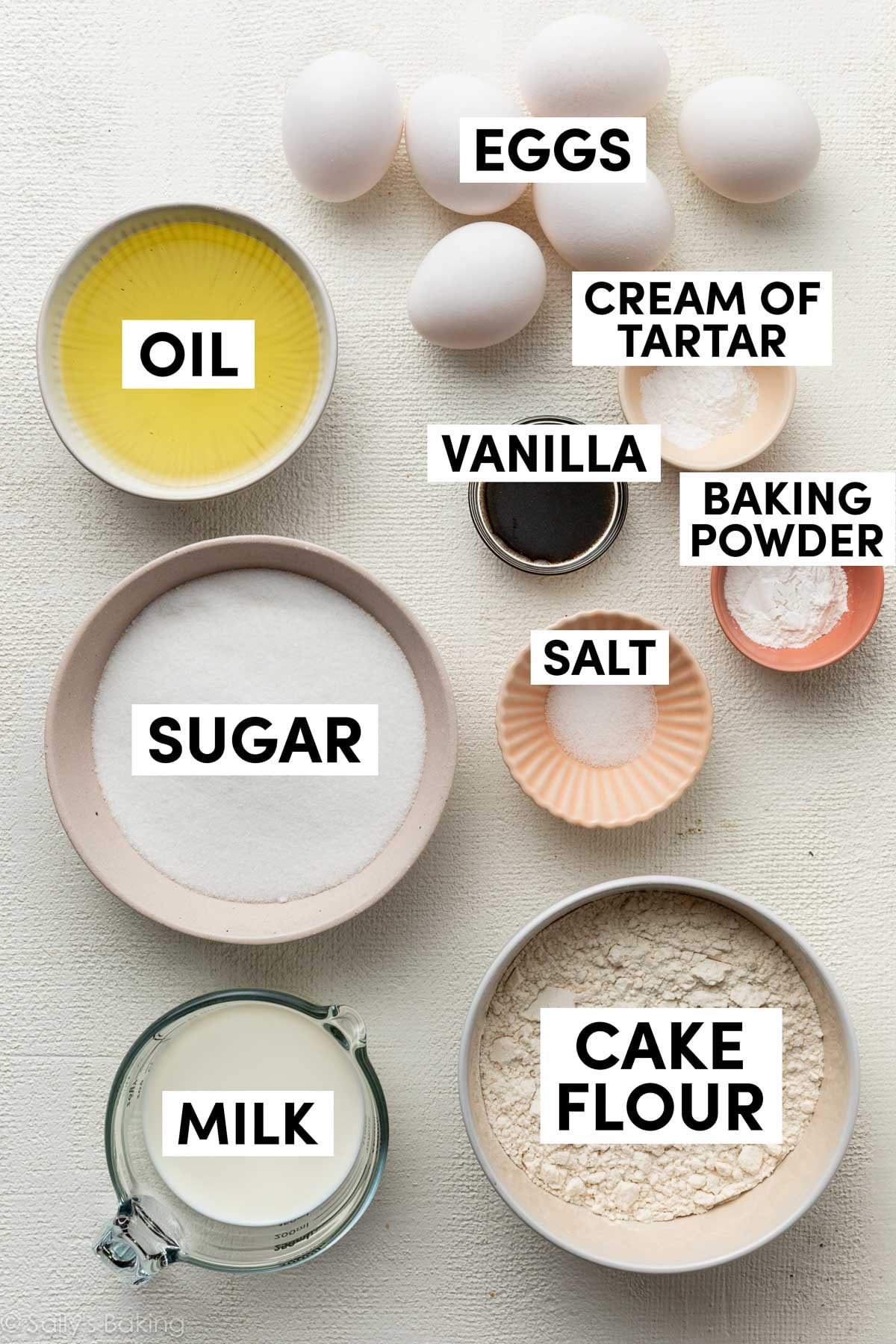
The distinguishing elements that elevate chiffon cake beyond a simple sponge include baking powder, egg yolks, and milk. The egg yolks and milk introduce fat and moisture, imparting a depth of flavor and a tender crumb that is reminiscent of a traditional butter cake, despite the absence of butter in the primary batter. This clever combination allows the chiffon cake to achieve a "buttery" taste and feel without the density often associated with butter-based recipes.
Perhaps the most crucial innovation in chiffon cake, and Baker’s closely guarded secret, is the use of vegetable oil. While many sponge cakes typically rely solely on eggs, sugar, and flour for their structure and moisture, the inclusion of oil in chiffon cake is a game-changer. Oil, being a liquid fat at room temperature, interacts differently with flour proteins than solid fats like butter. It coats the flour particles, inhibiting excessive gluten development, which results in an exceptionally moist and soft crumb. Crucially, unlike butter, oil does not solidify when chilled, meaning the chiffon cake retains its tender, melt-in-your-mouth texture even after refrigeration, staying fresh and soft for several days. This makes it an ideal choice for preparations that require advance baking or for desserts intended for warmer climates and extended serving.
The culmination of these elements is a cake that strikes a perfect balance: it is light enough to be refreshing for spring and summer gatherings, yet rich and substantial enough to feel like a special dessert for any occasion. For those seeking a cake that avoids excessive sweetness or heaviness, the chiffon cake presents an exquisite and remarkably satisfying option.
Key Techniques for Chiffon Cake Success: A Precision Bake
Crafting a classic chiffon cake requires adherence to specific techniques that are foundational to its unique structure and texture. These steps, while straightforward, demand precision and attention to detail.
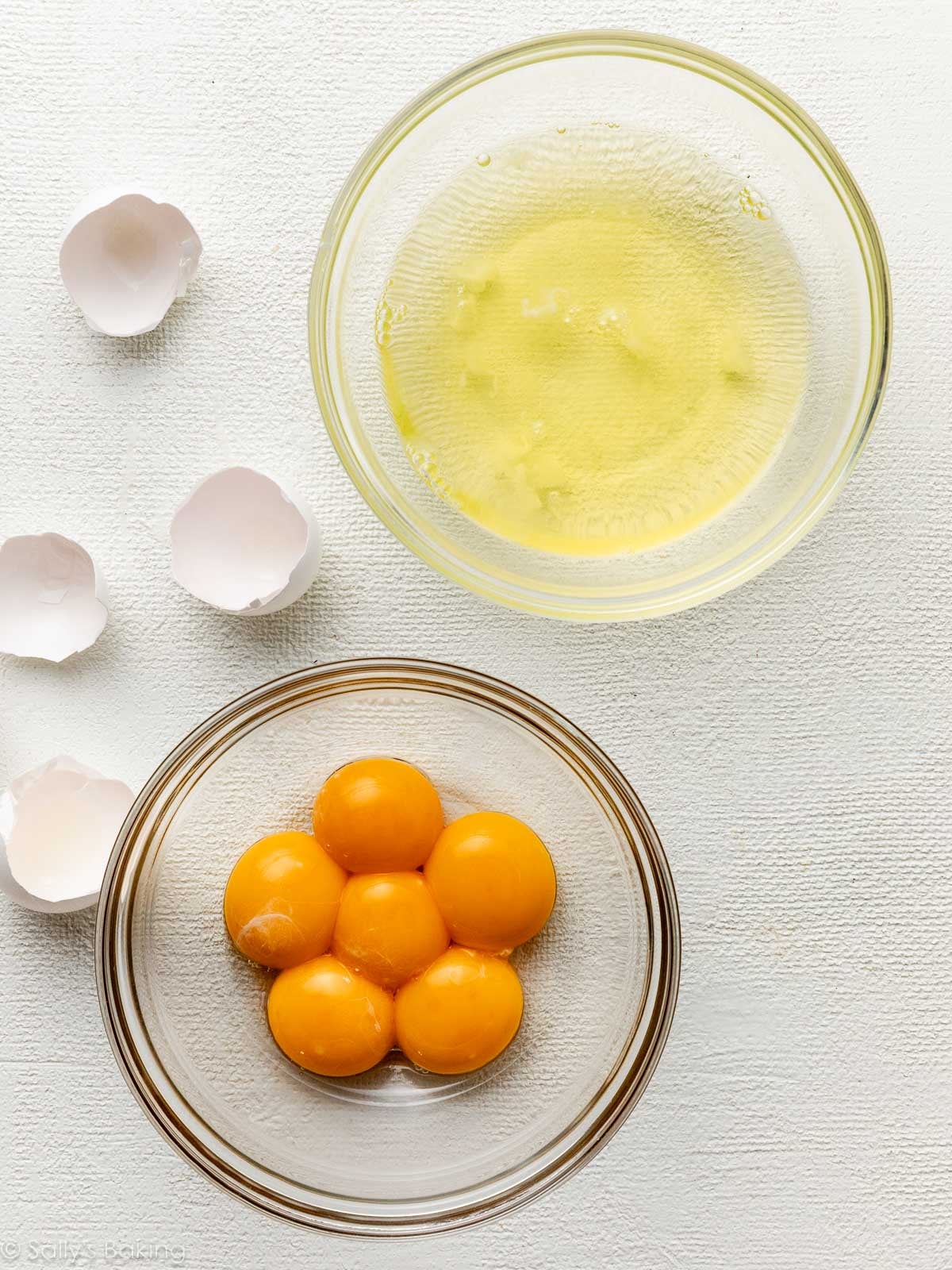
- Egg Separation: The process commences with the careful separation of egg whites from egg yolks. Any trace of yolk in the whites can impede the proper whipping of the meringue, which is critical for the cake’s lift.
- Sifting Dry Ingredients: The dry components, typically cake flour, sugar (a portion of it), baking powder, and salt, must be thoroughly sifted. This step is not merely about removing lumps; it aerates the flour, ensuring an even distribution of leavening agents and creating a lighter batter. Culinary experts, such as those at King Arthur Baking, frequently emphasize the importance of this step for optimal cake texture.
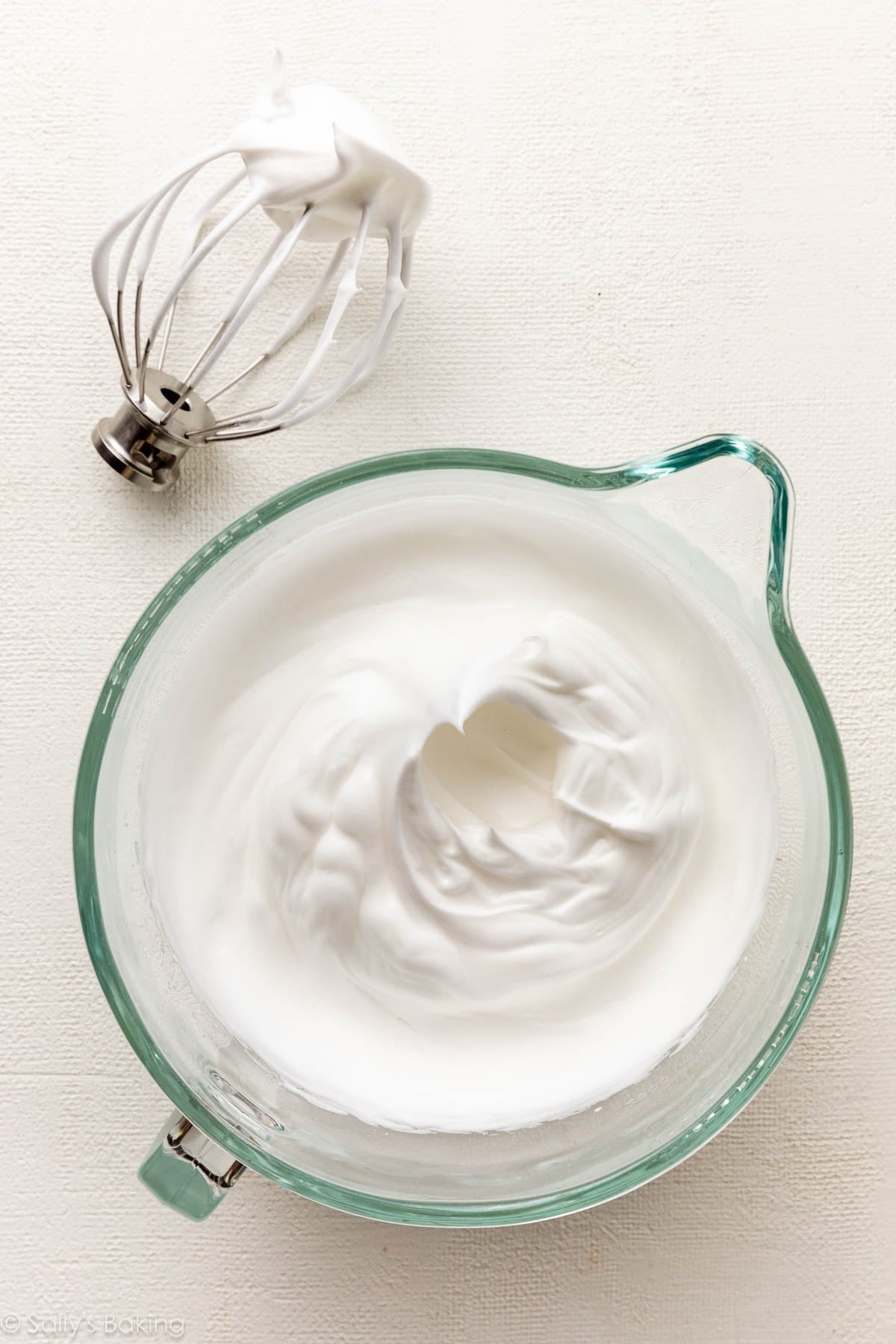
- Meringue Formation: The heart of the chiffon cake’s lightness lies in its meringue. Egg whites are whipped until foamy, then cream of tartar is added. Cream of tartar, an acidic salt, stabilizes the egg whites, helping them achieve maximum volume and a fine, stable foam. The remaining sugar is gradually incorporated while whipping continues at high speed until stiff, glossy peaks form. This meringue is the primary source of the cake’s airy texture and impressive height.
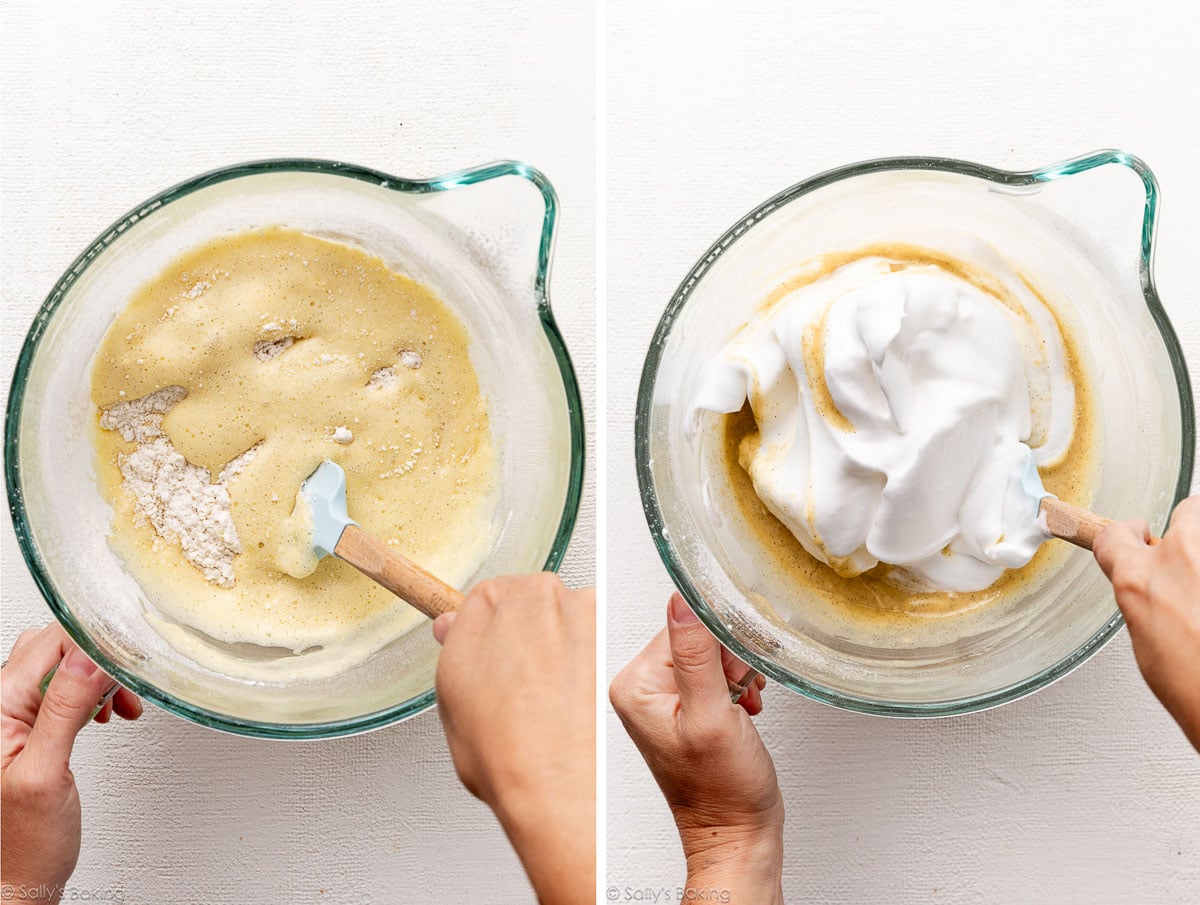
- Combining Wet and Dry Elements: Separately, the egg yolks are whisked with oil, milk, and flavorings (like vanilla extract). The sifted dry ingredients are then gently folded into this egg yolk mixture until just combined, forming a relatively thick batter.
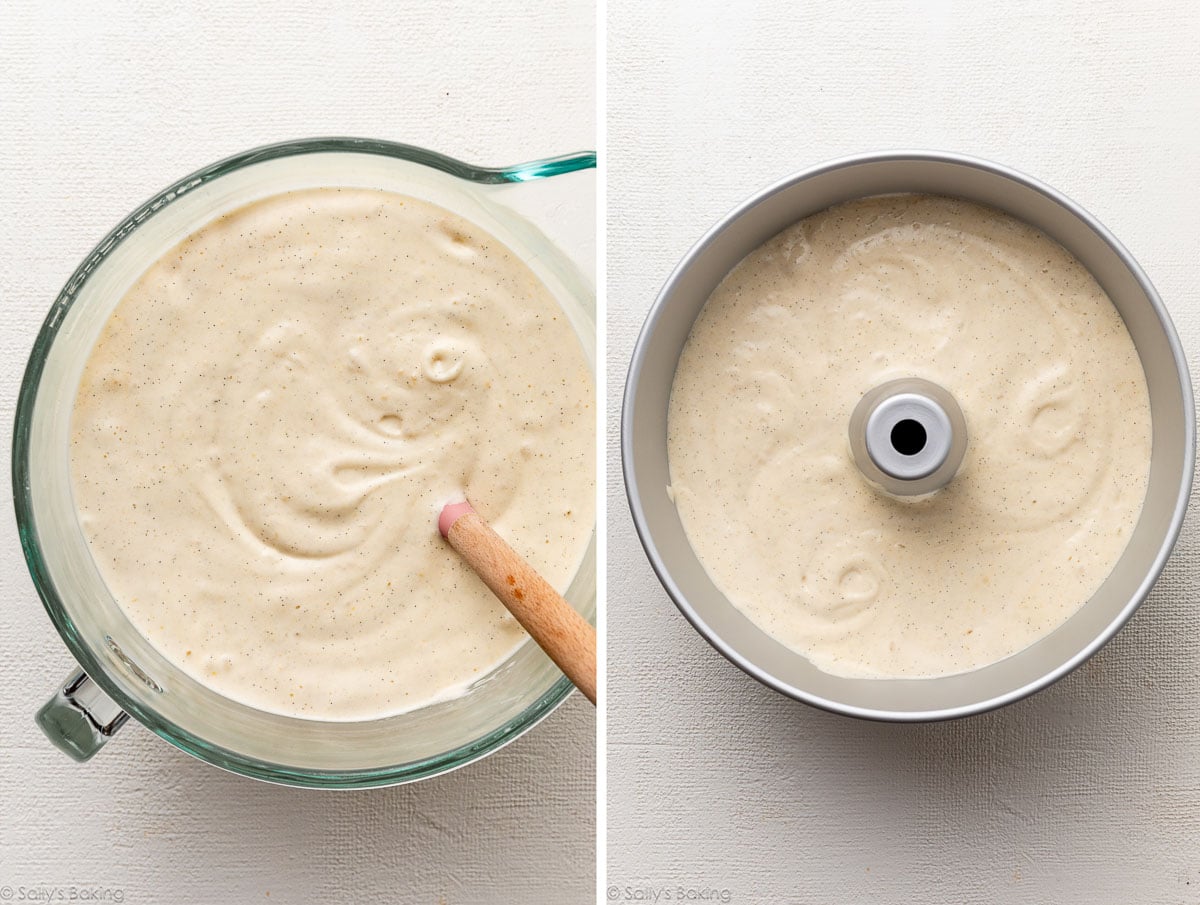
- Gentle Folding of Meringue: This is arguably the most critical step. The stiff egg white meringue is carefully folded into the denser egg yolk batter. Initially, about half of the meringue is folded in to lighten the batter, making it easier to incorporate the remaining meringue without deflating the delicate air bubbles. The rest of the meringue is then folded in gently, using a cut-and-fold technique, until no streaks of white remain. Overmixing here can collapse the meringue, leading to a dense, flat cake.
The Ungreased Tube Pan: An Essential Tool
A distinctive requirement for baking chiffon cake is the use of an ungreased tube pan, preferably with a removable bottom. This might seem counterintuitive to conventional baking wisdom, but it is fundamental to the cake’s structure.
The batter of a chiffon cake is designed to cling to the tall, ungreased sides of the pan as it rises during baking. This adherence provides the necessary support for the delicate, airy structure to climb upward, resulting in the cake’s impressive height and characteristic light crumb. If the pan were greased, the batter would lack the traction to ascend, potentially sliding down the sides and yielding a shorter, denser cake.
Furthermore, the central tube of the pan plays a crucial role in heat distribution. Chiffon cake batter is relatively thick, and a conventional round pan would cause the outer edges to bake and dry out long before the center is cooked through. The central tube allows heat to penetrate the batter from both the outer and inner surfaces, ensuring even baking and preventing a gummy or undercooked interior. Standard Bundt pans, while having a central tube, are generally unsuitable due to their intricate designs, which make it extremely difficult to cleanly remove the delicate chiffon cake once baked. For those without a 10-inch tube pan, baking the batter in three 8-inch round baking pans (also ungreased) is a viable alternative, allowing for a layered presentation.
The Inverted Cool: Preserving the Delicate Structure
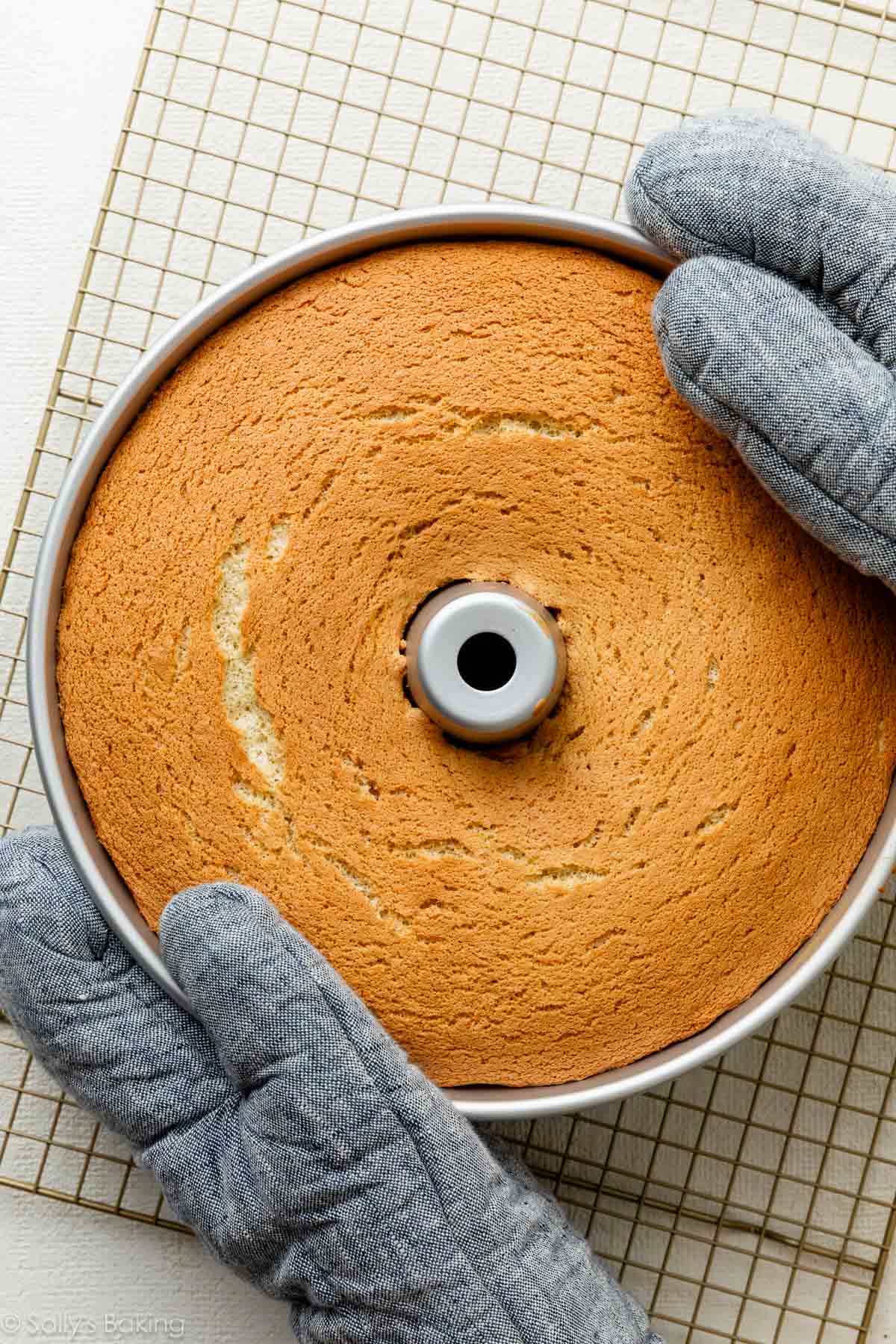
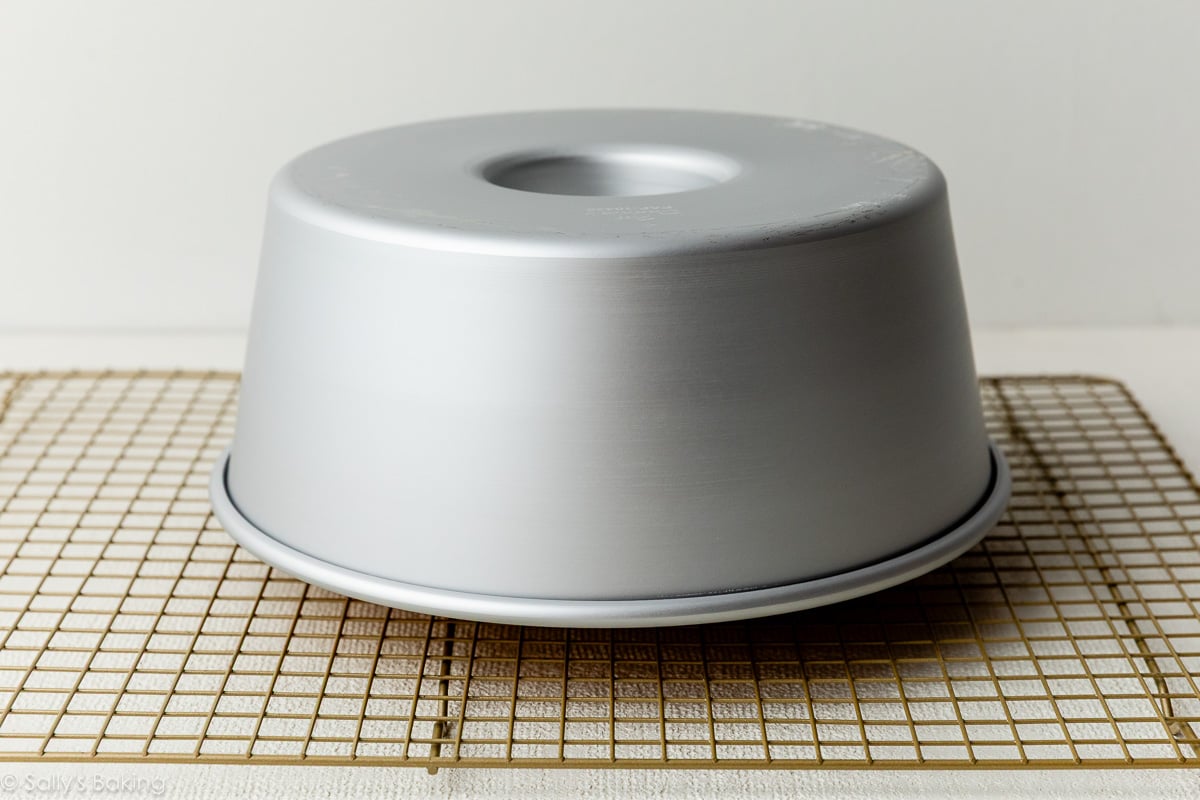
Upon removal from the oven, a chiffon cake requires another unconventional step: immediate inversion of the pan. The tube pan is typically designed with small "feet" or can be inverted over the neck of a bottle. Cooling the cake upside down is paramount to preventing its delicate, aerated structure from collapsing under its own weight as it cools and sets. The trapped air in the warm cake needs to stabilize, and gravity working in reverse helps maintain its lofty volume. This cooling method ensures the cake retains its height and airy texture, preventing it from becoming dense or sunken. The cake should be allowed to cool completely in this inverted position, often for several hours, before being gently removed from the pan.
Serving and Versatility: Beyond the Simple Slice
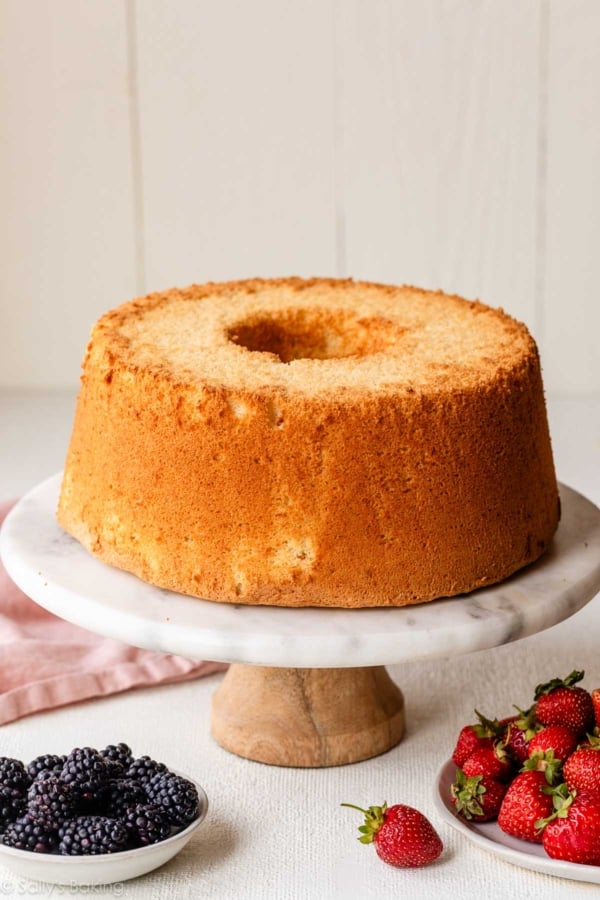
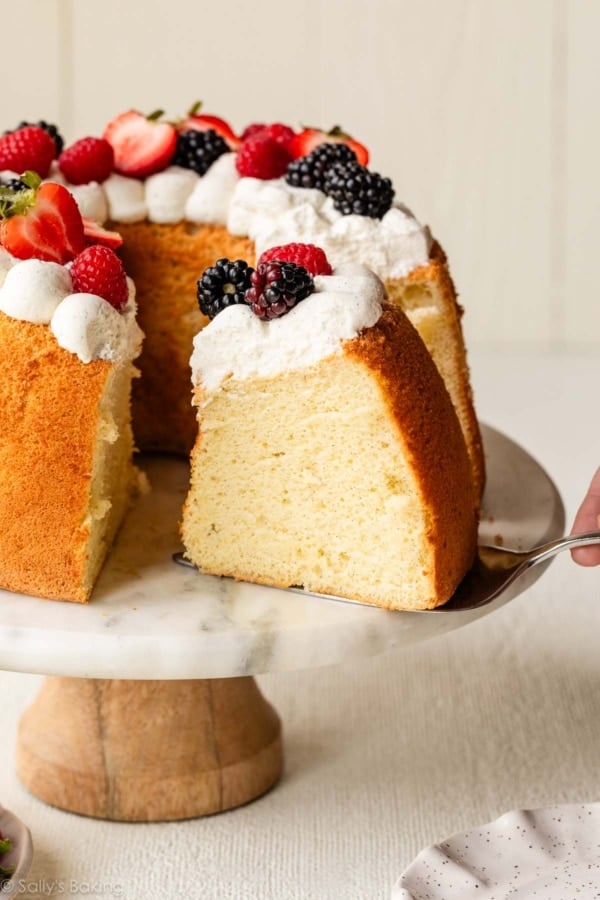
While a classic chiffon cake is inherently delicious on its own, perhaps with a simple dusting of confectioners’ sugar, its versatility extends to a myriad of serving possibilities. It pairs exquisitely with fresh fruit, particularly seasonal berries, and a dollop of freshly whipped cream. For those seeking a more robust yet still light topping, a cream cheese whipped cream offers increased stability and a subtle tang, similar to a not-so-sweet whipped frosting.
Beyond a simple presentation, chiffon cake serves as an excellent foundation for layered celebration cakes. Its sturdy yet light structure allows it to be stacked without collapsing, making it suitable for elaborate creations. Bakers can either bake the cake directly in multiple round cake pans or slice a cooled tube cake horizontally into layers, ready to be filled with various creams, curds, or fruit fillings. This adaptability makes it a favorite for birthdays, anniversaries, and other festive occasions where a lighter, elegant dessert is desired.
Broader Implications and Enduring Appeal
The chiffon cake’s impact extends beyond individual enjoyment. Its innovative use of oil marked a shift in baking, influencing subsequent recipes and contributing to a broader understanding of fat’s role in cake texture. Its relative lightness and less intense sweetness, compared to butter-heavy cakes, have also contributed to its widespread popularity in diverse culinary traditions, particularly in Asian countries where lighter desserts are often preferred. Here, chiffon cakes are frequently infused with local flavors like pandan, matcha, or ube, showcasing its adaptability and global appeal.
Culinary historians and pastry chefs continue to laud the chiffon cake as a marvel of engineering in the baking world. It represents a perfect blend of scientific understanding and culinary artistry, offering a dependable classic that consistently delivers a delightful experience. Mastering the key techniques—meticulously whipping egg whites, gently folding them into the batter, and observing the inverted cooling process—ensures a consistently successful bake that frequently elicits surprised admiration from those who taste it. The chiffon cake remains a timeless favorite, a rewarding challenge for bakers, and a delicious treat that continues to captivate palates worldwide.