
The American Homebrewers Association (AHA) has officially launched its January/February 2026 edition of Zymurgy magazine, a cornerstone publication for the international homebrewing community. This latest installment serves as a comprehensive guide to the current state of the hobby and the professional craft beer industry, led by a deep dive into the prestigious Pro-Am Competition results from the Great American Beer Festival (GABF). The issue also explores the historical trajectory of West Coast India Pale Ales (IPAs), the preservation of legacy breweries, and the burgeoning craft beer culture in Mongolia, accompanied by a collection of eleven curated recipes for various skill levels.
As the official journal of the AHA since 1978, Zymurgy continues to document the evolution of fermentation science. The January/February 2026 issue arrives at a critical juncture for the brewing industry, which is currently navigating a landscape defined by shifting consumer preferences and a renewed interest in traditional styles. Under the leadership of Editor-in-Chief Dave Carpenter, the publication maintains its role as a bridge between the amateur enthusiast and the professional innovator.
The Pinnacle of Collaboration: The Pro-Am Competition
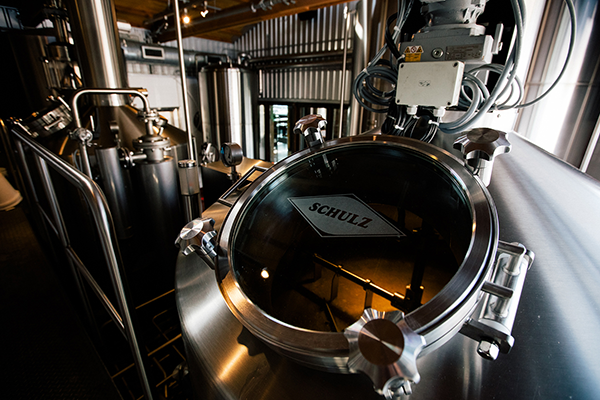
The centerpiece of the new issue is the detailed coverage of the Pro-Am Competition medal winners. The Pro-Am is a unique fixture of the Great American Beer Festival, where AHA members collaborate with professional craft breweries to scale up their award-winning homebrew recipes for commercial production. This competition is widely regarded as one of the most challenging categories in the GABF, as it requires a seamless translation of small-batch precision to large-scale industrial brewing systems.
To qualify for the Pro-Am, homebrewers must have won a medal in an AHA-sanctioned competition. The partnership between the amateur and the professional brewery is a testament to the symbiotic relationship within the craft beer ecosystem. The 2026 coverage highlights the technical hurdles faced by this year’s winners, including grain bill adjustments and hop utilization calculations necessary when moving from a five-gallon carboy to a thirty-barrel brewhouse.
Industry analysts note that the Pro-Am winners often signal upcoming trends in the broader market. When a homebrewed recipe succeeds on a national stage, it frequently validates experimental techniques or underutilized ingredients that eventually find their way into mainstream craft portfolios. The January/February issue provides an exhaustive list of these winners, offering readers a blueprint for excellence in recipe formulation and collaborative execution.
Chronology of the West Coast IPA: From Bitterness to Balance
A significant portion of the issue is dedicated to the evolution of the West Coast IPA, a style that arguably defined the American craft beer movement in the late 20th and early 21st centuries. The article traces the style from its roots in the early 1990s—characterized by the assertive use of "C-hops" like Cascade, Centennial, and Columbus—through the "bitterness wars" of the 2000s, and into its modern iteration.
The January/February 2026 analysis posits that the West Coast IPA is currently undergoing a "renaissance of clarity." Following a decade-long dominance of the New England or Hazy IPA, which prioritizes a soft mouthfeel and low bitterness, brewers are returning to the crisp, dry, and resinous profiles of the West Coast style. However, the modern version is distinct from its predecessors. Today’s West Coast IPAs often incorporate "New World" hops from the Southern Hemisphere and utilize advanced hopping techniques such as cryo-hops and hop oils to achieve intense aroma without the palate-fatiguing bitterness of the past.

The magazine provides technical data on water chemistry adjustments—specifically the sulfate-to-chloride ratio—that are essential for achieving the "crisp" finish associated with the modern West Coast IPA. This historical and technical retrospective serves as both a lesson in brewing history and a practical guide for brewers looking to master the style’s latest evolution.
Global Frontiers: The Rise of Brewing in Mongolia
In a departure from Western-centric brewing narratives, Zymurgy explores the unique challenges and triumphs of brewing in Mongolia. This feature highlights the globalization of craft beer and the ways in which traditional nomadic cultures are integrating modern fermentation science with local ingredients.
Historically, Mongolian fermentation has centered on airag (fermented mare’s milk). However, the capital city of Ulaanbaatar has seen a surge in craft brewery openings over the last five years. The article examines how Mongolian brewers manage supply chain logistics in a landlocked nation, often importing malt and hops from Europe and North America while experimenting with indigenous grains and wild yeast strains found in the steppe.
This inclusion reflects a broader trend within the AHA to document "extreme brewing" environments. The Mongolian brewing scene serves as a case study in resilience and adaptation, providing inspiration for homebrewers who may be operating in regions with limited access to standardized brewing supplies.
Sustaining the Old Guard: Legacy Breweries and Industry Stability
As the craft beer market reaches a point of maturation, the January/February issue places a spotlight on "legacy breweries"—those institutions that have remained in operation for twenty-five years or more. In an era where brewery closures have become more common due to market saturation and rising operational costs, the magazine analyzes the strategies these veteran establishments use to remain relevant.
The reporting suggests that legacy breweries succeed by balancing consistency with innovation. While their flagship brands provide a stable financial foundation, these breweries continue to engage the homebrewing community through open-source recipes and educational outreach. The issue argues that the health of the homebrewing hobby is intrinsically linked to the stability of these foundational breweries, which often serve as the first point of entry for aspiring brewers.
Technical Innovations and the 2026 Recipe Portfolio
True to its mission of providing actionable content, Zymurgy includes a review of the latest brewing gadgets and hardware. The 2026 issue focuses on the integration of smart technology in the home brewery, including automated fermentation temperature controllers and digital hydrometers that provide real-time data to mobile devices. These tools are increasingly becoming standard in the hobby, allowing for a level of precision that was previously only available to commercial operations.
The issue is rounded out by eleven distinct recipes, ranging from the medal-winning Pro-Am entries to experimental styles discussed in the feature articles. Each recipe is formatted for five-gallon batches and includes detailed specifications for original gravity (OG), final gravity (FG), international bitterness units (IBU), and alcohol by volume (ABV). This diverse portfolio ensures that members of all experience levels have the resources to experiment with new techniques during the winter brewing season.
Editorial Leadership and the Role of the AHA
The issue is overseen by Editor-in-Chief Dave Carpenter, who has been a prominent voice in the brewing community since 2009. Carpenter’s editorial philosophy emphasizes the intersection of technical "geekery" and the cultural joy of the craft. His leadership has seen Zymurgy expand its digital presence, offering members-only content that complements the print edition.
The American Homebrewers Association remains the primary advocacy group for the hobby, with a membership that exceeds 35,000 individuals. The January/February 2026 issue reinforces the benefits of membership, which include access to the Zymurgy archives, discounts at breweries nationwide, and the ability to compete in the National Homebrew Competition.
The AHA’s commitment to "homebrew activism" is also touched upon, noting the ongoing efforts to modernize homebrewing laws in various jurisdictions. By providing high-quality educational content and a platform for community recognition, the AHA and Zymurgy continue to foster an environment where the next generation of professional brewers can hone their craft.
Broader Impact and Industry Implications
The release of this issue reflects several key trends in the beverage industry. First, the emphasis on Pro-Am winners highlights the shrinking gap between amateur and professional quality. As homebrewing equipment becomes more sophisticated, the distinction lies less in the quality of the final product and more in the scale of production.
Second, the focus on international brewing and legacy breweries suggests a shift toward a more global and historical perspective on beer. The industry is moving away from the "trend of the month" cycle and toward a more sustainable appreciation of style diversity and institutional knowledge.
Finally, the continued success of Zymurgy as a subscription-based, member-driven publication demonstrates the enduring value of specialized, high-quality journalism in a fragmented media landscape. For the homebrewing community, the January/February 2026 issue is more than just a magazine; it is a technical manual and a cultural touchstone for the year ahead.
As the brewing world continues to adapt to economic and social changes, the insights provided in this latest edition of Zymurgy will likely serve as a vital resource for anyone dedicated to the art and science of fermentation. Whether through the lens of a Mongolian microbrewery or the technical specifications of a West Coast IPA, the magazine remains a definitive authority on the global pursuit of the perfect pint.