
"I work with coaches and other people who know too much." This poignant observation by Kate Solovieva, a distinguished former professor of psychology, a Precision Nutrition (PN) master coach, and PN’s Director of Community Engagement, encapsulates a critical challenge facing the rapidly expanding world of professional coaching. Solovieva, whose expertise spans academic rigor and practical application, has become a prominent voice in guiding practitioners through the complexities of building and sustaining a successful coaching career. Her unique vantage point, derived from instructing thousands of aspiring and seasoned professionals through PN’s Level 2 Master Health Coaching Certification, facilitating vibrant online coaching communities, and maintaining her own private practice, grants her an unparalleled perspective on the triumphs and tribulations encountered by coaches daily.
The global coaching industry, estimated to be worth over $15 billion and continuing its robust growth trajectory, is attracting a diverse array of individuals passionate about facilitating positive change in others. However, passion alone, as Solovieva meticulously observes, is often insufficient for navigating the entrepreneurial and interpersonal demands of the profession. Many coaches, despite their deep knowledge and genuine desire to help, find themselves grappling with operational inefficiencies or client engagement issues that impede their long-term success. Solovieva’s deep immersion into the coaching ecosystem has allowed her to identify three pervasive mistakes that, if unaddressed, can significantly limit a coach’s potential and impact. This analysis aims to illuminate these common pitfalls and provide actionable strategies for overcoming them, fostering greater professional efficacy and client satisfaction within the coaching community.
The Paradox of Preparation: Prioritizing Coaching Over Selling
One of the most frequently observed missteps, particularly among nascent coaches, is an excessive focus on accumulating knowledge and certifications at the expense of actively acquiring clients. Solovieva likens a coaching business to a three-legged stool, with its stability dependent on equally robust legs of coaching, marketing, and selling. The overwhelming inclination for many, however, is to dedicate disproportionate effort to the "coaching" leg, striving for an unattainable state of complete knowledge before venturing into the marketplace.
This phenomenon is deeply rooted in the admirable desire to be the "best" coach possible, ensuring preparedness for any client query or challenge. However, as Solovieva points out, "You cannot become the best coach you can be in a vacuum, talking to yourself in your office." The practical experience gained from real-world client interactions far outweighs theoretical mastery achieved in isolation. Data from the U.S. Bureau of Labor Statistics indicates that approximately 20% of new businesses fail within the first two years, and nearly 50% within five years. While myriad factors contribute to these statistics, a common underlying issue for service-based businesses like coaching is often a lack of initial client acquisition and sustained revenue, rather than a deficit in technical skill. Coaches who delay selling their services, awaiting an elusive state of "completeness," inadvertently delay the very experiences that would hone their craft and build their business. Conversely, those who embrace the sales process earlier gain invaluable practical experience, refine their approach, and build a client base, thereby accelerating their professional development and increasing their odds of long-term success. This early engagement allows for iterative learning, where theoretical knowledge is immediately applied, tested, and integrated with practical insights, creating a more agile and effective practitioner.
Solution: Embodying the Role of Coach, Not Sole Expert
The solution to this dilemma lies in a fundamental reframing of the coach’s role: to show up as a guide and facilitator, rather than an encyclopedic authority. While a foundational understanding of relevant principles (e.g., nutrition, fitness, psychology) is non-negotiable, the expectation of possessing every conceivable answer is both unrealistic and detrimental. Aspiring coaches often fear the discomfort of not knowing an answer, perceiving it as a flaw in their expertise. This fear can drive the endless pursuit of certifications, creating a barrier to entry into active practice.
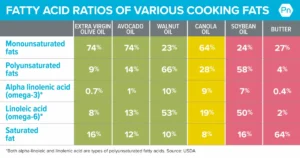
However, the core value of coaching lies not in the dissemination of facts, but in the skillful application of a client-centered approach. When a client poses a question, an expert might immediately offer a detailed explanation. A coach, by contrast, seeks to understand the underlying motivation behind the question. For instance, if a client asks about seed oils, instead of launching into a scientific summary, a coach might respond, "That’s an excellent question. I can certainly provide information on that, but I’m curious, what makes you ask about seed oils today?" This subtle shift in approach can unveil the client’s true concern – perhaps a friend’s weight loss experience or a trending health claim – allowing the coach to address the client’s deeper needs and develop more effective, personalized strategies.
Professional coaching standards, such as those advocated by the International Coaching Federation (ICF), emphasize active listening and powerful questioning as cornerstones of effective practice. Clients frequently do not require more information; they are often overwhelmed by it. What they need is guidance in translating information into actionable steps, overcoming barriers, and fostering sustainable behavioral change. A coach’s ability to facilitate this process, even when an immediate factual answer is not at hand, is paramount. By embracing curiosity and collaboration, coaches empower clients to explore their own motivations and find solutions that resonate with their unique circumstances, thus fostering greater autonomy and adherence.
Overcoming the Projection Trap: Recognizing Client Individuality
A second prevalent mistake, often more subtle than the first, is the unconscious assumption that clients share the coach’s values, preferences, and circumstances. Coaches, by their very nature, are typically individuals who deeply value health, personal growth, and self-improvement. It is natural, then, to project these values onto clients, assuming they possess similar motivations and capabilities. This can lead to offering advice or setting goals that, while effective for the coach, are entirely misaligned with the client’s reality.
This projection trap can manifest in various ways: recommending dietary changes that conflict with a client’s cultural background, suggesting exercise routines incompatible with their physical limitations or time constraints, or pushing for goals that hold little intrinsic meaning for them. Solovieva highlights this challenge, stating, "There’s nothing inherently superior about valuing your health. If you do, yes, you’ll probably experience better health and live longer. But not everyone shares those values. That’s a tough one to swallow." This acknowledgment underscores the critical importance of recognizing and respecting individual differences. Research in behavioral science consistently demonstrates that intrinsic motivation, tailored approaches, and perceived self-efficacy are far more impactful than externally imposed directives. When coaching strategies fail to account for a client’s unique biology, social context, personal history, and readiness for change, frustration inevitably mounts for both parties, leading to client disengagement and a diminished sense of efficacy for the coach.
Solution: Establishing a Comprehensive Client Baseline
The antidote to this assumptive bias is a deliberate commitment to understanding each client’s unique baseline. This requires checking preconceived notions at the door and approaching every interaction with an open, curious, and non-judgmental mind. The initial stages of the coaching relationship are critical for this discovery process. Coaches must employ a robust intake process and skilled questioning to uncover not just what clients want to achieve, but why those goals are meaningful to them, what their current capabilities are, and what barriers they anticipate.
Key questions include:
- "What inspired you—or pushed you—to come in today?"
- "Why is that goal meaningful to you?"
- "What skills do you have today that might help you achieve your goal? What skills do you feel you might be missing?"
Active listening, coupled with empathetic inquiry, allows the coach to build a comprehensive picture of the client’s values, priorities, and readiness for change. This is particularly crucial even when clients present with seemingly similar experiences or goals to the coach. For example, a coach who is also a marathon runner might instinctively recommend a certain training regimen to a client training for a marathon. However, the client’s unique physiological responses, recovery capacity, family commitments, or prior injury history could render that exact regimen unsuitable. In such instances, Solovieva suggests acknowledging shared experience while still inviting individual exploration: "I know what [insert shared experience] has been like for me, but what has [insert shared experience] been like for you?" This validates the shared human experience while maintaining focus on the client’s unique narrative.
Once a clear picture emerges, coaches can collaboratively assess what actions the client is truly ready, willing, and able to take. This involves identifying realistic, achievable steps that align with the client’s life, rather than imposing a "one-size-fits-all" solution. The "Ready, Willing, and Able" framework, often utilized in client-centered coaching, provides a structured method for evaluating these factors, ensuring that interventions are both effective and sustainable.
The Peril of Over-Investment: Detaching from Client Outcomes
The third common pitfall, and perhaps the most emotionally challenging, involves coaches becoming excessively attached to their clients’ results. It is a natural byproduct of the coaching profession; individuals are drawn to this work precisely because they care deeply and are invested in seeing others succeed. This inherent empathy is a powerful asset, but it carries the risk of becoming a "double-edged sword."
Coaches meticulously craft plans, provide guidance, and offer unwavering support. Yet, ultimately, the responsibility for execution and the attainment of results rests with the client. The gap between the coach’s earnest efforts and the client’s sometimes inconsistent follow-through can be "brutal," as Solovieva describes it, leading to frustration, disappointment, and even heartbreak for the coach. This emotional investment, while a sign of genuine commitment, can cross a critical threshold where the coach begins to care more than the client themselves. This imbalance is not only emotionally draining for the coach but can also subtly undermine the client’s autonomy and sense of personal responsibility.
Studies on professional well-being indicate that blurred boundaries and an excessive sense of responsibility for client outcomes are significant contributors to burnout across helping professions. When coaches shoulder the emotional weight of client progress, they risk depleting their own "care units"—the finite reserves of time, energy, attention, and authentic "heart" they can bring to their work. An unsustainable level of over-investment leads to emotional exhaustion, resentment, and ultimately, diminished effectiveness as a coach.
Solution: Clearly Delineating Client and Coach Responsibilities
The most effective strategy for managing emotional investment while maintaining high standards of care is to establish explicit boundaries and clearly delineate responsibilities early in the coaching relationship. This proactive approach helps to manage expectations, fosters client accountability, and safeguards the coach’s well-being. Solovieva advocates for a rigorous clarity on the coach’s role, enabling practitioners to objectively evaluate their performance: "Did I show up? Did I follow up? Did I coach this person to the best of my ability?"
A formal articulation of responsibilities, either through open discussion or a written contract, can specify what the coach is responsible for (e.g., providing guidance, checking in regularly, offering resources) and what the client is accountable for (e.g., showing up for sessions, being honest, implementing agreed-upon actions, asking questions). For example, a coach’s responsibilities might include:
- Conducting weekly virtual coaching sessions.
- Providing evidence-based nutritional guidance.
- Offering support and accountability through a designated communication channel.
- Developing personalized action plans based on client input.
Conversely, the client’s responsibilities would include:
- Attending scheduled sessions punctually.
- Engaging honestly and openly about challenges and progress.
- Implementing agreed-upon strategies and habits.
- Communicating any difficulties or needs proactively.
This clear delineation serves several vital functions. It helps in vetting potential coach-client "fit." If a prospective client expresses expectations beyond the coach’s defined scope (e.g., demanding daily texts, personal grocery shopping), it allows the coach to respectfully decline the engagement, preventing future friction and burnout. Furthermore, these explicit boundaries protect the coaching relationship even in challenging scenarios, such as when a client disengages ("ghosts") before a paid contract concludes. The coach, having fulfilled their defined responsibilities, can maintain professionalism and avoid personalizing the client’s withdrawal. "When somebody doesn’t reply to me, I don’t take it personally. It’s not their job to reply, but it is my job to check in," Solovieva remarks, illustrating the power of clearly defined roles in preserving professional equilibrium.
The Unsung Imperative: Acknowledging Self-Worth
Beyond the three primary pitfalls, Solovieva subtly introduces a "bonus mistake": neglecting to acknowledge one’s own efforts and successes. The journey of coaching is often challenging, demanding continuous learning, adaptability, and resilience. When coaches encounter the aforementioned mistakes, it is often a testament to their deep caring and commitment, rather than a lack of competence. The natural inclination to self-criticize can overshadow the dedication and positive impact coaches genuinely strive for.
Recognizing that these "mistakes" are common, often stemming from admirable intentions, is crucial for fostering a sustainable and rewarding coaching career. They are not indictments of failure but rather opportunities for growth and refinement. The ability to reflect on these challenges, implement systemic solutions, and continue serving clients with integrity is a profound strength. By consciously practicing self-compassion and celebrating their efforts, coaches can sustain their passion, mitigate burnout, and ultimately enhance their capacity to serve others effectively.
Broader Implications for the Coaching Profession
The insights shared by Kate Solovieva extend beyond individual practitioners, carrying significant implications for the broader coaching industry. By addressing these common pitfalls, the profession as a whole can elevate its standards, improve client outcomes, and foster greater sustainability for coaches.
- Enhanced Professionalism: Emphasizing business acumen alongside coaching skill contributes to a more professionalized industry where practitioners are not only adept at facilitating change but also skilled at building viable enterprises. This attracts a higher caliber of talent and ensures long-term stability.
- Improved Client Experience: When coaches prioritize understanding individual client baselines and manage their emotional investment, clients receive more personalized, effective, and empowering support. This leads to higher satisfaction rates, better adherence, and more sustainable results.
- Reduced Coach Burnout: Clear boundaries and a realistic understanding of a coach’s role in client outcomes are critical for preventing emotional exhaustion. A healthy, sustainable coaching workforce is essential for meeting the growing demand for wellness and performance support.
- Industry Growth and Reputation: A profession characterized by effective, ethical, and sustainable practices naturally builds trust and credibility. As more coaches avoid these common mistakes, the collective reputation of the coaching industry strengthens, attracting more individuals to seek professional guidance.
Kate Solovieva’s perspective offers a critical framework for coaches to not only avoid common traps but also to cultivate a practice that is both professionally successful and personally fulfilling. By embracing a holistic view that integrates business acumen, client-centered empathy, and clear professional boundaries, coaches can truly unlock their potential and make a lasting, positive impact on the lives of their clients. For those dedicated to mastering these essential skills, resources such as the Precision Nutrition Level 1 Nutrition Coaching Certification offer foundational training designed to equip coaches with the knowledge and practical strategies needed to navigate the complexities of this dynamic profession.