
Paris, France – Dr. Hervé This, the renowned French physical chemist and co-creator of molecular gastronomy, has released a comprehensive summary documenting two decades of the seminal molecular gastronomy seminars held in Paris. This invaluable compilation, distributed globally via email, offers a concise overview of the profound insights and experimental findings generated over twenty years, establishing itself as an indispensable resource for both culinary professionals and scientific researchers worldwide. The initiative underscores Dr. This’s unwavering commitment to democratizing scientific knowledge within the culinary arts, fostering a deeper understanding of the processes that transform ingredients into gastronomic experiences.
The recently disseminated document, available in both French and English, provides a brief but potent distillation of the extensive work conducted during these monthly seminars. While the English translation carries a caveat regarding potential minor linguistic nuances, encouraging reference to the original French for clarity, its core message remains universally impactful. Dr. This has explicitly encouraged wide distribution, recognizing the immense potential of these findings to inspire further experimentation in kitchens and laboratories alike, serving as a catalyst for new science projects and innovative chemistry exercises. Beyond these summaries, the AgroParisTech website hosts an exhaustive archive of documentation from every seminar, offering an unparalleled depth of research for those seeking to delve into the intricate details of experimental conditions and comprehensive results.
The Genesis of Molecular Gastronomy and the Erice Workshops
To fully appreciate the significance of these Paris seminars, it is crucial to understand the historical context and the pioneering vision of Dr. Hervé This. In the late 1980s, alongside the Hungarian-born physicist Nicholas Kurti, Dr. This coined the term "molecular gastronomy." This nascent field was conceived as a scientific discipline dedicated to studying the physical and chemical processes that occur during cooking. It sought to move beyond anecdotal culinary wisdom and traditional recipe formulation, applying rigorous scientific methodology to unravel the mysteries of the kitchen.
Nicholas Kurti, a distinguished low-temperature physicist at Oxford University, was a passionate advocate for applying scientific principles to everyday phenomena, famously remarking, "I think it is a sad reflection on our civilization that while we can and do measure the temperature in the atmosphere of Venus, we do not know what goes on inside our soufflés." His collaboration with Dr. This was instrumental in laying the intellectual groundwork for molecular gastronomy, transforming cooking from an art perceived as intuitive into a subject worthy of scientific inquiry.
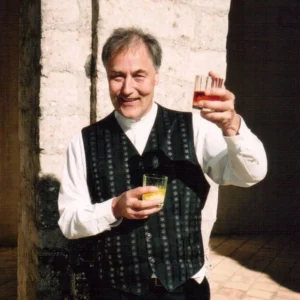
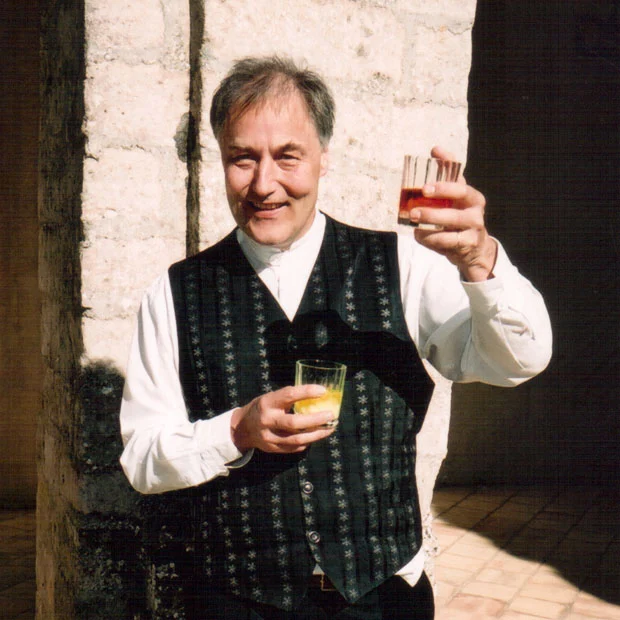
A pivotal moment in the formalization of this new discipline was the establishment of the International Workshop on Molecular Gastronomy, held annually in Erice, Sicily. Initiated in 1992, these workshops brought together a diverse assembly of scientists, chefs, food writers, and historians to discuss the scientific underpinnings of cooking. Dr. This was a central figure in these gatherings, which served as a crucible for interdisciplinary dialogue, pushing the boundaries of culinary knowledge. The image accompanying the recent summary document, showing Dr. This demonstrating egg immersion in colored solutions at the 2004 Erice workshop, serves as a poignant reminder of these foundational events and his enduring commitment to empirical observation. These early workshops cemented molecular gastronomy’s academic legitimacy and fostered a global community dedicated to its exploration.
Two Decades of Rigorous Inquiry: The Paris Seminars
Building upon the philosophical framework established in Erice, the molecular gastronomy seminars in Paris, initiated approximately two decades ago (around the early 2000s, given the 2020 publication context of the original article), became a consistent platform for monthly experimentation and discussion. Unlike the broader, theoretical discussions at Erice, the Paris seminars focused on practical, hands-on investigations into specific culinary phenomena. Each session was dedicated to questioning established kitchen practices, testing long-held culinary beliefs, and systematically documenting the outcomes.
The methodology employed in these seminars mirrors the scientific method: formulating hypotheses about cooking processes, designing experiments to test these hypotheses, meticulously observing and measuring results, and drawing conclusions. This systematic approach allowed participants to move beyond mere "how-to" instructions to understand the "why" behind culinary techniques. The seminars attracted a diverse group of participants, including professional chefs, culinary students, food scientists, and enthusiastic home cooks, creating a vibrant intellectual environment where curiosity was paramount and traditional wisdom was subjected to scientific scrutiny.
Key Findings and Culinary Revelations
The summary document released by Dr. This provides a glimpse into the myriad discoveries and clarifications made during these two decades. While the full scope is extensive, even the brief statements reveal profound implications for everyday cooking and high-end gastronomy. These findings often debunk common kitchen myths, optimize existing techniques, and inspire entirely new culinary approaches.
For instance, the seminars have meticulously explored the nuances of egg coagulation. Traditional cooking often relies on imprecise temperature and time estimates for egg preparations. Through controlled experiments, the seminars have provided detailed data on how specific temperatures affect protein denaturation in eggs, leading to precise guidelines for achieving desired textures in custards, meringues, and soufflés. Understanding the exact temperature at which egg whites or yolks coagulate allows for greater consistency and innovation in dishes like perfectly poached eggs or delicate sauces.
Similarly, the process of caramelization, often simplified as "cooking sugar until brown," has been dissected. The seminars investigated the complex chemical reactions involved, including the Maillard reaction (when proteins are present), and the specific temperatures and conditions that yield different flavor profiles and colors in caramelized sugars. This scientific understanding empowers chefs to manipulate caramelization with greater precision, achieving specific nuances of bitterness, sweetness, and aroma.
Emulsification, the process of combining two immiscible liquids like oil and water, is fundamental to many sauces and dressings. The seminars explored the stability of various emulsions, identifying the optimal ratios of ingredients, the role of emulsifiers (like lecithin in egg yolks), and the mechanical energy required to create stable and desirable textures in mayonnaise, vinaigrettes, and hollandaise. Such detailed analysis moves beyond simple recipes to offer a deeper comprehension of emulsion physics, allowing for tailored applications.
Beyond these examples, the seminars have delved into a vast array of topics, including:
- The Science of Searing: Investigating whether searing meat truly "seals in juices" – a pervasive myth – and clarifying the actual benefits of high-heat cooking for flavor development (Maillard reaction).
- Vegetable Cookery: Understanding how different cooking methods and environments (e.g., pH levels) affect the texture, color, and nutrient retention of vegetables.
- Aromatics and Flavor Release: Exploring the chemical compounds responsible for specific aromas and how cooking techniques influence their release and perception.
- Gelling Agents: Detailed studies on the properties of various hydrocolloids (agar-agar, gelatin, pectin) and their applications in creating specific textures and forms.
The cumulative effect of these seemingly "trivial" findings is transformative. They collectively underscore the principle that every culinary claim, every inherited technique, and every sensory experience in eating can and should be subjected to rigorous scientific scrutiny. This commitment to questioning, testing, and documenting has elevated cooking from an craft passed down through generations to a dynamic field of scientific exploration and innovation.
The Broader Impact on Gastronomy and Science
The influence of molecular gastronomy, largely propelled by the work of Dr. Hervé This and the insights from the Paris seminars, extends far beyond academic circles. It has profoundly reshaped the landscape of professional kitchens and permeated culinary education globally.
For professional chefs, molecular gastronomy has provided a scientific toolkit to understand, control, and innovate. Chefs like Ferran Adrià of El Bulli, Heston Blumenthal of The Fat Duck, and Grant Achatz of Alinea have famously integrated molecular gastronomy principles into their avant-garde cuisine, creating dishes that challenge perceptions of texture, temperature, and flavor. Techniques such as spherification, gelification, and the use of liquid nitrogen, while often sensationalized, are rooted in the scientific understanding fostered by molecular gastronomy. These techniques allow for unprecedented control over food’s physical properties, enabling chefs to craft multi-sensory experiences that were previously unimaginable. The seminar findings provide the foundational knowledge necessary for such ambitious culinary endeavors.
Beyond high-end restaurants, the principles have trickled down into everyday cooking. A better understanding of heat transfer, emulsification, and ingredient interactions makes home cooks more effective and adventurous. The scientific explanations demystify complex processes, empowering individuals to experiment with confidence and achieve consistent results. Cookbooks and culinary schools increasingly incorporate scientific explanations, reflecting a broader cultural shift towards a more informed approach to food preparation.
Academically, molecular gastronomy has fostered interdisciplinary collaboration between food science, chemistry, physics, and culinary arts. It has inspired new avenues of research into food textures, flavor perception, and nutritional science. The meticulous documentation from the Paris seminars, particularly the extensive French archives, serves as a rich data source for ongoing scientific inquiry, offering hypotheses for future studies and providing a historical record of culinary experimentation. Leading food scientists and culinary educators universally commend Dr. This’s dedication to creating and sharing such an open-source body of knowledge, recognizing its profound contribution to both fields.
Furthermore, molecular gastronomy has played a significant role in making science more accessible and engaging. By demonstrating that scientific principles are at play in the everyday act of cooking, it bridges the gap between the laboratory and daily life. This can spark curiosity in younger generations, encouraging them to pursue STEM fields by showing the practical and delicious applications of chemistry and physics. The seminar findings offer perfect inspiration for school science projects and university-level lab exercises, making abstract scientific concepts tangible and relatable.
The Legacy and Future of Culinary Science
The release of this summary document marks not an end, but a significant milestone in the ongoing journey of molecular gastronomy. It consolidates two decades of dedicated work, making the cumulative knowledge more accessible to a global audience. The legacy of Dr. Hervé This and the Paris seminars lies in their unwavering commitment to inquiry, precision, and the open sharing of knowledge. They have demonstrated that the kitchen is a laboratory ripe for discovery, where even the most minute details can yield profound insights.
The detailed findings, which range from the precise control of protein denaturation to the optimal conditions for flavor development, are not merely academic curiosities. They are practical tools that empower chefs to achieve unprecedented consistency and creativity, and they equip scientists with a deeper understanding of food systems. The emphasis on rigorous documentation, even for seemingly simple observations, sets a high standard for culinary research and encourages a critical approach to traditional cooking wisdom.
As the culinary world continues to evolve, facing new challenges related to sustainability, health, and global food security, the scientific foundation provided by molecular gastronomy becomes ever more crucial. Understanding the fundamental chemistry and physics of food allows for the development of innovative solutions, from alternative protein sources to optimized cooking methods that reduce waste and enhance nutritional value.
The impact of these seminars extends beyond the specific findings; it embodies a philosophy of curiosity and systematic exploration that is vital for progress in any field. The call for individuals to share culinary claims or kitchen myths that warrant scientific investigation, echoing Dr. This’s own spirit of inquiry, invites a new generation of enthusiasts to participate in this ongoing scientific and culinary dialogue. This continuous questioning and testing ensure that the field of molecular gastronomy remains vibrant, relevant, and ever-evolving, promising further revelations that will continue to enrich our understanding and enjoyment of food for decades to come.