
The culinary world continually seeks balance, innovation, and refinement, particularly in the realm of confections. Amidst a landscape often dominated by the intense sweetness and dense texture of traditional American-style buttercream, a new alternative has emerged, offering a lighter, more nuanced experience: a whipped frosting designed to be fabulously creamy, fluffy, and pipeable, yet distinctly "not-so-sweet." This development, first introduced in 2022 and subsequently refined with additional success tips, addresses a growing consumer demand for dessert toppings that complement rather than overpower the underlying baked good.

The Quest for Balanced Sweetness in Modern Baking
For decades, American buttercream has been a staple in countless kitchens, cherished for its simplicity and robust structure. However, its high sugar content and often heavy, buttery consistency have increasingly prompted bakers and consumers alike to seek alternatives. A recent industry report indicated that approximately 65% of dessert consumers are actively seeking "less sweet" options, a trend driven by evolving dietary preferences and a desire for more sophisticated flavor profiles. This whipped frosting directly responds to this shift, offering a palatable solution that maintains visual appeal and structural integrity.
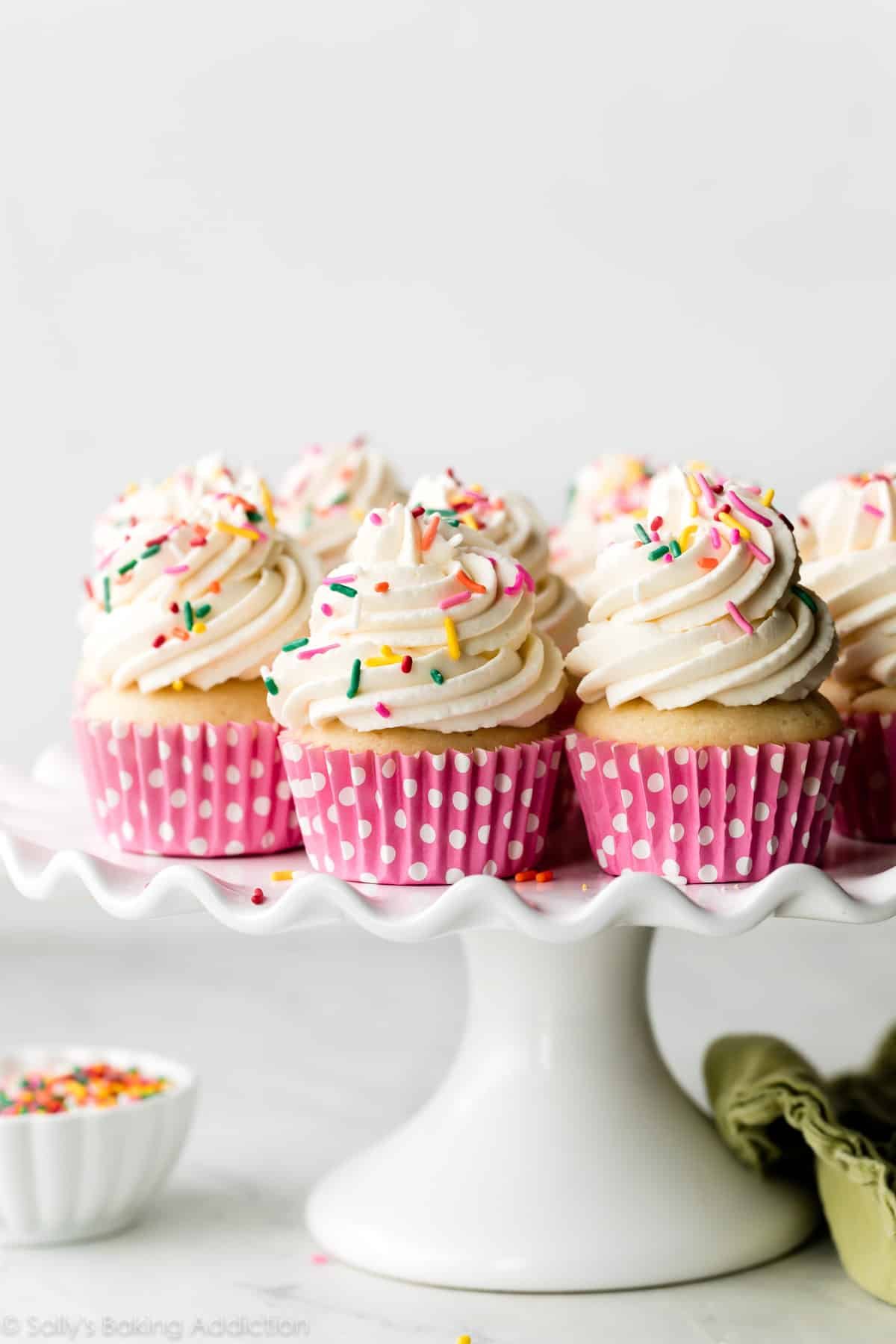
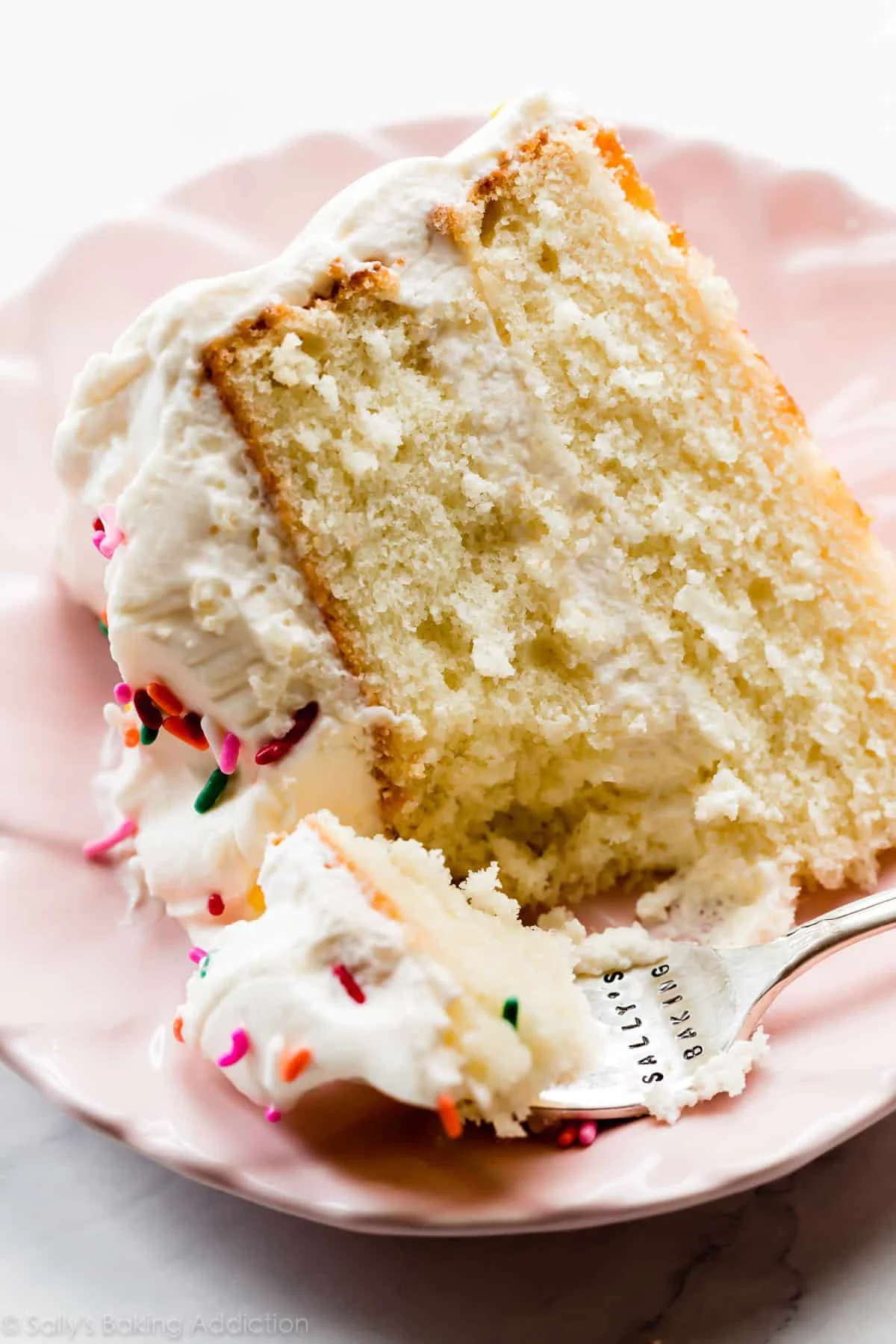
Unlike its saccharine counterparts, this whipped frosting, often described as a "sturdy whipped cream," strikes a delicate balance. It achieves a thicker, fluffier consistency than standard homemade whipped cream, yet remains notably lighter and airier than butter-based frostings. Its formulation also places it in the category of "stabilized whipped cream," a technique highly valued for enhancing the longevity and workability of dairy-based toppings. The inclusion of cream cheese, a subtle yet critical component, imparts an additional layer of flavor complexity and contributes significantly to its remarkable stability, without introducing an overtly tangy "cream cheese frosting" profile. Indeed, taste tests have revealed that many individuals are unaware of its presence, perceiving only a richer, more rounded flavor.
Versatility and Application Across Confections
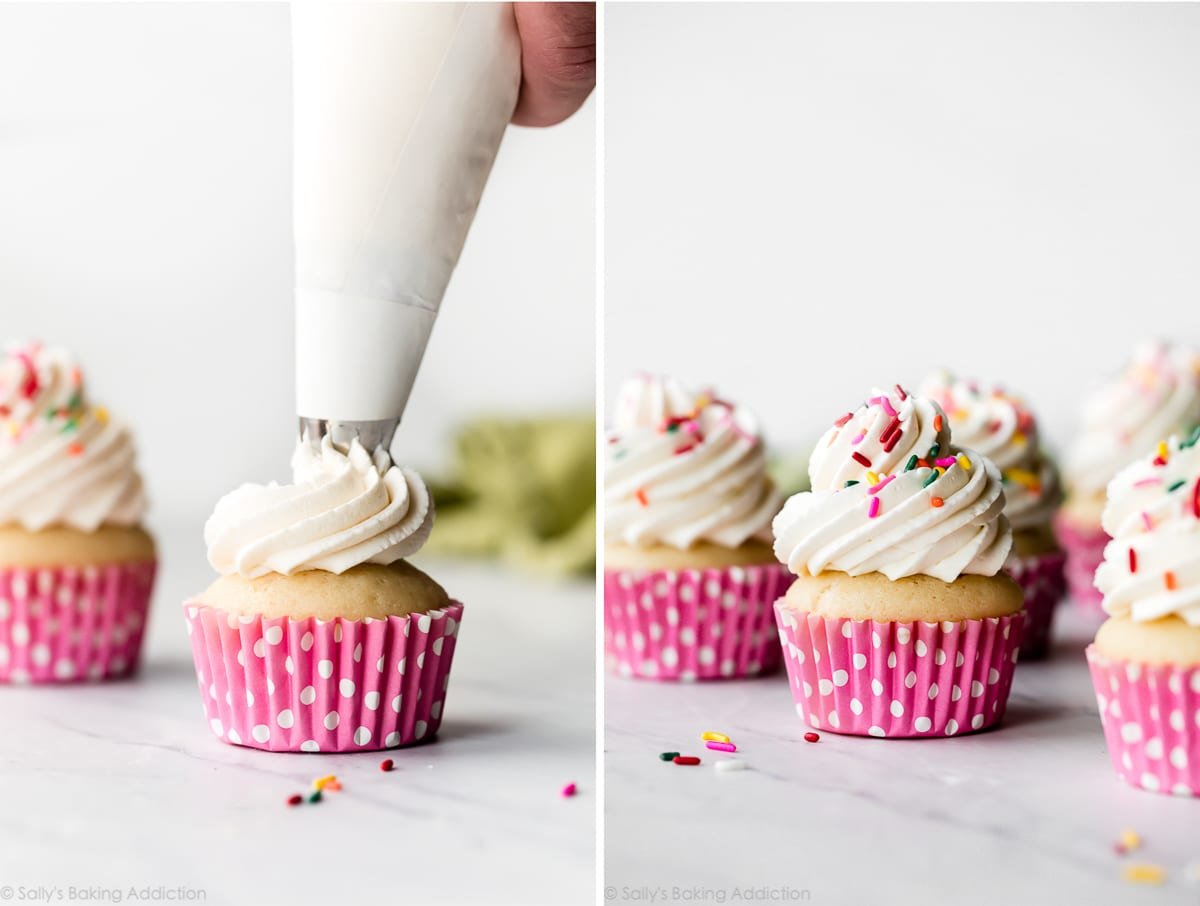
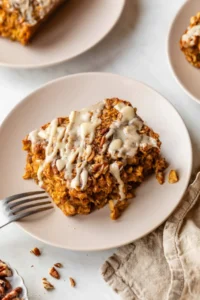
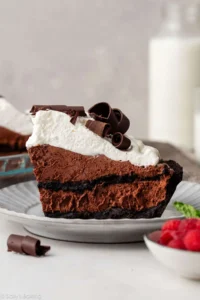
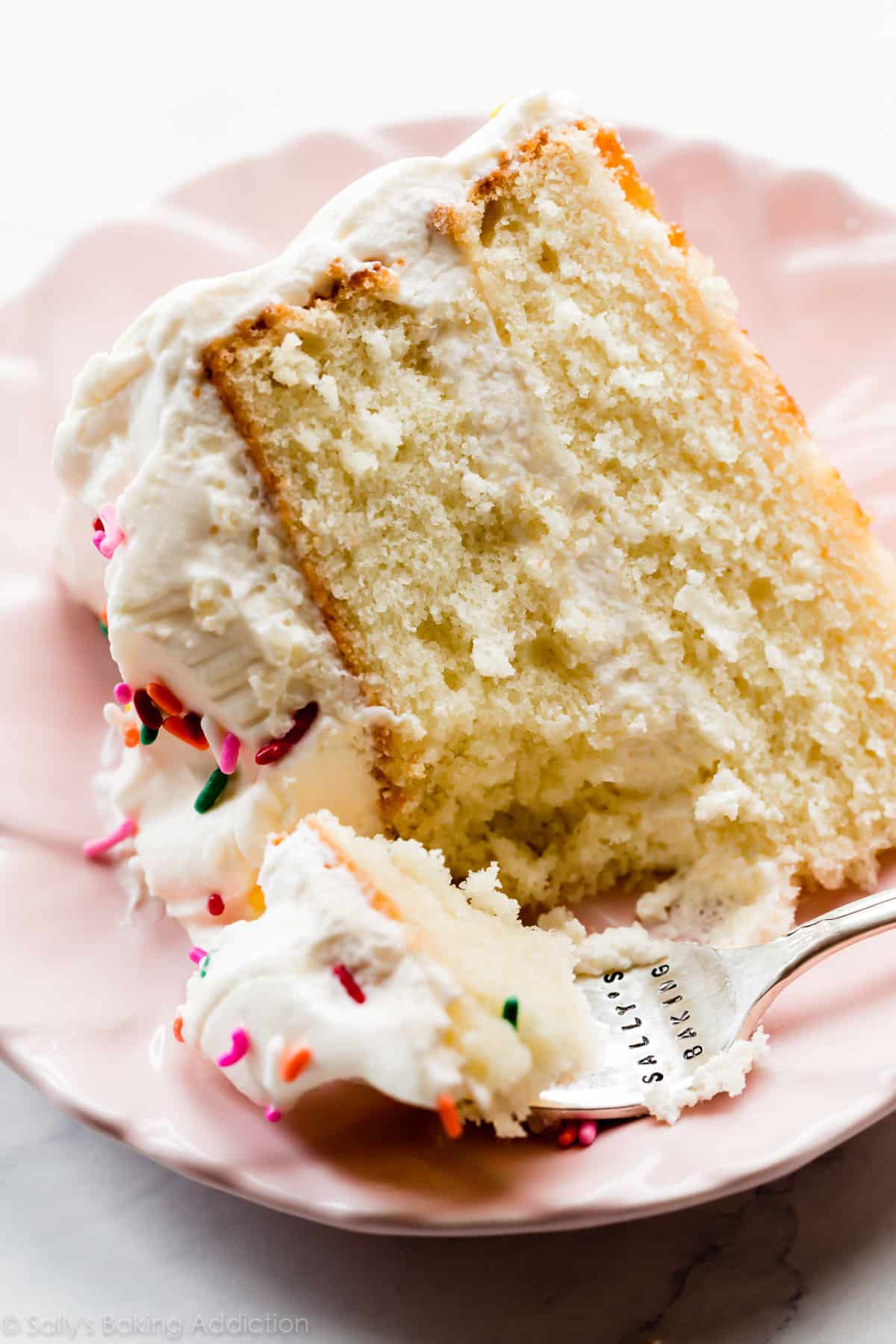
The practical applications of this innovative frosting are remarkably broad, extending far beyond the typical cupcake or cake topping. Its robust yet ethereal texture makes it an ideal accompaniment for a diverse range of desserts. It pairs exceptionally well with classic vanilla cupcakes and white layer cakes, where its lightness allows the delicate flavors of the cake to shine through. Furthermore, it beautifully complements more robustly flavored baked goods such as chocolate cake, lemon blueberry cupcakes, lemon blueberry layer cake, pumpkin cake, and various citrus cakes, providing a refreshing counterpoint to their intense profiles.
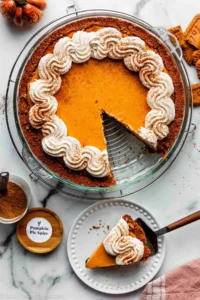
Beyond traditional cakes and cupcakes, this versatile frosting can be expertly piped onto ice cream cakes, used as a luxurious filling between layers of delicate pastries like homemade mille-feuille, or even incorporated into recipes like cookies and cream sheet cake for an enhanced textural experience. Its ability to hold intricate piped shapes, a quality often elusive in lighter frostings, makes it a valuable asset for both amateur bakers aiming for professional presentation and seasoned patissiers looking for a less conventional, yet equally impressive, topping.

The Four Pillars of Perfection: Key Ingredients and Their Roles
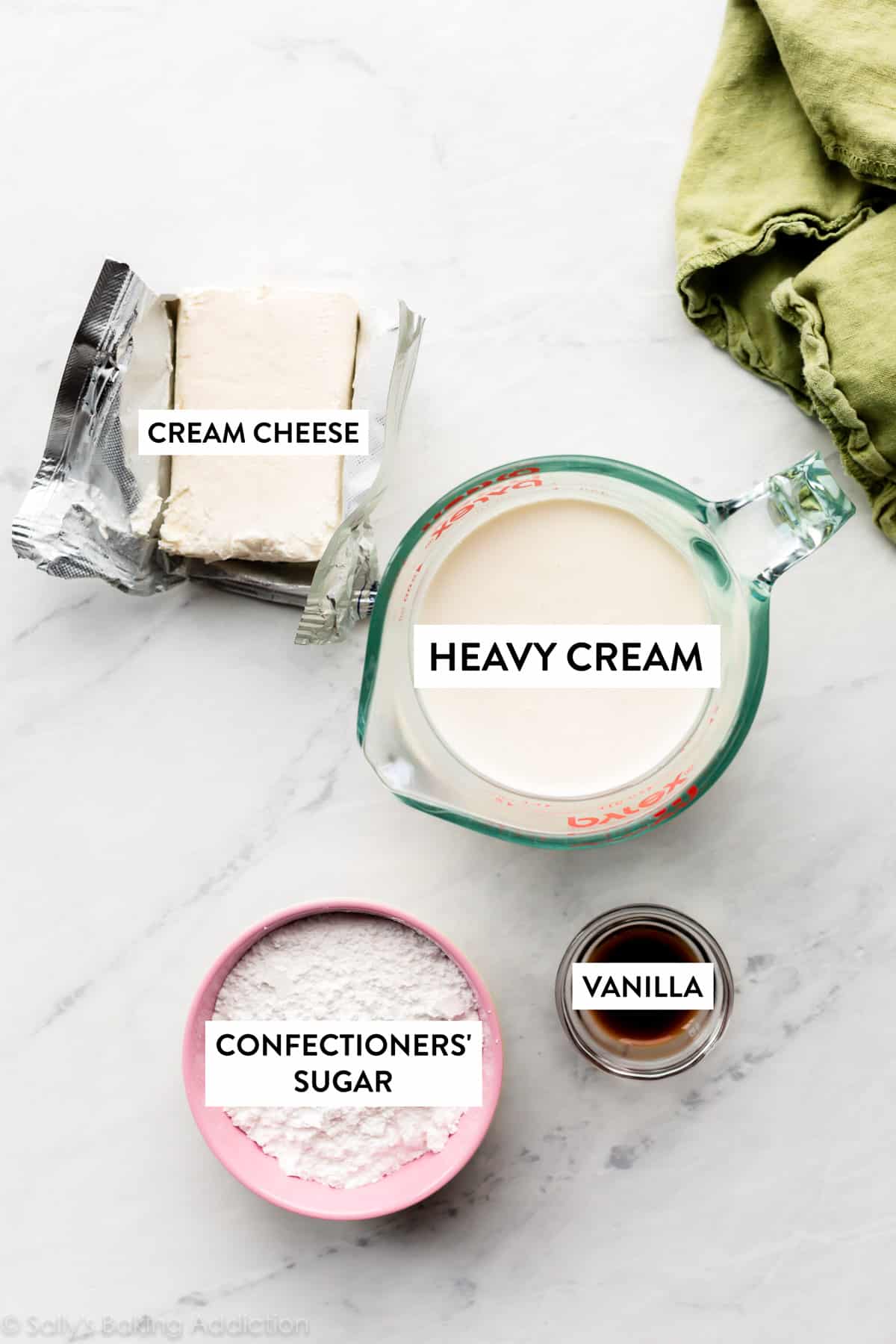
The elegance of this whipped frosting lies in its minimalist ingredient list, comprising just four components. However, the success of the recipe hinges critically on the quality and specific characteristics of each:
- Full-Fat Block Cream Cheese: This is the foundational ingredient for stability and subtle flavor. Crucially, it must be full-fat and preferably in block form, as tub cream cheese often contains added water or stabilizers that can compromise the frosting’s final texture. It should be softened to room temperature before use to ensure a smooth, lump-free base when initially beaten.
- Confectioners’ Sugar (Powdered Sugar): This provides the "not-so-sweet" element while also contributing to the frosting’s smooth consistency. Unlike granulated sugar, confectioners’ sugar contains a small amount of cornstarch, which acts as an additional stabilizer, further aiding the frosting in holding its shape. The quantity used is intentionally lower than in traditional buttercreams, allowing other flavors to emerge.
- Heavy Cream (Heavy Whipping Cream): This is the primary component responsible for the "whipped" texture. For optimal results, the heavy cream must contain at least 36% milkfat. Crucially, it must be thoroughly chilled. Cold cream whips more effectively and holds its aeration better due to the fat globules being firm and more prone to forming a stable network.
- Pure Vanilla Extract: Essential for enhancing the overall flavor profile. Good quality pure vanilla extract adds warmth and depth, complementing the subtle tang of the cream cheese and the richness of the cream. The amount can be adjusted to personal preference, but it plays a vital role in balancing the overall taste.
The Method: A Symphony of Stages for Optimal Texture
The preparation process, while seemingly straightforward, involves distinct stages that are critical for achieving the desired thick, airy consistency with stiff peaks. The method draws parallels to no-bake cheesecake fillings, though with a modified sequence to optimize the whipped frosting’s unique structure.
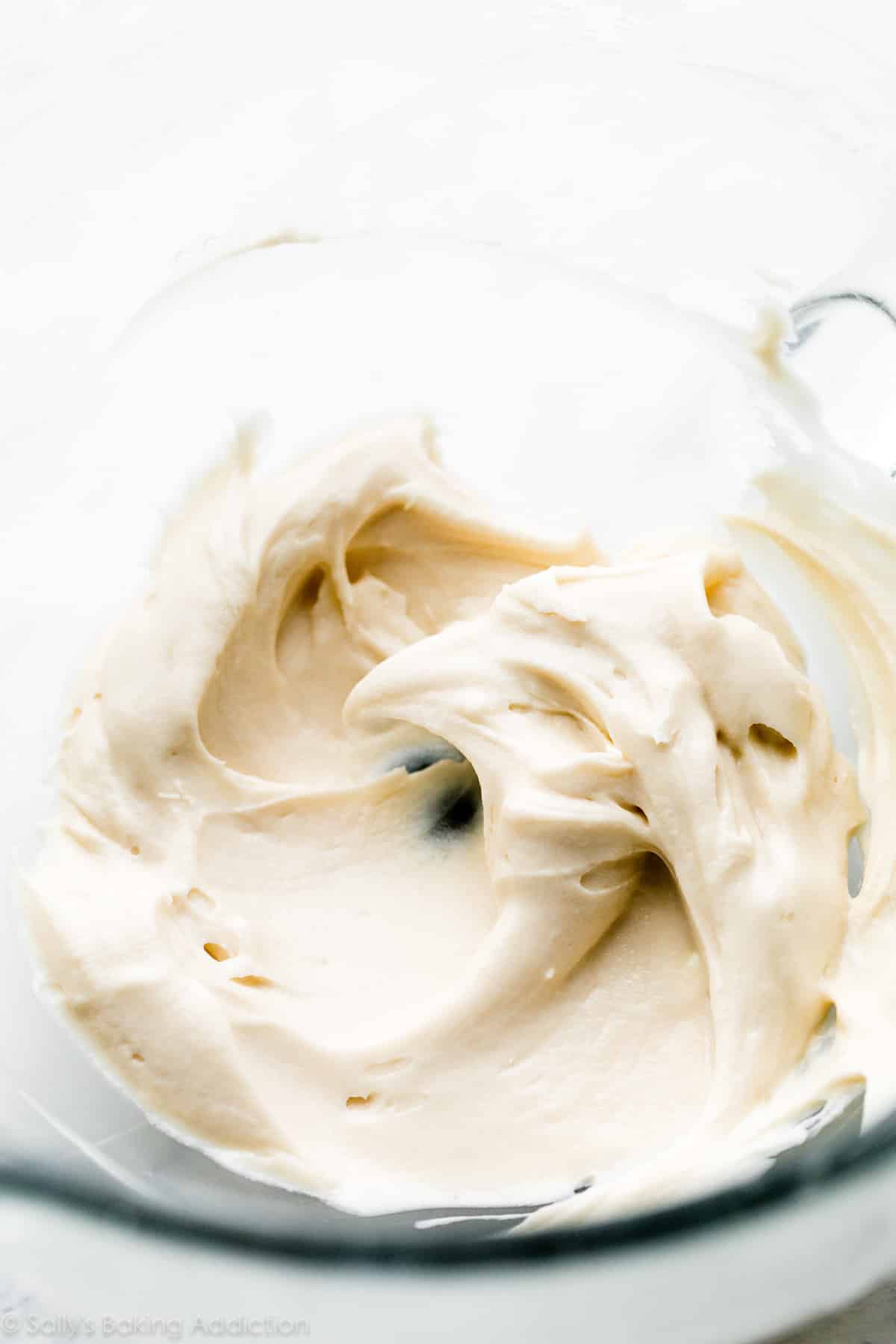
The initial step involves beating the room-temperature cream cheese. This is a crucial phase aimed at breaking down its structure and smoothing it out completely, eliminating any potential lumps. A hand mixer or a stand mixer with a whisk attachment is recommended for this task. Once the cream cheese is smooth, the confectioners’ sugar and vanilla extract are incorporated. Thorough mixing at this stage is paramount to ensure the sugar is fully dissolved and integrated, preventing a gritty texture and further eliminating lumps.
The "magic" truly begins with the gradual introduction of the heavy cream. Starting with the mixer on low speed, a few tablespoons of cold heavy cream are added and fully incorporated. This initial small addition helps to temper the cream cheese mixture and prepare it for the larger volume of liquid. Following this, the remaining cold heavy cream is poured in a slow, steady stream. This controlled addition is vital, allowing the cream to gradually emulsify with the cream cheese base rather than separating or becoming too liquid too quickly.
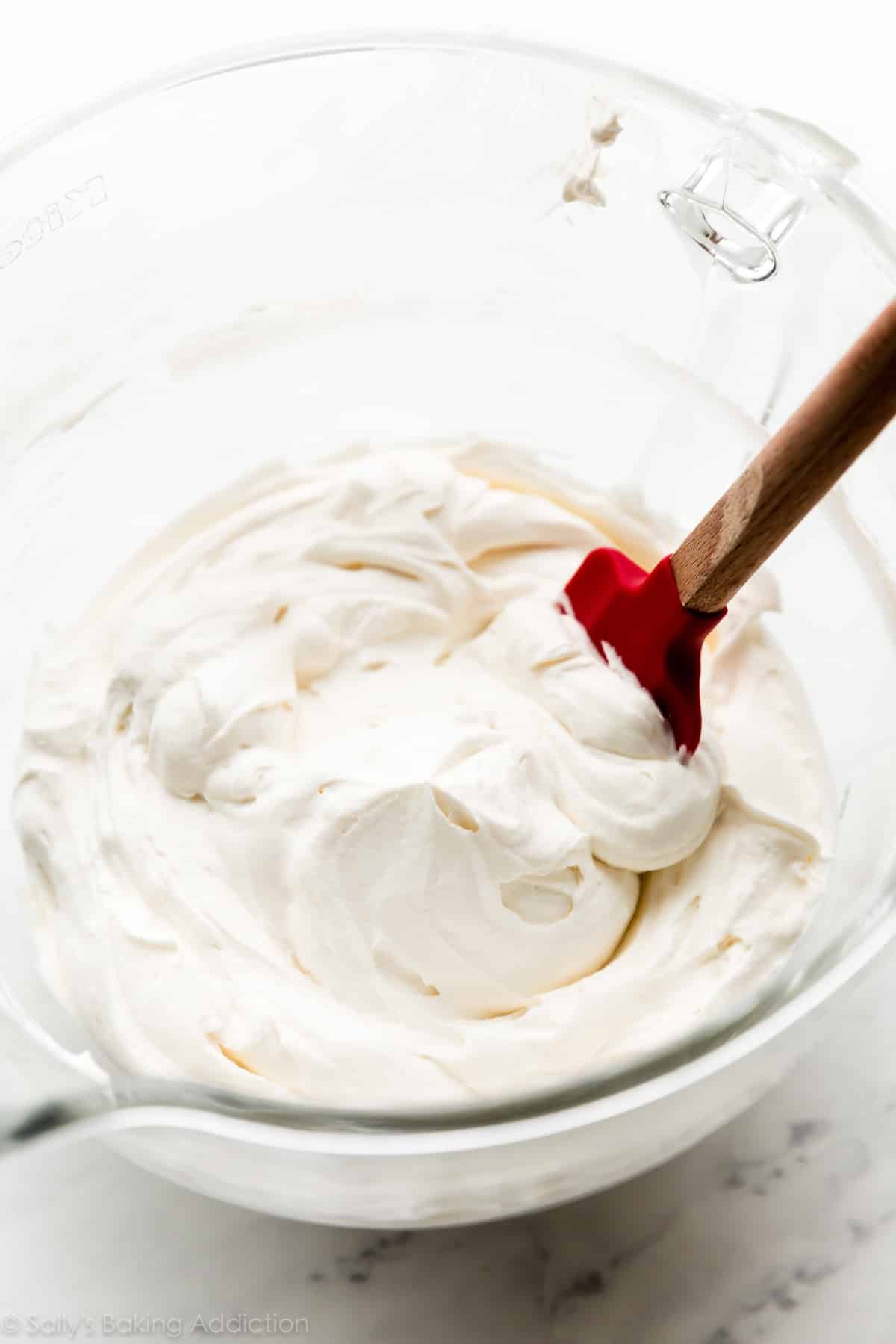
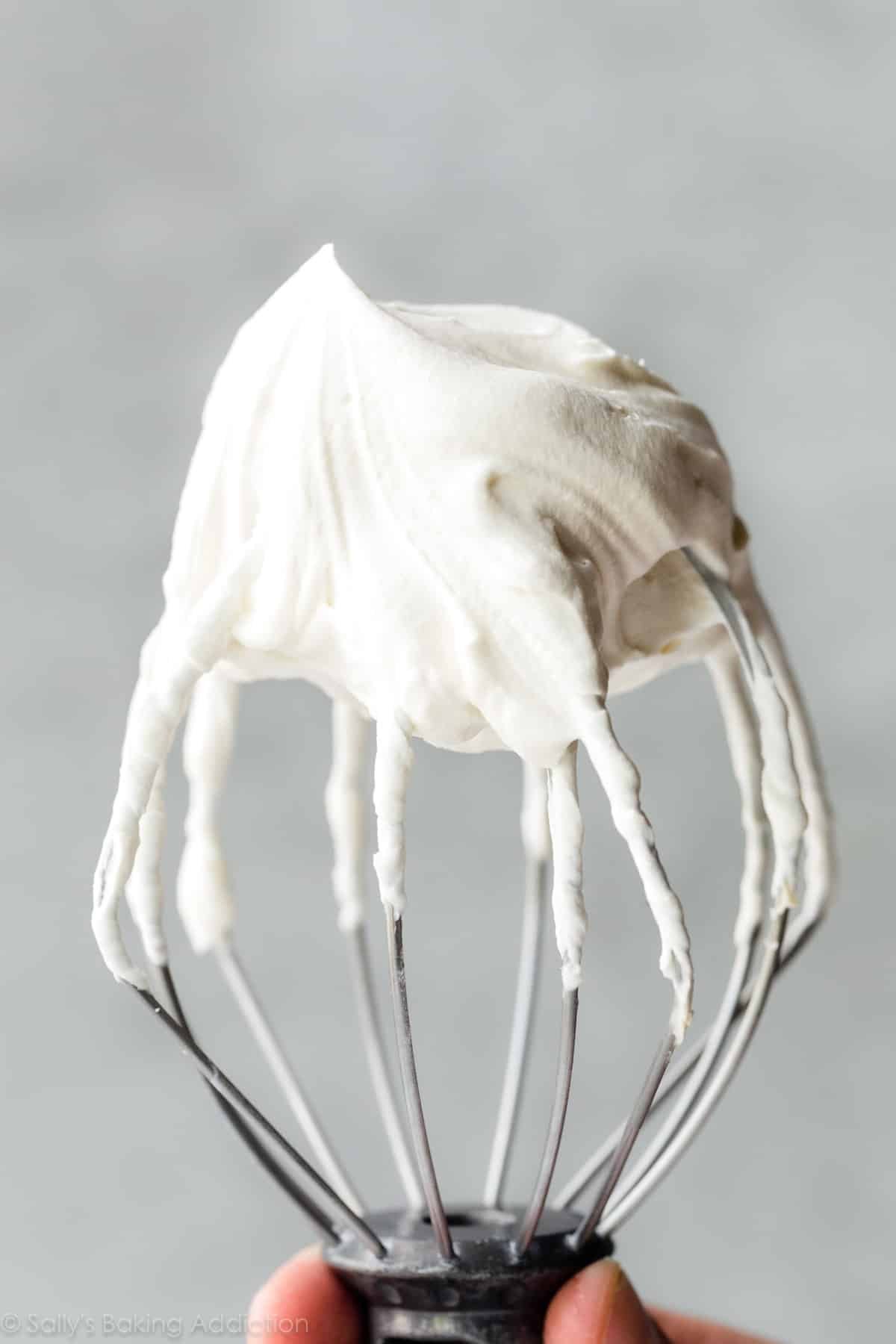
After all the cream has been added, the mixer speed is increased to high. This high-speed whipping phase is where the aeration occurs, transforming the liquid mixture into a voluminous, fluffy frosting. The goal is to achieve a thick, airy consistency characterized by stiff peaks—a state where the frosting, if scooped, would firmly hold its shape and barely move if the bowl were gently shaken. This precise consistency is what enables the frosting to be piped with intricate tips and maintain its structure on cakes and cupcakes.
Navigating Common Pitfalls: Consistency Control
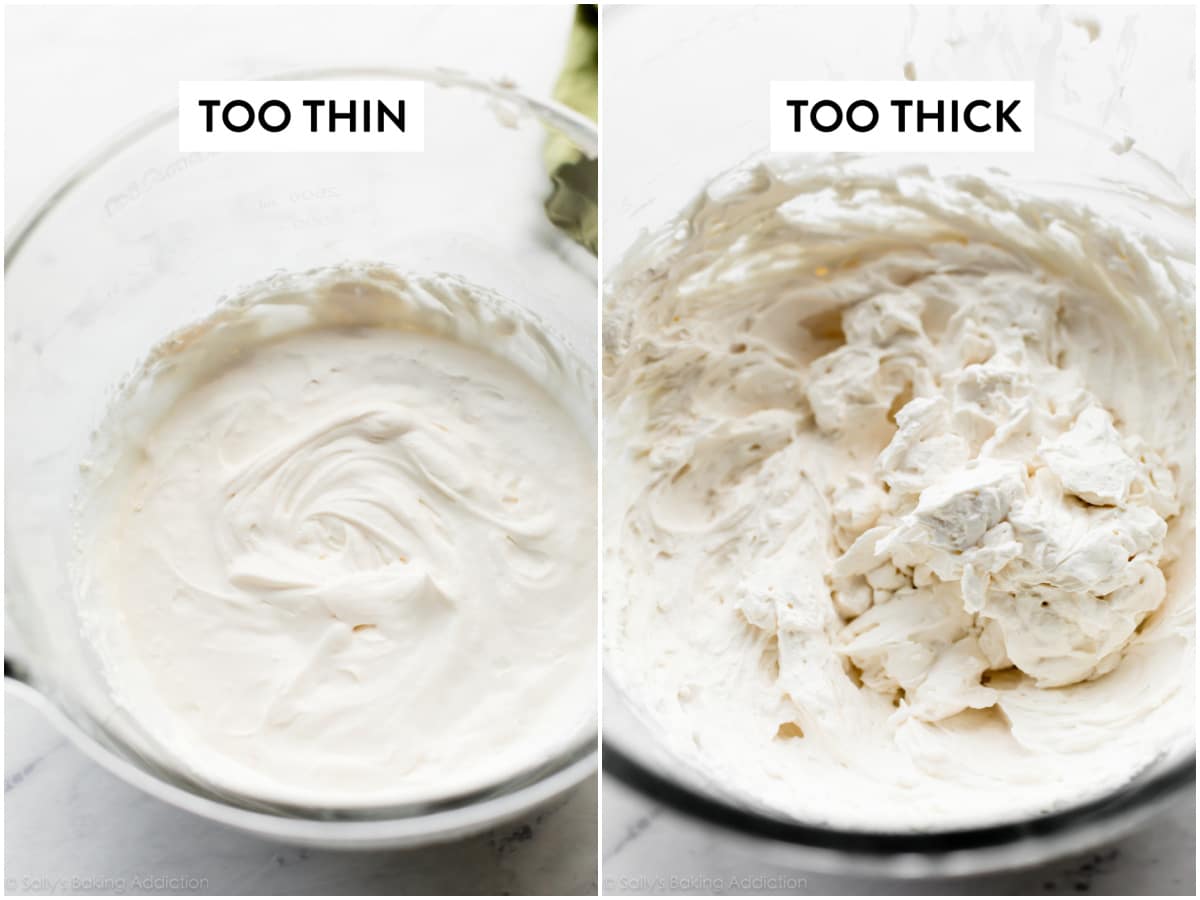
Understanding the nuances of whipping is key to success, as both under-whipping and over-whipping can compromise the frosting’s texture.
- Too Thin (Under-whipped): If the mixture is not whipped sufficiently, it will remain soft, soupy, and unstable, akin to a jiggly jelly. The solution for an under-whipped frosting is straightforward: simply continue whipping at high speed until the desired stiff peak consistency is achieved. The robust nature of this recipe makes it forgiving in this regard.
- Too Thick (Over-whipped): Conversely, over-whipping can lead to a chunky, curdled appearance, where the fat in the cream begins to separate. While not ideal, this can often be remedied by manually stirring in a small splash of cold heavy cream, one tablespoon at a time, using a spatula or wooden spoon. This reintroduces moisture and helps to smooth out the texture, though it requires careful, gentle incorporation to avoid further separation.
Ensuring Consistent Excellence: Four Critical Success Factors
Beyond the step-by-step instructions, several overarching principles dictate the consistent success of this whipped frosting:
- Temperature is Paramount: All dairy ingredients must be at their optimal temperatures. The heavy cream must be very cold to whip effectively, while the cream cheese should be softened to room temperature initially to ensure smooth incorporation before chilling.
- High-Fat Dairy is Non-Negotiable: The use of full-fat block cream cheese and heavy cream with at least 36% milkfat is critical. Lower-fat alternatives will not provide the necessary stability or richness required for the frosting to hold its shape and texture.
- Precise Whipping Duration: The duration of whipping is a delicate balance. While the recipe aims for stiff peaks, paying close attention to visual cues—such as the frosting rising and holding its shape on the whisk—is more important than strictly adhering to a timer, as mixer power and ingredient temperatures can vary.
- Scaling with Precision: The recipe is easily scalable, but careful adherence to the ingredient ratios is essential. A general guideline of 2 ounces (57g) cream cheese per 1/4 cup (30g) confectioners’ sugar and 1/2 cup (120g/ml) heavy cream should be followed. When scaling, adjust whipping times accordingly—shorter for smaller batches, longer for larger ones.
Broader Implications and Culinary Outlook
The development and popularity of this "Not-So-Sweet Whipped Frosting" signify more than just another recipe; it represents a micro-trend within the larger culinary landscape. It underscores a collective shift towards lighter, more sophisticated dessert experiences that prioritize flavor harmony over excessive sweetness. For home bakers, it offers an accessible entry point into crafting refined desserts without the intimidation often associated with more complex frostings like Swiss meringue buttercream, while providing superior stability to traditional whipped cream.
From a professional standpoint, this frosting provides a valuable tool for chefs and patissiers seeking to innovate and cater to evolving consumer preferences. Its ability to pipe well and its inherent stability, despite its lightness, make it suitable for high-volume production and presentation-focused applications. The ongoing refinement of such recipes, evidenced by the 2022 publication and subsequent updates based on user feedback, highlights a dynamic and responsive approach to recipe development, continually striving for perfection and user satisfaction. This enduring popularity, as reflected in numerous positive testimonials from delighted bakers, solidifies its position as a go-to option for those seeking an easy, sturdy, and exquisitely balanced frosting that truly is "not too sweet."