
The Culinary Enigma: A History of Trial and Error
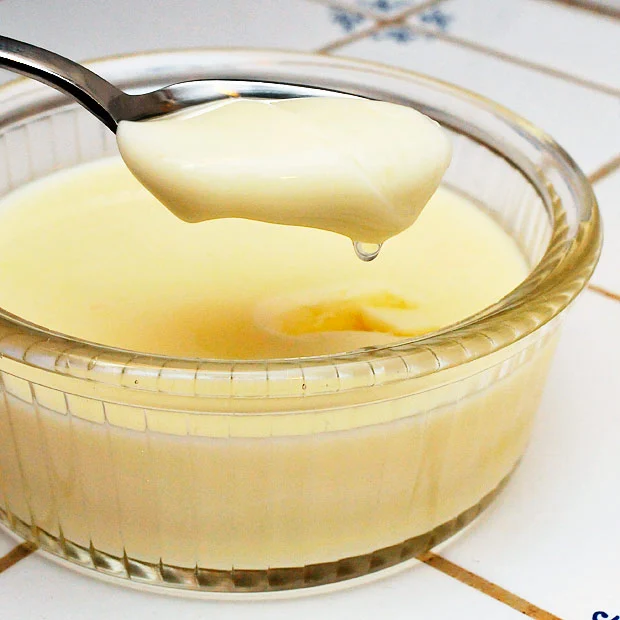
Ginger milk curd is a beloved dessert, particularly prevalent in Cantonese cuisine, cherished for its smooth, custard-like texture and the invigorating warmth of fresh ginger. Traditionally, its preparation involved a delicate dance of heating milk to a specific, often empirically determined, temperature before pouring it rapidly over freshly squeezed ginger juice. The ensuing transformation, where the milk miraculously sets into a soft gel, was often attributed to a combination of technique, intuition, and sometimes, sheer fortune.
Anecdotal evidence from home cooks worldwide underscores the high failure rate associated with this dish. Reports range from individuals succeeding only 50% of the time to those requiring nine attempts before achieving the desired consistency, and some even resorting to adding external gelling agents like egg whites, convinced that the natural method was too unpredictable. This inconsistency fostered a fertile ground for "kitchen myths" – beliefs about specific actions or conditions that were thought to guarantee success or cause failure, often without a scientific basis. Examples abound, from precise pouring heights and stirring injunctions to varying milk temperatures, many of which were contradictory or lacked a clear explanation. This widespread struggle highlights a common challenge in culinary arts: when empirical methods yield inconsistent results, cooks often attempt to correlate outcomes with perceived variations in their process, inadvertently creating misleading guidelines.
Unveiling the Scientific Mechanism: The Role of Ginger Proteases
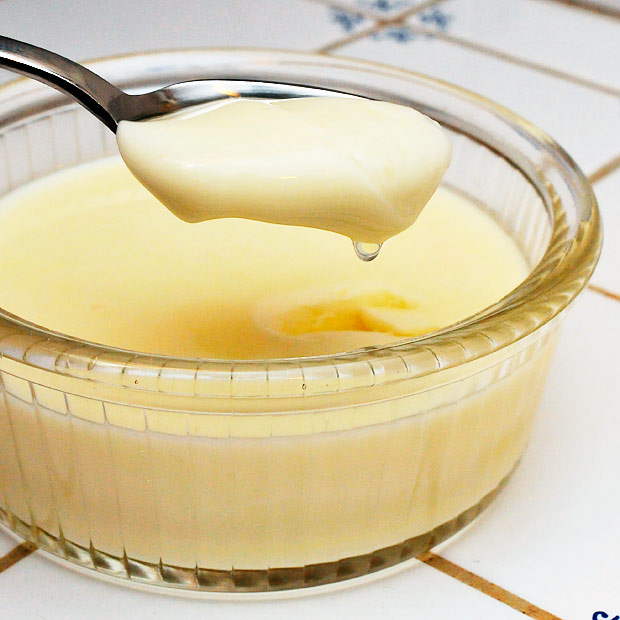
The key to understanding ginger milk curd lies in the fascinating world of enzymology. The gel formation is not due to heat alone, nor to the inherent gelling properties of milk, but rather to the catalytic action of specific enzymes found in fresh ginger. These enzymes, primarily a group of proteolytic enzymes collectively known as ginger proteases (GP), or specifically zingipain (EC 3.4.22.67), are the tireless workers responsible for curdling the milk. This process is analogous to traditional cheesemaking, where rennet, containing the enzyme chymosin, is used to coagulate milk proteins. Both chymosin and ginger proteases belong to the family of proteases, enzymes capable of breaking down proteins into smaller fragments.
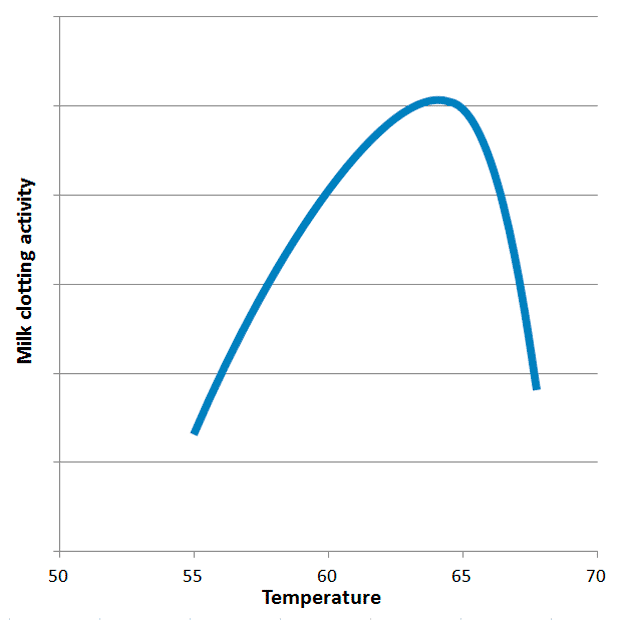
The groundbreaking discovery in the context of ginger milk curd is the precise conditions under which these ginger proteases operate most effectively. Research has meticulously mapped the milk clotting activity (MCA) of GP, revealing a surprisingly narrow and critical temperature window. Optimal MCA for ginger proteases peaks around 63°C, with activity sharply declining above 65°C and below 60°C. Critically, temperatures exceeding 70°C lead to rapid denaturation and irreversible destruction of the enzymes, rendering them inactive. This acute temperature sensitivity directly explains the historical inconsistency of the dish: even a few degrees off the ideal range could mean the difference between a perfectly set curd and a runny liquid.
Beyond this narrow temperature range, GP still exhibits general proteolytic activity (PA), but this is non-specific and does not efficiently lead to the desired milk clotting. The specific MCA, crucial for gel formation, targets a particular hydrolysis of κ-casein, a protein vital for milk stability. This understanding draws a direct parallel to the industrial application of plant-derived proteases. Scientists have indeed explored the potential of ginger, alongside extracts from kiwi and melon, as alternative milk coagulants for cheese production. While these plant proteases possess a relatively high MCA/PA ratio, indicating their suitability for milk clotting, their optimal operating temperatures vary significantly (e.g., kiwi proteases at 40°C, melon proteases at 70°C), underscoring the unique characteristics of ginger’s enzymatic profile.
Casein: The Building Blocks of the Gel
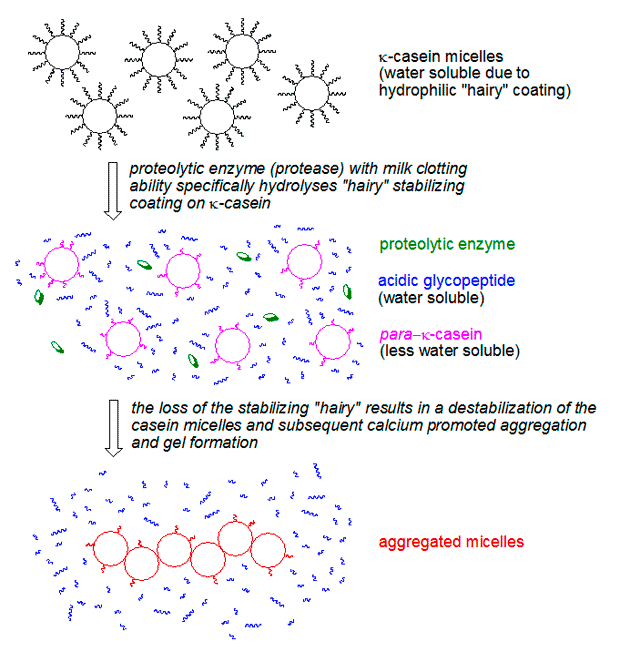
To appreciate how ginger proteases work, one must first understand the structure of milk proteins. Milk is a complex emulsion, with its primary protein component being casein. Casein proteins are not dissolved individually but are organized into large, spherical structures called micelles, which are held together by calcium ions. Crucially, the surface of these micelles is covered by κ-casein, a unique protein with a water-soluble outer segment (an acidic glycopeptide) and a more water-insoluble inner segment (para-κ-casein). This water-soluble "hairy" layer acts as a protective barrier, keeping the micelles dispersed in the aqueous phase of the milk and preventing them from aggregating or coalescing. It is this stabilizing layer that ensures milk remains a liquid and does not spontaneously form a gel.
The magic of ginger proteases lies in their ability to precisely cleave off this water-soluble "hairy" portion of the κ-casein. Once the κ-casein is modified, leaving only the para-κ-casein behind, the micelles effectively become "shaved." Without their protective, repulsive layer, these now destabilized micelles are free to collide and aggregate. The calcium ions naturally present in milk further facilitate the formation of a three-dimensional network of these aggregated micelles, which constitutes the tender gel of ginger milk curd. This entire process occurs remarkably quickly, often within a few minutes of mixing, demonstrating the efficiency of the enzymatic reaction. The resulting gel is characteristically fragile and prone to syneresis – the expulsion of liquid (whey) as the gel network contracts – a visible phenomenon often observed as clear drops forming on the surface of the curd.
Further scientific inquiry has revealed additional factors influencing gel strength. For instance, heating milk above 65°C, even if subsequently cooled to the optimal range, can reduce the gel’s strength. This is because higher temperatures cause other milk proteins, such as lactoglobulins, to denature and precipitate onto the κ-casein, thereby interfering with the subsequent enzymatic cleavage and micelle aggregation. Similarly, the presence of milk fat can also weaken the gel, making skimmed milk the preferred choice for a firmer curd. Given the role of calcium in micelle aggregation, a higher calcium concentration within the milk can also contribute to a stronger gel structure.
The Instability of Ginger Juice: A Freshness Imperative
Beyond the critical temperature of the milk, the quality and preparation of the ginger juice itself are paramount. Freshly squeezed ginger juice contains active ginger proteases, but their stability is surprisingly fleeting. Research indicates that at a warm room temperature of 30°C, the ginger proteases have a half-life of approximately 20 minutes. This means that within 20 minutes of grating and squeezing the ginger, half of its enzyme activity is lost. After another 20 minutes, only 25% of the original activity remains. This rapid degradation explains why ginger juice cannot be prepared significantly in advance or stored for later use, unless a specific preventative measure is taken.
The culprit behind this instability is another enzyme present in ginger: polyphenol oxidase (PPO). PPO is the same enzyme responsible for the browning of cut apples and other fruits (enzymatic browning). Upon grating ginger, PPO becomes exposed to oxygen and acts on phenolic compounds within the ginger, producing ortho-quinones. These quinones are highly reactive and can, in turn, react with and inactivate the delicate ginger protease enzymes.
Fortunately, a well-known culinary trick for preventing enzymatic browning can also be applied here. Ascorbic acid, commonly known as vitamin C, acts as an antioxidant and effectively blocks the action of PPO. By adding a small amount of ascorbic acid (around 0.2%) to freshly squeezed ginger juice, the PPO activity is inhibited, thereby preventing the inactivation of the ginger proteases. This simple scientific intervention allows for the preparation and temporary storage of ginger juice without compromising its essential gelling power.
A Foolproof Recipe: Bridging Science and Culinary Practice
Armed with this scientific understanding, developing a reliable recipe for ginger milk curd becomes less about luck and more about precise control. The critical elements identified by scientific inquiry translate directly into actionable steps for the home cook:
Foolproof Ginger Milk Curd Recipe:
-
Ingredients:
- 250 mL skimmed milk (for optimal gel strength)
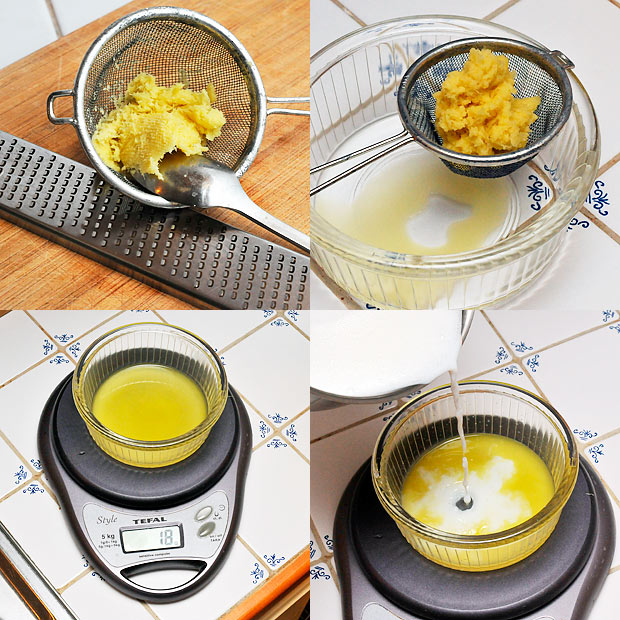
- 18 g fresh ginger juice (from approximately 31g peeled ginger or 43g raw ginger)
- 20 g sugar (adjust to taste)
-
Equipment:
- Digital kitchen thermometer (essential)
- Microplane or grater
- Fine-mesh sieve or cheesecloth for squeezing juice
-
Instructions:
- Prepare the Milk: Combine skimmed milk and sugar in a saucepan. Heat carefully, constantly monitoring with a digital thermometer, until the milk reaches precisely 65°C. Remove immediately from heat.
- Prepare the Ginger Juice: While the milk heats, peel and microplane (or finely grate) fresh ginger. Working quickly, squeeze out 18g of juice using a fine-mesh sieve or cheesecloth. Crucially, prepare the ginger juice immediately before use to maximize enzyme activity, or add a pinch of ascorbic acid if preparing slightly in advance.
- Combine and Set: Place the measured ginger juice in your serving bowl. As soon as the milk reaches 65°C, pour it into the ginger juice from a moderate height (e.g., 6-8 inches). This ensures adequate initial mixing without the need for stirring.
- Do NOT Stir: Resist the urge to stir the mixture, as this can disrupt the delicate network of forming casein micelles and interfere with gel formation.
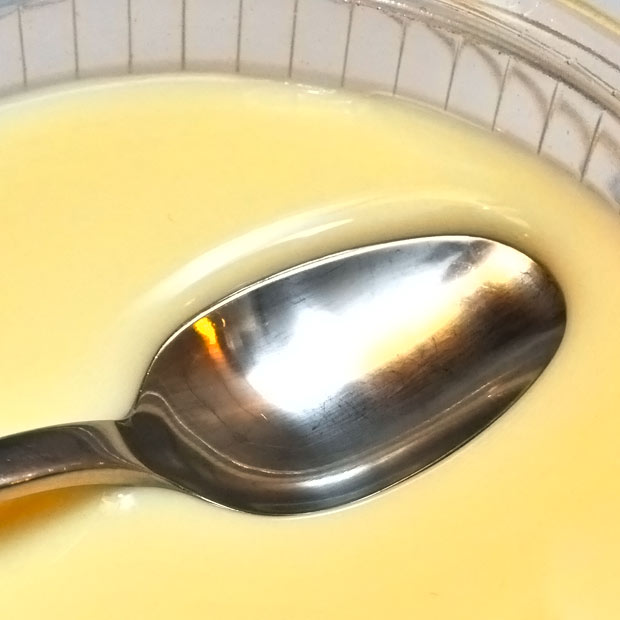
- Allow to Set: Leave the bowl undisturbed at room temperature. Within 5-10 minutes, a tender gel will have formed, capable of supporting the weight of a spoon.
- Serve or Chill: The curd can be served immediately while warm, or chilled in the refrigerator for a refreshing dessert.
This recipe uses a milk-to-ginger juice ratio of approximately 14:1, which provides a balanced ginger flavor. Experimentation with ratios is possible, though increasing ginger juice may lead to an overpowering taste, and significantly reducing it may impair gelling.
Broader Implications and Future Directions
The scientific demystification of ginger milk curd carries significant implications for both culinary practice and food science. For home cooks, it transforms a notoriously fickle recipe into an accessible and reliably successful one, empowering them with knowledge rather than leaving them to chance. This reduces frustration and food waste, promoting a more confident and informed approach to cooking.
In the broader food industry, this research highlights the potential of plant-derived enzymes as natural and sustainable alternatives to animal-derived rennet for milk coagulation. This is particularly relevant for the growing market of plant-based products and for developing novel dairy or dairy-alternative items. The precise understanding of enzyme kinetics and stability, as demonstrated with ginger proteases, opens avenues for developing stable enzyme preparations that could be used in various food applications.
From a cultural perspective, understanding the science behind traditional dishes like ginger milk curd helps to preserve and standardize these culinary heritage items. It transitions traditional knowledge from an empirical art to a scientifically understood process, ensuring its consistent reproduction for future generations while also allowing for innovation based on informed adjustments.
The journey of understanding ginger milk curd is far from over. The original research itself points to several avenues for further experimentation, which can be viewed as ongoing scientific inquiry:
- Optimal Ginger Varietals: Investigating if different ginger varieties possess varying levels or types of proteases, influencing gel strength and flavor.
- Impact of Milk Type: Exploring how different milk types (e.g., raw milk, pasteurized, ultra-pasteurized, full-fat vs. skimmed, or even plant-based milks) interact with ginger proteases.
- pH Adjustments: Studying the effect of subtle pH modifications on protease activity and gel formation, as enzymes are highly pH-sensitive.
- Sugar and Other Additives: Understanding how sugar concentration and the presence of other common dessert additives might influence the gelling process.
- Alternative Stabilizers: Researching other natural compounds that could stabilize ginger proteases, similar to ascorbic acid, or enhance gel texture.
In conclusion, the story of ginger milk curd is a compelling testament to the synergy between traditional culinary wisdom and modern scientific investigation. What was once considered a capricious dessert, subject to the whims of the kitchen, has been revealed as a precisely orchestrated biochemical reaction. By understanding the critical role of ginger proteases, their temperature sensitivity, the structure of casein micelles, and the instability of the enzymes in fresh juice, cooks can now confidently create this delightful treat, transforming a culinary challenge into a triumph of applied food science.