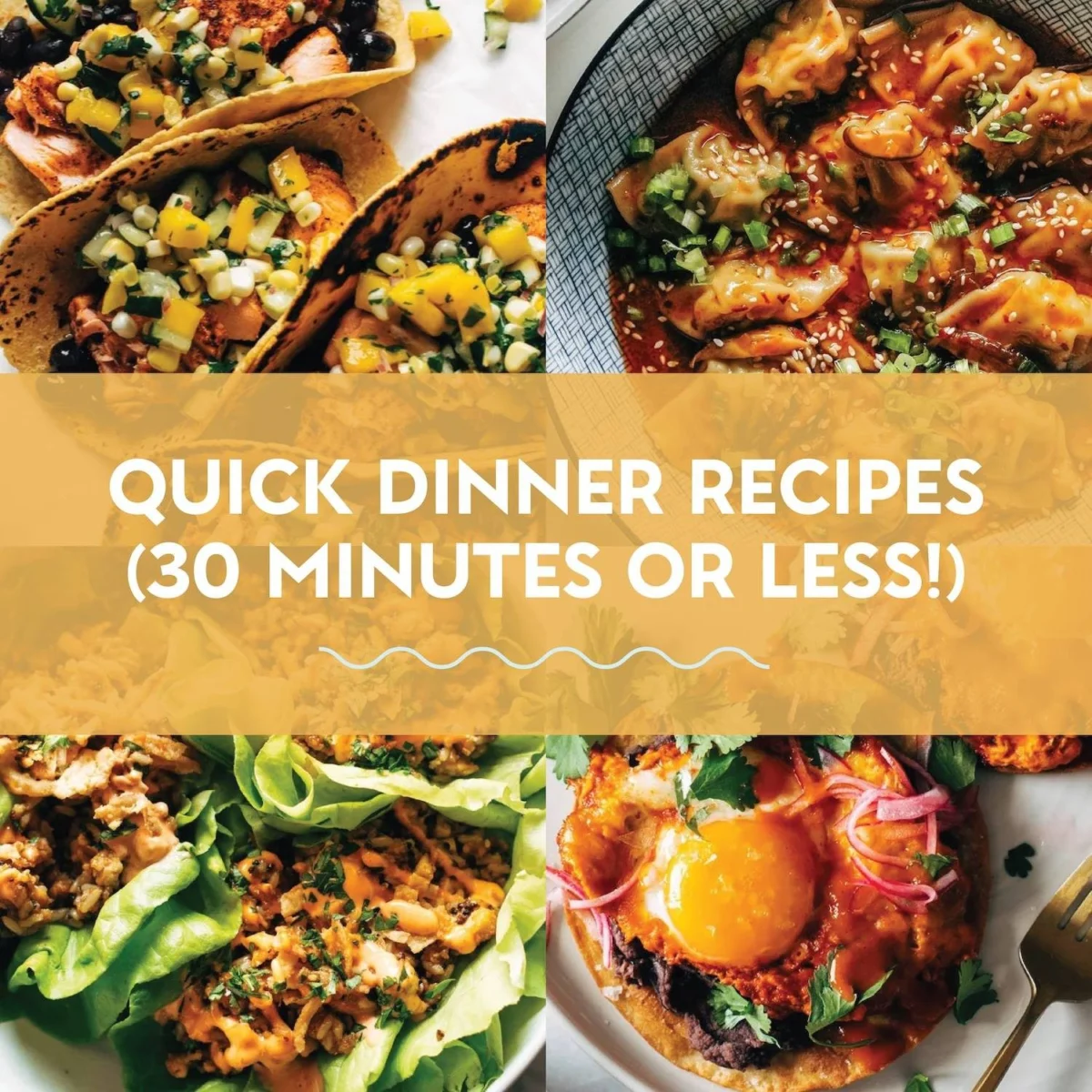

The contemporary household faces an enduring culinary conundrum: the pervasive need for quick, nutritious, and appealing dinner options amidst increasingly demanding weeknight schedules. This challenge has propelled the 30-minute meal from a niche interest to a mainstream culinary imperative, with an expanding array of resources dedicated to streamlining evening repasts without sacrificing flavor or nutritional value. The recent compilation of 40 diverse recipes, each promising preparation and table-readiness in half an hour or less, exemplifies this widespread response to the modern demand for efficiency in the kitchen. These collections, featuring everything from quick-cooking proteins like salmon and shrimp to inventive vegetarian dishes, underscore a significant shift in consumer cooking habits and expectations.
The Modern Dilemma: Time Scarcity and Culinary Expectations
The foundational impetus behind the 30-minute meal trend is the profound transformation of daily life in recent decades. The rise of dual-income households, often necessitated by economic pressures, has dramatically reduced the amount of discretionary time available for meal preparation. Concurrently, longer working hours, extended commutes, and a proliferation of after-school activities for children further compress the evening window traditionally allocated for cooking. Data from the Bureau of Labor Statistics consistently indicates a downward trend in the average time Americans spend on food preparation and cleanup, hovering around 30-45 minutes daily for primary meal preparers. This statistic includes weekend cooking, suggesting that weeknight figures are even lower, creating an urgent need for hyper-efficient culinary solutions.
Despite these time constraints, there remains a strong cultural and personal desire for home-cooked meals. Consumers often express a preference for the health benefits, cost savings, and emotional satisfaction associated with preparing food at home, contrasting it with the perceived higher costs and sometimes lower nutritional value of frequent takeout or restaurant dining. This dichotomy—the desire for home-cooked meals versus the severe limitation of time—creates a significant "mealtime gap" that quick dinner recipes are specifically designed to fill. The mental load associated with meal planning, grocery shopping, and execution also contributes to weeknight stress, making straightforward, rapid recipes particularly attractive to those seeking to alleviate this burden.
Evolution of Convenience: A Culinary Timeline
The quest for culinary convenience is not new, but its manifestation has evolved significantly. The early 20th century saw the introduction of canned goods and processed foods, promising to simplify household tasks. The post-World War II era brought frozen dinners and microwave ovens, further cementing convenience as a key driver in food innovation. However, these early solutions often came with a trade-off in perceived freshness and nutritional quality.
The late 20th and early 21st centuries ushered in a new phase of convenience, driven by technological advancements and a renewed focus on fresh ingredients. The internet revolutionized access to recipes, allowing for the rapid dissemination of cooking hacks and time-saving techniques. Meal kit delivery services, which gained significant traction in the 2010s, offered pre-portioned ingredients and step-by-step instructions, directly addressing the planning and shopping aspects of meal preparation. While not always 30-minute solutions, they normalized the concept of simplified home cooking. Simultaneously, the proliferation of specialized kitchen appliances like the Instant Pot and air fryer—which promise faster cooking times and minimal cleanup—further empowered home cooks to create meals rapidly. The "quick and healthy" movement, amplified by food blogs and social media, has demonstrated that speed does not necessitate a compromise on quality or dietary goals, thereby elevating the status of the 30-minute meal.
Statistical Snapshot: The Data Driving the Trend
Numerous market research reports corroborate the burgeoning demand for fast and easy meal solutions. A recent study by Statista revealed that convenience is a top factor influencing food purchasing decisions for a significant percentage of consumers. The global meal kit delivery service market, for example, was valued at over $15 billion in 2022 and is projected to grow substantially, reflecting a sustained consumer appetite for simplified cooking processes. This growth is mirrored in the retail sector, with increased sales of pre-cut vegetables, pre-marinated meats, and quick-cooking grains.
Furthermore, economic data underscores the financial prudence associated with home cooking. While the upfront cost of groceries might seem higher than a single fast-food meal, the long-term savings of preparing meals at home are substantial. A comparison by various financial publications often shows that a home-cooked meal can be 2-3 times cheaper than a comparable restaurant meal, even when factoring in the cost of all ingredients. This economic incentive, combined with health considerations, reinforces the attractiveness of efficient home cooking. The reduction of food waste is another, often overlooked, benefit. With precisely planned quick meals, households are less likely to overbuy or allow ingredients to spoil, contributing to both household budget savings and environmental sustainability.
Expert Perspectives: Balancing Speed, Flavor, and Nutrition
Culinary experts and nutritionists largely concur on the benefits of the 30-minute meal trend, provided that the focus remains on wholesome ingredients. Chef Maria Gonzalez, a proponent of efficient cooking, notes, "The key to a truly successful 30-minute meal lies in strategic ingredient selection and mise en place. Fast-cooking proteins like shrimp, thin-cut chicken, or fish fillets are invaluable. Pre-chopped vegetables, canned beans, and quality sauces can dramatically cut down on prep time without sacrificing freshness or flavor." She emphasizes that bold flavors from spices, fresh herbs, and citrus can elevate a quick dish, making it feel more elaborate than it is.
Nutritionists, such as Dr. Emily Chen, frequently highlight the health advantages of rapid home cooking over readily available processed alternatives. "Even a hastily prepared meal at home typically contains less sodium, unhealthy fats, and artificial additives than many fast-food or ultra-processed convenience options," Dr. Chen explains. "The focus on lean proteins, abundant vegetables, and whole grains, even in a quick timeframe, supports better dietary habits. It empowers individuals to take control of their nutrition, rather than relying on external, often less healthy, options." She advises prioritizing a balance of macronutrients within the 30-minute constraint, ensuring that meals include protein for satiety, complex carbohydrates for energy, and plenty of fiber from vegetables.
Food industry analysts, observing these trends, note a significant shift in product development. Major food manufacturers are investing in research and development to create ingredients and semi-prepared foods that cater to the 30-minute meal demographic. This includes quicker-cooking pasta, pre-seasoned protein packs, and a wider variety of frozen vegetables that retain their texture and nutritional value. "The market is responding to the consumer’s need for speed, but with an increased emphasis on quality and transparency," states market analyst David Kim. "It’s no longer just about convenience; it’s about convenient quality."
Recipe Spotlights: Practical Solutions for Busy Lives
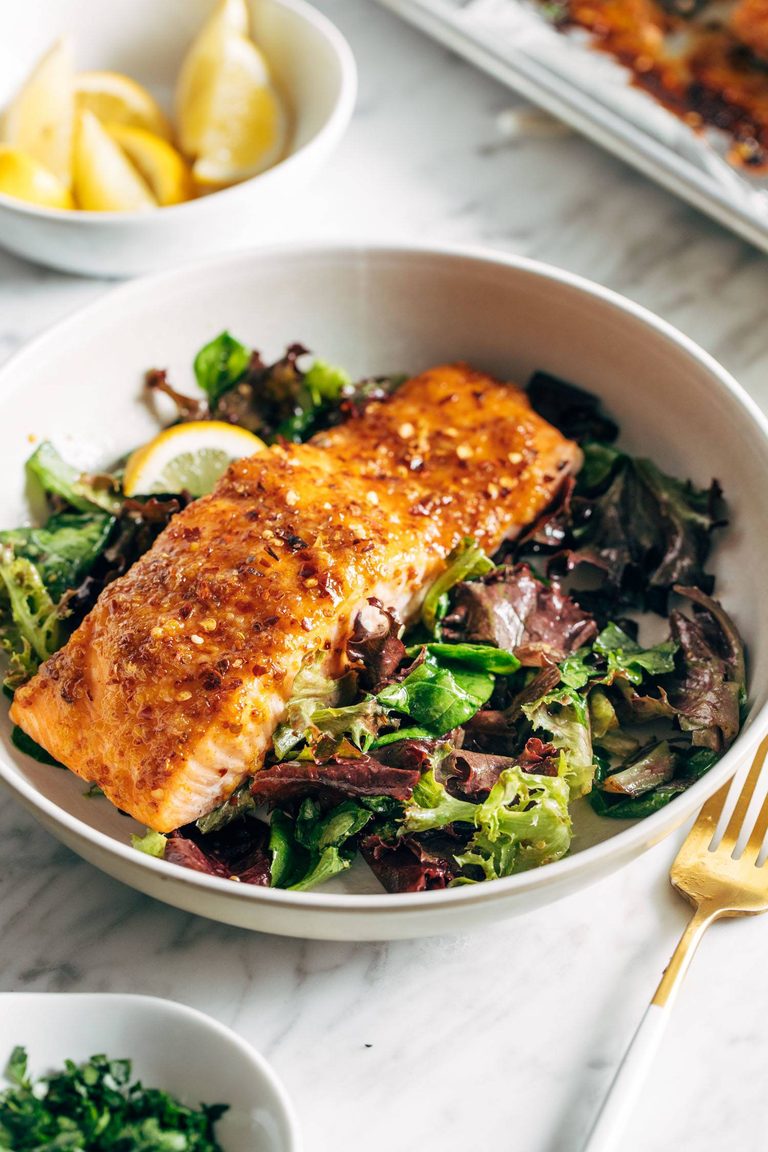
The presented collection of 40 recipes serves as a tangible demonstration of how diverse and delicious 30-minute meals can be. These recipes span various culinary traditions and dietary preferences, illustrating the versatility inherent in efficient cooking.
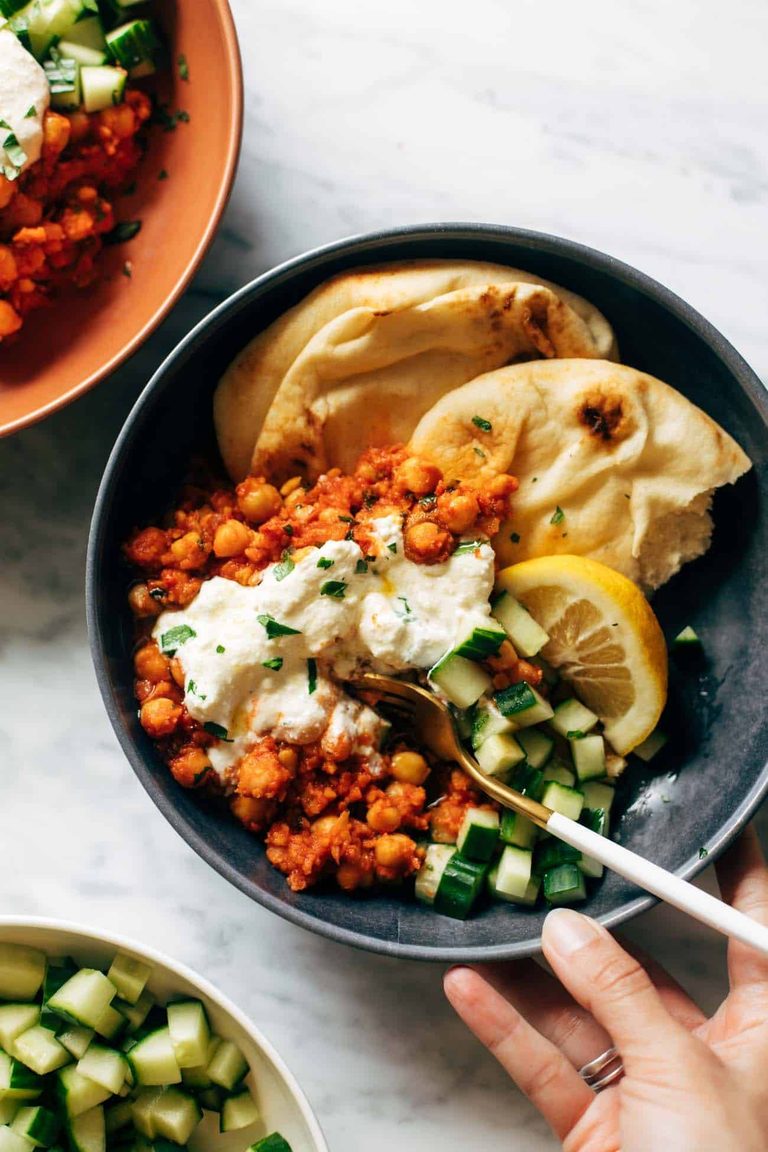
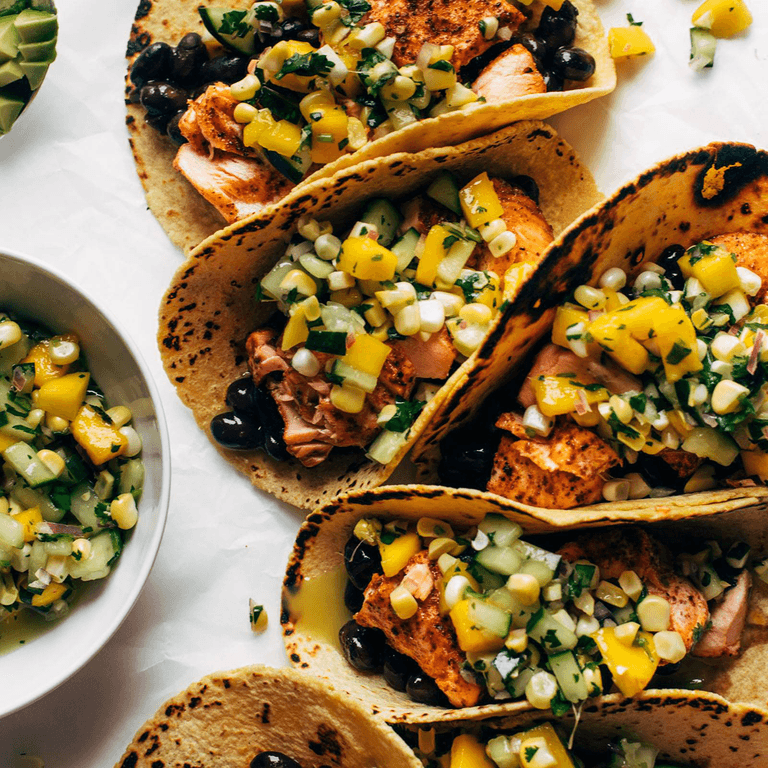
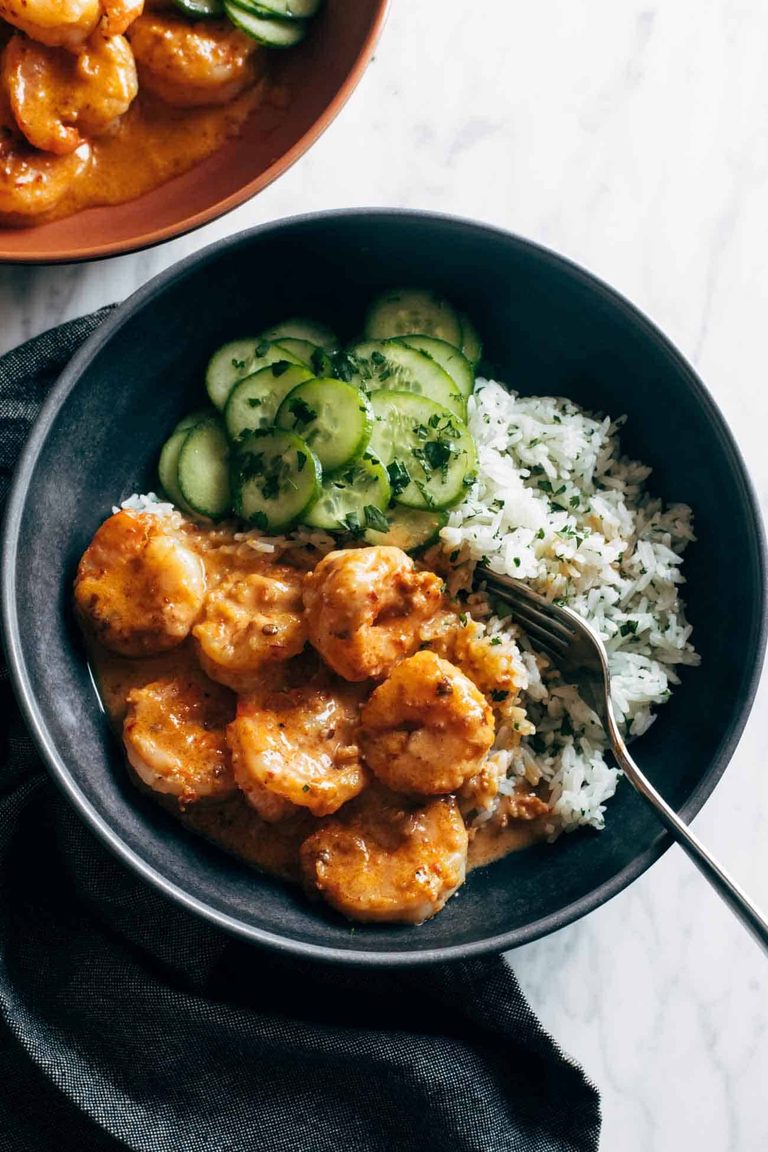
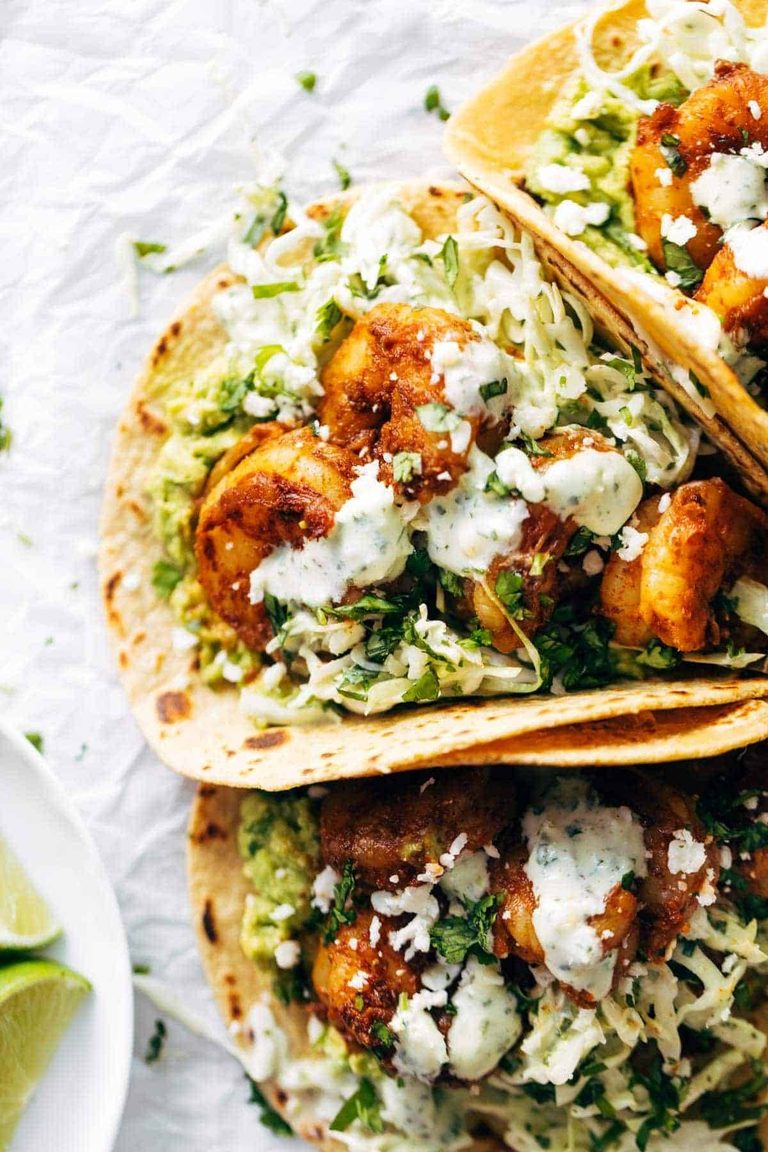
For instance, seafood-based options like Salmon Tacos with Mango Corn Salsa and Chipotle Orange Shrimp with Cilantro Rice leverage the naturally fast cooking time of fish and shrimp, pairing them with vibrant, quickly assembled salsas or sauces. These dishes offer a balance of protein, fresh produce, and complex carbohydrates, often requiring minimal cooking steps. Similarly, Hot Honey Salmon showcases how a flavorful glaze can transform a simple protein in minutes.
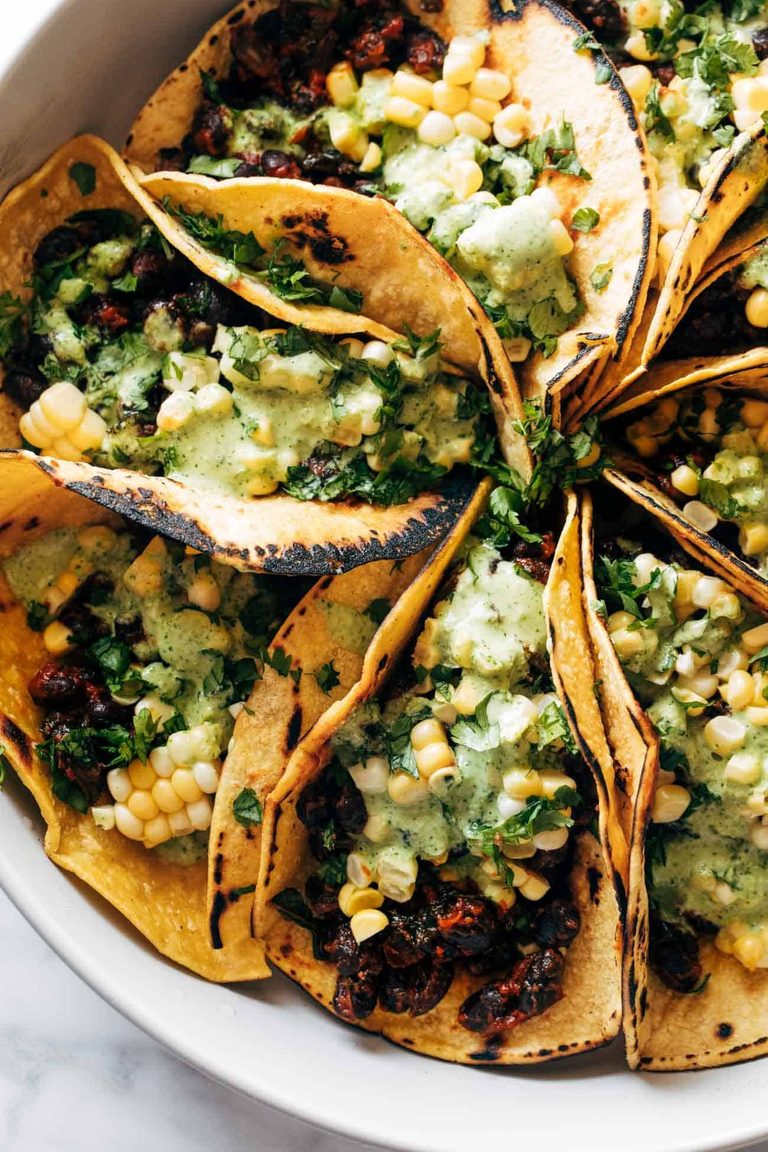
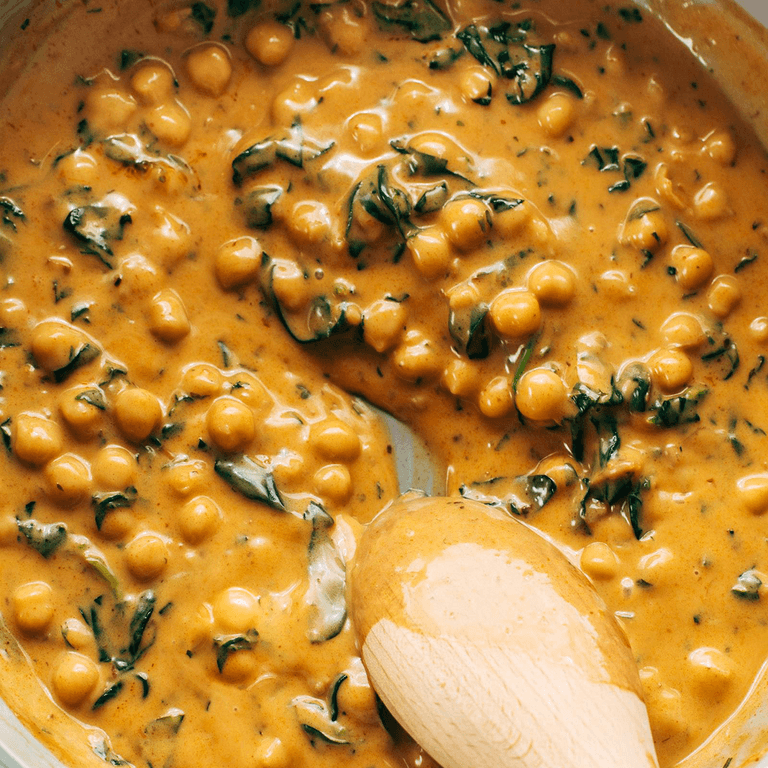
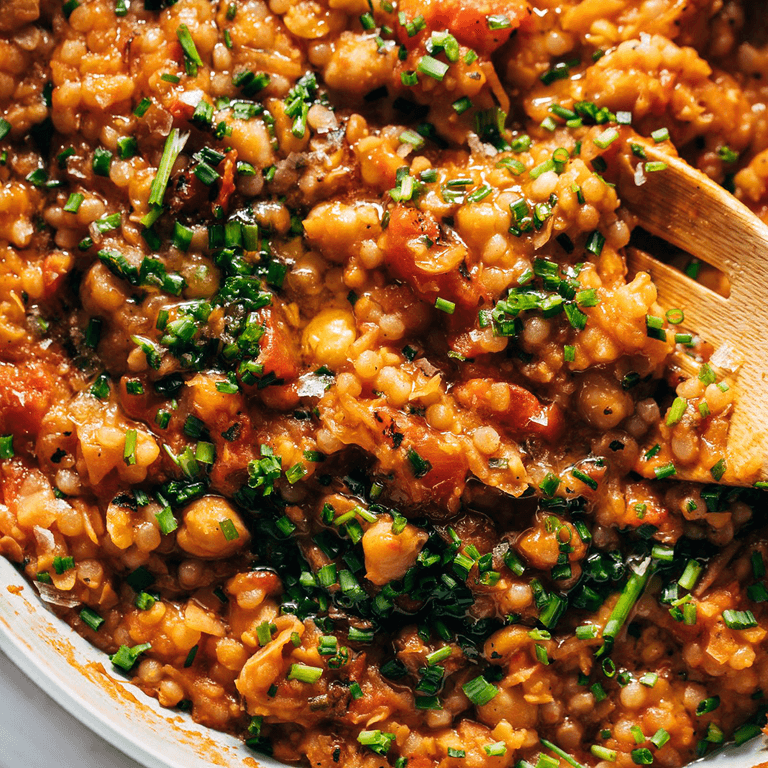
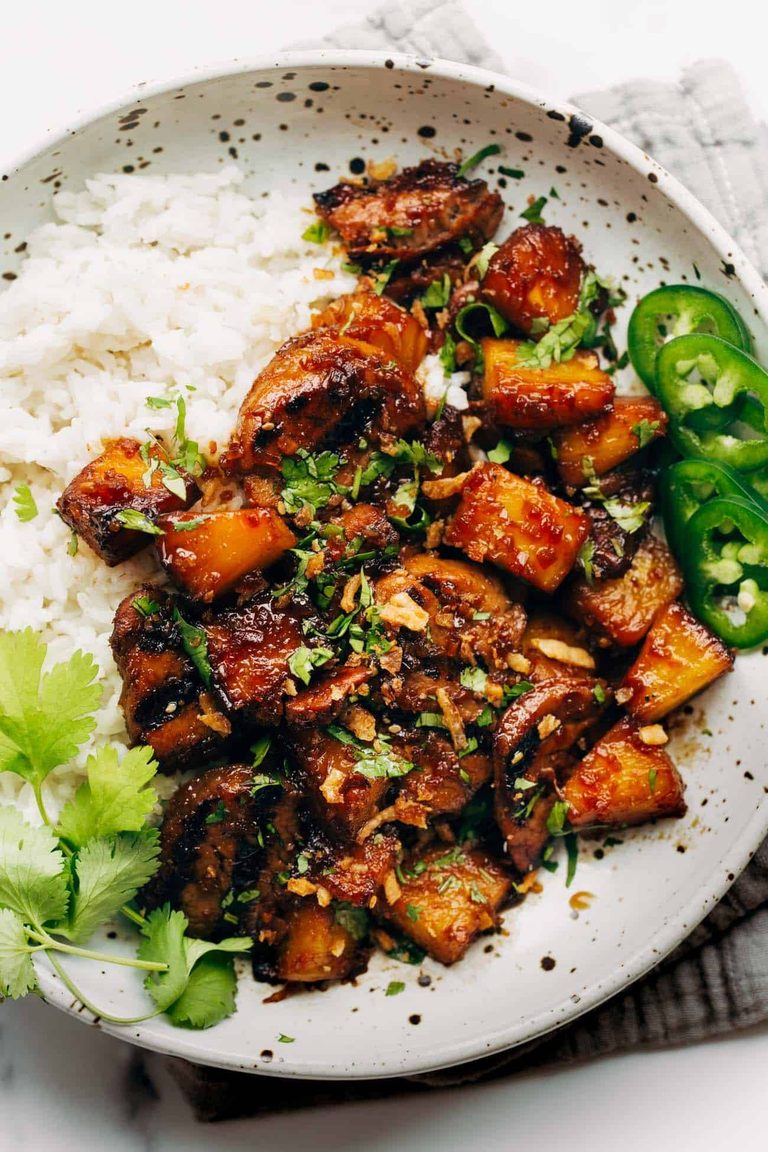
Vegetarian and plant-forward meals are well-represented, addressing a growing demographic. Steph’s Chickpea Curry with Spinach and Rice is a prime example of a dish that utilizes pantry staples (canned chickpeas, rice) and quick-wilting greens to create a hearty, flavorful meal in under 20 minutes. Chili Crunch Tofu and Harissa Chickpeas with Whipped Feta highlight the use of bold, pre-made flavor agents (chili crisp, harissa paste) to elevate simple ingredients. The Pearl Couscous Skillet with Tomatoes, Chickpeas, and Feta capitalizes on the rapid cooking of couscous combined with fresh vegetables for a Mediterranean-inspired dish.
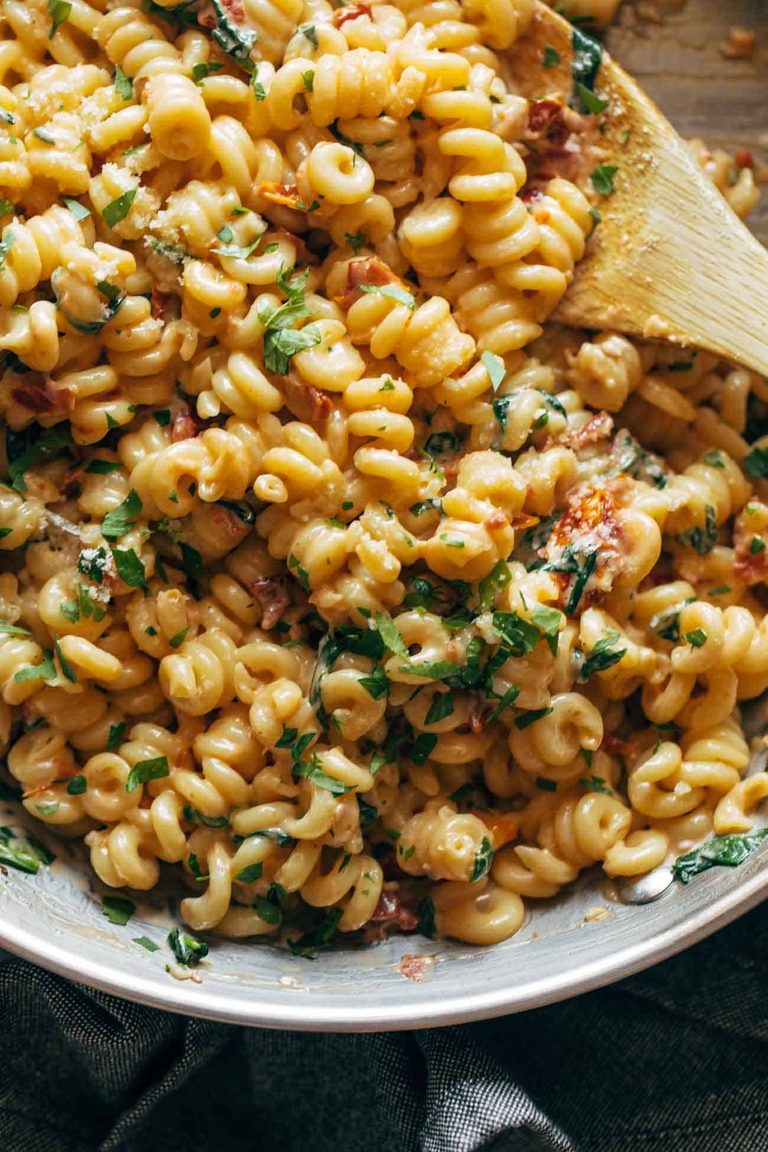
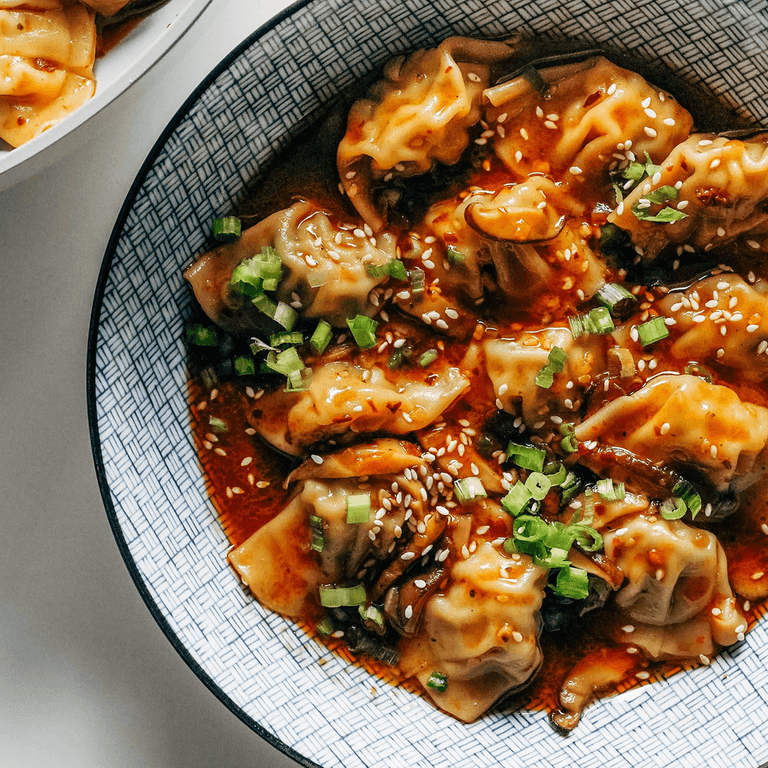
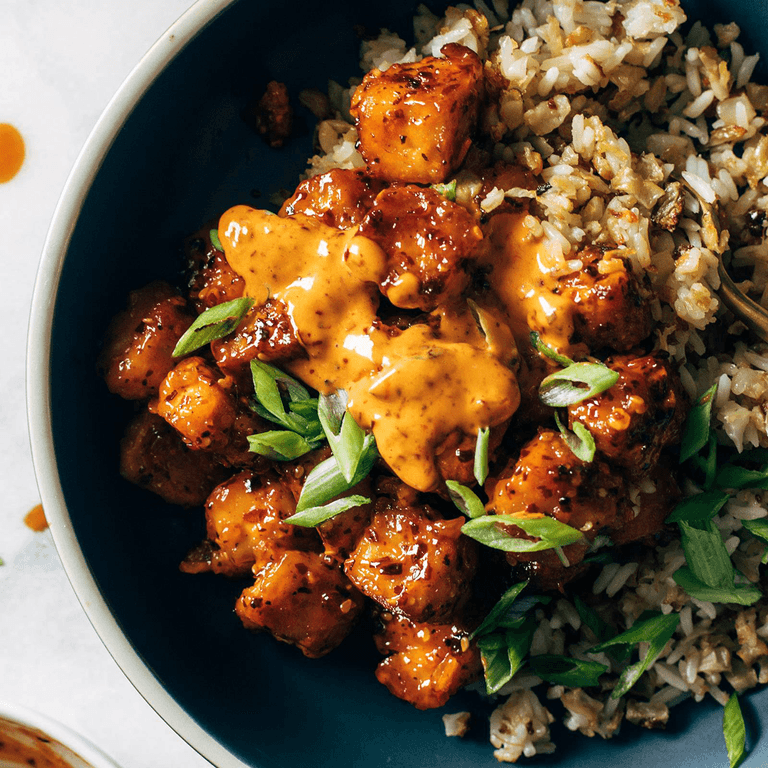
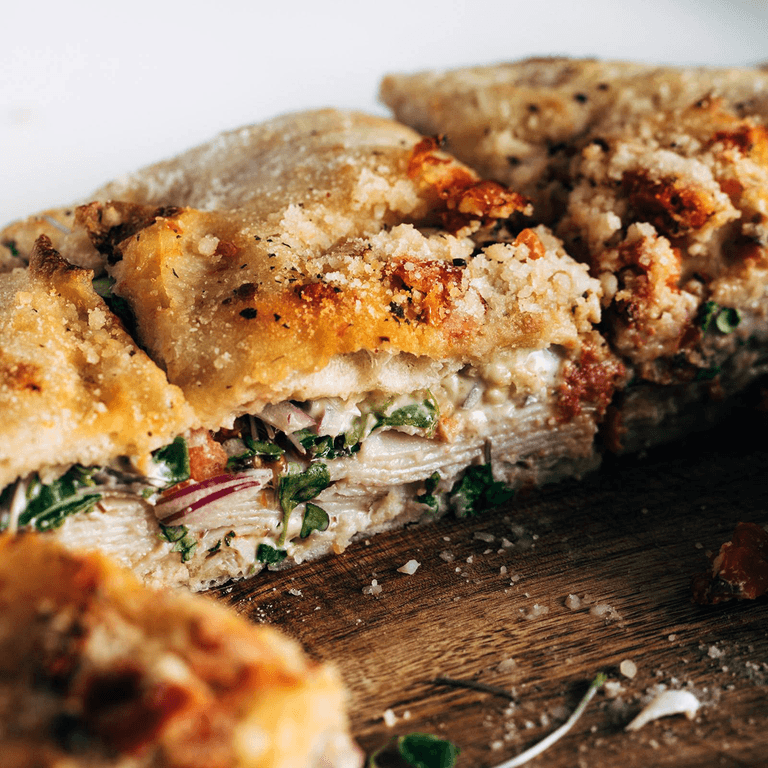
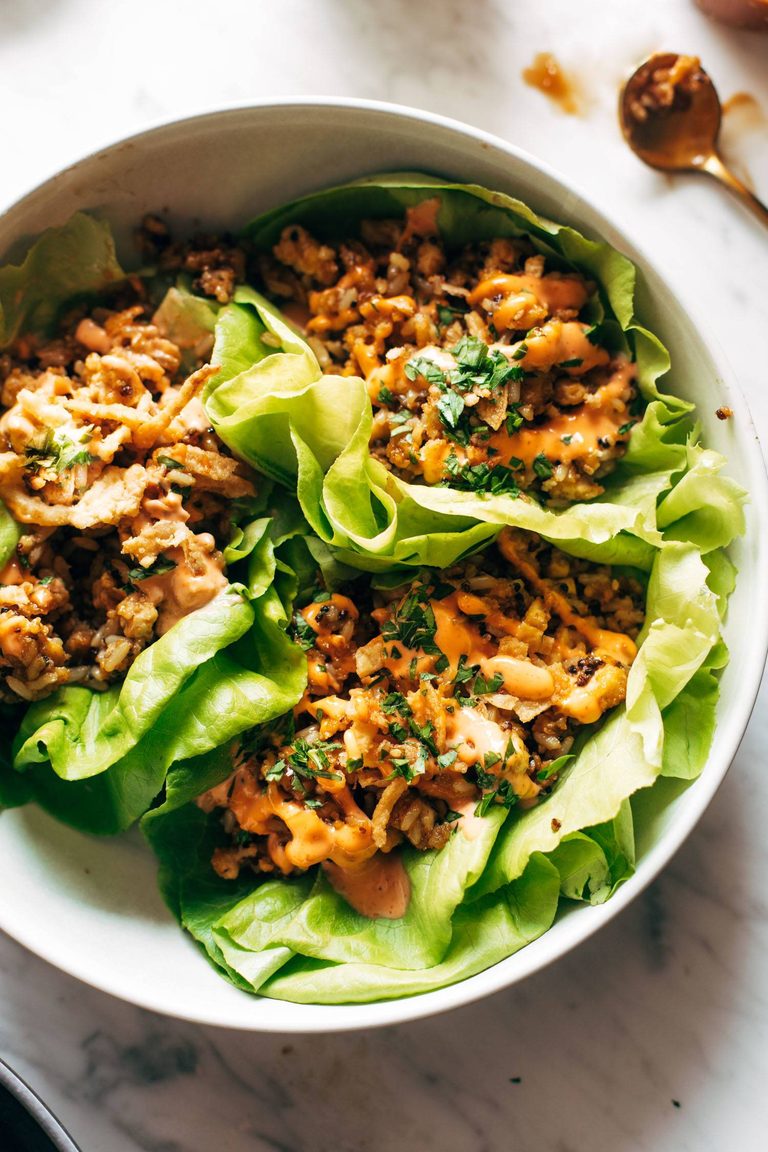
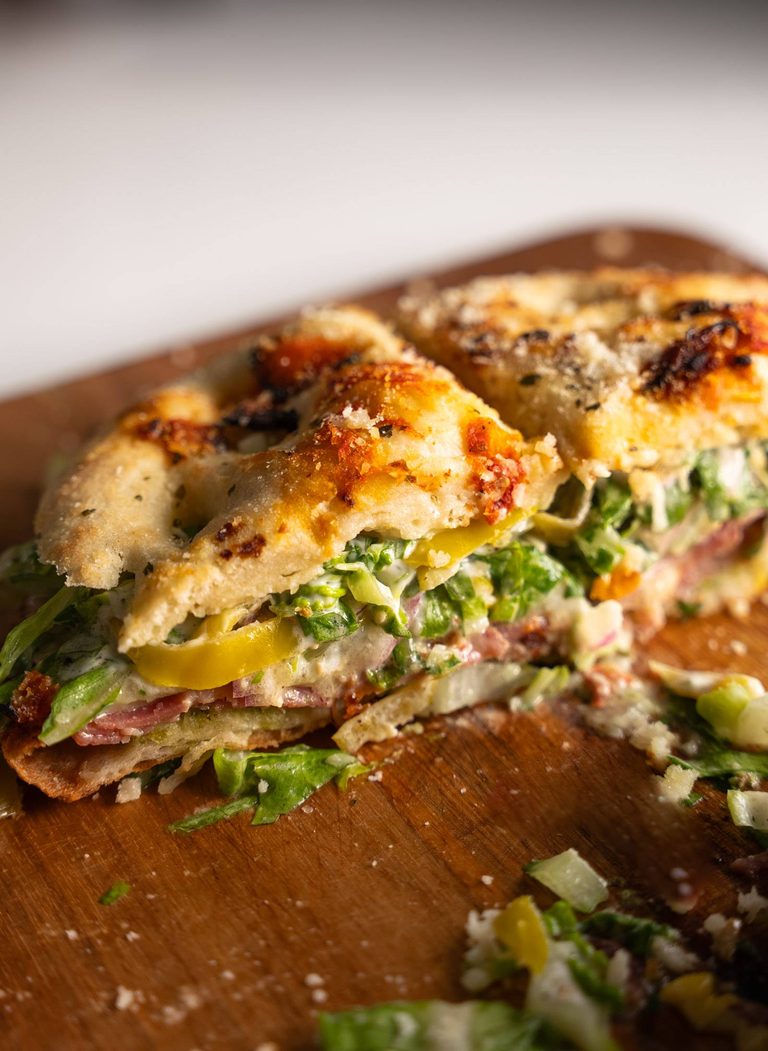
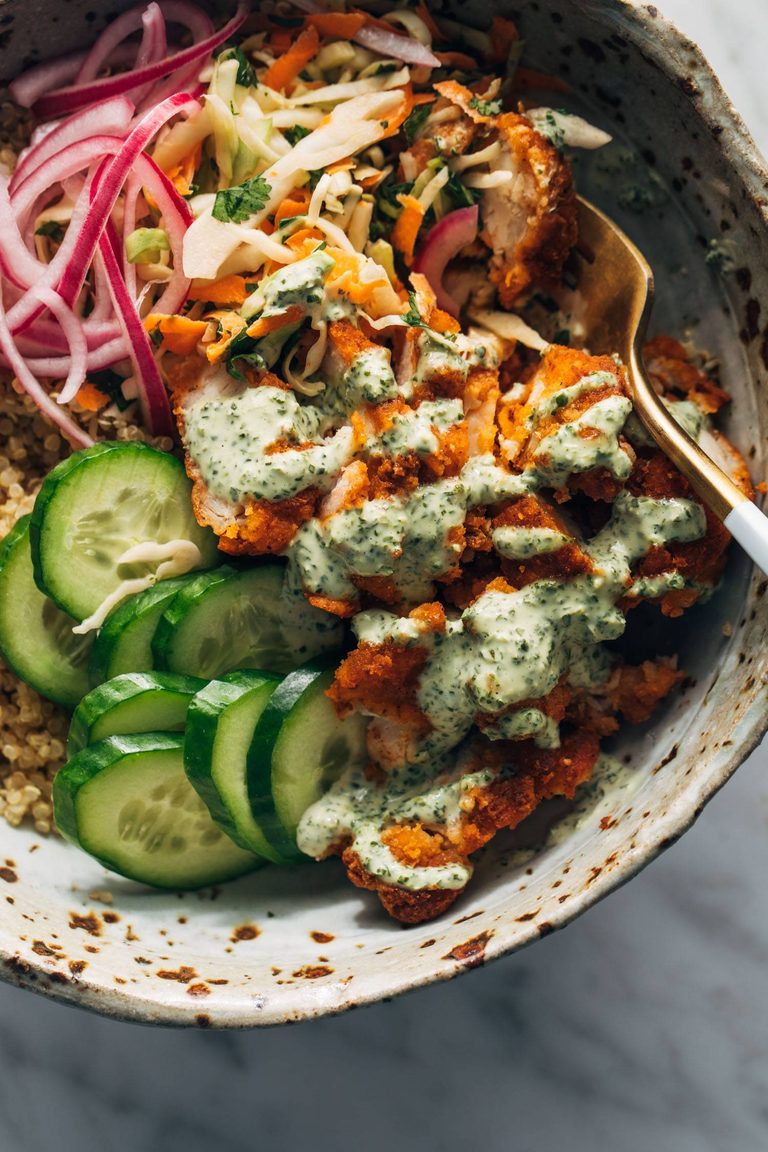
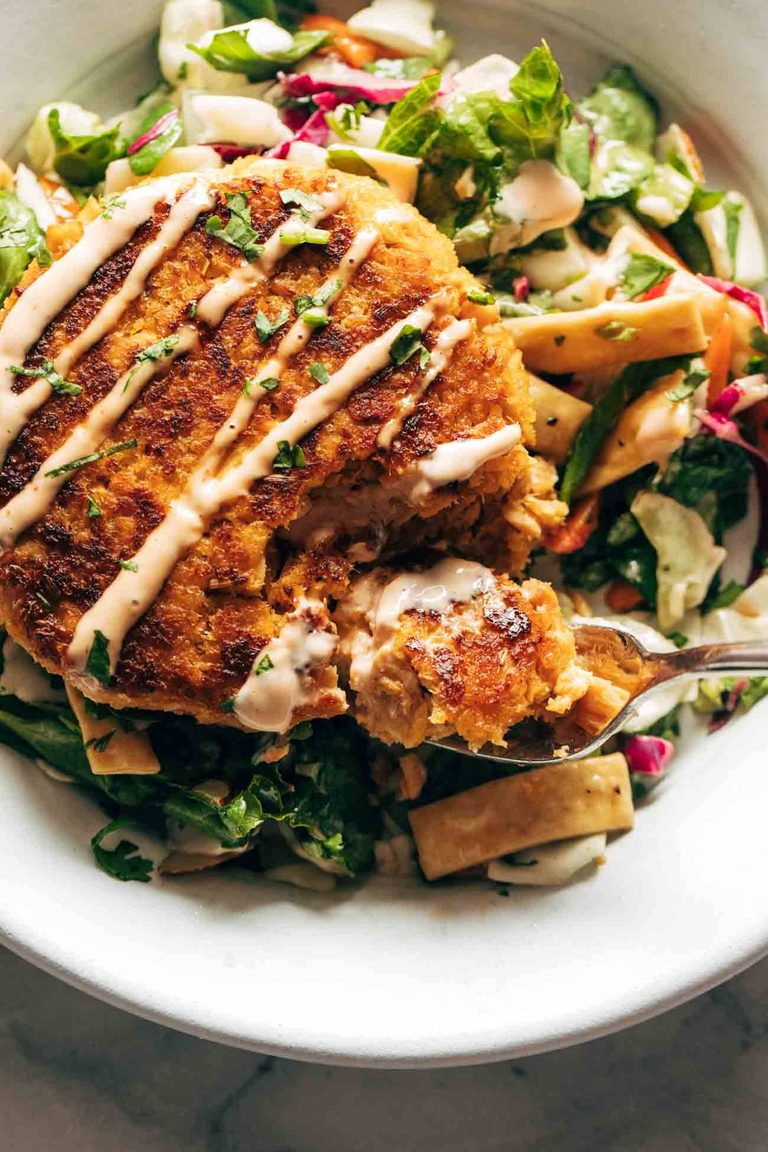
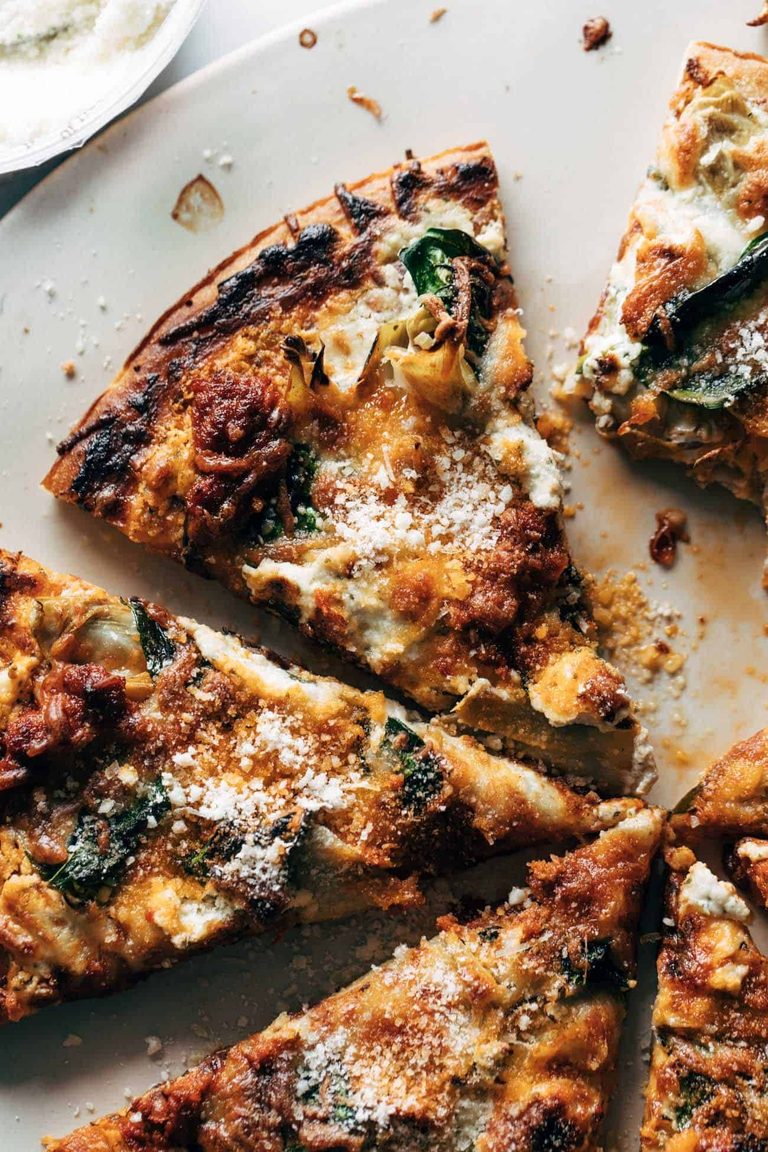
Poultry and meat dishes also feature prominently, demonstrating how traditional favorites can be adapted for speed. Chicken Wontons in Spicy Chili Sauce and Crispy Chicken Tikka Bowls with Mint Sauce utilize pre-made or quick-cooking chicken elements, focusing on building complex flavors through sauces and fresh garnishes. Sandwich options like the Trader Joe’s Sun-Dried Tomato Focaccia Turkey Sandwich and Focaccia Grinder Sandwich illustrate how high-quality, store-bought components can be assembled into gourmet-level meals with minimal effort.
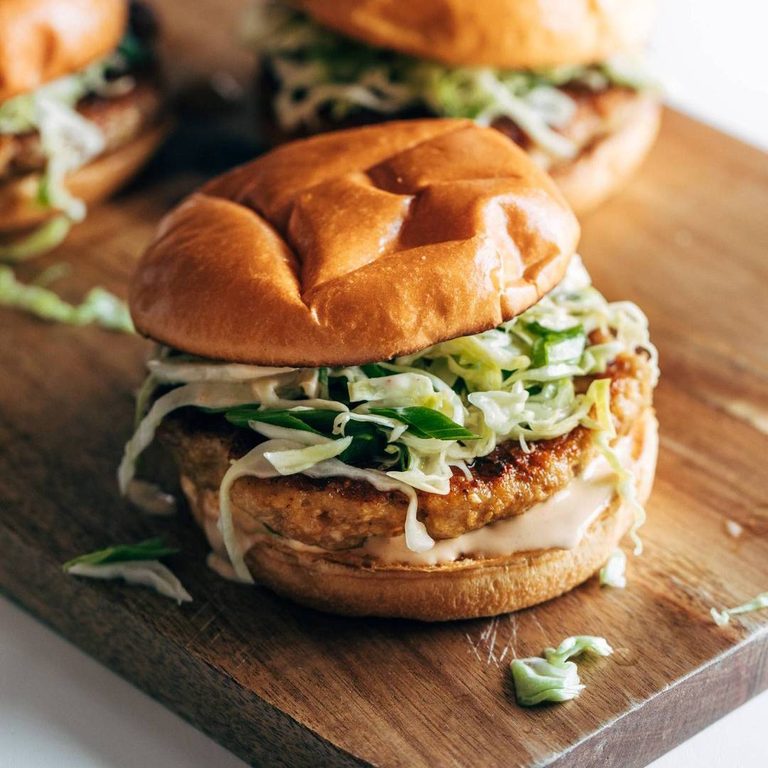
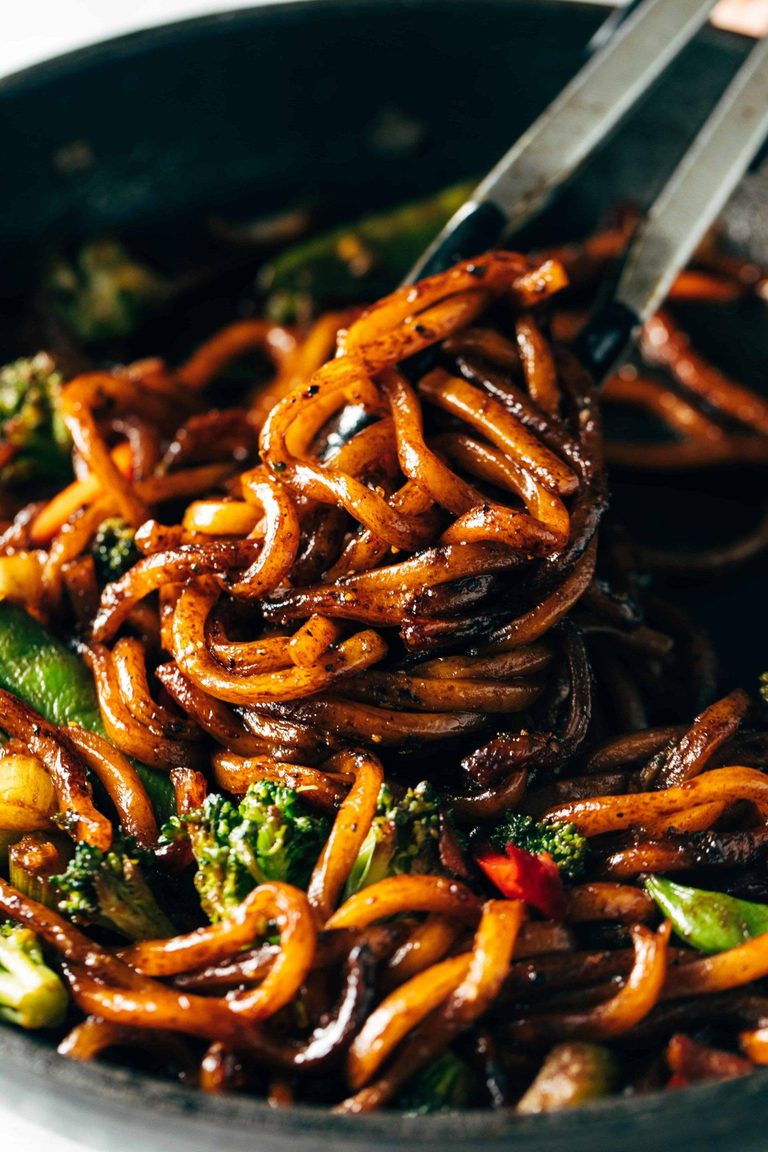
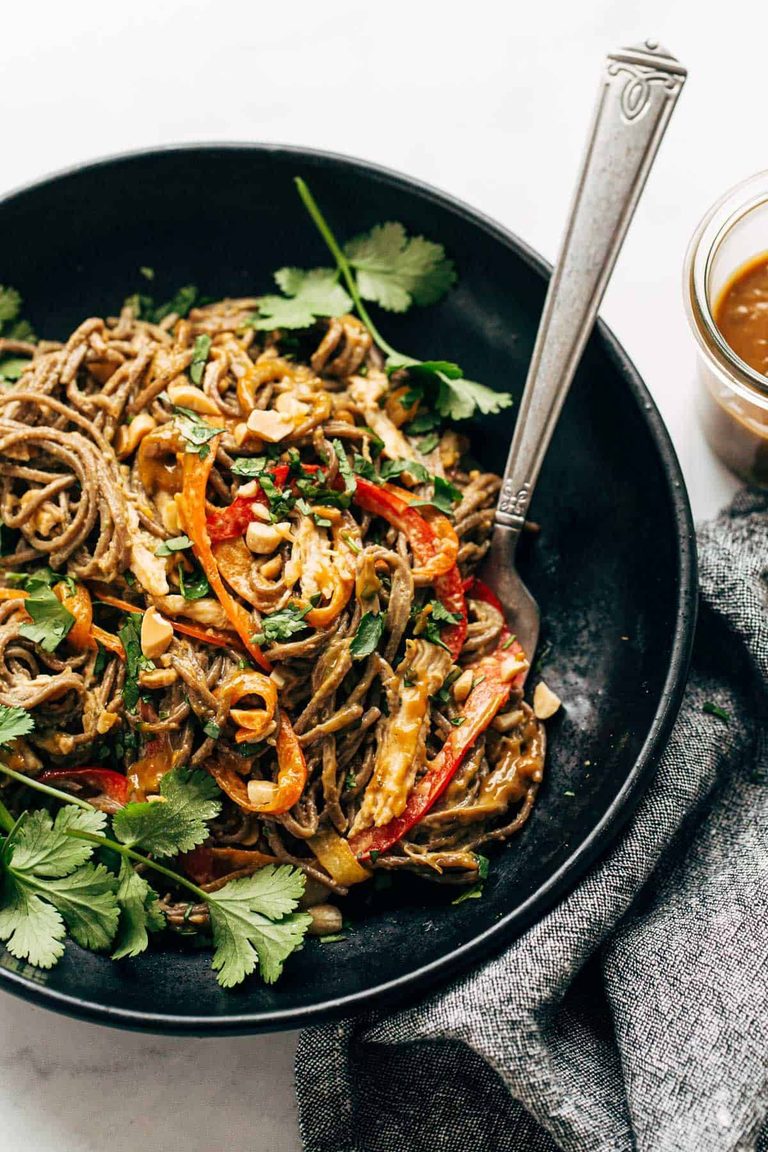
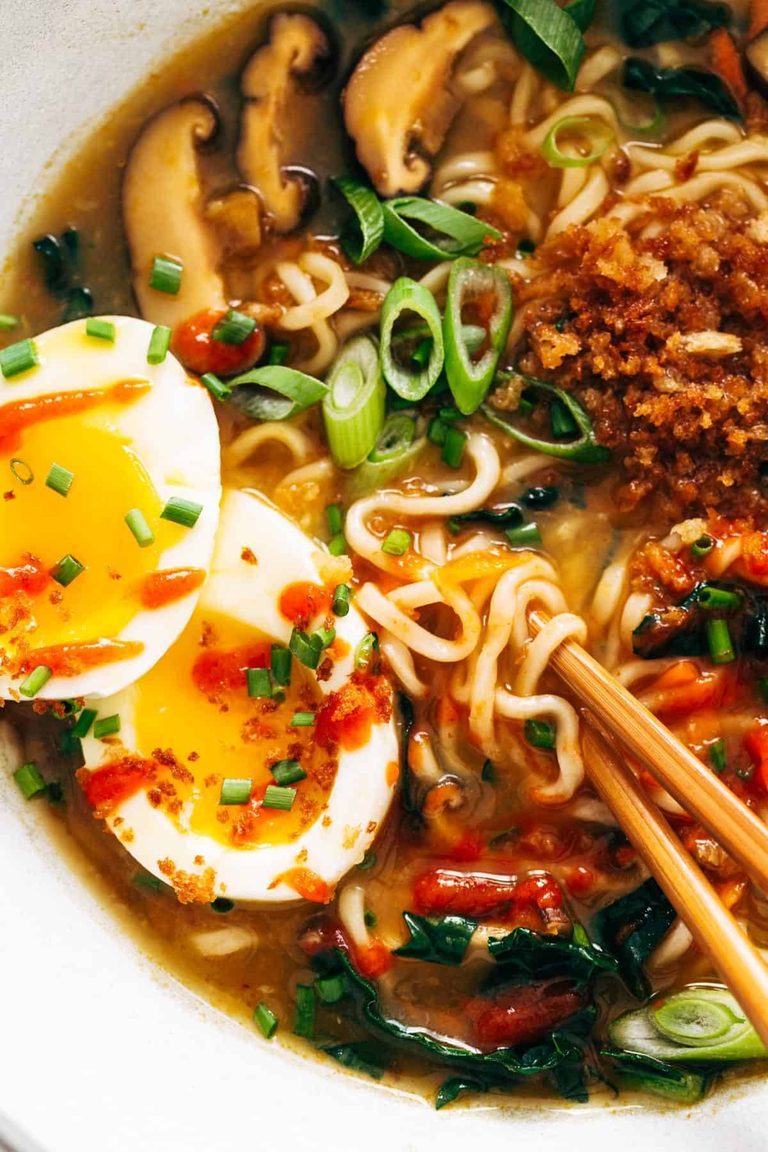
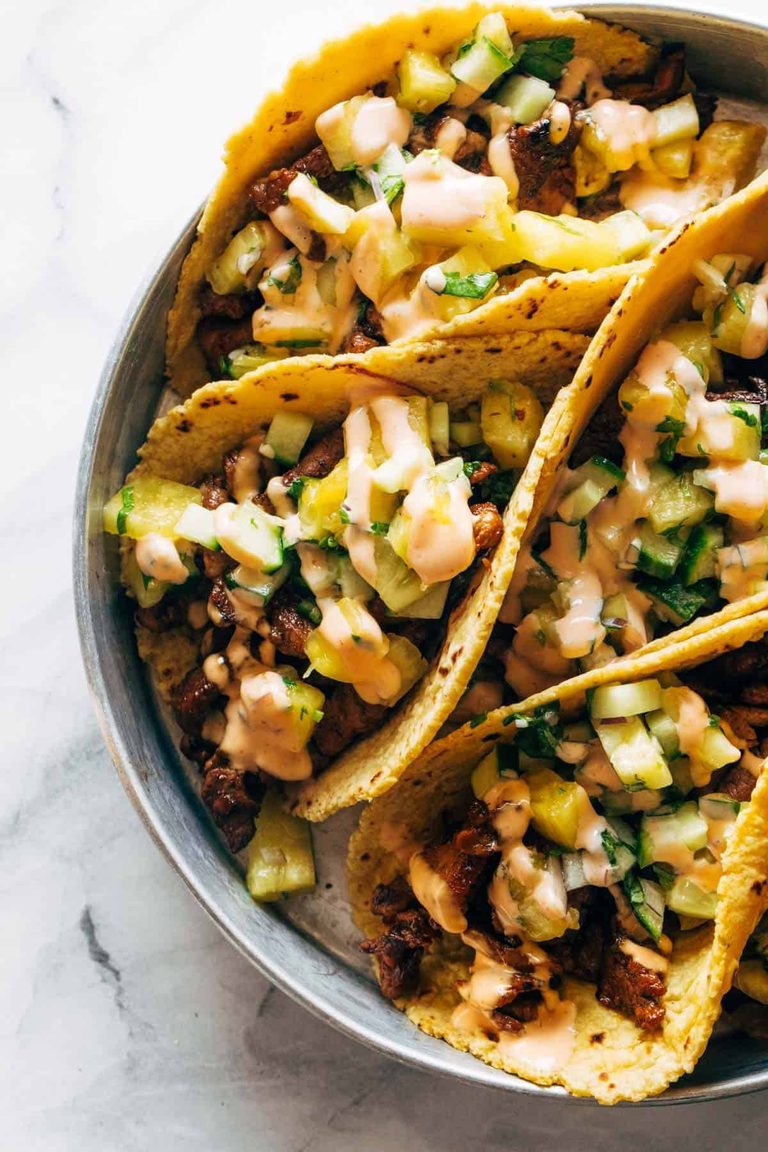
A common thread across these diverse recipes is the emphasis on fresh ingredients (e.g., mango, cilantro, spinach, tomatoes), bold flavor profiles (e.g., chili crisp, harissa, teriyaki, sriracha mayo), and often minimal cleanup, such as the Sheet Pan Shrimp and Cauli Rice. This combination ensures that the rapid preparation does not equate to a bland or unfulfilling meal, directly addressing the "quick doesn’t mean boring" consumer expectation.
Broader Implications: Health, Family, and Economic Impact
The widespread adoption of 30-minute meals carries significant broader implications. From a public health perspective, the trend encourages home cooking, which is generally associated with healthier diets and lower rates of obesity and diet-related diseases. By making healthy cooking accessible, it can serve as a preventative measure against the over-reliance on less nutritious, processed foods.
For family life, the ability to consistently provide a home-cooked meal can enhance family cohesion, offering a predictable ritual in often unpredictable daily schedules. Shared meals are linked to improved communication, academic performance in children, and stronger family bonds. The reduced stress on the primary meal preparer also contributes to a more harmonious household environment.

Economically, the 30-minute meal movement contributes to household savings and supports a vibrant segment of the food industry. While some convenience products may have a higher unit cost, the overall savings from reduced dining out are considerable. This also drives innovation in ingredient sourcing, packaging, and food technology, creating new opportunities for businesses that can effectively cater to the demand for speed and quality. Furthermore, by making home cooking more manageable, it can indirectly reduce food waste at the consumer level by encouraging efficient use of ingredients and more frequent, smaller shopping trips.
The Future of Weeknight Dinners
Looking forward, the demand for efficient and appealing dinner solutions is expected to intensify. Future innovations may include further advancements in smart kitchen appliances, potentially integrating AI for personalized meal planning based on available ingredients and dietary preferences. The continued growth of specialized grocery services offering highly curated, quick-prep ingredients will likely expand. Furthermore, as global flavors become more integrated into mainstream cuisine, expect to see even more diverse and creative 30-minute meal adaptations that bring exotic tastes to the busy weeknight table.
The enduring value of home cooking, even in its accelerated forms, lies in its capacity to nourish not only the body but also the spirit. As modern life continues its rapid pace, the 30-minute meal stands as a testament to human ingenuity in adapting to challenges, proving that a delicious, wholesome, and satisfying dinner can indeed be achieved swiftly, becoming a cornerstone of sustainable and enjoyable daily living.